Gypsy Ballads
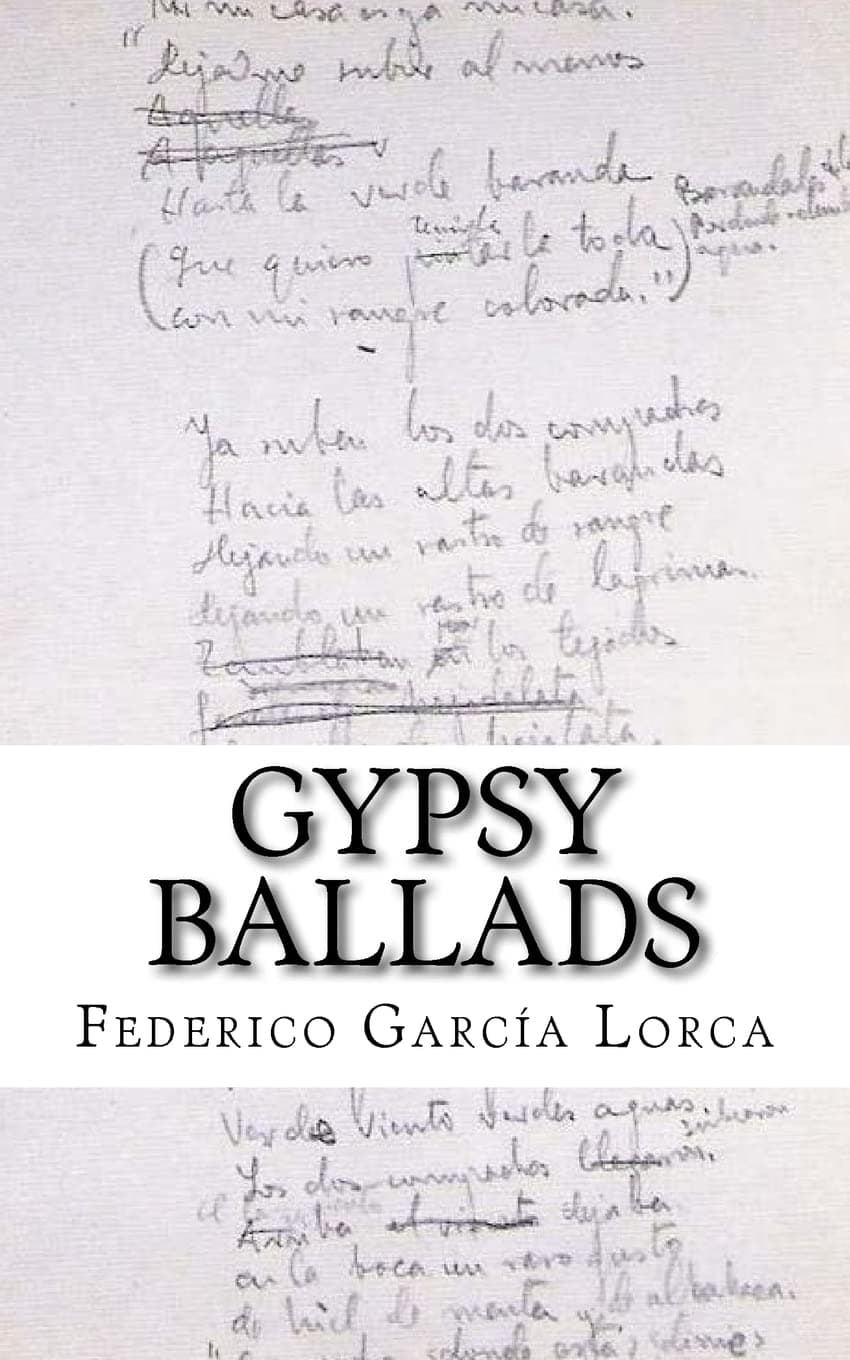
“Green, how I want you green. Green wind. Green branches.”
Gypsy Ballads Summary
Gypsy Ballads is a sequence of eighteen poems that conjure a mythic Andalusia, a landscape of moonlit rivers, forge fires, and olive groves where the Romani people live in a world charged with primal forces. The poems throb with violence and desire: a young woman waits for her lover by the cistern while the wind presses against her like a hand; a Guardia Civil patrol advances on a Gypsy settlement with souls of patent leather and skulls of lead; a sleepwalking girl walks across the rooftops toward the moon, trailing the scent of jasmine and shadow. Lorca fuses the rhythms of traditional Spanish ballad forms with the startling imagery of surrealism, creating a poetry that feels at once ancient and shockingly modern. Every poem pulses with the duende, that untranslatable Spanish spirit of dark, earthbound passion that Lorca believed was the animating force of all great art.
Federico Garcia Lorca's most celebrated collection transformed Spanish poetry and established him as one of the twentieth century's essential poets. The Gypsy Ballads operate on multiple levels: as vivid narrative poems, as allegories of oppression and resistance, and as incantations that blur the boundary between the human and the elemental. Lorca's Gypsies are not picturesque figures but mythic beings caught between civilization and nature, desire and death. The collection's influence extends far beyond Spanish literature, shaping poets and songwriters across languages and generations. Its imagery of moons, blood, horses, and knives has entered the collective unconscious of modern poetry, and its fusion of folk tradition with avant-garde technique remains a model of how the deepest roots of a culture can produce the most radical art.
Why Read Gypsy Ballads?
Gypsy Ballads will transform the way you experience poetry. Even in translation, Lorca's images strike with a force that is almost physical: a moon that drags its skirts across the sky, a river of blood that sings, a green wind combing through the hair of the dead. These are poems that operate on the body as much as the mind, poems whose rhythms and images stay lodged in your consciousness long after you put the book down. Lorca understood that poetry at its deepest is not an intellectual exercise but a confrontation with the elemental forces of desire, death, and the mysterious beauty of the natural world.
To read Gypsy Ballads is to encounter a vision of art that refuses to separate the beautiful from the terrible, the civilized from the wild. Lorca's Andalusia is a place where the moon is a harbinger of death, where metalwork and moonlight share the same strange enchantment, and where the most marginalized people in society carry the weight of mythic destiny. This is poetry that will remind you why verse exists at all: to say the things that prose cannot, to make you feel what reason alone cannot reach. If you read one book of poetry this year, let it be this one.
About Federico García Lorca
Federico Garcia Lorca was born in 1898 in Fuente Vaqueros, a small village near Granada in Andalusia, Spain. He grew up surrounded by the folk songs, puppet shows, and oral traditions of rural Spain, influences that would permeate his work. He studied law and literature in Granada and Madrid, where he became the charismatic center of a circle that included Salvador Dali and Luis Bunuel. A gifted musician, visual artist, and theatrical director, Lorca possessed a creative energy that seemed almost supernatural to those who knew him.
Gypsy Ballads, published in 1928, made Lorca the most famous poet in Spain almost overnight. He went on to write plays that are among the masterpieces of modern theater, including Blood Wedding, Yerma, and The House of Bernarda Alba, works that fuse poetic language with searing explorations of repression, desire, and the subjugation of women. In 1936, at the outbreak of the Spanish Civil War, Lorca was arrested by Nationalist forces in Granada and executed without trial. He was thirty-eight years old. His murder has become one of the defining tragedies of twentieth-century literature, and his work, with its celebration of passion, its solidarity with the oppressed, and its insistence on the dark beauty of existence, has only grown in stature and influence.
Reading Guide
Ranked #429 among the greatest books of all time, Gypsy Ballads by Federico García Lorca has earned its place in the literary canon. Originally written in Spanish and published in 1928, this moderate read from Spain continues to resonate with readers today.
This book belongs to our Love & Loss collection, where you can discover more books that share its spirit and themes.
If you enjoy moderate reads like this one, you might also like One Hundred Years of Solitude, Nineteen Eighty-Four, or Wuthering Heights.
From the Love & Loss Collection
If you enjoyed Gypsy Ballads, discover more masterpieces that share its spirit.
 #3View Book
The Great Gatsby
F. Scott Fitzgerald
Accessible•5-6 hours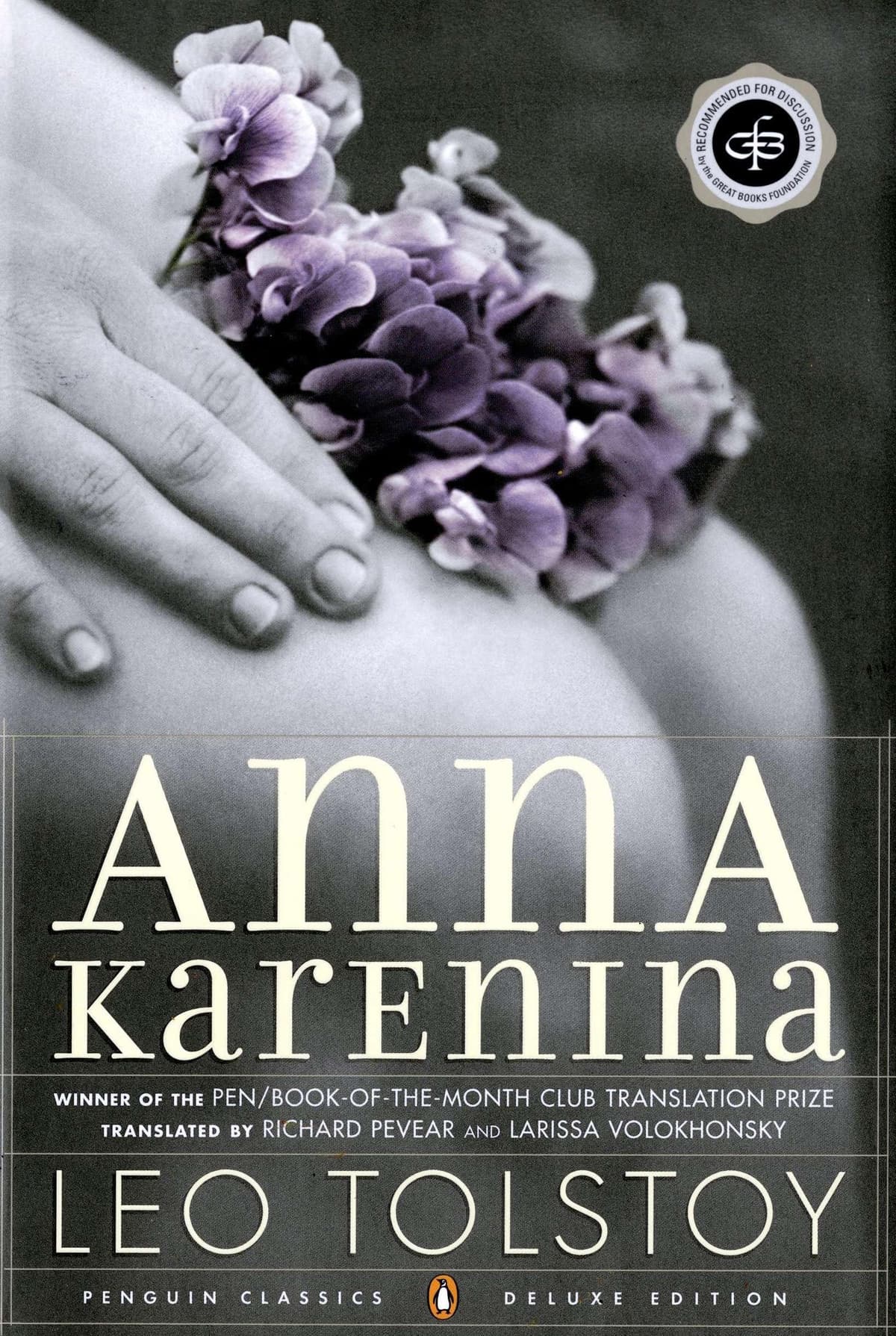 #10View Book
Anna Karenina
Leo Tolstoy
High•30-35 hours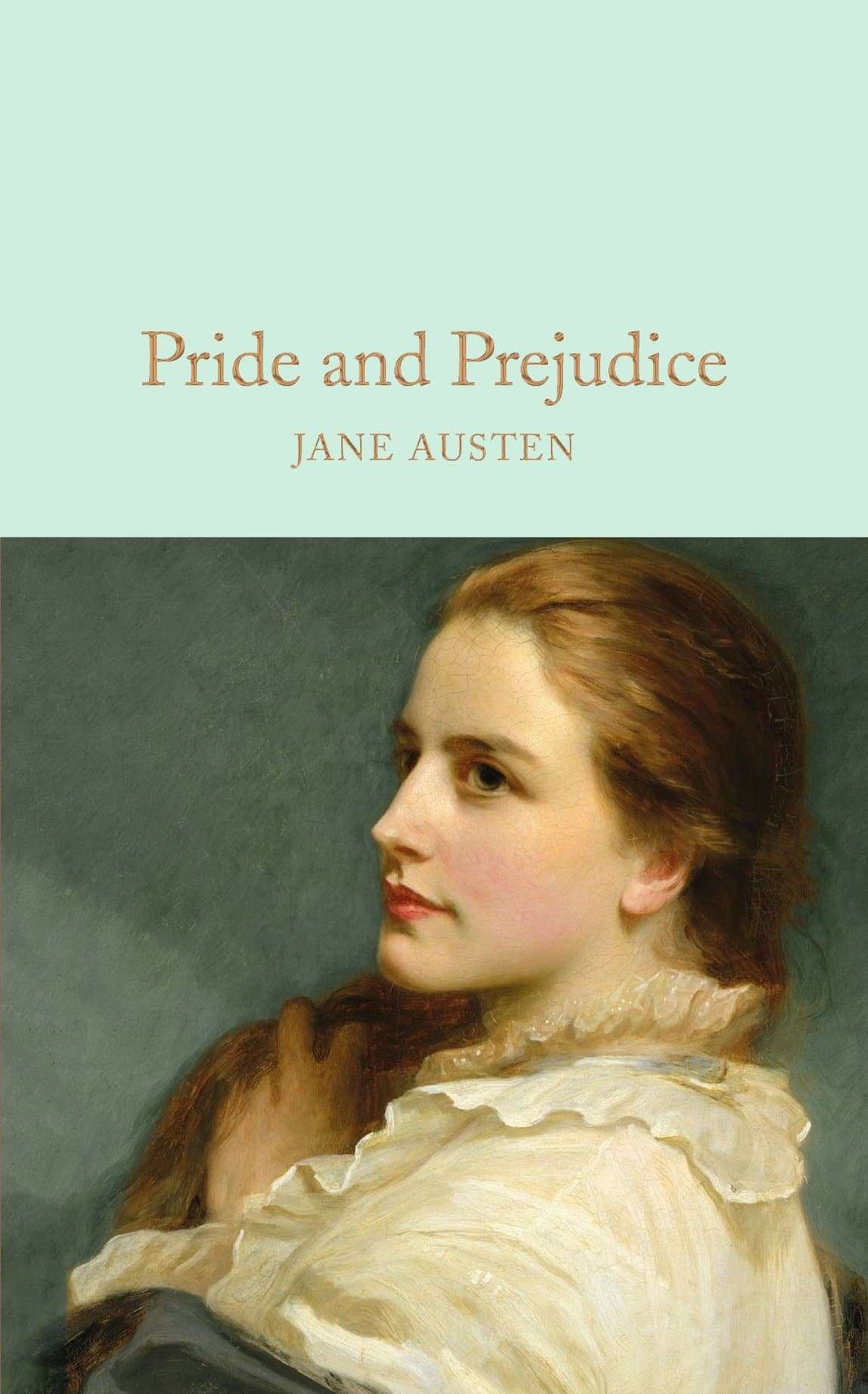 #12View Book
Pride and Prejudice
Jane Austen
Accessible•10-12 hours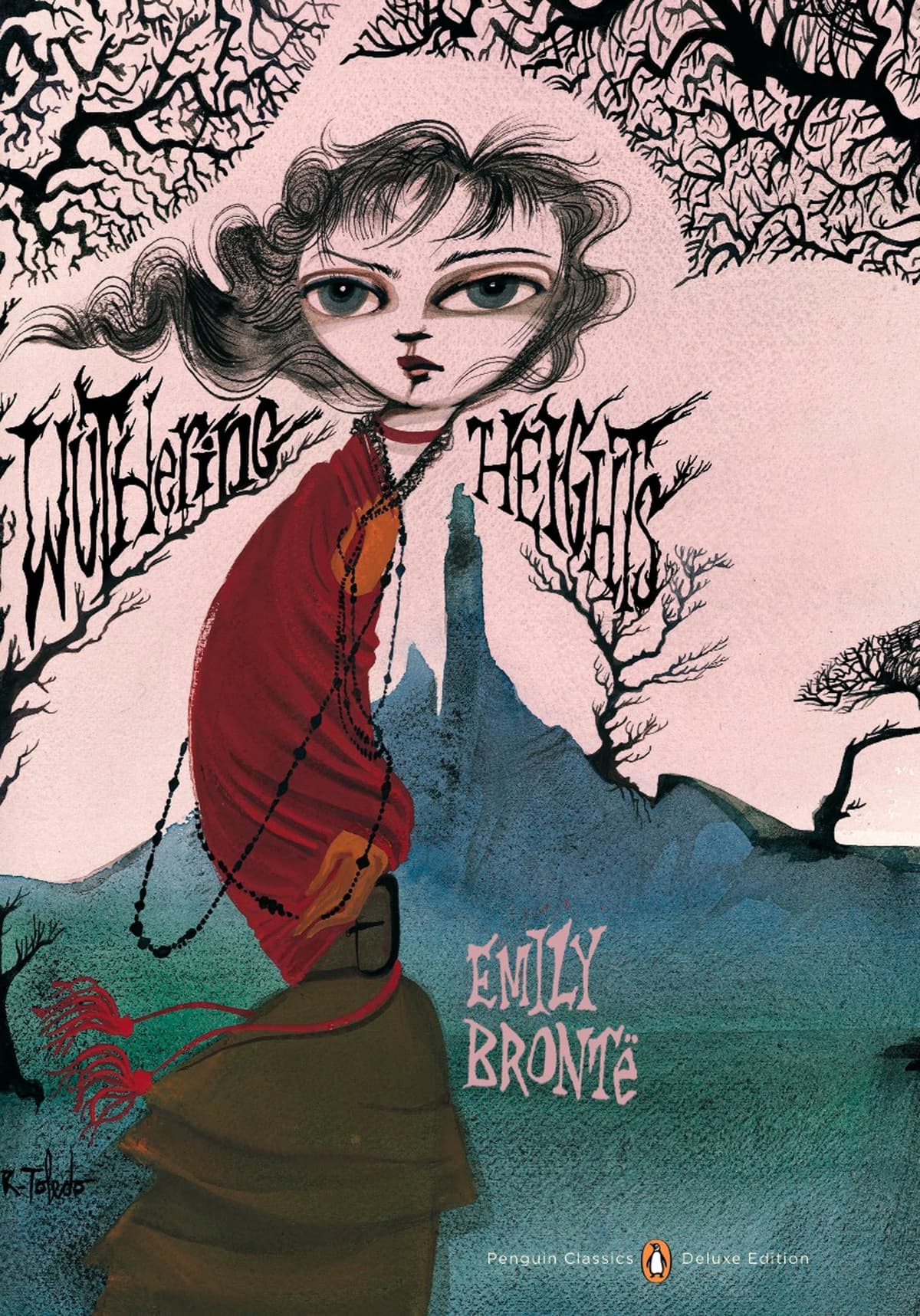 #15View Book
Wuthering Heights
Emily Brontë
Moderate•10-12 hours
Browse more collections