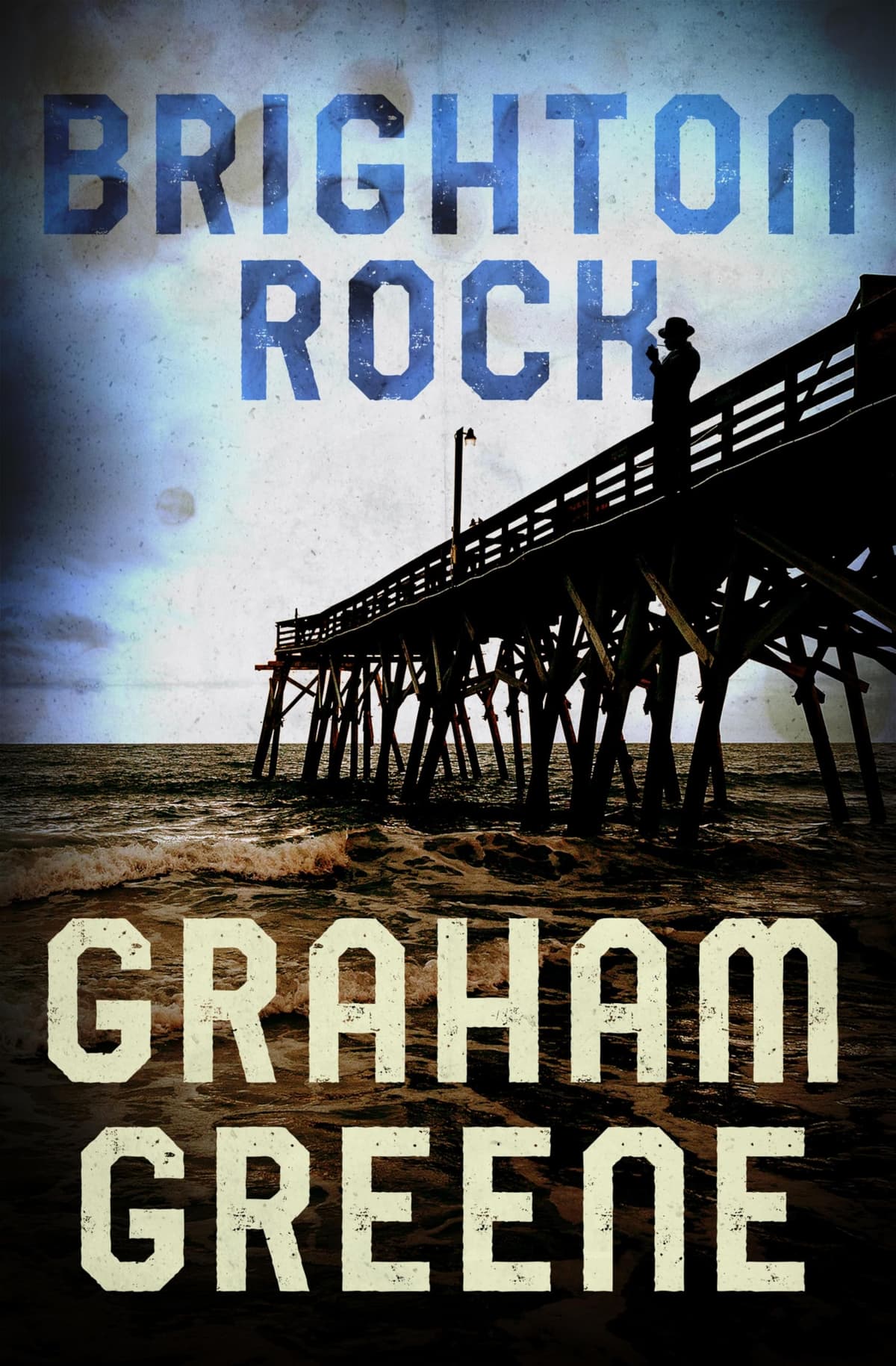
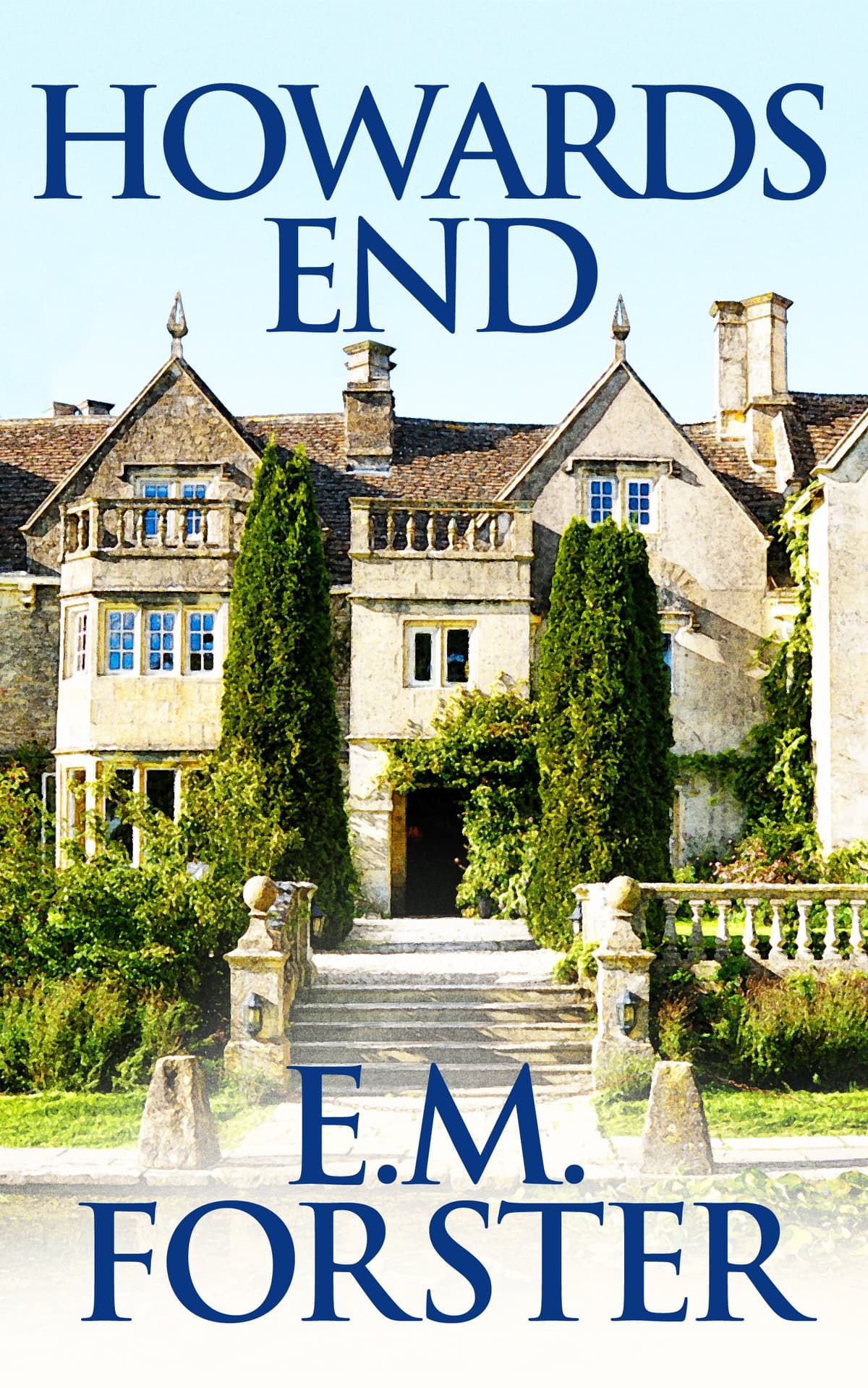
Howards End
“Only connect! That was the whole of her sermon. Only connect the prose and the passion, and both will be exalted, and human love will be seen at its height.”
Howards End Summary
"Only connect!"—the epigraph that governs E. M. Forster's most expansive novel, a story about three families and the house that binds them. The Schlegels—cultured, idealistic, half-German intellectuals—befriend the Wilcoxes, a pragmatic, empire-building business family, and their lives become entangled through a series of misunderstandings, broken promises, and one fateful bequest. When the dying Ruth Wilcox scribbles a note leaving her beloved country house, Howards End, to Margaret Schlegel, the Wilcox family quietly suppresses the wish. Meanwhile, the Schlegels' younger sister Helen drifts toward Leonard Bast, a clerk on the precipice of poverty whose desperate striving embodies the fragility of class aspiration in Edwardian England.
Forster's novel is a meditation on the great fracture of modern life—between the inner world of culture and feeling and the outer world of commerce and action, between those who have and those who have not. Margaret Schlegel, who eventually marries the widowed Henry Wilcox, becomes the novel's moral center, attempting to bridge the gap between prose and passion, between the seen and the unseen. The prose moves with deceptive ease, shifting from comedy of manners to moments of shocking violence, always circling back to the question of who truly owns England—and whether connection across class and temperament is possible or merely a beautiful illusion. Howards End itself, with its wych-elm and meadow, becomes a symbol of an older, rooted England threatened by the creeping sprawl of London.
Why Read Howards End?
Forster asks you to do the hardest thing in the world: to connect. Not just intellectually, not just romantically, but across the chasms of class, temperament, and worldview that divide us from one another. Howards End is the rare novel that takes money seriously—that understands how poverty can destroy a life as surely as any bullet—while never reducing its characters to sociological types. Leonard Bast's doomed striving will break your heart. Margaret Schlegel's determined empathy will challenge your own.
More than a century after its publication, the novel's central question—can the life of the mind and the life of action be reconciled?—remains unanswered. Forster wrote with a gentle irony that conceals fierce moral intelligence, and his portrait of England on the cusp of modernity feels startlingly relevant to any society wrestling with inequality and the meaning of home. You will return to the phrase "only connect" for the rest of your life, each time finding it means something different.
About E. M. Forster
E. M. Forster (1879–1970) was born in London and raised in a comfortable middle-class household shaped by the values of liberal humanism. He studied at King's College, Cambridge, where he became associated with the Bloomsbury Group—that constellation of writers, artists, and thinkers that included Virginia Woolf and Lytton Strachey. His early novels, including A Room with a View and Where Angels Fear to Tread, established him as a sharp-eyed chronicler of English manners and cross-cultural encounter.
Howards End and A Passage to India cemented his reputation as one of the great English novelists of the twentieth century. After A Passage to India in 1924, he published no more novels in his lifetime, though his homosexuality-themed Maurice appeared posthumously in 1971. He spent his later decades as a beloved figure at Cambridge, a public intellectual who championed personal relations over grand causes. His essay "What I Believe," with its famous declaration that he would rather betray his country than his friend, remains a touchstone of liberal thought.
Reading Guide
Ranked #207 among the greatest books of all time, Howards End by E. M. Forster has earned its place in the literary canon. Originally written in English and published in 1910, this moderate read from United Kingdom continues to resonate with readers today.
This book belongs to our Society & Satire and Love & Loss collections, where you can discover more books that share its spirit and themes.
If you enjoy moderate reads like this one, you might also like One Hundred Years of Solitude, Nineteen Eighty-Four, or Wuthering Heights.
From the Society & Satire Collection
If you enjoyed Howards End, discover more masterpieces that share its spirit.
 #9View Book
Don Quixote
Miguel de Cervantes
High•35-40 hours #12View Book
Pride and Prejudice
Jane Austen
Accessible•10-12 hours #22View Book
Madame Bovary
Gustave Flaubert
Moderate•12-15 hours #30View Book
Middlemarch
George Eliot
High•30-35 hours
Browse more collections