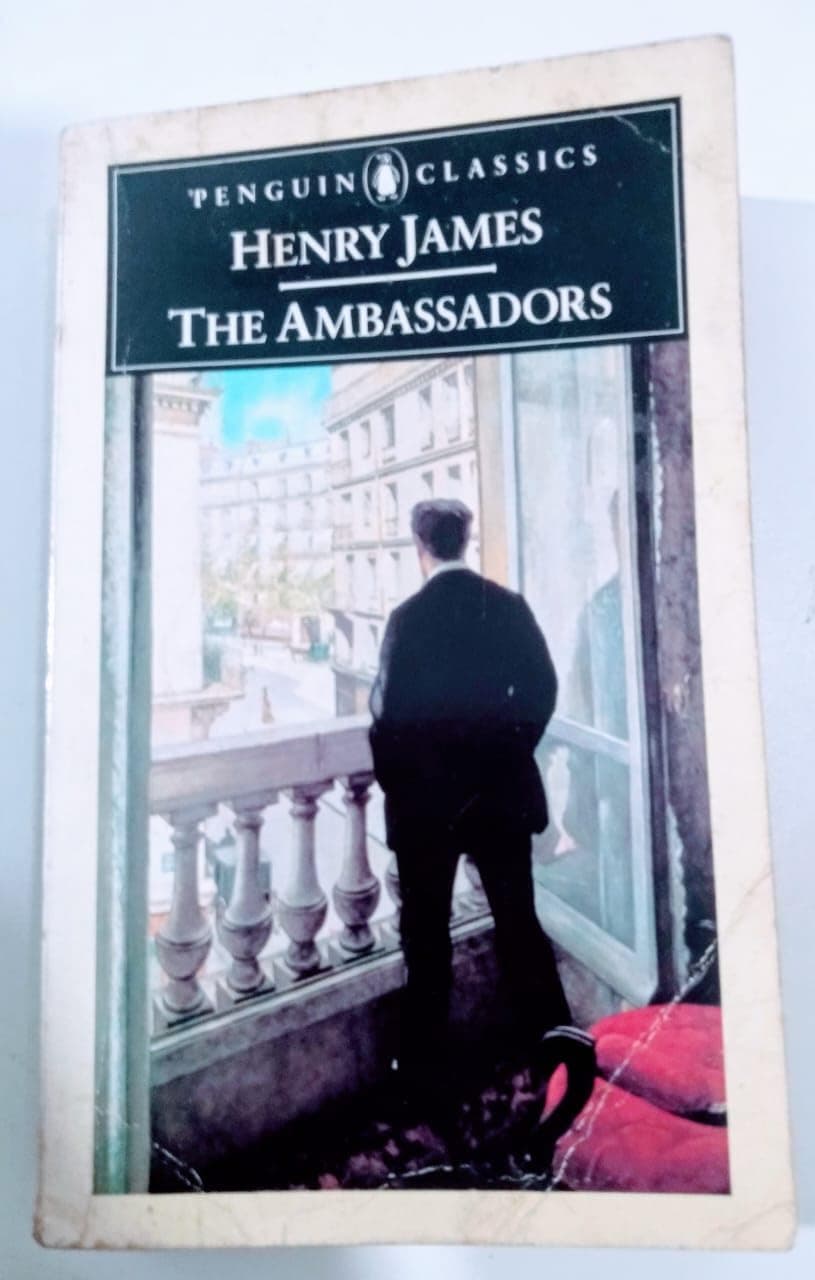
The Ambassadors
“Live all you can; it's a mistake not to. It doesn't so much matter what you do in particular, so long as you have your life.”
The Ambassadors Summary
Lambert Strether, a middle-aged editor from Woollett, Massachusetts, is dispatched to Paris by the formidable Mrs. Newsome—his patron and would-be fiancee—to rescue her son, Chad, from what the family assumes is a disreputable entanglement with a French woman. Strether arrives expecting to find a dissolute young man in need of saving, but instead discovers that Chad has been transformed—refined, gracious, and possessed of a social ease that the provincial Strether can only envy. The "virtuous attachment" between Chad and the elegant Madame de Vionnet proves far more complex than mere seduction, and as Strether lingers in Paris—visiting gardens, attending salons, drifting along boulevards—he undergoes his own transformation, realizing with a mixture of exhilaration and grief that he has missed the essential experience of living.
Henry James's late masterpiece is a novel about seeing—about the education of a consciousness that has been too cautious, too dutiful, too afraid to live. The famous injunction Strether delivers to young Bilham in Gloriani's garden—"Live all you can; it's a mistake not to"—is the novel's beating heart, made all the more poignant because Strether himself utters it too late. James's prose, in its final period, achieves an almost musical complexity: sentences spiral and qualify and double back, mirroring a mind in the act of revising its every assumption. It is a novel about the tragedy of unlived life—and the beauty of recognizing, at last, what you have lost.
Why Read The Ambassadors?
The Ambassadors offers something no other novel quite provides: the experience of watching a mind awaken. Strether's gradual, painful, magnificent discovery—that he has spent his life following duty rather than desire, that Paris represents everything he denied himself—unfolds with the delicacy and inevitability of a flower opening. James makes you feel each stage of this awakening, each revision of perception, until you are living inside Strether's consciousness as intimately as you inhabit your own.
This is also one of literature's great portraits of the clash between American earnestness and European sophistication—a theme James made uniquely his own. The novel asks what it means to truly see another person, another culture, another way of being in the world. It will make you examine your own compromises, your own unlived lives, and it will whisper—with the authority of one of the English language's supreme stylists—that it is never entirely too late to begin.
About Henry James
Henry James (1843–1916) was an American-born British novelist and critic widely regarded as one of the greatest practitioners of the art of fiction. Born in New York City to a wealthy intellectual family—his brother was the philosopher William James—he was educated in Europe and America before settling permanently in England in 1876, eventually taking up residence at Lamb House in Rye, Sussex. He became a British citizen in 1915, the year before his death, in protest against America's refusal to enter World War I.
James's vast body of work—including The Portrait of a Lady, The Wings of the Dove, The Turn of the Screw, The Golden Bowl, and The Ambassadors—explores the collision of American innocence with European experience with unmatched psychological subtlety. His late novels, with their labyrinthine sentences and extraordinary attention to the nuances of consciousness, anticipated the innovations of literary modernism. He called The Ambassadors his most "perfect" work, and many critics agree. His influence on the art of the novel—particularly in the rendering of interior life and the refinement of point of view—remains profound and enduring.
Reading Guide
Ranked #242 among the greatest books of all time, The Ambassadors by Henry James has earned its place in the literary canon. Originally written in English and published in 1903, this challenging read from United States continues to resonate with readers today.
This book belongs to our Modern Mind and Love & Loss collections, where you can discover more books that share its spirit and themes.
If you enjoy challenging reads like this one, you might also like Ulysses, Moby-Dick, or Lolita.
From the Modern Mind Collection
If you enjoyed The Ambassadors, discover more masterpieces that share its spirit.
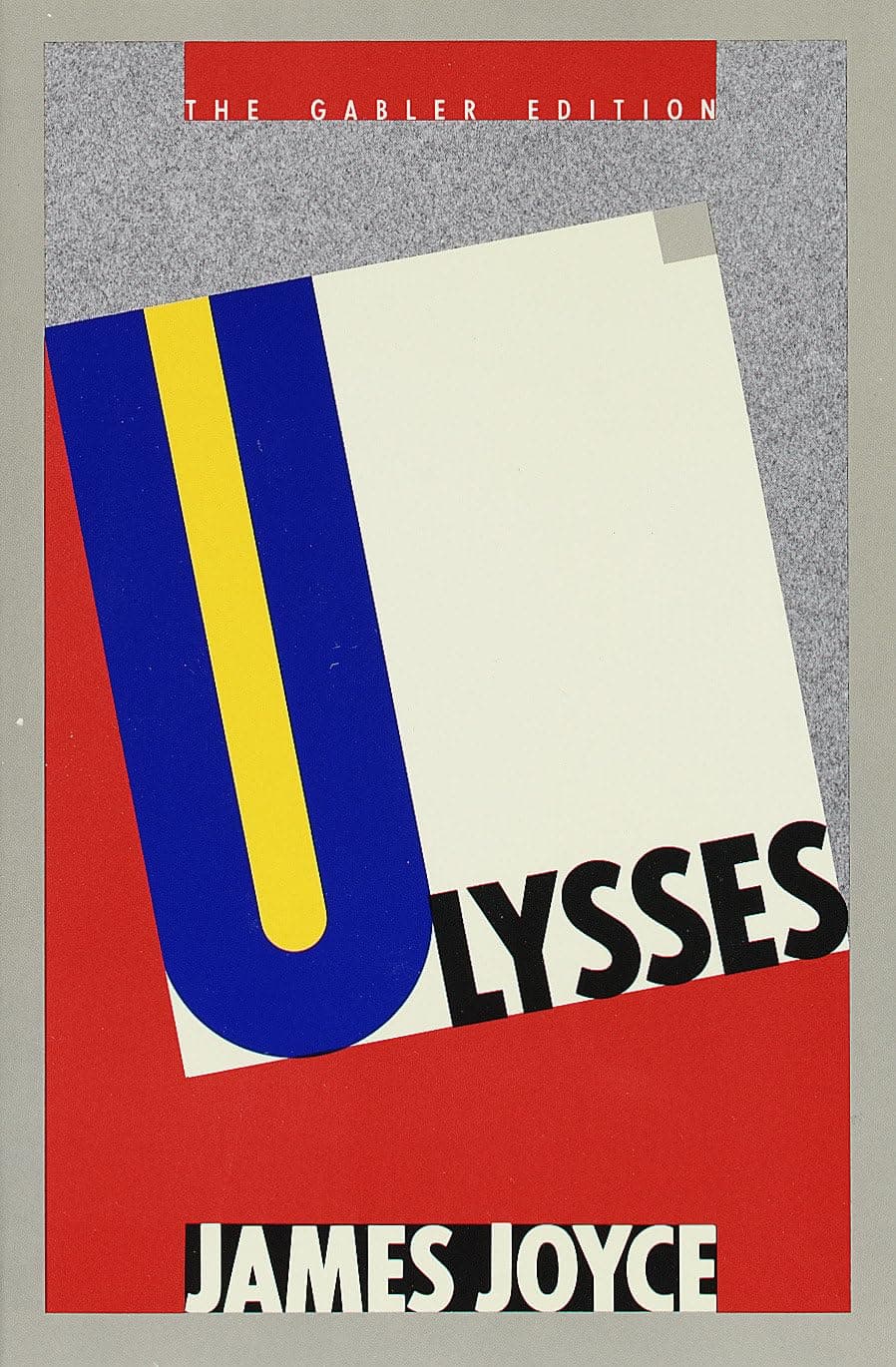 #1View Book
Ulysses
James Joyce
Challenging•35-40 hours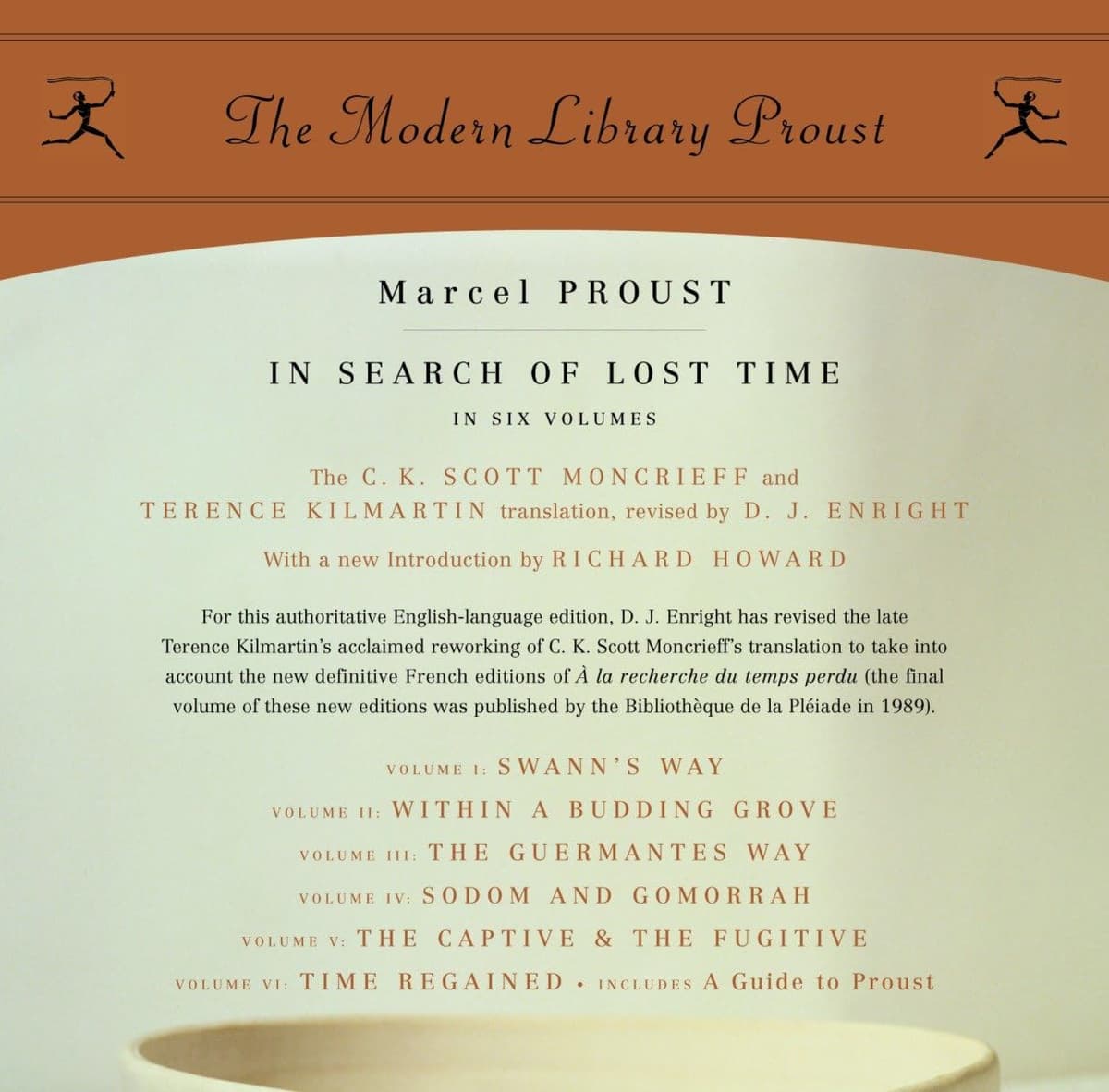 #2View Book
In Search of Lost Time
Marcel Proust
High•100+ hours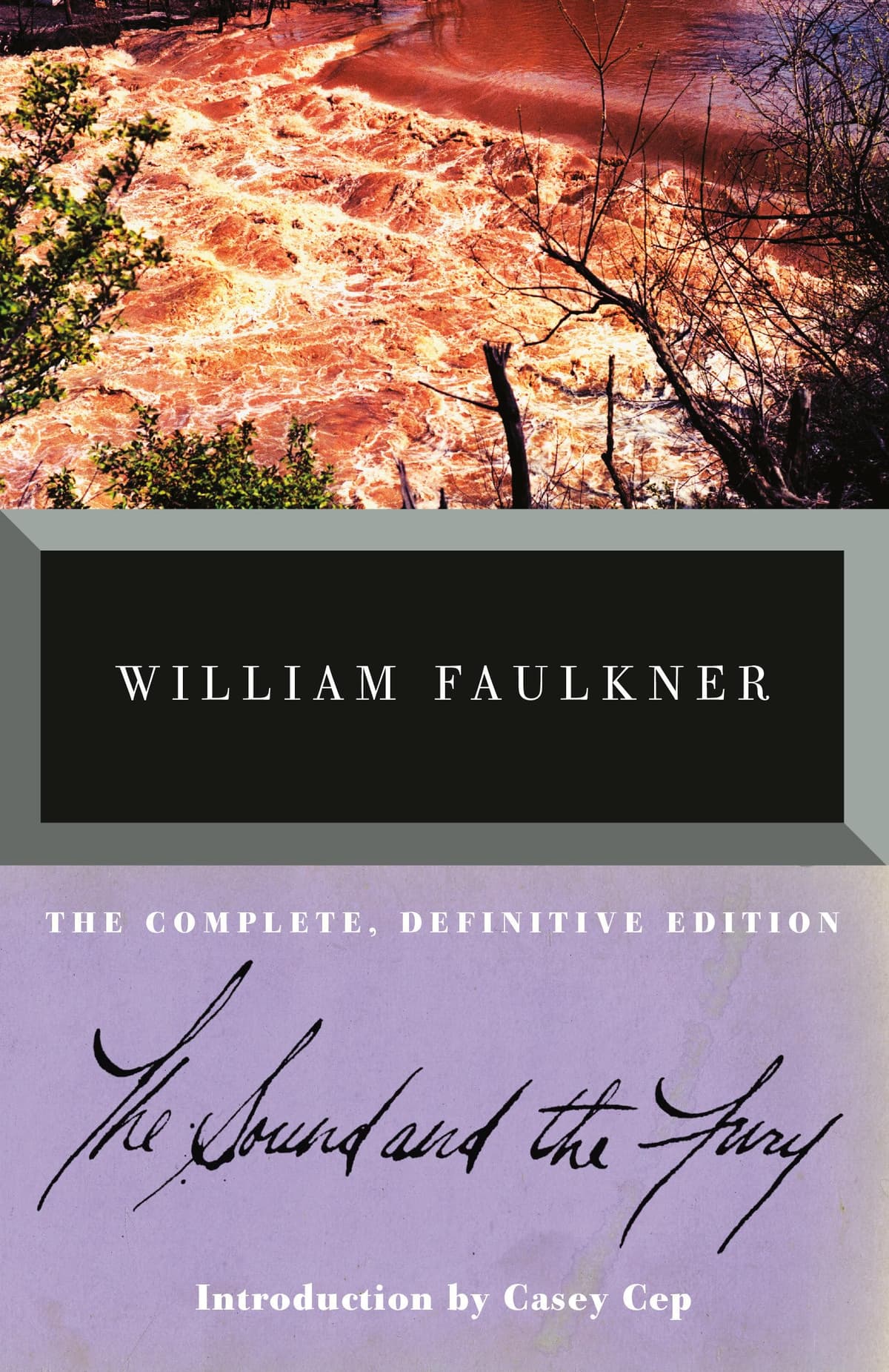 #8View Book
The Sound and the Fury
William Faulkner
Very High•12-15 hours #13View Book
Lolita
Vladimir Nabokov
Challenging•12-15 hours
Browse more collections