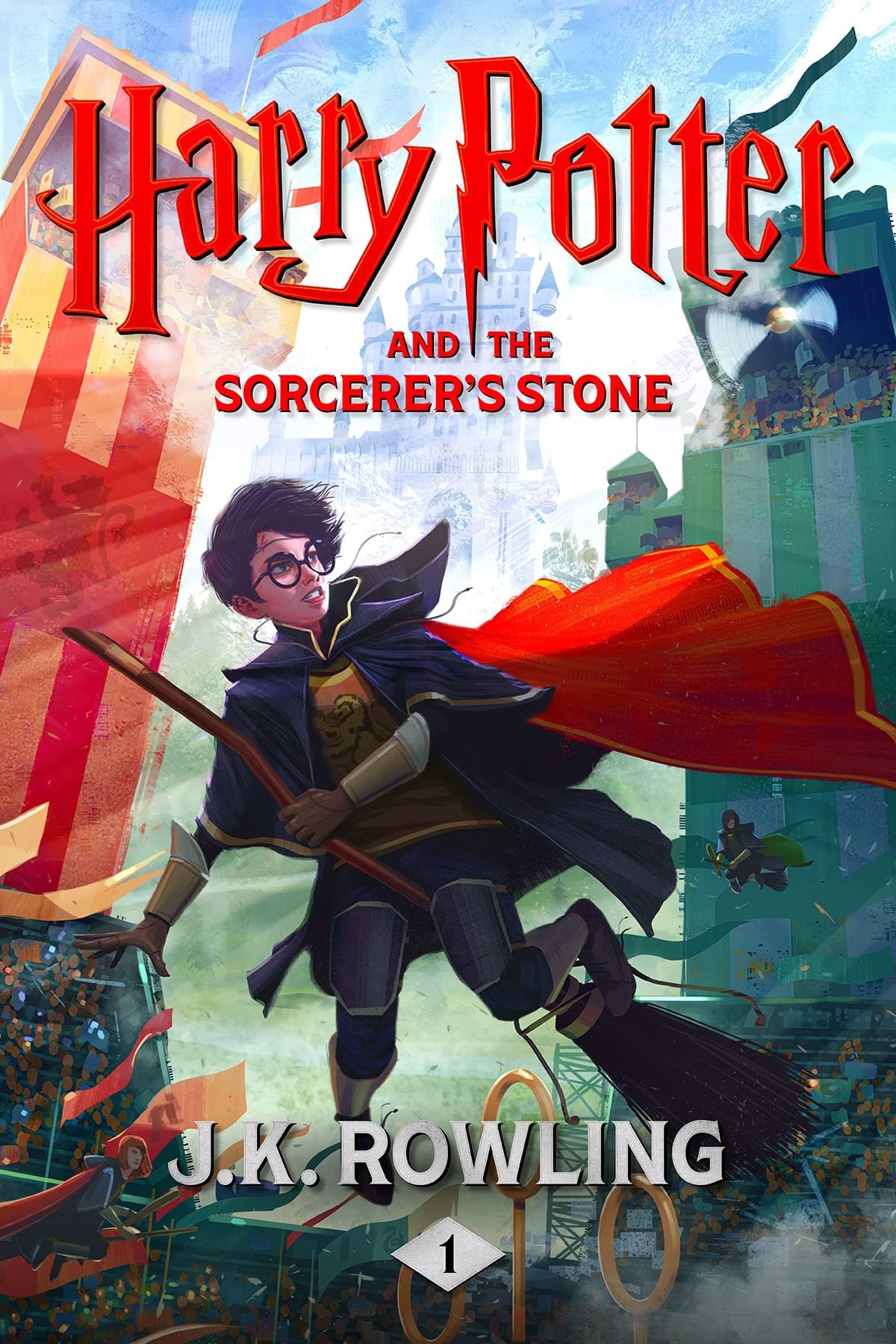
Harry Potter and the Philosopher's Stone
“It does not do to dwell on dreams and forget to live.”
Harry Potter and the Philosopher's Stone Summary
On his eleventh birthday, Harry Potter—a neglected orphan forced to sleep in a cupboard under the stairs at his cruel aunt and uncle's house—discovers that he is a wizard. A giant named Hagrid arrives with a letter of acceptance to Hogwarts School of Witchcraft and Wizardry, and Harry is swept from the dreary world of the Dursleys into a realm of enchantment—moving staircases, talking portraits, unicorns in forbidden forests, and a sport played on broomsticks. At Hogwarts, Harry makes his first true friends—the loyal Ron Weasley and the brilliant Hermione Granger—and discovers that he is famous in the wizarding world for having survived, as an infant, an attack by the dark lord Voldemort. As the school year unfolds, Harry and his friends unravel a mystery involving a three-headed dog, a forbidden corridor, and a magical stone that grants immortality.
J. K. Rowling's debut novel is a work of extraordinary imaginative generosity—a book that builds an entire world with the joyful inventiveness of a child at play, yet structures it with the precision of a master storyteller. Beneath the whimsy lies a serious moral architecture: the novel is about the choices that define us, the families we create when the ones we are given fail us, and the courage required to stand against evil even when you are small and frightened. It is the book that launched a global phenomenon, but its power lies not in its sales figures—it lies in the way it makes every reader, regardless of age, feel the magic of being chosen.
Why Read Harry Potter and the Philosopher's Stone?
There is a reason an entire generation defines itself by which Hogwarts house it belongs to. Rowling's first novel taps into something primal—the fantasy that you are special, that a letter will arrive to rescue you from the ordinary, that friendship and bravery can defeat the darkest forces. It is a book that teaches children about loyalty, sacrifice, and the importance of choosing what is right over what is easy, and it does so without a trace of condescension.
But you do not need to be a child to fall under its spell. The Philosopher's Stone is a marvel of plotting—every detail, from the mirror that shows your deepest desire to the enchanted chess set, serves double duty as entertainment and foreshadowing. Rowling writes with warmth, wit, and an instinct for wonder that makes even the most jaded adult reader remember what it felt like to believe in magic. It is the gateway to one of the great stories of our time.
About J. K. Rowling
J. K. Rowling (b. 1965) is a British novelist born in Yate, Gloucestershire. She studied French and Classics at the University of Exeter, and the idea for Harry Potter came to her on a delayed train from Manchester to London in 1990. She wrote much of the first novel as a single mother living on state benefits in Edinburgh, famously drafting chapters in local cafes while her infant daughter slept beside her. The manuscript was rejected by twelve publishers before Bloomsbury accepted it—reportedly on the advice of the chairman's eight-year-old daughter.
The publication of Harry Potter and the Philosopher's Stone in 1997 launched one of the most successful literary franchises in history. The seven-book series has sold over 600 million copies worldwide, been translated into eighty-five languages, and inspired a blockbuster film series. Rowling's achievement is not merely commercial—she reignited a global passion for reading among young people and demonstrated that children's literature could achieve the narrative complexity and moral seriousness of the finest adult fiction. She has also written crime fiction under the pseudonym Robert Galbraith.
Reading Guide
Ranked #241 among the greatest books of all time, Harry Potter and the Philosopher's Stone by J. K. Rowling has earned its place in the literary canon. Originally written in English and published in 1997, this accessible read from United Kingdom continues to resonate with readers today.
This book belongs to our Speculative Futures collection, where you can discover more books that share its spirit and themes.
If you enjoy accessible reads like this one, you might also like The Great Gatsby, The Catcher in the Rye, or Pride and Prejudice.
From the Speculative Futures Collection
If you enjoyed Harry Potter and the Philosopher's Stone, discover more masterpieces that share its spirit.
 #6View Book
Nineteen Eighty-Four
George Orwell
Moderate•8-10 hours #20View Book
The Trial
Franz Kafka
Moderate•8-10 hours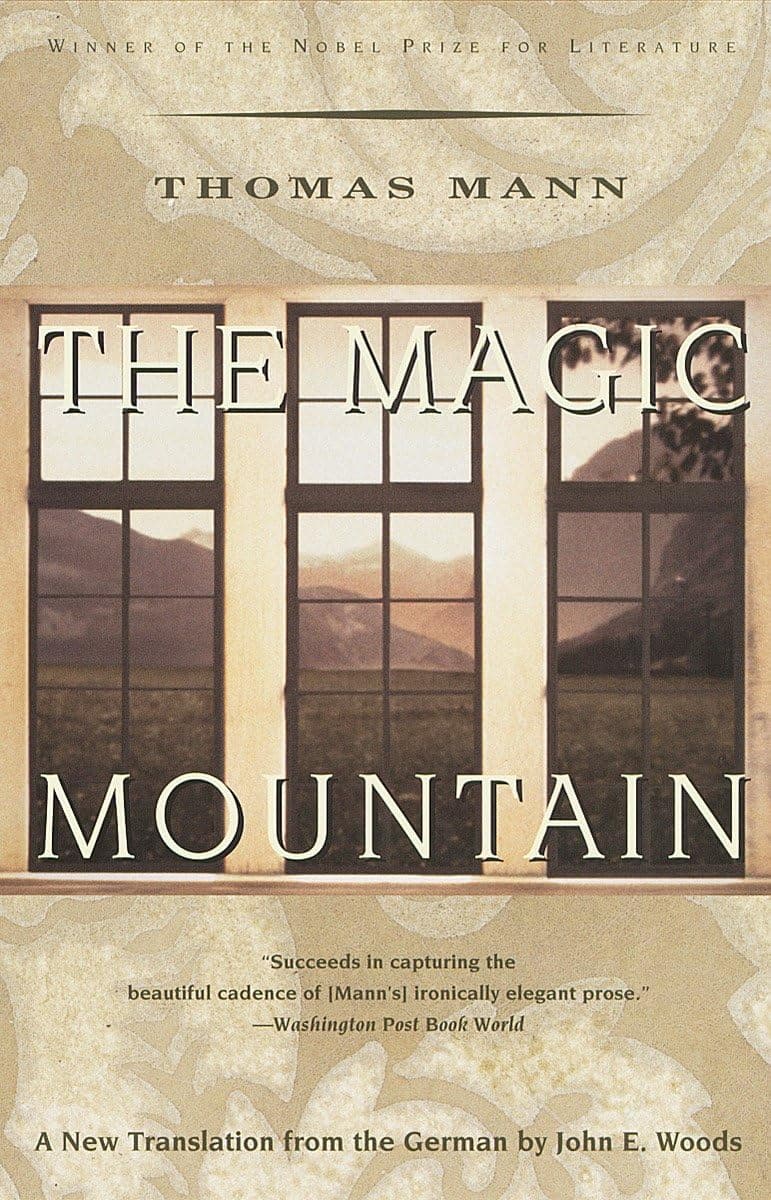 #27View Book
The Magic Mountain
Thomas Mann
High•30-35 hours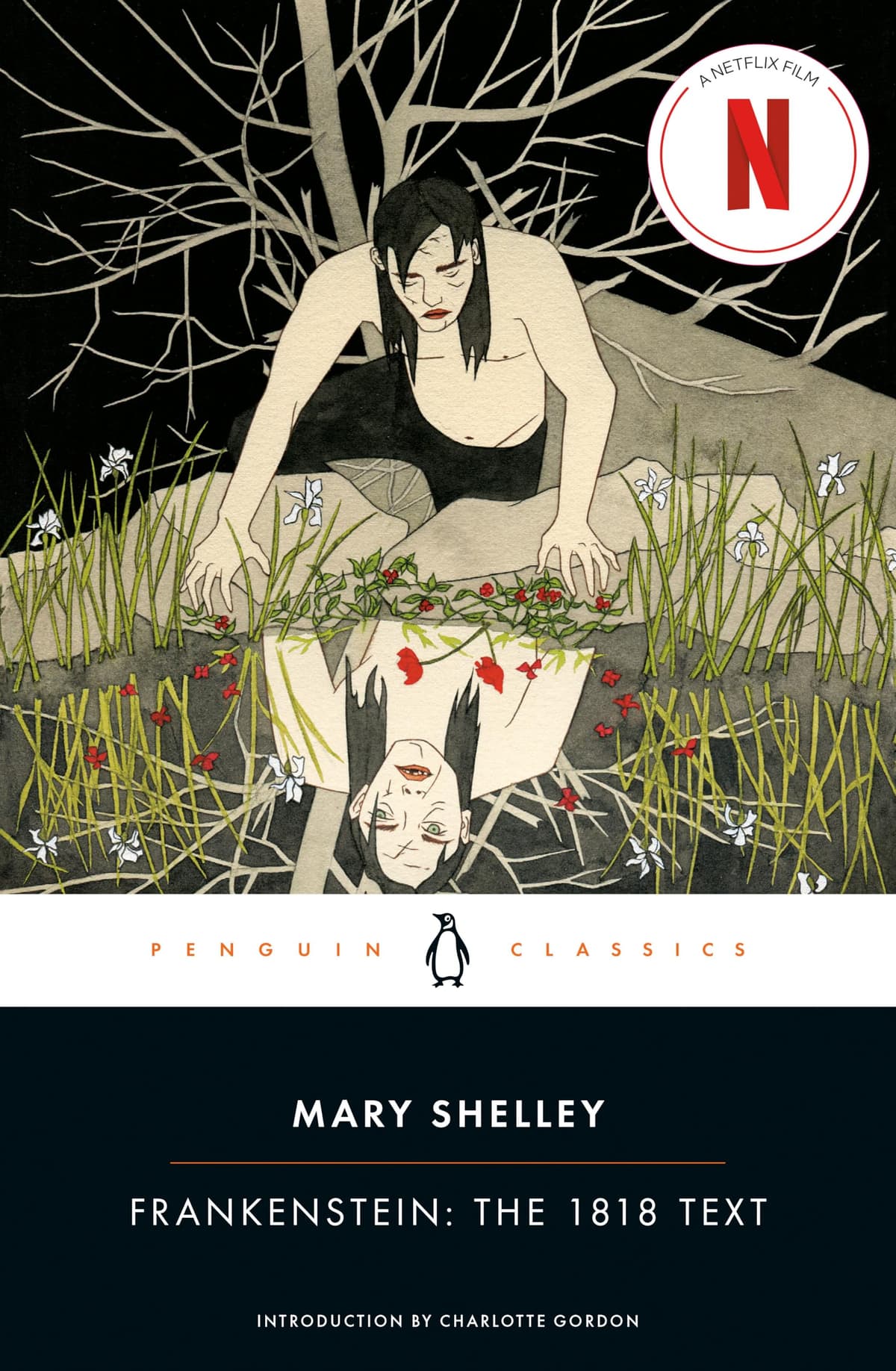 #41View Book
Frankenstein
Mary Shelley
Accessible•6-8 hours
Browse more collections