The Spy Who Came in From the Cold
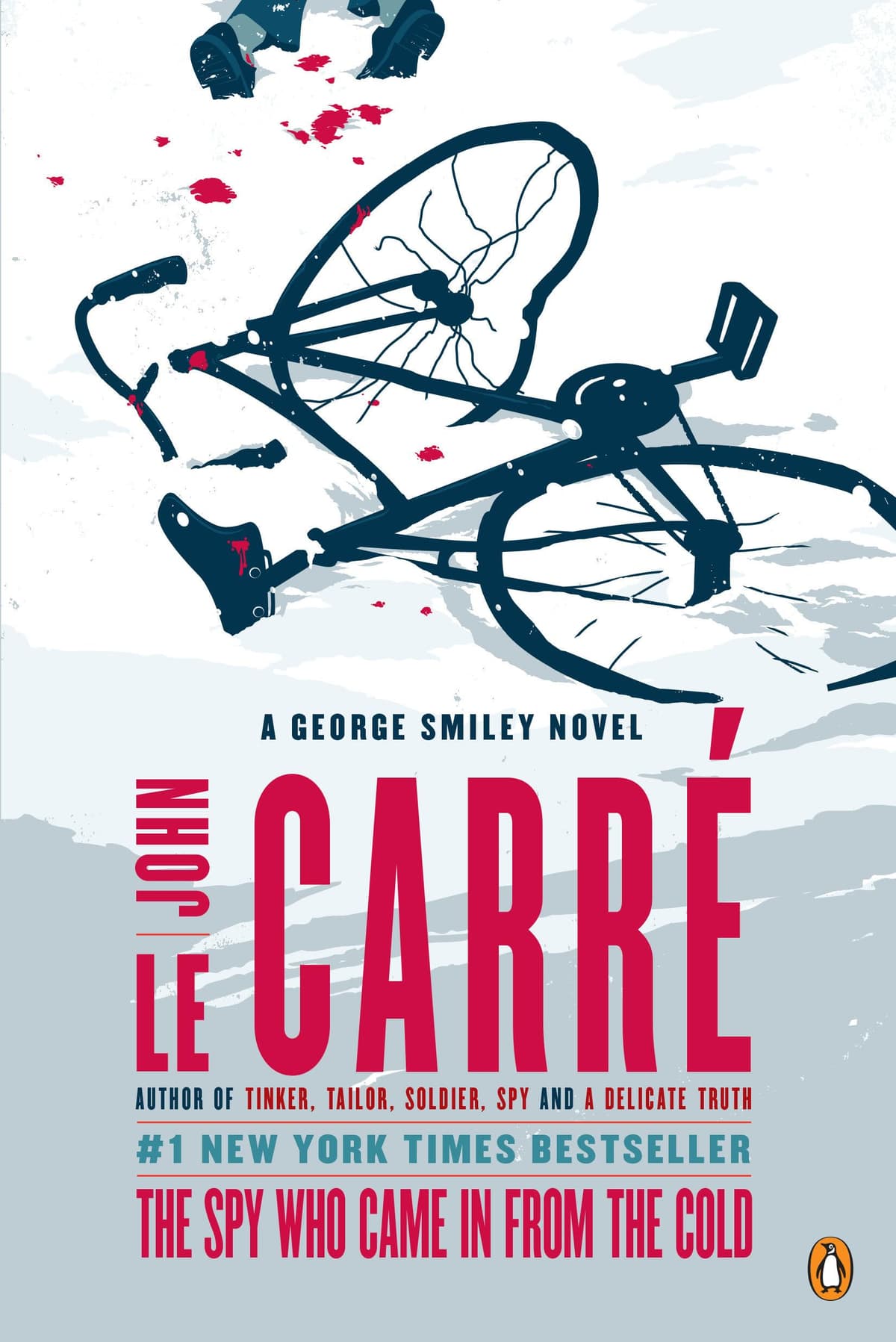
“What do you think spies are: priests, saints and martyrs? They're a squalid procession of vain fools, traitors too, yes; pansies, sadists and drunkards, people who play cowboys and Indians to brighten their rotten lives.”
The Spy Who Came in From the Cold Summary
Alec Leamas is fifty years old, burned out, and finished. The last of his agents in East Berlin has been shot at the Wall, and Control—the head of the Circus, Britain's secret intelligence service—has one final operation for him: a fake defection designed to destroy the head of East German intelligence, Hans-Dieter Mundt. Leamas agrees to let himself be "brought in from the cold," descending into a carefully orchestrated spiral of disgrace—dismissed from the service, drinking heavily, imprisoned for assaulting a grocer—until the East Germans take the bait. But as Leamas is drawn deeper into the labyrinth of the operation, interrogated by the brilliant Fiedler and confronted with the enigmatic Mundt, he begins to suspect that the truth of the mission is far uglier than he was told, and that he and everyone around him are pawns in a game whose rules he never understood.
Le Carre demolished the glamorous myth of espionage with this ice-cold masterpiece. There are no gadgets, no seductions, no martinis—only moral squalor, institutional betrayal, and the grinding human cost of the Cold War. The prose is lean and precise, the plotting immaculate, and the climax at the Berlin Wall is one of the most devastating endings in modern fiction. The novel asks a question that still haunts: what is the difference between us and them, if we use the same methods and sacrifice the same innocents?
Why Read The Spy Who Came in From the Cold?
Forget everything James Bond taught you about espionage. Le Carre's masterpiece reveals the spy's world as it truly is—not glamorous but grubby, not heroic but morally catastrophic. Alec Leamas is one of the great antiheroes of modern fiction: exhausted, cynical, yet possessed of a stubborn decency that the machinery of intelligence will exploit and ultimately destroy. The novel moves with the remorseless logic of a closing trap, and its final pages will leave you devastated.
What makes this book endure beyond its Cold War setting is its piercing interrogation of institutional power and individual conscience. Le Carre forces you to confront an uncomfortable truth: that democracies, in the name of protecting freedom, can commit acts as ruthless as the tyrannies they oppose. It is a novel about the human wreckage left behind when nations play their great games—and about the terrible moment when a man realizes he has been used.
About John le Carré
John le Carre, born David John Moore Cornwell (1931–2020), was a British novelist who transformed the spy thriller from pulp entertainment into serious literature. Educated at the University of Bern, Lincoln College Oxford, he taught at Eton before joining the British Foreign Office, serving in MI5 and MI6 during the Cold War. His intelligence career ended when his cover was blown by the double agent Kim Philby.
Le Carre published The Spy Who Came in From the Cold in 1963, and its instant, enormous success allowed him to write full-time. Over the next six decades, he produced a body of work—including Tinker Tailor Soldier Spy, The Honourable Schoolboy, Smiley's People, The Constant Gardener, and A Most Wanted Man—that constitutes the richest and most morally searching exploration of espionage in literature. His creation George Smiley is one of fiction's most enduring characters. Le Carre was widely regarded as the greatest spy novelist of all time.
Reading Guide
Ranked #240 among the greatest books of all time, The Spy Who Came in From the Cold by John le Carré has earned its place in the literary canon. Originally written in English and published in 1963, this moderate read from United Kingdom continues to resonate with readers today.
This book belongs to our Gothic & Dark and Society & Satire collections, where you can discover more books that share its spirit and themes.
If you enjoy moderate reads like this one, you might also like One Hundred Years of Solitude, Nineteen Eighty-Four, or Wuthering Heights.
From the Gothic & Dark Collection
If you enjoyed The Spy Who Came in From the Cold, discover more masterpieces that share its spirit.
 #15View Book
Wuthering Heights
Emily Brontë
Moderate•10-12 hours #29View Book
Jane Eyre
Charlotte Brontë
Accessible•15-20 hours #41View Book
Frankenstein
Mary Shelley
Accessible•6-8 hours #44View Book
Absalom, Absalom!
William Faulkner
Very High•12-15 hours
Browse more collections