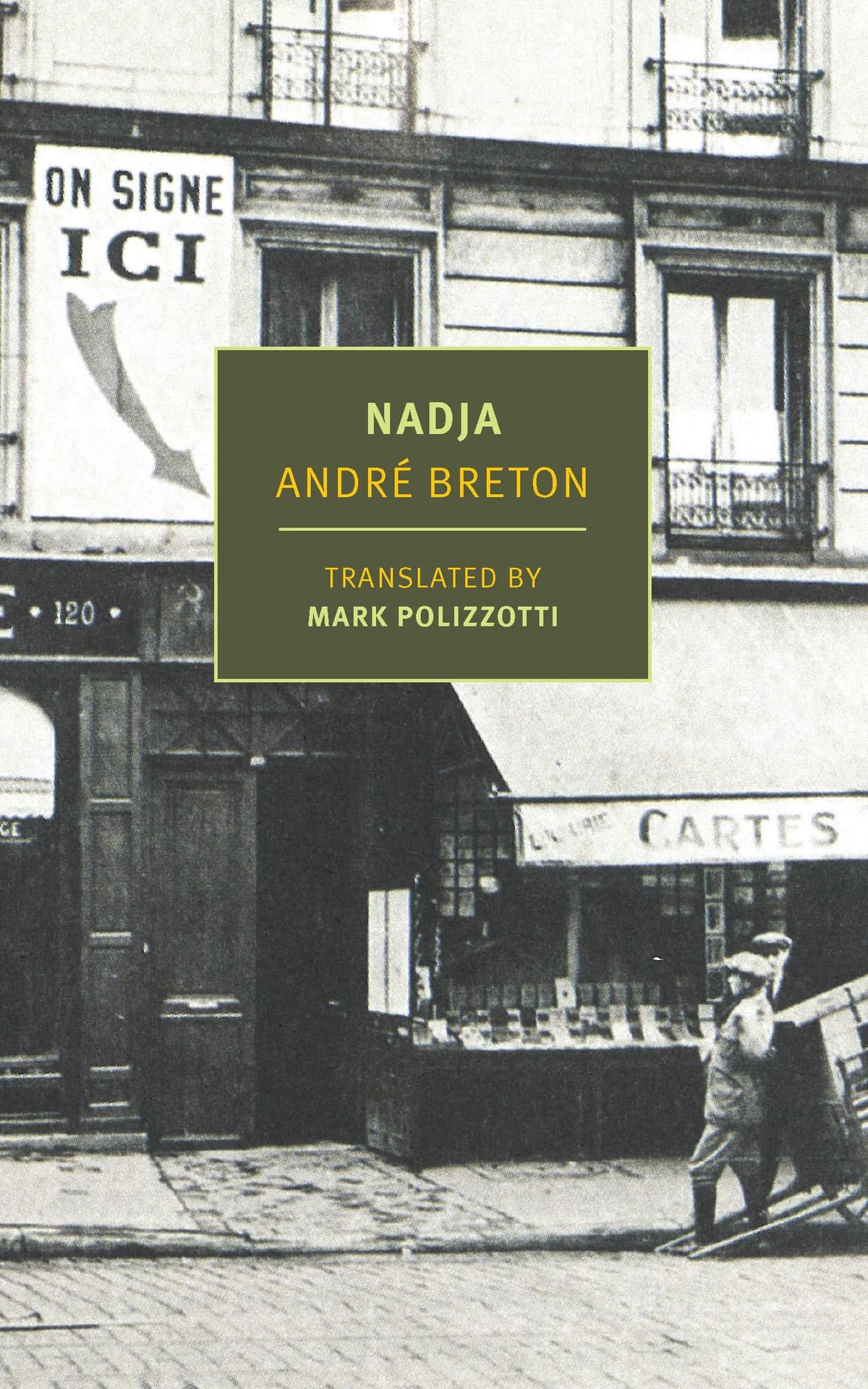
Nadja
“Beauty will be CONVULSIVE or will not be at all.”
Nadja Summary
Nadja is a book that refuses to behave like a book. Part memoir, part manifesto, part hallucinatory love story, it follows Andre Breton through the streets of Paris as he pursues a chance encounter with a mysterious young woman who calls herself Nadja. She appears at a cafe, drifts through the city like a ghost, draws strange prophetic sketches, and speaks in riddles that seem to unlock hidden corridors of reality. Breton is mesmerized—not by romance in any conventional sense, but by Nadja's apparent access to a deeper layer of existence, a realm where coincidence is destiny and the marvelous hides in plain sight behind the facades of ordinary life. He follows her through the Marche aux Puces, to the statue of Etienne Dolet, past shuttered hotels and flickering neon, mapping a secret Paris that exists only for those willing to surrender to chance. But Nadja is fragile, and the book traces her descent toward madness with a disquieting mix of fascination and detachment.
Andre Breton's most celebrated work is the founding text of Surrealist literature, a radical experiment in dismantling the boundaries between life and art, sanity and inspiration, the real and the marvelous. Illustrated with photographs, drawings, and found images that function not as illustrations but as evidence, Nadja proposes that everyday reality is saturated with mystery for those who know how to look. Its influence on subsequent literature, from the Situationists to W. G. Sebald's photo-texts, has been enormous. Yet the book also contains an uncomfortable tension: Breton's aestheticization of Nadja's mental illness raises questions about who benefits when male artists romanticize female suffering—questions the text itself, perhaps unwittingly, invites.
Why Read Nadja?
Nadja will change the way you walk through a city. After reading it, you will find yourself noticing coincidences, following strangers, pausing at the corners of unfamiliar streets with the sudden conviction that something significant is about to happen. Breton's great achievement is not the story he tells but the state of consciousness he induces—a heightened receptivity to the hidden poetry of everyday life, the marvelous that lurks behind the mundane. The book reads like a fever dream narrated by someone who is perfectly lucid, and its mix of photographs, drawings, and prose creates an experience that no purely textual work can replicate.
This is the essential Surrealist text, the one that most fully embodies the movement's ambition to transform perception itself. But you do not need to care about Surrealism to be haunted by Nadja. Anyone who has ever been captivated by a stranger, who has followed a hunch down an unknown street, who has felt that the surface of ordinary life is paper-thin and something stranger presses against it from the other side, will recognize what Breton is describing. The book is short, intense, and genuinely strange—a doorway into a way of seeing that, once opened, cannot be entirely closed again.
About André Breton
Andre Breton was born in 1896 in Tinchebray, Normandy, and trained as a psychiatrist before the horrors of World War I turned him permanently toward art and revolution. Working in a neurological ward during the war, he encountered the techniques of free association that would become central to Surrealism. He moved to Paris, immersed himself in Dada, and in 1924 published the first Surrealist Manifesto, declaring the supremacy of the unconscious mind and the marvelous over bourgeois rationality. He became the movement's undisputed leader—and its fiercest gatekeeper, excommunicating members with papal authority.
Breton's influence on twentieth-century culture is incalculable. As the architect of Surrealism, he shaped not only literature but visual art, cinema, and political thought, forging alliances with painters from Max Ernst to Frida Kahlo and engaging in fierce debates with the Communist Party. His major works include Nadja, Mad Love, and Communicating Vessels, all of which blur the boundaries between autobiography, philosophy, and poetry. He spent the war years in exile in New York and the Caribbean before returning to Paris, where he continued to champion the marvelous until his death in 1966. Breton remains one of the most consequential literary figures of the twentieth century, a man who insisted that poetry was not a genre but a way of living.
Reading Guide
Ranked #378 among the greatest books of all time, Nadja by André Breton has earned its place in the literary canon. Originally written in French and published in 1928, this challenging read from France continues to resonate with readers today.
This book belongs to our Modern Mind and Love & Loss collections, where you can discover more books that share its spirit and themes.
If you enjoy challenging reads like this one, you might also like Ulysses, Moby-Dick, or Lolita.
From the Modern Mind Collection
If you enjoyed Nadja, discover more masterpieces that share its spirit.
 #1View Book
Ulysses
James Joyce
Challenging•35-40 hours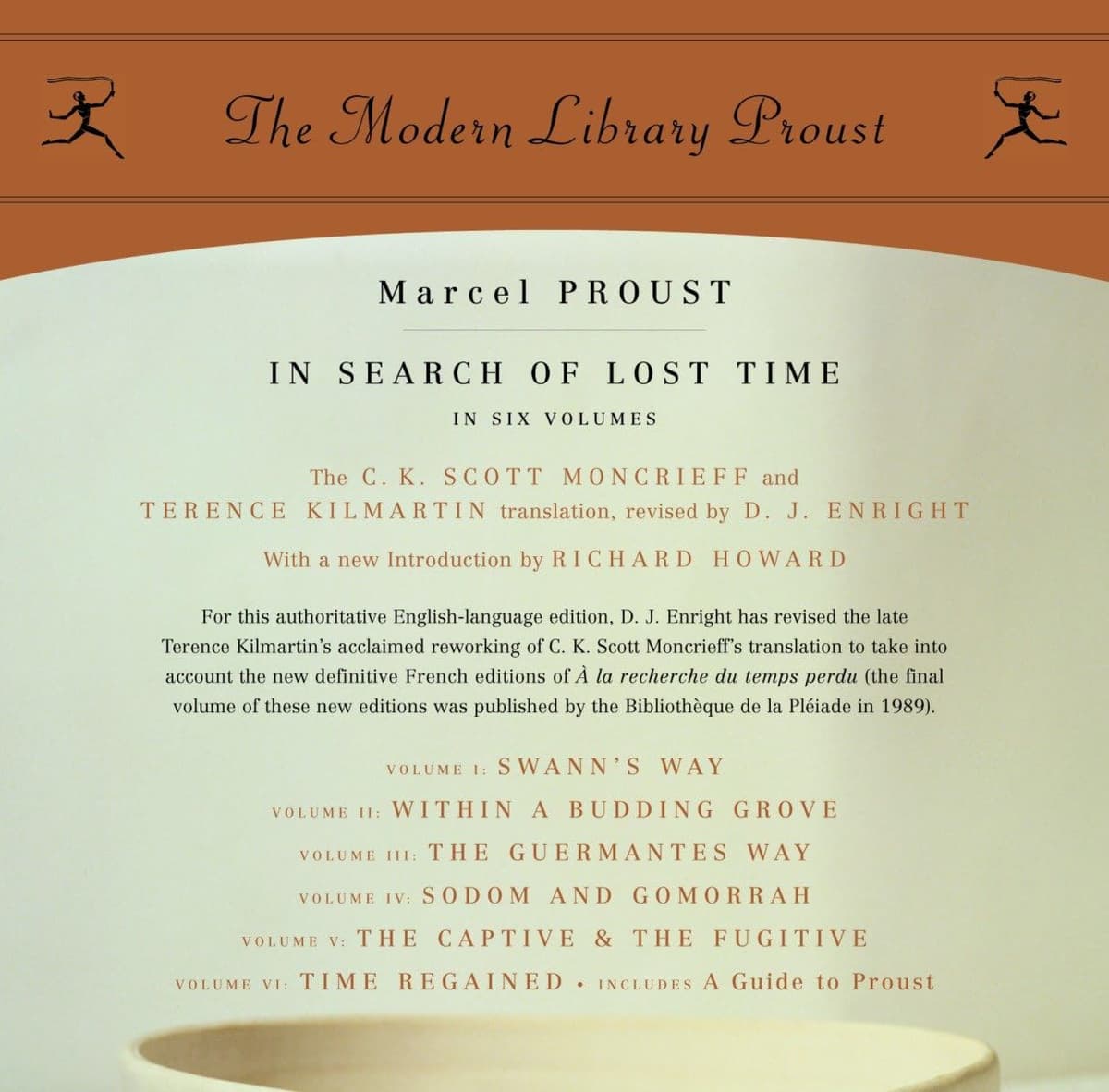 #2View Book
In Search of Lost Time
Marcel Proust
High•100+ hours #8View Book
The Sound and the Fury
William Faulkner
Very High•12-15 hours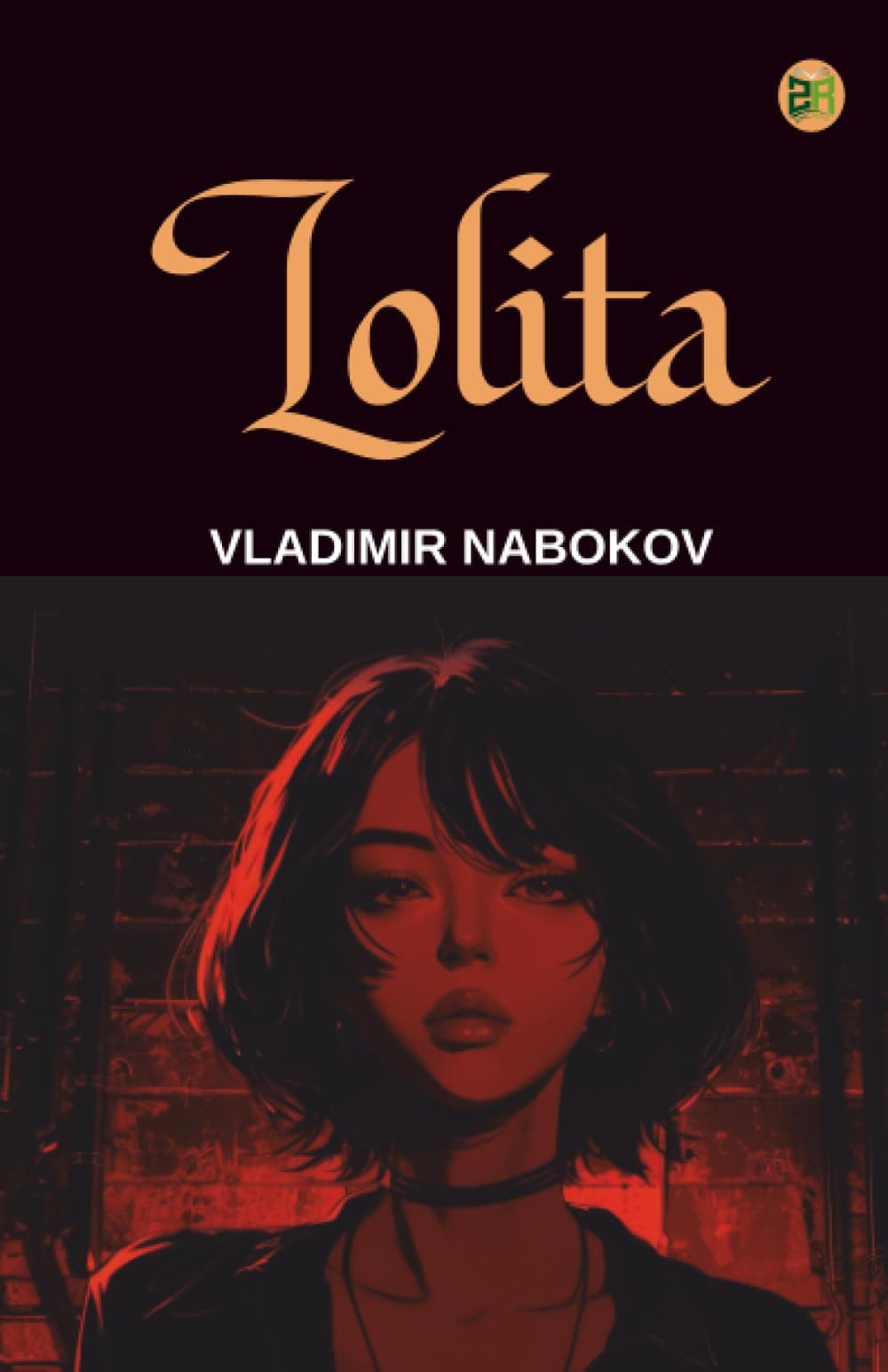 #13View Book
Lolita
Vladimir Nabokov
Challenging•12-15 hours
Browse more collections