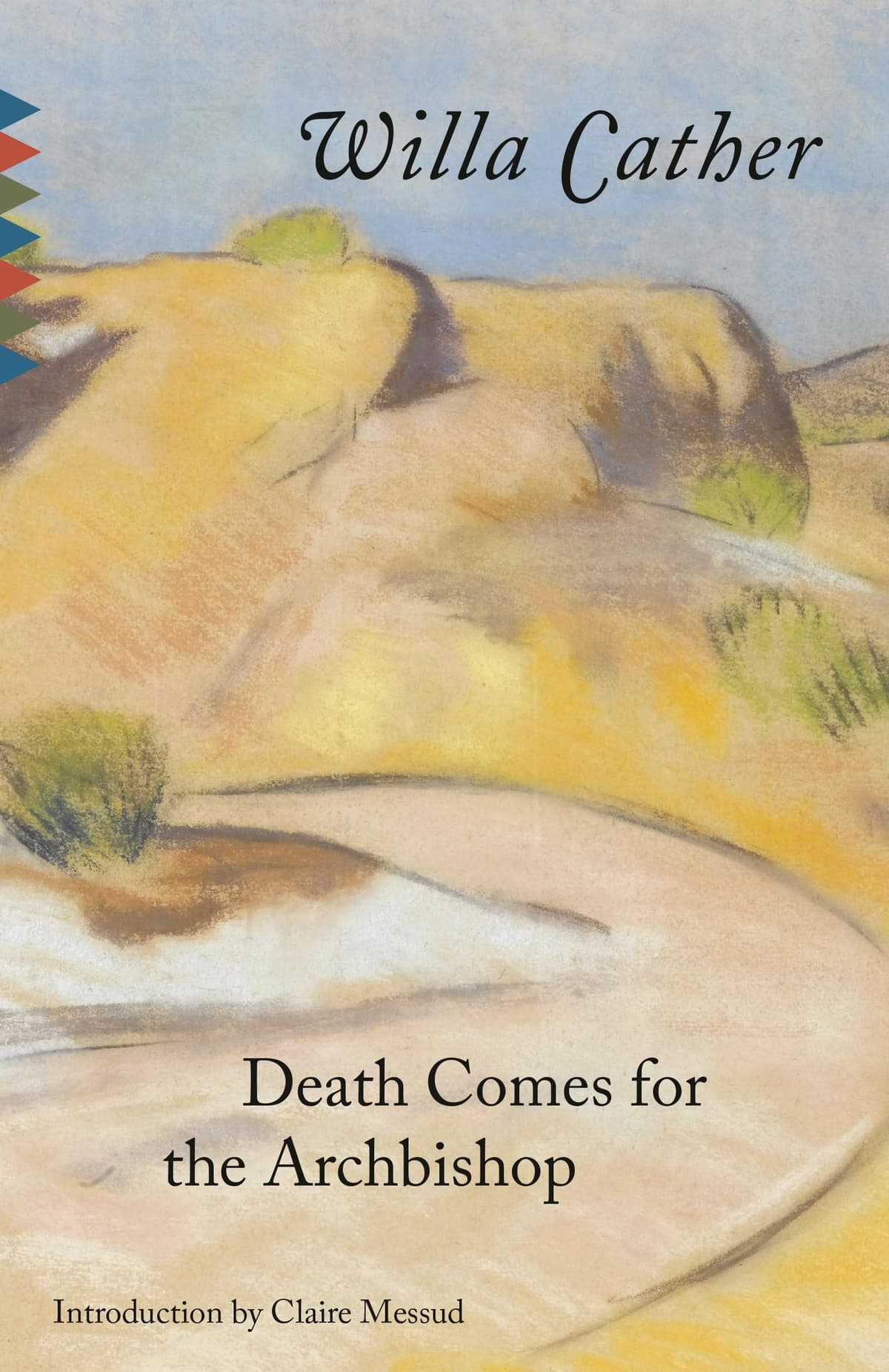
The Moonstone
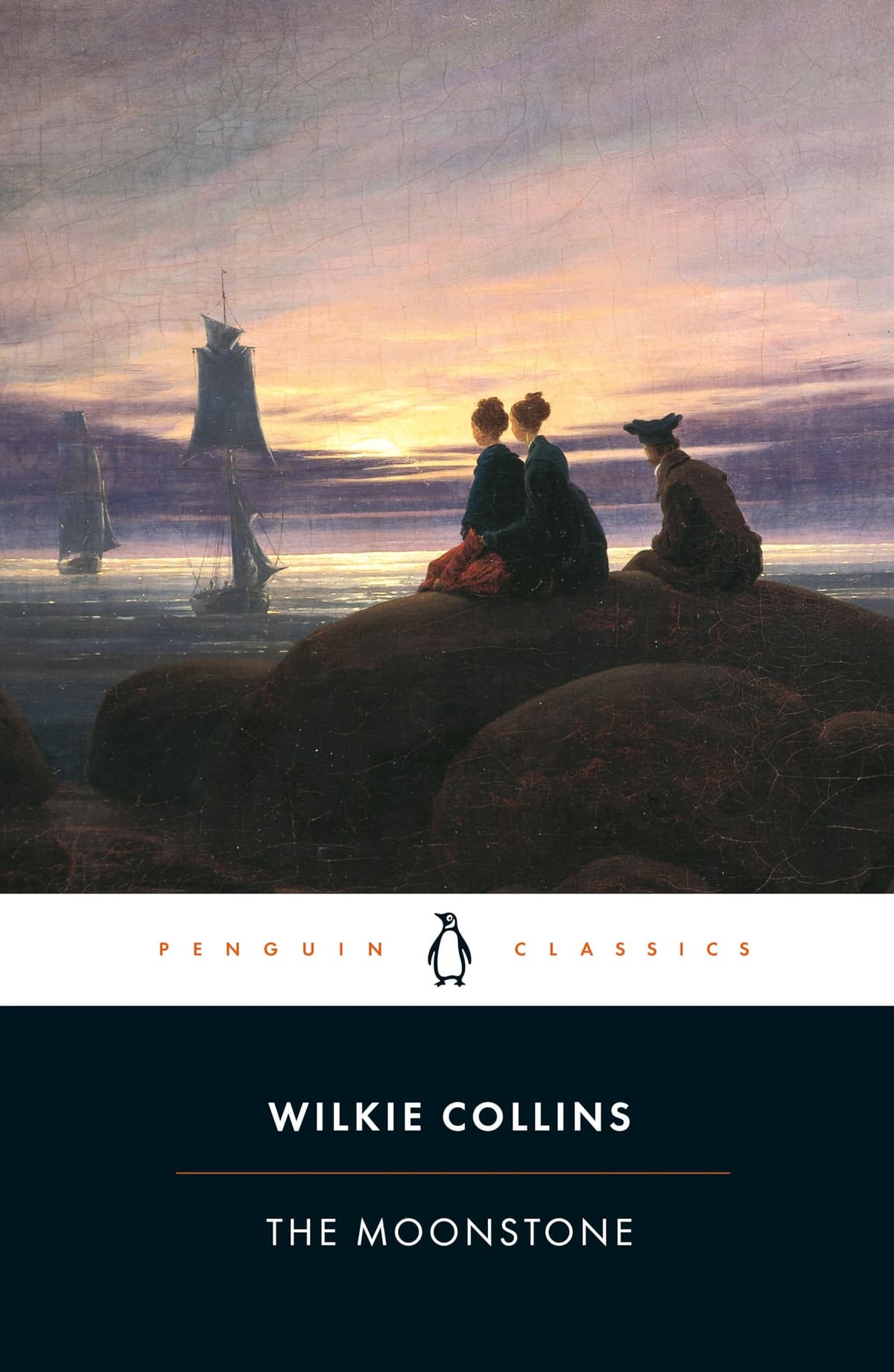
“When you looked down into the stone, you looked into a yellow deep that drew your eyes into it so that they saw nothing else.”
The Moonstone Summary
When the fabulous Moonstone diamond—a sacred yellow gem plundered from the forehead of an Indian idol during the siege of Seringapatam—vanishes from the bedroom of Rachel Verinder on the night of her eighteenth birthday, it sets in motion a labyrinthine investigation that entangles an entire household in suspicion, secrecy, and scandal. The story unfolds through a brilliantly orchestrated succession of narrators: the loyal but opinionated house steward Gabriel Betteredge, who consults Robinson Crusoe as an oracle; the pious hypocrite Miss Clack, who distributes religious tracts with missionary zeal; the lovesick solicitor Mr. Bruff; and the coolly scientific Sergeant Cuff, whose deductive methods and passion for rose gardening anticipate Sherlock Holmes by two decades. Each narrator sees the mystery from a different angle, each is blind to what the others perceive, and the full truth emerges only when all their testimonies are assembled.
Widely regarded as the first full-length detective novel in English, The Moonstone is a marvel of construction and one of the great pleasures of Victorian fiction. Collins weaves together colonial guilt, the perils of opium addiction, evangelical hypocrisy, and the constraints placed on women into a plot that clicks together with the precision of a Swiss watch. The multiple narrative voices create a richly textured comedy of perspective, and the novel's treatment of the three Indian Brahmins who track the stolen diamond across England introduces questions about empire and cultural theft that remain startlingly contemporary. T. S. Eliot called it the first and greatest of English detective novels, and its influence runs through every mystery story written since.
Why Read The Moonstone?
The Moonstone is where detective fiction begins, and it remains one of the most purely enjoyable novels ever written in English. Collins is a master of suspense who keeps you turning pages with the same breathless urgency readers felt in 1868, but the book's pleasures extend far beyond plot mechanics. Each narrator is a fully realized comic creation—Betteredge with his Robinson Crusoe fetish, Miss Clack with her pamphlets, Sergeant Cuff with his roses—and their competing perspectives create a portrait of Victorian society that is both affectionate and sharply satirical. You will laugh out loud, you will guess wrong, and you will not be able to stop reading.
But The Moonstone is more than a clever puzzle. Beneath the mystery lies a serious meditation on the consequences of empire—the diamond itself is stolen plunder, and the novel quietly insists that such theft carries a curse that reverberates through generations. Collins was one of the most progressive writers of his era, and his treatment of gender, addiction, and cultural difference remains remarkably modern. If you love mysteries, this is the headwater from which the entire genre flows. If you love great fiction, this is a book that earns its place alongside Dickens and Trollope.
About Wilkie Collins
William Wilkie Collins was born in London in 1824, the son of the landscape painter William Collins. He studied law but never practiced, choosing instead to pursue a literary career that would make him one of the most popular novelists of the Victorian age. His lifelong friendship and collaboration with Charles Dickens profoundly shaped both writers, and Collins contributed major works to Dickens's journals Household Words and All the Year Round. He maintained unconventional domestic arrangements, living openly with two women in separate households and fathering three children, scandalizing Victorian society.
Collins virtually invented the sensation novel with The Woman in White (1859), whose publication caused a cultural phenomenon, and consolidated his achievement with The Moonstone (1868), widely considered the first detective novel in English. He was a master of intricate plotting, multiple narration, and the slow revelation of secrets, and his influence can be traced through Arthur Conan Doyle, Agatha Christie, and every mystery writer since. A lifelong sufferer of gout, Collins became increasingly dependent on laudanum in his later years, and his later novels declined in quality. He died in 1889, and while his reputation was eclipsed by Dickens for much of the twentieth century, he is now recognized as one of the great innovators of English fiction.
Reading Guide
Ranked #377 among the greatest books of all time, The Moonstone by Wilkie Collins has earned its place in the literary canon. Originally written in English and published in 1868, this moderate read from United Kingdom continues to resonate with readers today.
This book belongs to our Society & Satire and Gothic & Dark collections, where you can discover more books that share its spirit and themes.
If you enjoy moderate reads like this one, you might also like One Hundred Years of Solitude, Nineteen Eighty-Four, or Wuthering Heights.
From the Society & Satire Collection
If you enjoyed The Moonstone, discover more masterpieces that share its spirit.
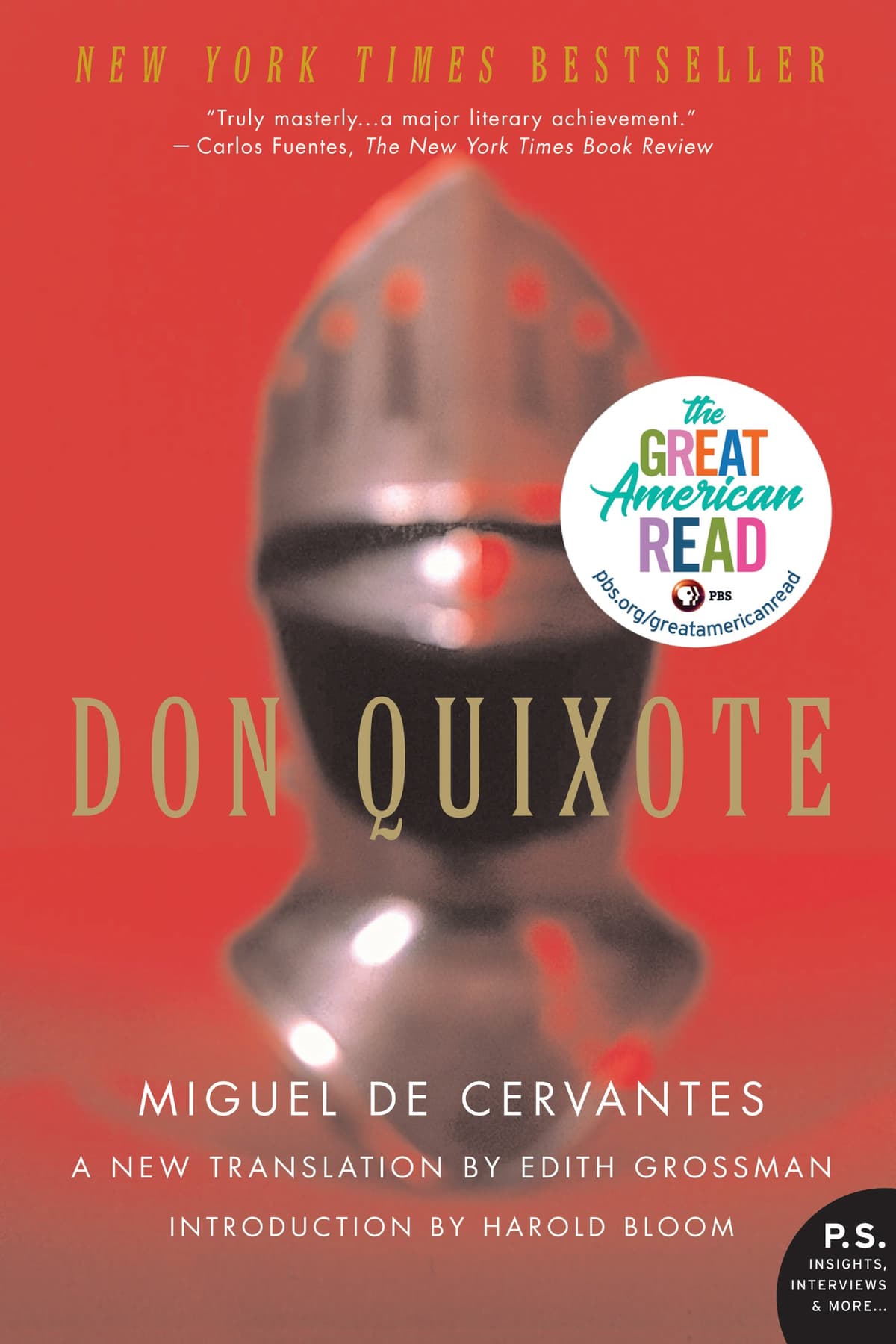 #9View Book
Don Quixote
Miguel de Cervantes
High•35-40 hours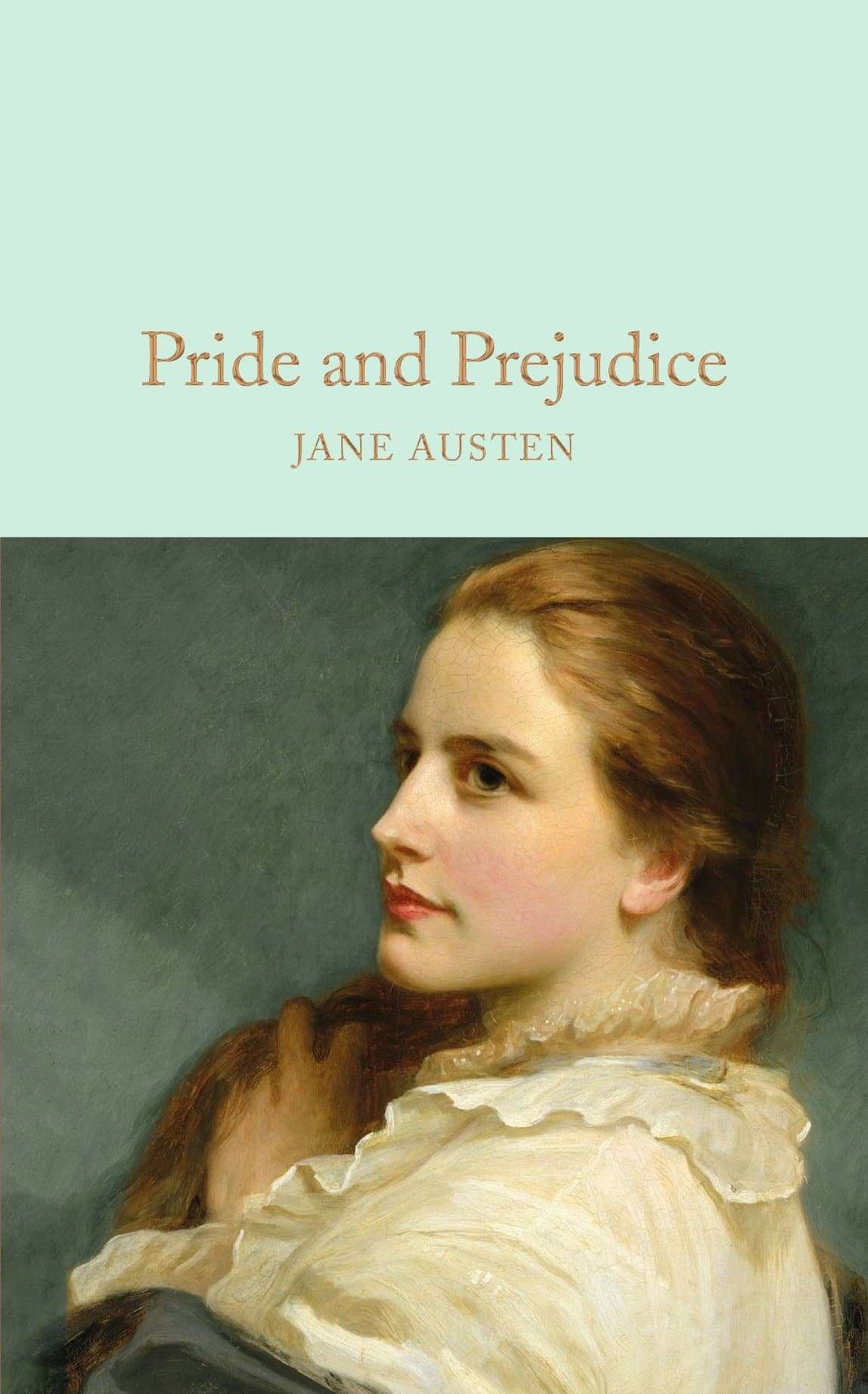 #12View Book
Pride and Prejudice
Jane Austen
Accessible•10-12 hours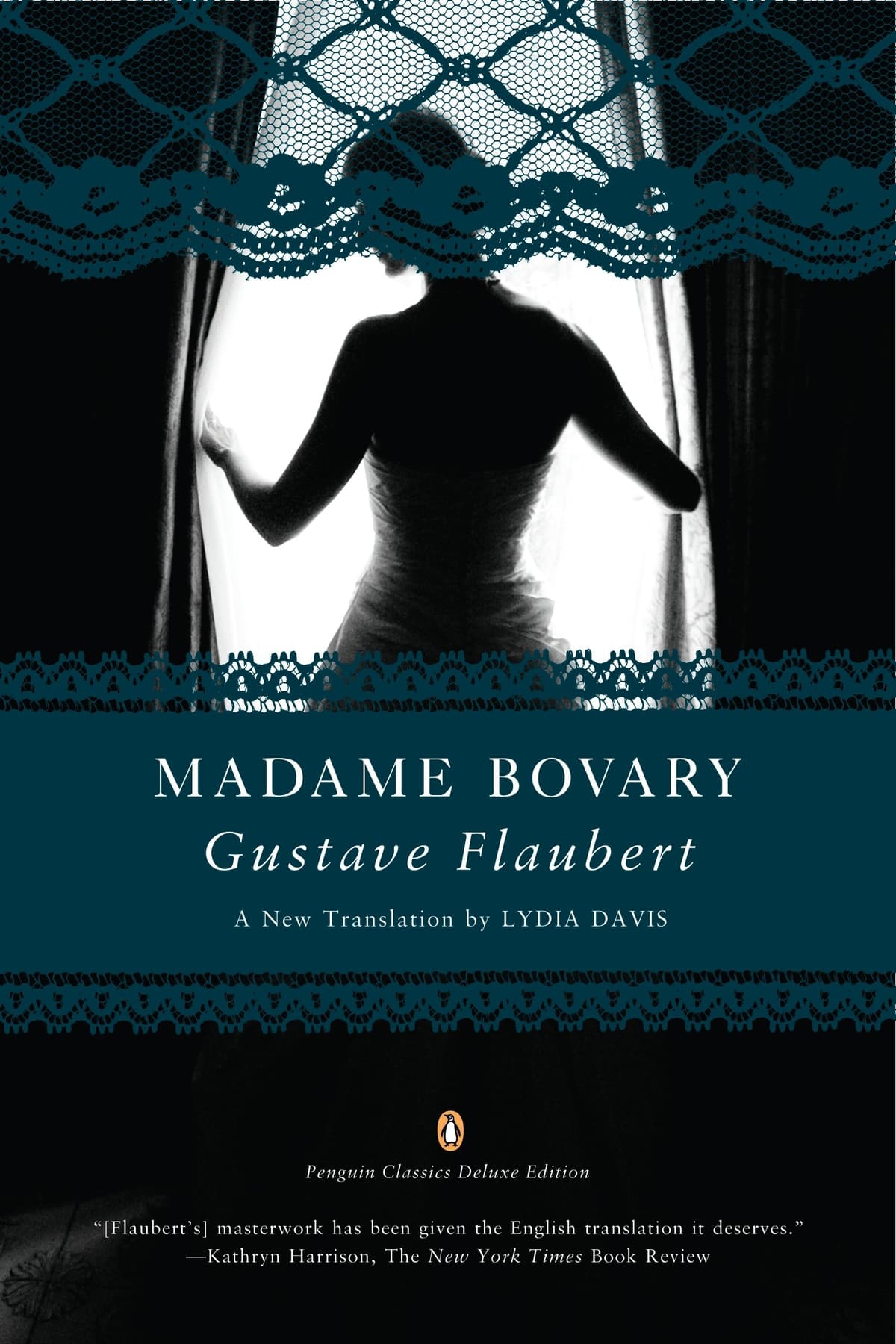 #22View Book
Madame Bovary
Gustave Flaubert
Moderate•12-15 hours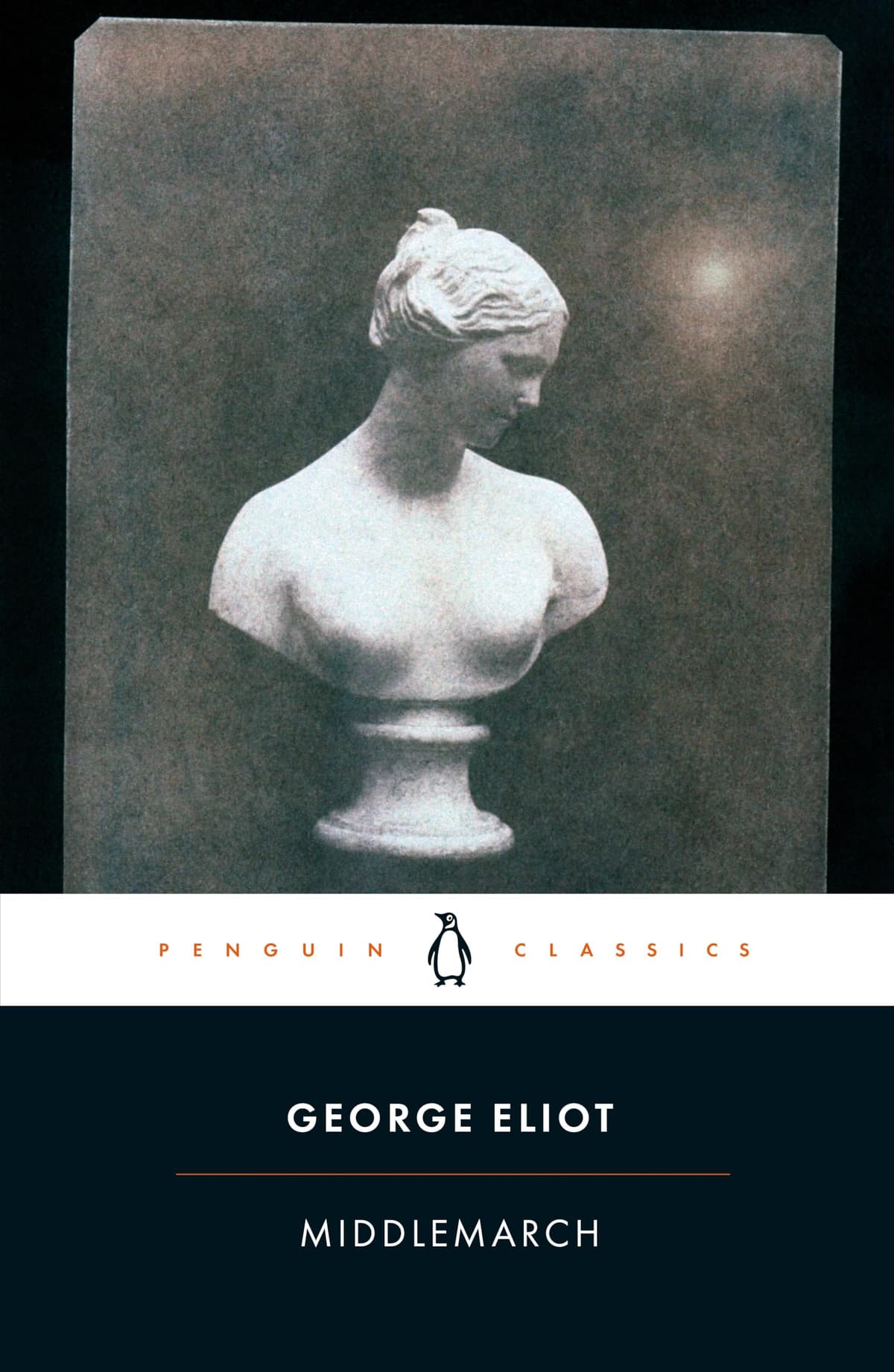 #30View Book
Middlemarch
George Eliot
High•30-35 hours
Browse more collections