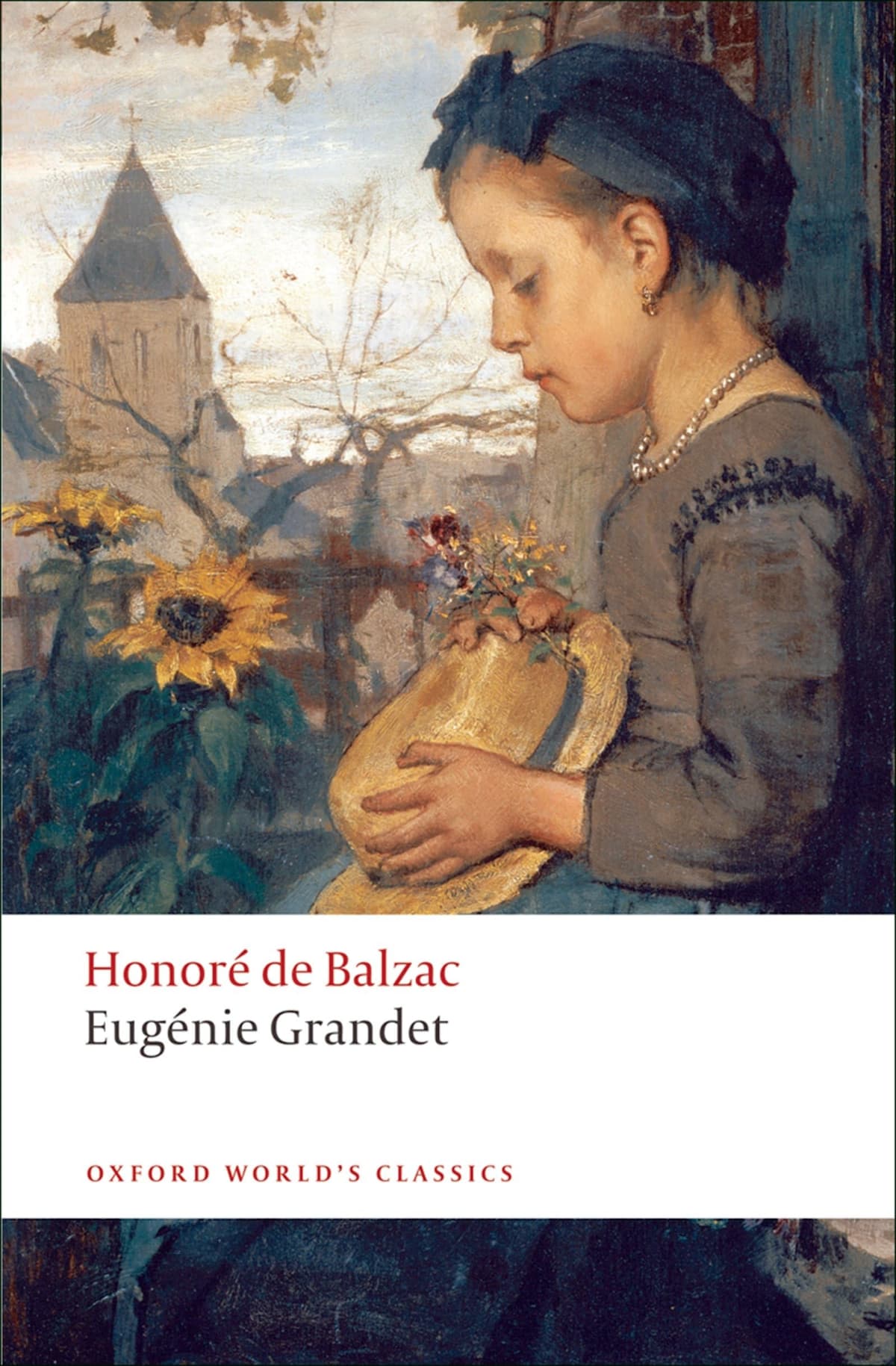
Eugenie Grandet
“The more one judges, the less one loves.”
Eugenie Grandet Summary
In the provincial town of Saumur in early nineteenth-century France, old Felix Grandet rules his household with an iron grip born of fanatical miserliness. A former cooper who amassed an immense fortune through shrewd dealings during the Revolution, Grandet hoards his wealth with a monomaniacal devotion that has reduced his wife and daughter Eugenie to lives of austere deprivation in a crumbling, freezing house. They wear threadbare clothes, eat meager meals, and endure his tyranny in passive silence. Into this suffocating world arrives Charles Grandet, the old man's nephew from Paris, a fashionable, naive young man who has just learned that his father has gone bankrupt and committed suicide. Eugenie, who has known nothing of love or the world, falls passionately in love with her cousin, secretly giving him her precious hoard of gold coins to fund his departure to the Indies to seek his fortune. When old Grandet discovers the gift, his fury is volcanic, and the consequences for Eugenie and her frail mother are devastating. Years pass, Eugenie waits faithfully, her father dies leaving her one of the richest women in France, and Charles returns, but not as the man she loved.
Eugenie Grandet is one of the central novels of Balzac's vast Human Comedy and among the finest studies of avarice and its destruction of human feeling in all of literature. Balzac depicts the miser not as a comic figure but as a terrifying force of nature, a man whose passion for gold has consumed every other human capacity, love, pity, decency, leaving behind only an insatiable hunger. Against this portrait of monstrous selfishness, Eugenie's quiet devotion and self-sacrifice shine with an almost saintly light, yet Balzac is too honest a novelist to sentimentalize her. Her goodness, formed in deprivation and sustained through betrayal, carries its own kind of tragedy. The novel is a masterclass in the realist depiction of how money shapes character, corrodes relationships, and determines the fates of individuals and families across generations.
Why Read Eugenie Grandet?
Eugenie Grandet is the ideal entry point into Balzac's vast Human Comedy, compact enough to read in a few sittings yet containing in miniature the full range of his genius: the forensic attention to money and social class, the psychological depth of his character portraits, and the almost physical intensity with which he renders the material textures of a world. Old Grandet is one of the great monsters of fiction, and watching him count his gold, terrorize his family, and calculate his advantage in every human interaction is an experience at once horrifying and perversely compelling. You will never forget him.
You should read this novel because it reveals, with unflinching clarity, how the worship of money deforms every human relationship it touches. Eugenie's story is heartbreaking precisely because Balzac refuses to offer her the conventional rewards of romantic fiction. Her love is real, her sacrifice genuine, and her reward a lifetime of solitary wealth that brings her no happiness. If you have ever wondered why the realist novel matters, Eugenie Grandet provides the answer: it makes you see the world as it is, not as you wish it to be, and in doing so it develops your capacity for moral understanding.
About Honoré de Balzac
Honore de Balzac was born in 1799 in Tours, France, the son of a civil servant who had risen from peasant origins. Educated at boarding schools where he was largely neglected, he went to Paris to study law but abandoned it for literature, enduring years of poverty, failed business ventures, and crushing debt that would pursue him throughout his life. He wrote pseudonymous potboilers before finding his voice with Les Chouans in 1829 and achieving his first great success with La Peau de chagrin in 1831. From that point forward, he wrote with an almost superhuman intensity, fueled by prodigious quantities of coffee, often working eighteen hours a day.
Balzac's monumental achievement is the Human Comedy, a vast interconnected series of over ninety novels and stories that together form a comprehensive portrait of French society from the Revolution to the July Monarchy. Works including Pere Goriot, Lost Illusions, Cousin Bette, and Eugenie Grandet established him as the supreme realist novelist, a writer whose attention to the material conditions of life, the mechanics of money, ambition, and social climbing, created the template for the modern novel. His influence on subsequent writers, including Dickens, Dostoevsky, Proust, and Henry James, is immeasurable. He married his longtime correspondent Ewelina Hanska just five months before his death in 1850, at the age of fifty-one, worn out by decades of relentless labor. His funeral was attended by Victor Hugo, who declared that his name would be counted among the greatest of his country.
Reading Guide
Ranked #498 among the greatest books of all time, Eugenie Grandet by Honoré de Balzac has earned its place in the literary canon. Originally written in French and published in 1833, this moderate read from France continues to resonate with readers today.
This book belongs to our Society & Satire and Love & Loss collections, where you can discover more books that share its spirit and themes.
If you enjoy moderate reads like this one, you might also like One Hundred Years of Solitude, Nineteen Eighty-Four, or Wuthering Heights.
From the Society & Satire Collection
If you enjoyed Eugenie Grandet, discover more masterpieces that share its spirit.
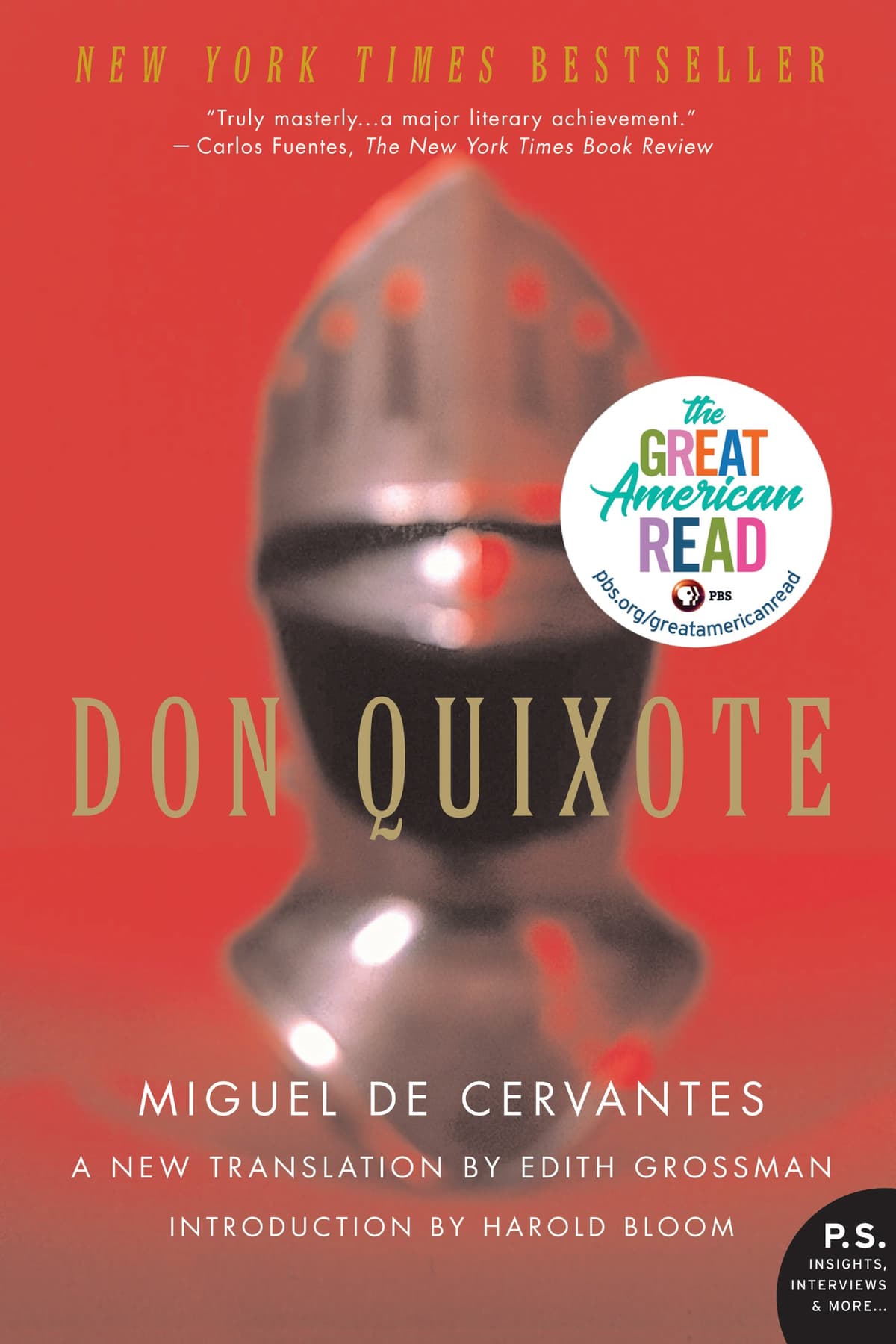 #9View Book
Don Quixote
Miguel de Cervantes
High•35-40 hours #12View Book
Pride and Prejudice
Jane Austen
Accessible•10-12 hours #22View Book
Madame Bovary
Gustave Flaubert
Moderate•12-15 hours #30View Book
Middlemarch
George Eliot
High•30-35 hours
Browse more collections