The Golden Ass
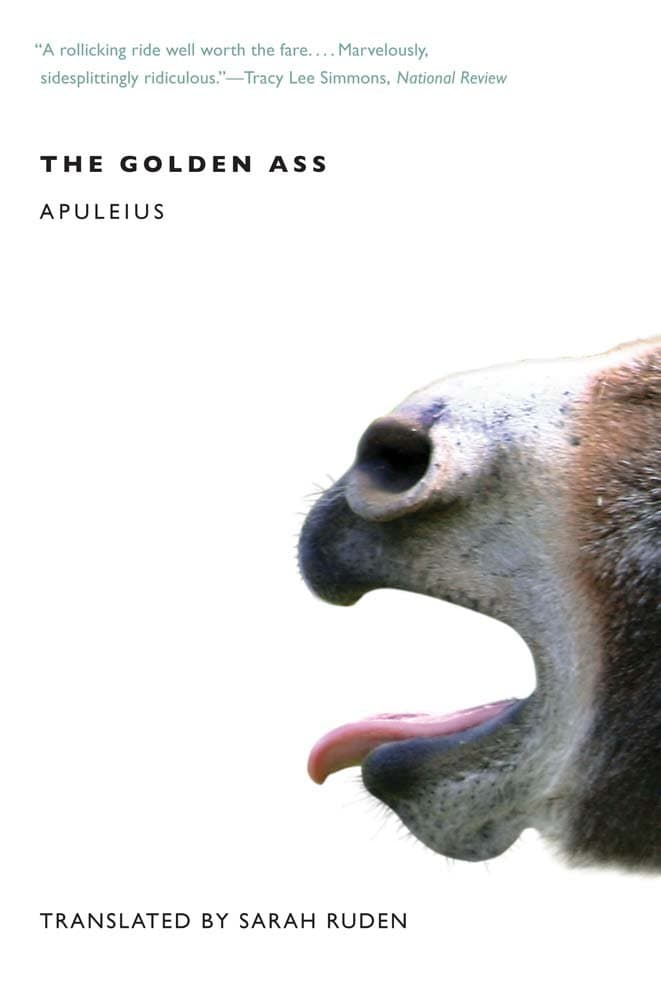
“For I would have you know that you are now in Thessaly, the land where the witchcraft of the world has its origin.”
The Golden Ass Summary
The Golden Ass follows the misadventures of Lucius, a young man of good family whose insatiable curiosity about magic leads to his accidental transformation into a donkey. Traveling in Thessaly, a region notorious for witchcraft, Lucius persuades the servant girl Fotis to let him try one of her mistress's magical ointments, but the wrong jar is used and he is turned not into an owl but into an ass. To reverse the spell, he needs only to eat roses, but this simple remedy proves maddeningly elusive as he is stolen by bandits, sold from owner to owner, beaten, starved, overworked, and subjected to every indignity the ancient world can devise. In his asinine form, Lucius witnesses the full spectrum of human behavior, from cruelty and depravity to tenderness and devotion. The novel is studded with interpolated tales, the most famous being the exquisite story of Cupid and Psyche, in which a mortal girl must undertake impossible tasks to win back the love of a god. At last, the goddess Isis appears to Lucius in a vision, and he is restored to human form through her divine intervention, dedicating himself to her worship.
The Golden Ass, also known as Metamorphoses, is the only complete Latin novel to survive from antiquity and one of the most remarkable works of ancient literature. Written by Apuleius in the second century CE, it is a picaresque narrative of astonishing range, encompassing comedy, horror, eroticism, satire, mythology, and spiritual revelation. The embedded tale of Cupid and Psyche has become one of the foundational myths of Western literature, endlessly reinterpreted in art, literature, and psychology. The novel's movement from comic degradation to spiritual transcendence anticipates narrative patterns that would later appear in Augustine's Confessions and countless works of Christian and secular literature. Its frank depiction of sexuality, its mordant social satire, and its ultimate vision of divine grace make it a work of startling modernity, a novel that feels as fresh and subversive today as it must have in the age of the Antonines.
Why Read The Golden Ass?
The Golden Ass is one of the great surprises of ancient literature: a novel written nearly two thousand years ago that reads with the energy, humor, and narrative inventiveness of the best modern fiction. If you imagine classical literature as stately and decorous, this book will shatter that assumption. It is bawdy, violent, funny, grotesque, and ultimately deeply moving, a wild picaresque ride through the ancient Mediterranean that culminates in a vision of spiritual transformation. The embedded tale of Cupid and Psyche alone is worth the price of admission, one of the most beautiful love stories ever written and a myth that has shaped Western art and psychology for centuries.
You should read The Golden Ass because it reminds you that the fundamental concerns of literature, the hunger for experience, the consequences of curiosity, the search for meaning in a chaotic world, are as old as civilization itself. Apuleius wrote about a man trapped in the wrong body, desperate to recover his true form, and the resonance of that premise has only deepened with time. The novel is also a panoramic portrait of the ancient world from the bottom up, seen through the eyes of a beast of burden who witnesses humanity at its worst and, finally, at its most sublime. It is the ancestor of Rabelais, Cervantes, and every picaresque novel that followed.
About Apuleius
Apuleius was born around 124 CE in Madauros, a Roman colony in North Africa in what is now Algeria. He studied at Carthage and Athens, traveled widely throughout the ancient world, and was initiated into several mystery cults, experiences that would deeply inform his literary and philosophical work. He was a charismatic public speaker and philosopher who attracted both admirers and enemies. Most famously, he was put on trial for winning the affections of a wealthy older widow, Pudentilla, with her family alleging he had used magic to seduce her. His defense speech, the Apologia, survives and provides a vivid self-portrait of a learned, witty, and somewhat vain man who was utterly at home in the intellectual culture of the Roman Empire.
Apuleius's literary legacy rests primarily on The Golden Ass, the only Latin novel to survive complete from antiquity. The work's influence on Western literature is vast, extending from the late Roman period through the Renaissance and into modern fiction. The tale of Cupid and Psyche, embedded within the novel, became one of the most frequently retold myths in Western art and literature, inspiring works by writers from Boccaccio to C.S. Lewis and artists from Raphael to Canova. Apuleius was also a significant Platonic philosopher whose works on Plato's thought were widely read in the Middle Ages. His unique combination of philosophical seriousness and narrative exuberance makes him one of the most distinctive voices to survive from the ancient world.
Reading Guide
Ranked #499 among the greatest books of all time, The Golden Ass by Apuleius has earned its place in the literary canon. Originally written in Latin and published in 158, this moderate read from Roman Empire continues to resonate with readers today.
This book belongs to our Epics collection, where you can discover more books that share its spirit and themes.
If you enjoy moderate reads like this one, you might also like One Hundred Years of Solitude, Nineteen Eighty-Four, or Wuthering Heights.
From the Epics Collection
If you enjoyed The Golden Ass, discover more masterpieces that share its spirit.
 #1View Book
Ulysses
James Joyce
Challenging•35-40 hours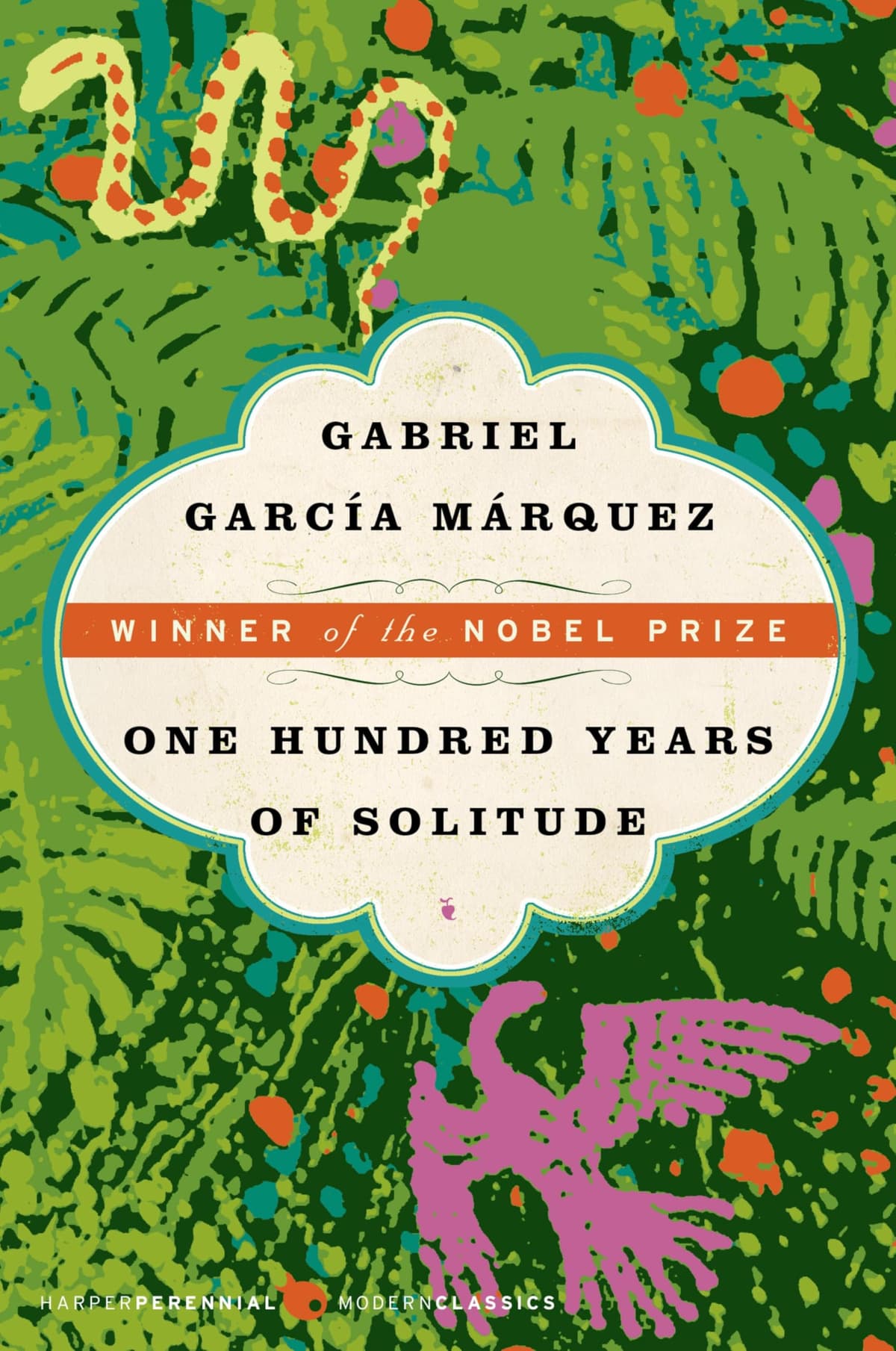 #5View Book
One Hundred Years of Solitude
Gabriel García Márquez
Moderate•15-20 hours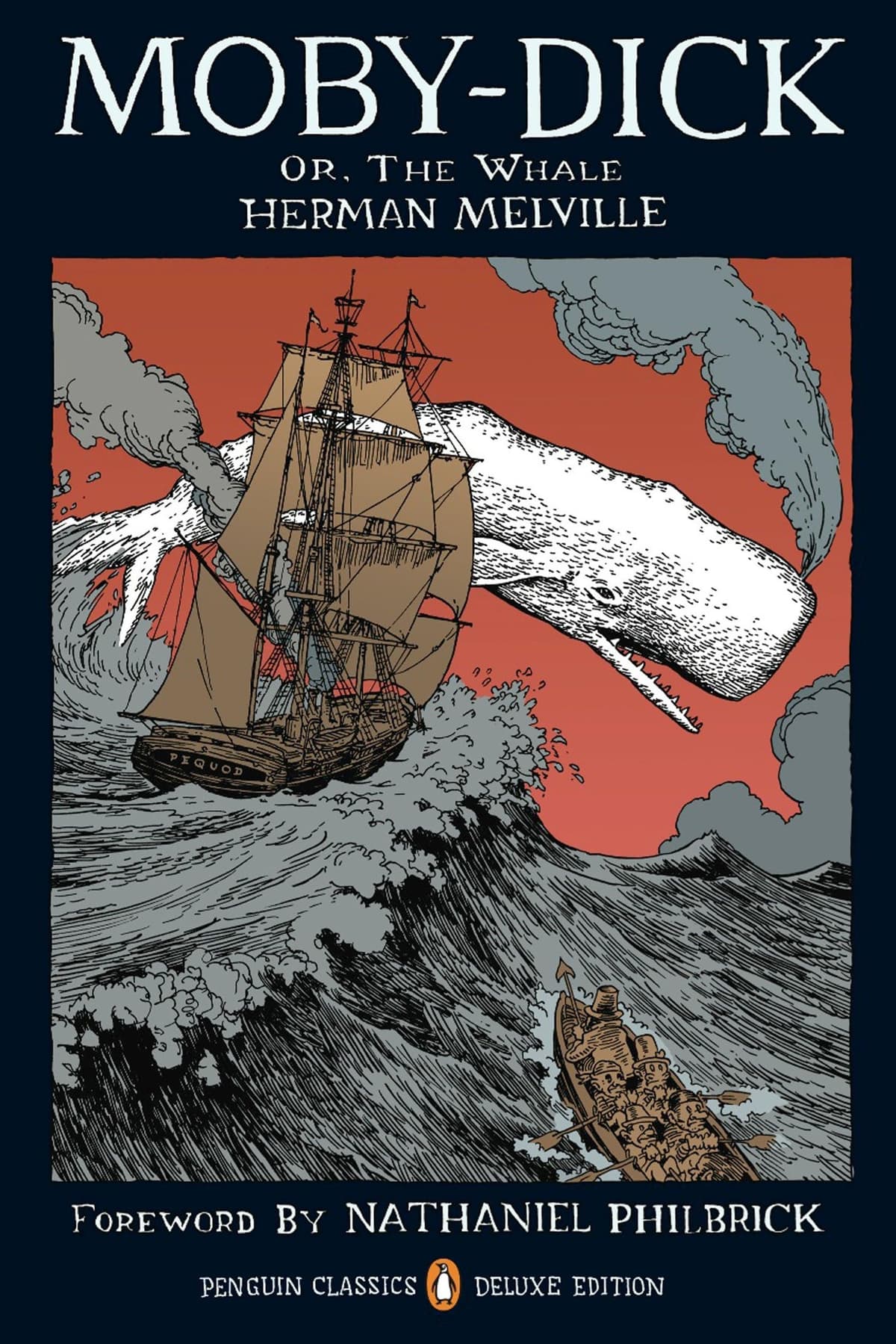 #7View Book
Moby-Dick
Herman Melville
Challenging•20-25 hours #9View Book
Don Quixote
Miguel de Cervantes
High•35-40 hours
Browse more collections