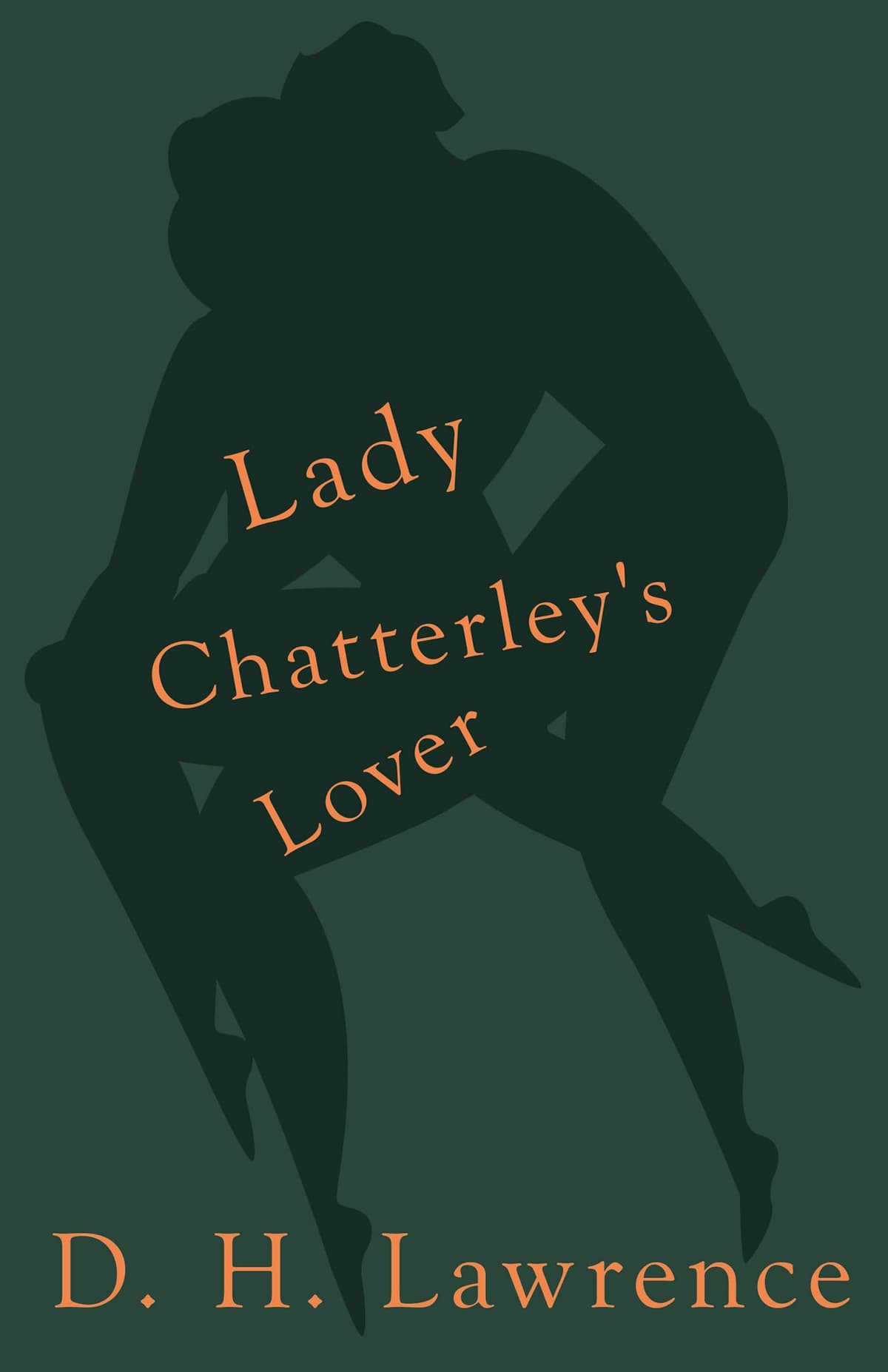
Lady Chatterley's Lover
“Ours is essentially a tragic age, so we refuse to take it tragically.”
Lady Chatterley's Lover Summary
Constance Chatterley is married to Sir Clifford, a baronet paralyzed from the waist down by a war wound, who retreats into intellectual abstraction and industrial ambition at their estate, Wragby Hall, in the coal-mining country of the English Midlands. Connie is suffocating—emotionally starved, physically neglected, trapped in a marriage that has become a polite arrangement between a mind and a ghost. Then she meets Oliver Mellors, Clifford's gamekeeper—a rough, intelligent, emotionally guarded man who lives alone in a cottage at the edge of the woods. Their affair is conducted in that cottage and in the surrounding forest, and Lawrence describes their physical encounters with a frankness and tenderness that scandalized the world and led to the novel's suppression for decades.
Lady Chatterley's Lover is far more than the scandalous sex novel of its reputation. It is Lawrence's final and most passionate argument against the forces he believed were killing the human spirit: industrialism, class rigidity, intellectual coldness, and the separation of body from soul. The novel is structured as a series of awakenings—Connie's body comes alive as the natural world around her blooms into spring—and Lawrence's prose moves with a rhythmic, almost incantatory intensity that mirrors the physical and emotional transformation at its center. The famous obscenity trial of 1960, in which Penguin Books was acquitted of publishing an obscene work, became a landmark in the history of literary censorship and free expression.
Why Read Lady Chatterley's Lover?
Strip away the notoriety and you will find one of the most deeply felt novels about the human body and its need for genuine connection. Lawrence believed that modern civilization was waging war on physical life—that industrialism, intellectualism, and social convention were conspiring to turn human beings into machines. Lady Chatterley's Lover is his most sustained act of resistance, a novel that insists the body has its own wisdom, its own language, its own form of knowledge that the mind cannot replicate.
The love scenes, which caused such outrage, are not pornographic but sacramental—Lawrence writes about sex the way other novelists write about cathedrals, with reverence and awe. The novel is also a piercing portrait of England between the wars, a country scarred by industrialism and paralyzed by class. Connie and Mellors cross every boundary their society has erected, and their tenderness in the face of a brutal world is genuinely moving. It is a novel that will make you feel more alive.
About D. H. Lawrence
D. H. Lawrence (1885–1930) was born in Eastwood, Nottinghamshire, the son of a coal miner and a former schoolteacher. The tension between his parents' worlds—physical labor and intellectual aspiration—became the central subject of his fiction. He studied at University College Nottingham, taught briefly, and published his first novel, The White Peacock, in 1911. His elopement with Frieda Weekley, the German wife of his former professor, in 1912 began a restless, nomadic life that took them across Europe, Australia, Mexico, and the American Southwest.
Lawrence was a prolific and controversial writer whose major novels—Sons and Lovers, The Rainbow, Women in Love, and Lady Chatterley's Lover—were frequently censored or banned for their frank treatment of sexuality. He was also a gifted poet, essayist, and painter. He died of tuberculosis at forty-four in Vence, France. His reputation has fluctuated wildly, but his insistence on the primacy of physical and emotional life, and his extraordinary ability to render the natural world in prose, have secured his place among the great English novelists.
Reading Guide
Ranked #185 among the greatest books of all time, Lady Chatterley's Lover by D. H. Lawrence has earned its place in the literary canon. Originally written in English and published in 1928, this moderate read from United Kingdom continues to resonate with readers today.
This book belongs to our Love & Loss and Society & Satire collections, where you can discover more books that share its spirit and themes.
If you enjoy moderate reads like this one, you might also like One Hundred Years of Solitude, Nineteen Eighty-Four, or Wuthering Heights.
From the Love & Loss Collection
If you enjoyed Lady Chatterley's Lover, discover more masterpieces that share its spirit.
 #3View Book
The Great Gatsby
F. Scott Fitzgerald
Accessible•5-6 hours #10View Book
Anna Karenina
Leo Tolstoy
High•30-35 hours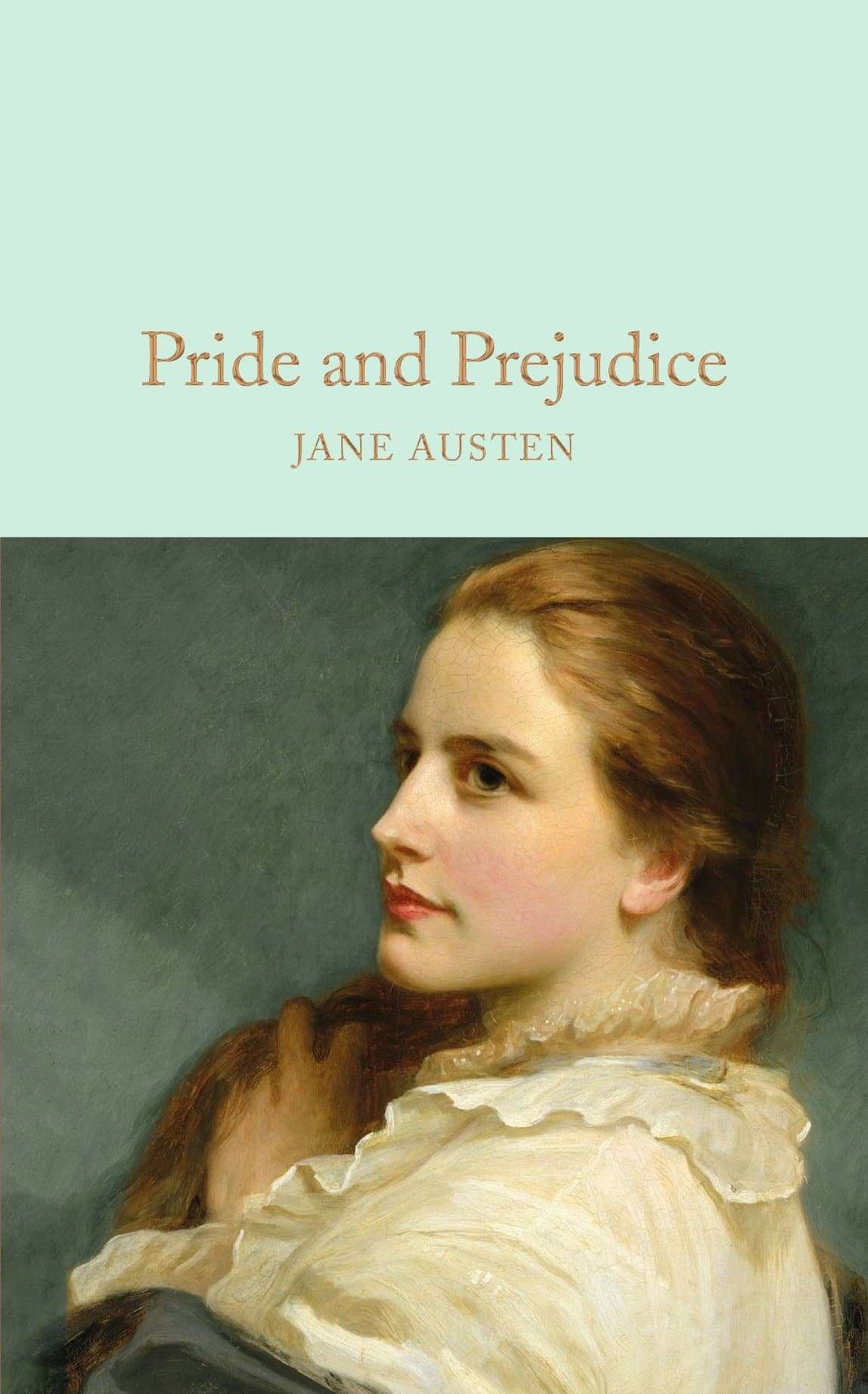 #12View Book
Pride and Prejudice
Jane Austen
Accessible•10-12 hours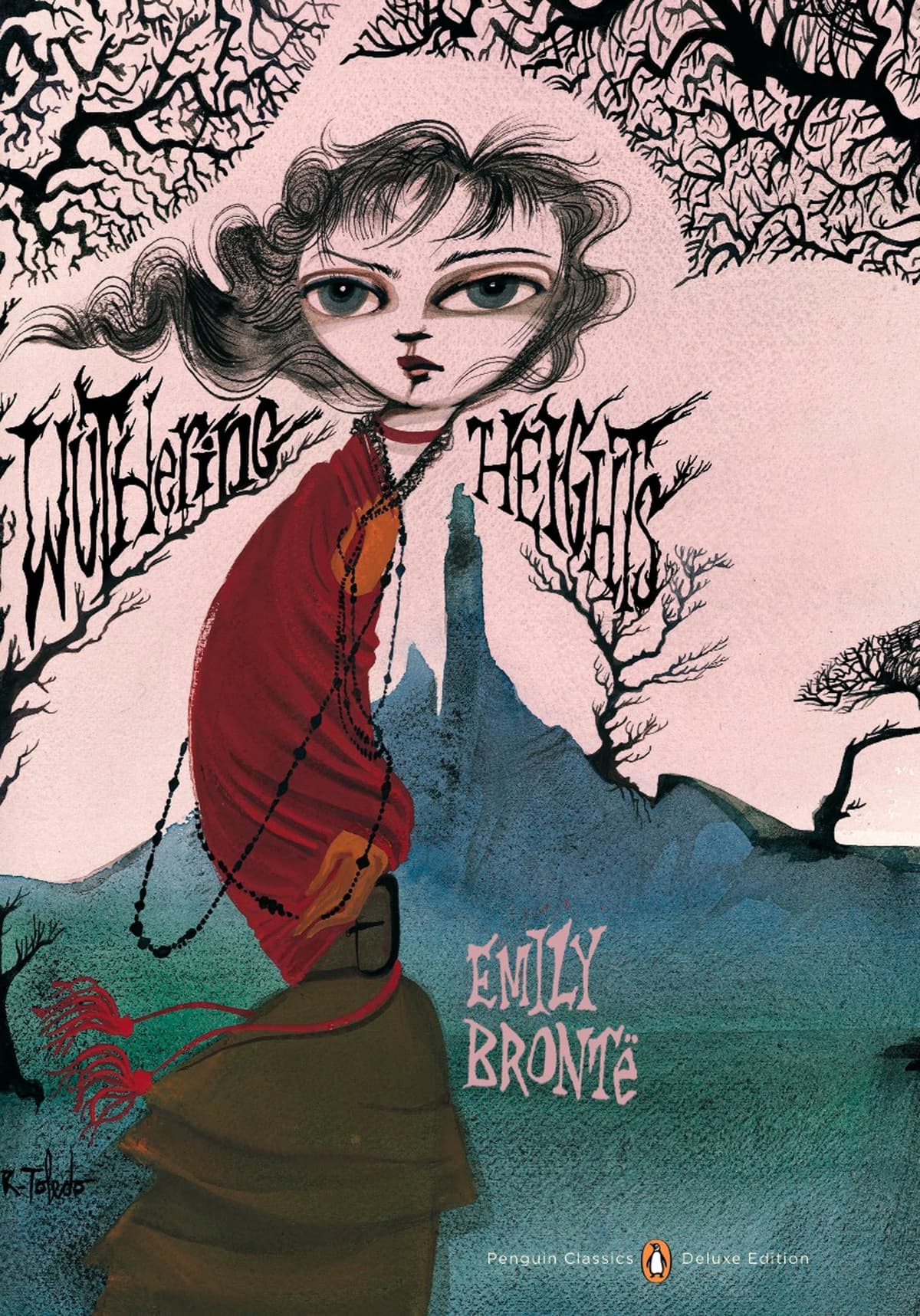 #15View Book
Wuthering Heights
Emily Brontë
Moderate•10-12 hours
Browse more collections