The Year of Magical Thinking
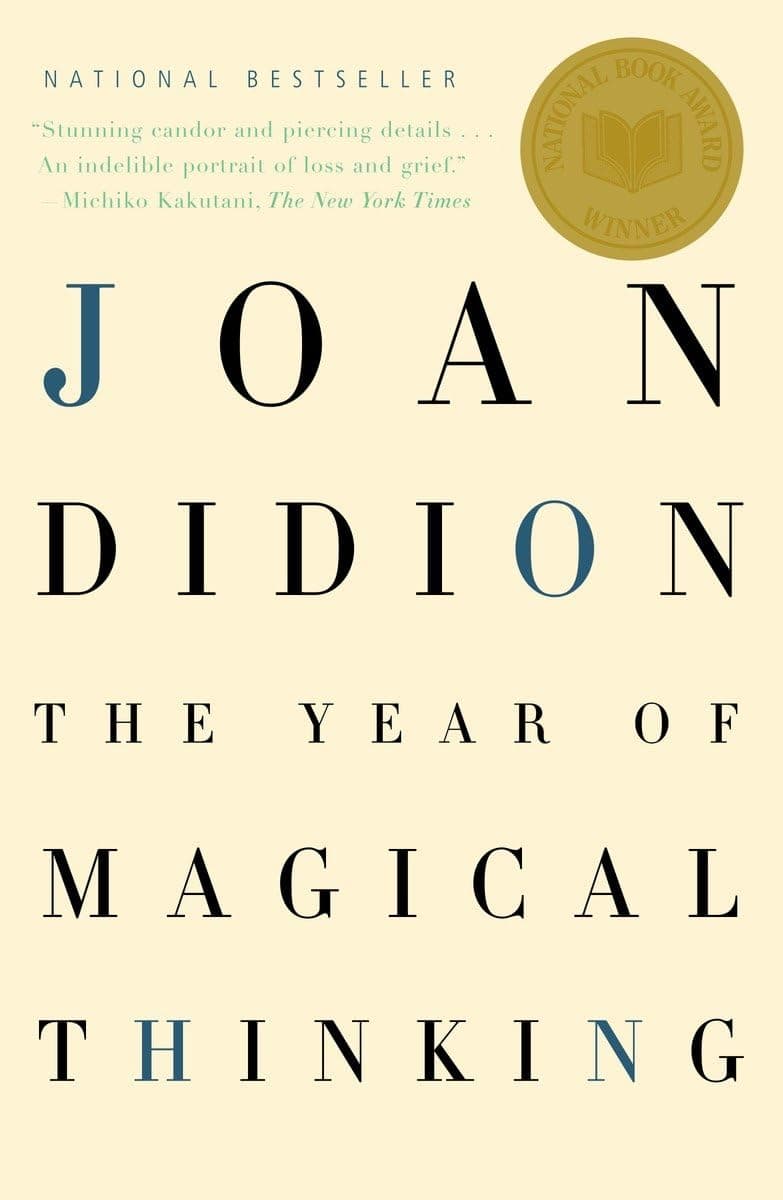
“Life changes fast. Life changes in the instant. You sit down to dinner and life as you know it ends.”
The Year of Magical Thinking Summary
On the evening of December 30, 2003, Joan Didion and her husband of nearly forty years, the writer John Gregory Dunne, sit down to dinner after visiting their only daughter, Quintana Roo, who lies unconscious in an intensive care unit with pneumonia and septic shock. Midway through the meal, Dunne suffers a massive coronary and dies at the table. What follows is Didion's attempt to navigate the year of grief that ensues, a period during which Quintana nearly dies several times before partially recovering, and Didion finds herself ambushed by the irrational conviction that her husband might somehow return, that she must keep his shoes because he will need them, that if she can only think clearly enough she can reverse what has happened. She calls this magical thinking: the primitive, desperate belief that the mind can alter reality, that grief is a problem with a solution if only one is smart enough to find it.
Didion's memoir is a masterwork of precision applied to the most imprecise of human experiences. Her sentences are as clean and controlled as anything she has ever written, and yet the grief that pulses beneath them is overwhelming, breaking through in moments of shattering vulnerability. The book's power lies in the tension between Didion's formidable analytical intelligence and the raw, irrational force of mourning that defeats it at every turn. She researches grief as she would any subject, reading medical literature and quoting poets, but the knowledge offers no protection. The Year of Magical Thinking is both an intimate portrait of a marriage and a universal meditation on loss, one of the finest works of nonfiction of the twenty-first century.
Why Read The Year of Magical Thinking?
The Year of Magical Thinking will find you when you need it, or it will prepare you for the grief that inevitably comes. Didion writes about loss with such devastating honesty that the book has become a companion text for mourners around the world, not because it offers comfort in any conventional sense, but because it tells the truth about what grief actually does to a mind. She captures the way bereavement makes the familiar world suddenly alien, the way you can know intellectually that someone is dead and simultaneously believe, with absolute conviction, that they are about to walk through the door. No writer has ever rendered this particular madness with greater precision.
What elevates this memoir beyond personal testimony is Didion's extraordinary prose. Every sentence is weighed and measured, and yet the cumulative effect is anything but cold. The tension between her legendary control and the chaos of grief creates a reading experience that is profoundly moving precisely because Didion refuses to sentimentalize. She does not ask for your sympathy; she simply shows you what happened, and the clarity of her seeing becomes its own form of courage. This is essential reading for anyone who has loved and lost, which is to say, eventually, everyone.
About Joan Didion
Joan Didion was born in 1934 in Sacramento, California, into a family whose roots in the state stretched back to the era of wagon trains. She won a writing contest sponsored by Vogue magazine during her senior year at the University of California, Berkeley, and moved to New York to work at the magazine, where she remained for eight years. In 1964, she married the writer John Gregory Dunne, and together they moved to Los Angeles, where they collaborated on screenplays and raised their adopted daughter, Quintana Roo.
Didion became one of the defining voices of American nonfiction with her essay collections Slouching Towards Bethlehem and The White Album, which captured the dislocations of the 1960s and 1970s with a prose style of legendary clarity and compression. Her novels, including Play It as It Lays and A Book of Common Prayer, explored similar themes of disorder and loss. After Dunne's death in 2003 and Quintana's death in 2005, Didion produced The Year of Magical Thinking and Blue Nights, two memoirs of grief that stand among the finest works of personal writing in the English language. She died in 2021 at the age of eighty-seven, recognized as one of the most important American writers of her generation.
Reading Guide
Ranked #354 among the greatest books of all time, The Year of Magical Thinking by Joan Didion has earned its place in the literary canon. Originally written in English and published in 2005, this accessible read from United States continues to resonate with readers today.
This book belongs to our Love & Loss collection, where you can discover more books that share its spirit and themes.
If you enjoy accessible reads like this one, you might also like The Great Gatsby, The Catcher in the Rye, or Pride and Prejudice.
From the Love & Loss Collection
If you enjoyed The Year of Magical Thinking, discover more masterpieces that share its spirit.
 #3View Book
The Great Gatsby
F. Scott Fitzgerald
Accessible•5-6 hours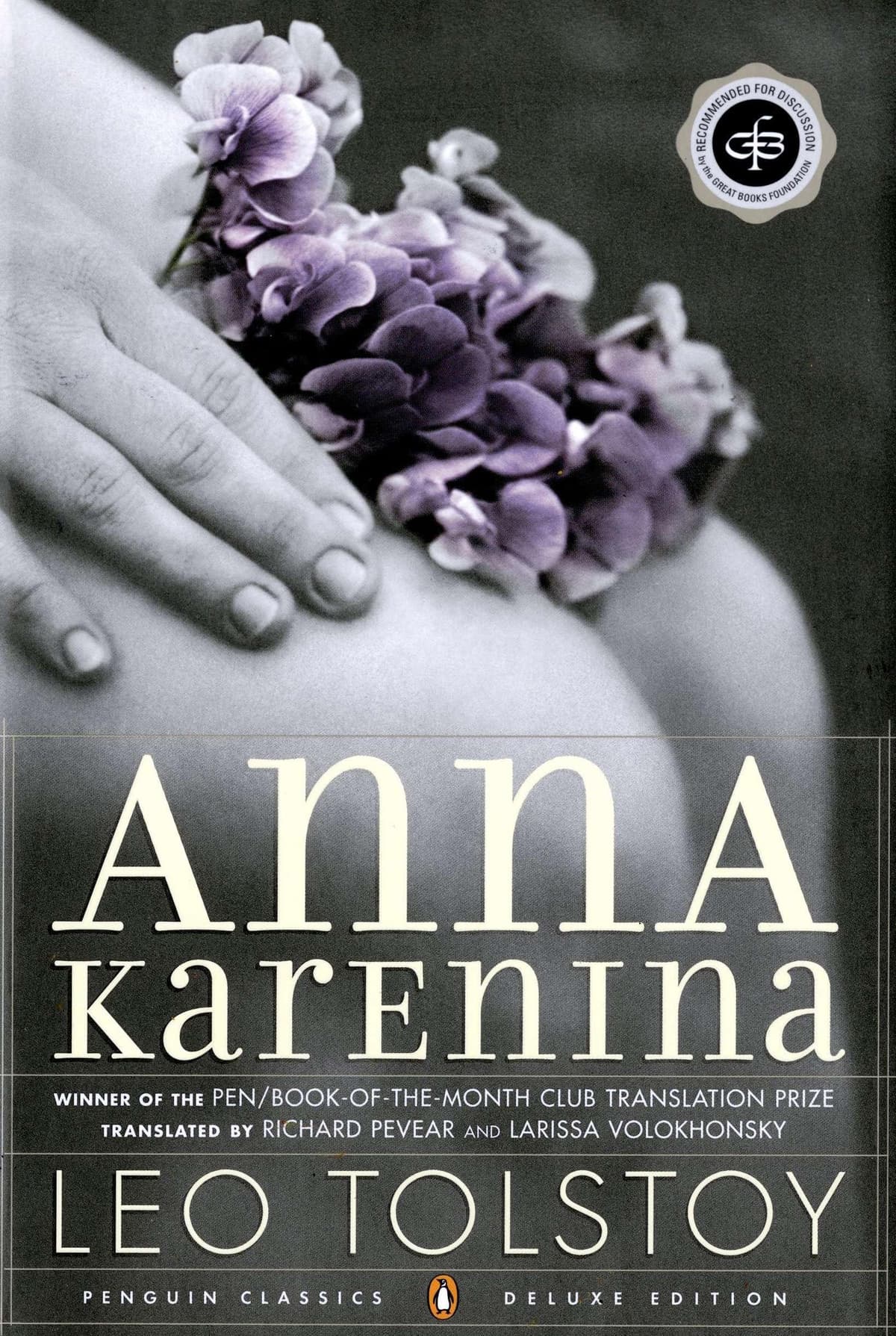 #10View Book
Anna Karenina
Leo Tolstoy
High•30-35 hours #12View Book
Pride and Prejudice
Jane Austen
Accessible•10-12 hours #15View Book
Wuthering Heights
Emily Brontë
Moderate•10-12 hours
Browse more collections