For Whom the Bell Tolls
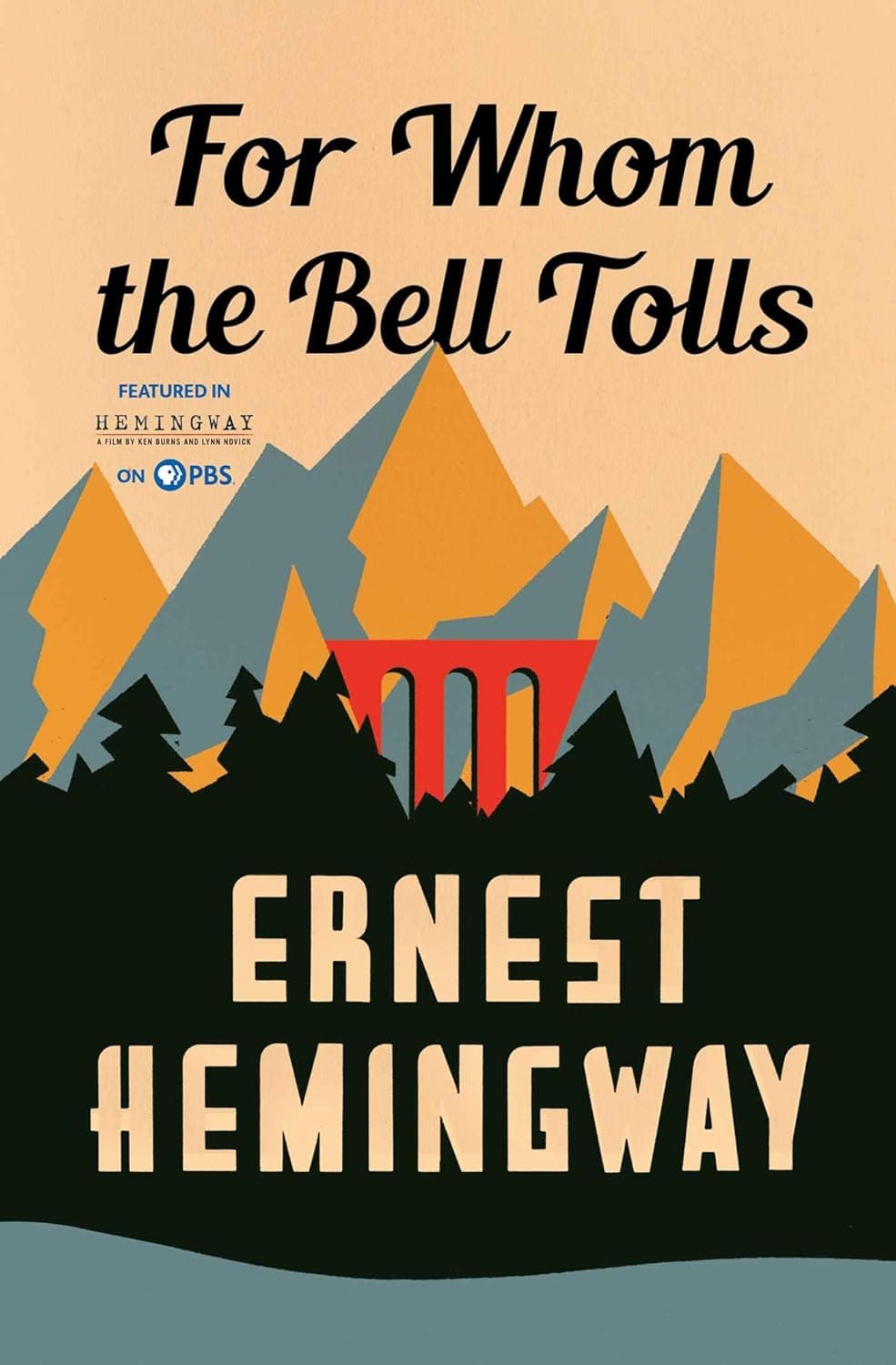
“The world is a fine place and worth the fighting for and I hate very much to leave it.”
For Whom the Bell Tolls Summary
Robert Jordan, a young American university instructor turned dynamiter, has seventy-two hours to blow up a bridge behind fascist lines in the mountains of Spain. He has been sent by a Soviet general, attached to a band of Spanish guerrilla fighters hiding in a cave above a gorge, and the success of a Republican offensive depends on the bridge's destruction. In those three days, he falls in love with Maria, a young woman brutalized by the fascists, bonds with the fierce guerrilla leader Pablo and his indomitable wife Pilar, and confronts the near certainty that the mission will cost him his life.
Hemingway compresses the entire tragedy of the Spanish Civil War into this seventy-two-hour crucible. The novel moves with the tick of a detonator's clock, alternating between the intimate warmth of the guerrilla camp and the cold mathematics of war. The prose is stripped to bone and sinew, yet it achieves a lyrical grandeur—the Spanish syntax bleeding into English, the landscape rendered with a painter's eye—that makes this Hemingway's most ambitious and emotionally generous work.
Why Read For Whom the Bell Tolls?
This is Hemingway at his fullest and most human. Gone is the tight-lipped stoicism of his early work; in its place is a novel that embraces love, politics, death, and the whole messy glory of human commitment. Robert Jordan knows he will probably die on this mountain, and that knowledge gives every moment—every meal shared, every night with Maria, every argument with Pablo—the intensity of a last breath.
The novel's title, drawn from John Donne's meditation that no man is an island, announces its theme: we are all connected, and the death of any person diminishes us all. Hemingway, who covered the Spanish Civil War as a journalist and believed in the Republican cause with all his heart, poured that conviction into a story that transcends politics. It is about what it means to fight for something larger than yourself, knowing the cost, and choosing to pay it anyway.
About Ernest Hemingway
Ernest Hemingway (1899-1961) was the most influential American prose stylist of the twentieth century. His spare, declarative sentences—forged from his early work as a newspaper reporter—revolutionized the way English was written. He was wounded as an ambulance driver in World War I, lived in Paris among the expatriate artists of the Lost Generation, and covered wars in Spain and Europe as a correspondent.
Hemingway won the Pulitzer Prize for The Old Man and the Sea and the Nobel Prize in Literature in 1954. His life was as outsized as his legend: big-game hunting in Africa, deep-sea fishing in Cuba, bullfights in Pamplona. Behind the myth was a craftsman who labored over every sentence, famously rewriting the ending of A Farewell to Arms thirty-nine times until he got the words right.
Reading Guide
Ranked #98 among the greatest books of all time, For Whom the Bell Tolls by Ernest Hemingway has earned its place in the literary canon. Originally written in English and published in 1940, this moderate read from United States continues to resonate with readers today.
This book belongs to our Love & Loss and American Spirit collections, where you can discover more books that share its spirit and themes.
If you enjoy moderate reads like this one, you might also like One Hundred Years of Solitude, Nineteen Eighty-Four, or Wuthering Heights.
From the Love & Loss Collection
If you enjoyed For Whom the Bell Tolls, discover more masterpieces that share its spirit.
 #3View Book
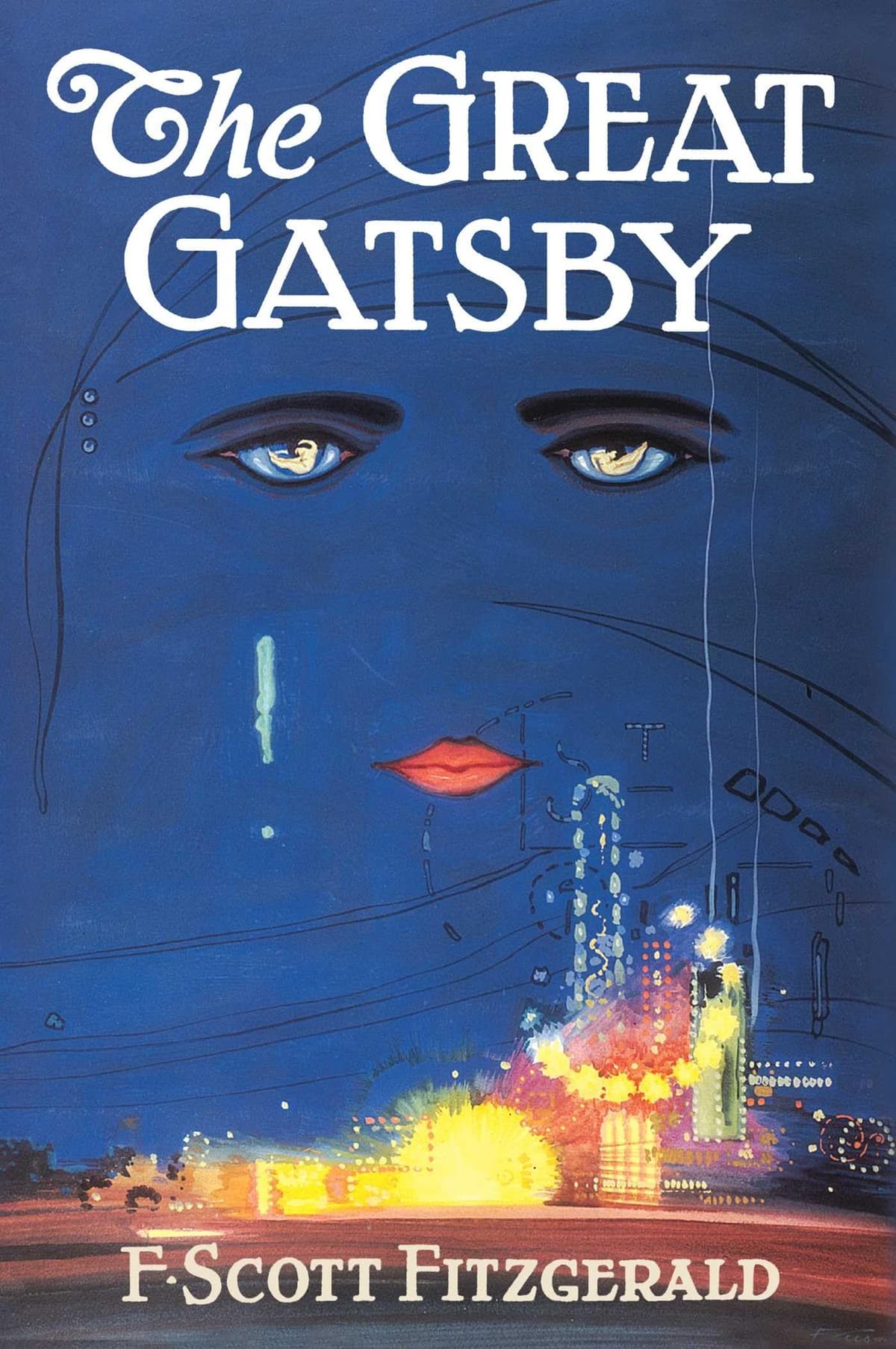
The Great Gatsby
F. Scott Fitzgerald
Accessible•5-6 hours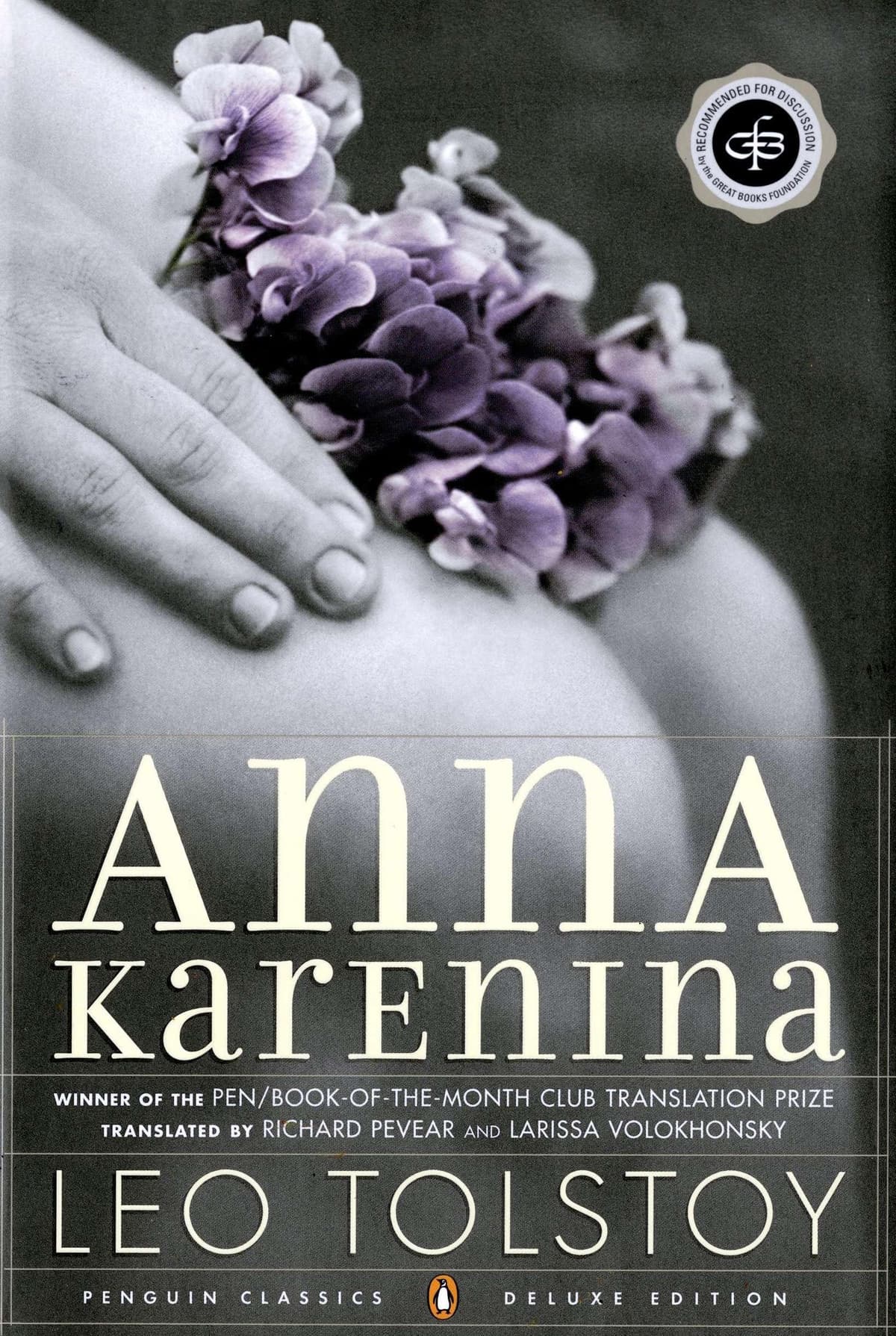 #10View Book
Anna Karenina
Leo Tolstoy
High•30-35 hours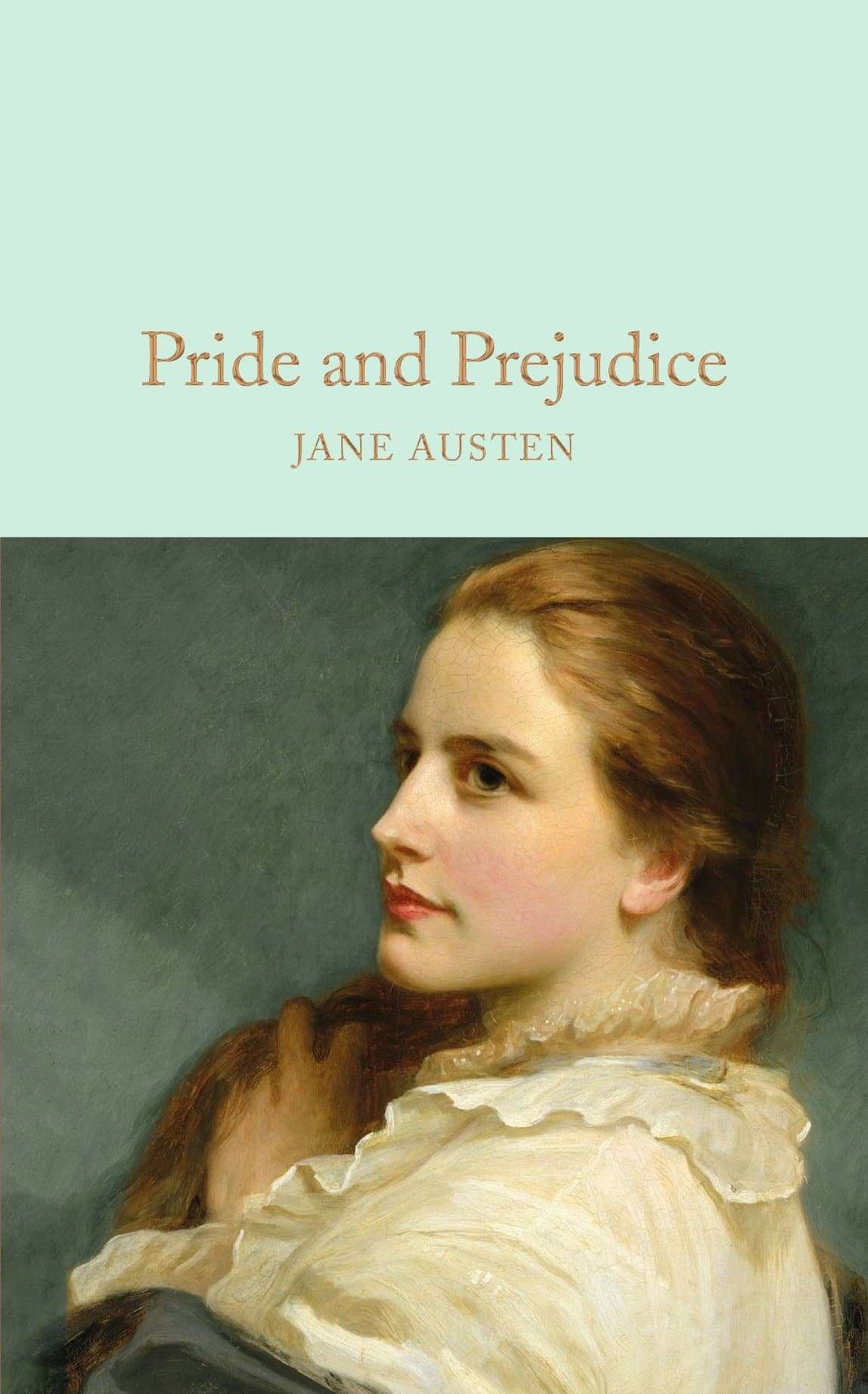 #12View Book
Pride and Prejudice
Jane Austen
Accessible•10-12 hours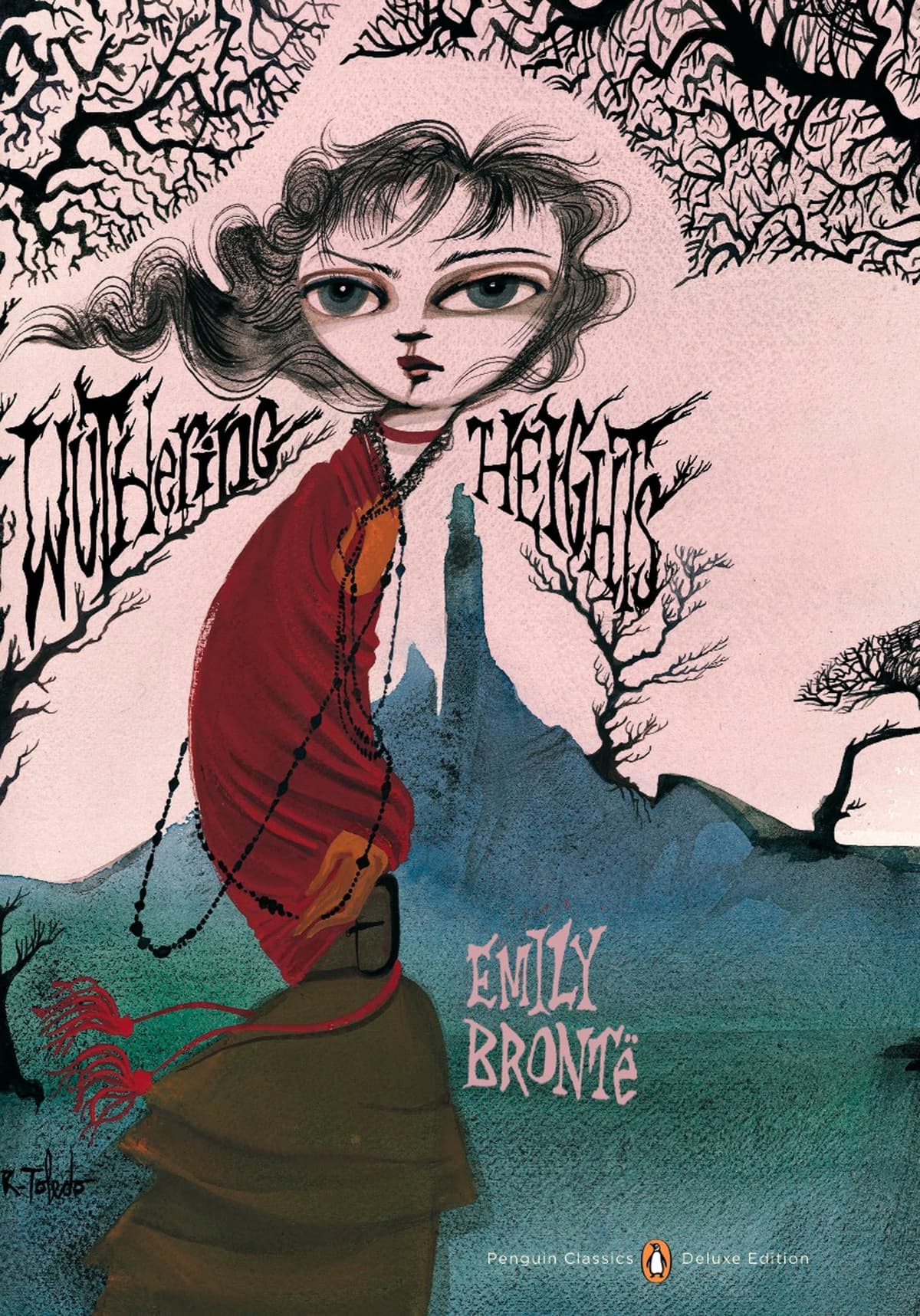 #15View Book
Wuthering Heights
Emily Brontë
Moderate•10-12 hours
Browse more collections