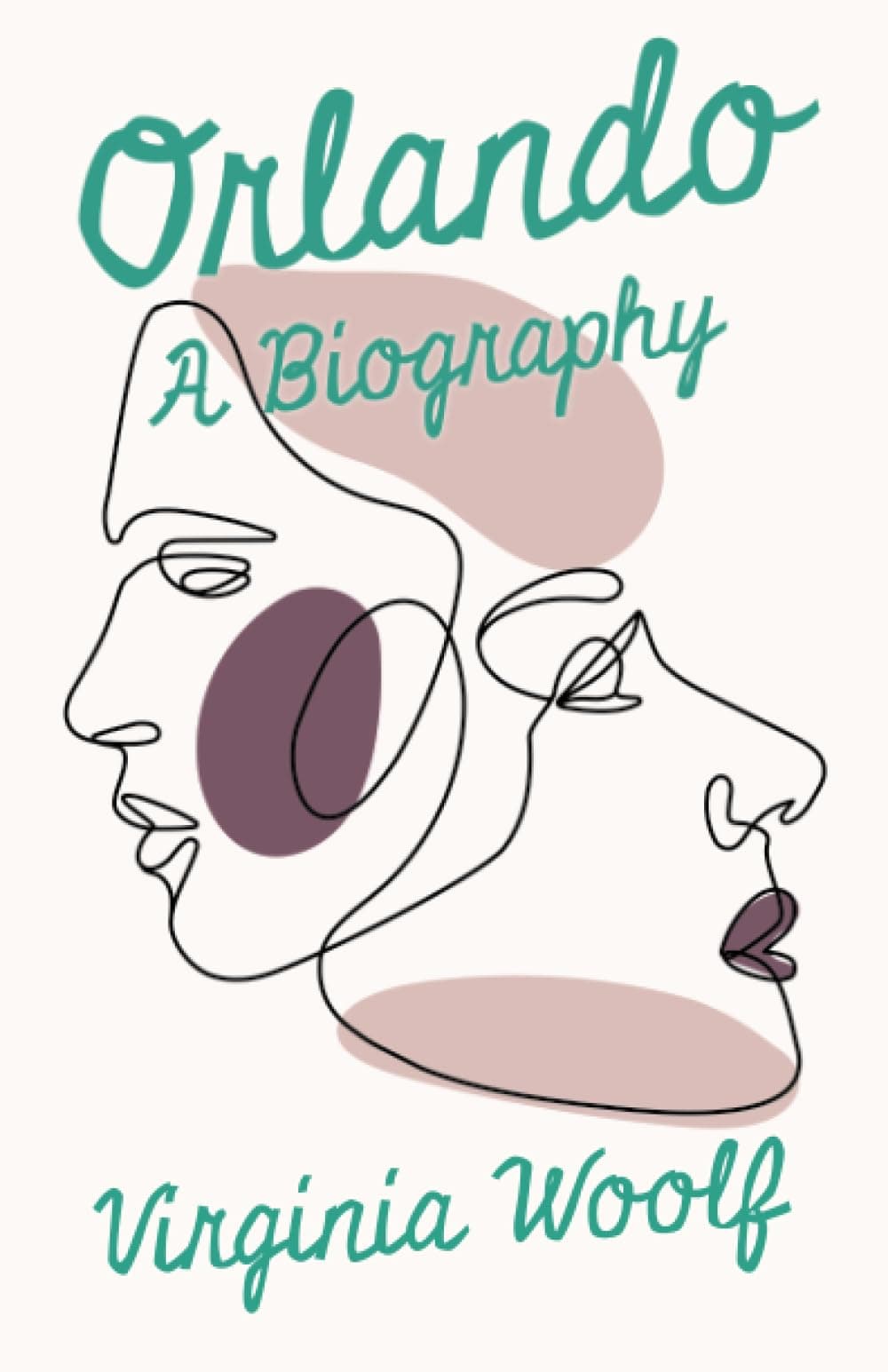
Orlando
“One can only believe entirely, perhaps, in what one cannot see.”
Orlando Summary
Orlando is a young Elizabethan nobleman, a poet, and a favorite of the aging Queen, who commands him never to grow old. He obliges. Over the course of four centuries—from the frost fairs of Shakespeare's London to the motorcar age of the 1920s—Orlando barely ages a day, writes and rewrites an epic poem called 'The Oak Tree,' falls in love with a Russian princess, serves as ambassador to Constantinople, and one morning wakes up as a woman. The narrative voice does not so much as blink.
Virginia Woolf wrote Orlando as a love letter to Vita Sackville-West, and the novel shimmers with the joy of that infatuation. It is a mock-biography that gleefully demolishes the conventions of biography, a fantasy that interrogates the reality of gender, and a romp through English literary history that is by turns satirical, lyrical, and laugh-out-loud funny. It is the most purely enjoyable book Woolf ever wrote.
Why Read Orlando?
Orlando is Virginia Woolf unleashed. Freed from the formal constraints of Mrs Dalloway and To the Lighthouse, she produced a novel that is giddy, irreverent, and wildly inventive—a work that gallops across four centuries with the energy of a novel half its age. It was revolutionary in 1928, and it feels even more urgent today: its treatment of gender as fluid, performative, and historically contingent anticipated decades of feminist and queer theory.
But this is no dry polemic. Orlando is, above all, a celebration—of love, of writing, of the sensuous pleasure of being alive in a body that moves through time. The scene of Orlando's transformation is handled with a serene matter-of-factness that is itself a radical statement: the change of sex changes everything and nothing. Woolf reminds us that identity is not fixed but fluid, that a self is something we compose and recompose across the span of a life.
About Virginia Woolf
Virginia Woolf (1882-1941) was one of the supreme literary artists of the twentieth century. A central figure of the Bloomsbury Group, she pioneered the stream-of-consciousness technique in English fiction with novels like Mrs Dalloway, To the Lighthouse, and The Waves. Her essays on women and writing, particularly A Room of One's Own, remain cornerstones of feminist thought.
Woolf battled severe mental illness throughout her life and took her own life at age fifty-nine, but her literary legacy is incandescent. She dismantled the Victorian novel and rebuilt it from the inside, showing that the true drama of fiction lay not in plot but in the ceaseless movement of consciousness through time. Orlando, written for her lover Vita Sackville-West, remains her most exuberant and joyful work.
Reading Guide
Ranked #99 among the greatest books of all time, Orlando by Virginia Woolf has earned its place in the literary canon. Originally written in English and published in 1928, this moderate read from United Kingdom continues to resonate with readers today.
This book belongs to our Modern Mind and Love & Loss collections, where you can discover more books that share its spirit and themes.
If you enjoy moderate reads like this one, you might also like One Hundred Years of Solitude, Nineteen Eighty-Four, or Wuthering Heights.
From the Modern Mind Collection
If you enjoyed Orlando, discover more masterpieces that share its spirit.
 #1View Book
Ulysses
James Joyce
Challenging•35-40 hours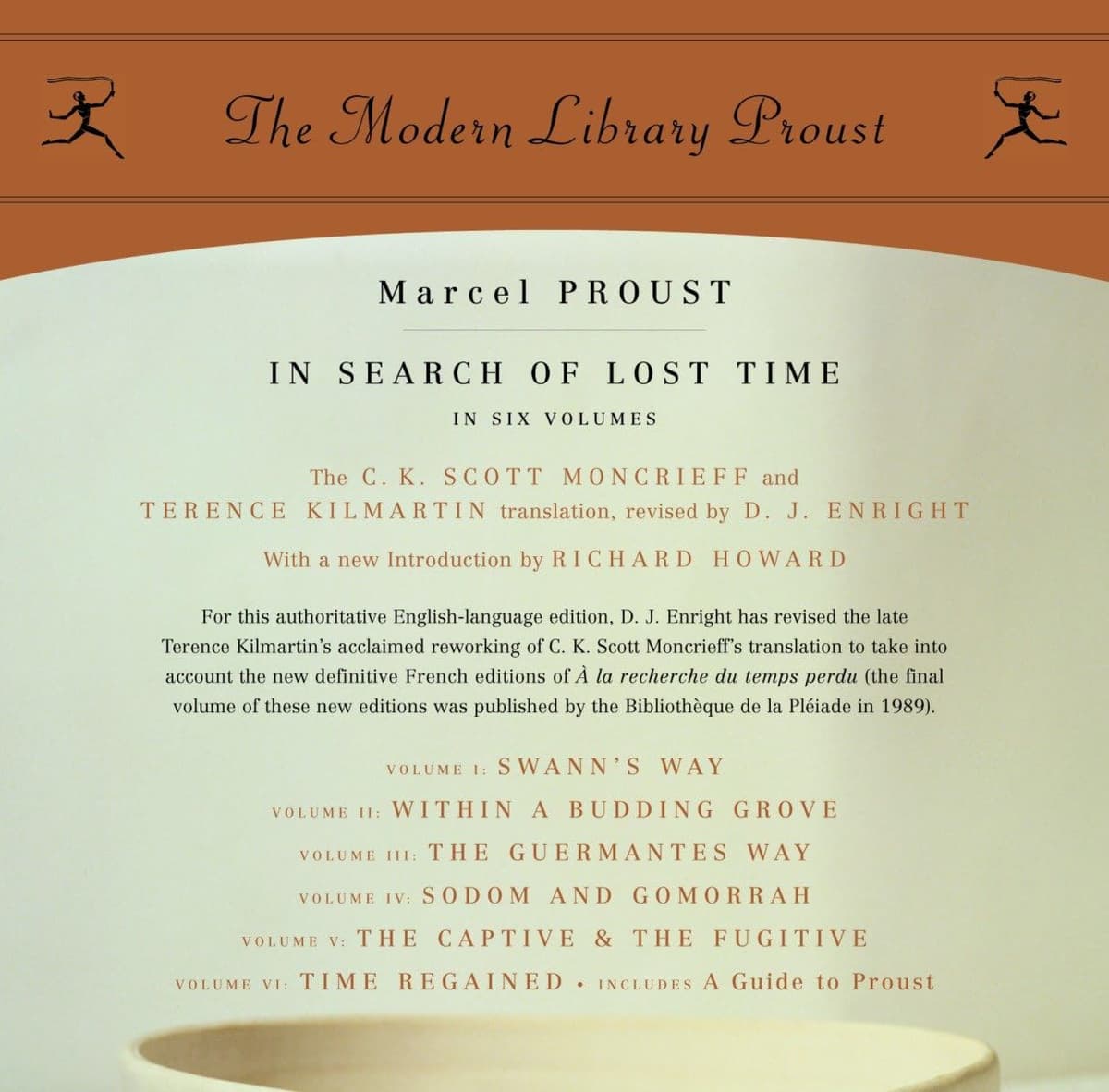 #2View Book
In Search of Lost Time
Marcel Proust
High•100+ hours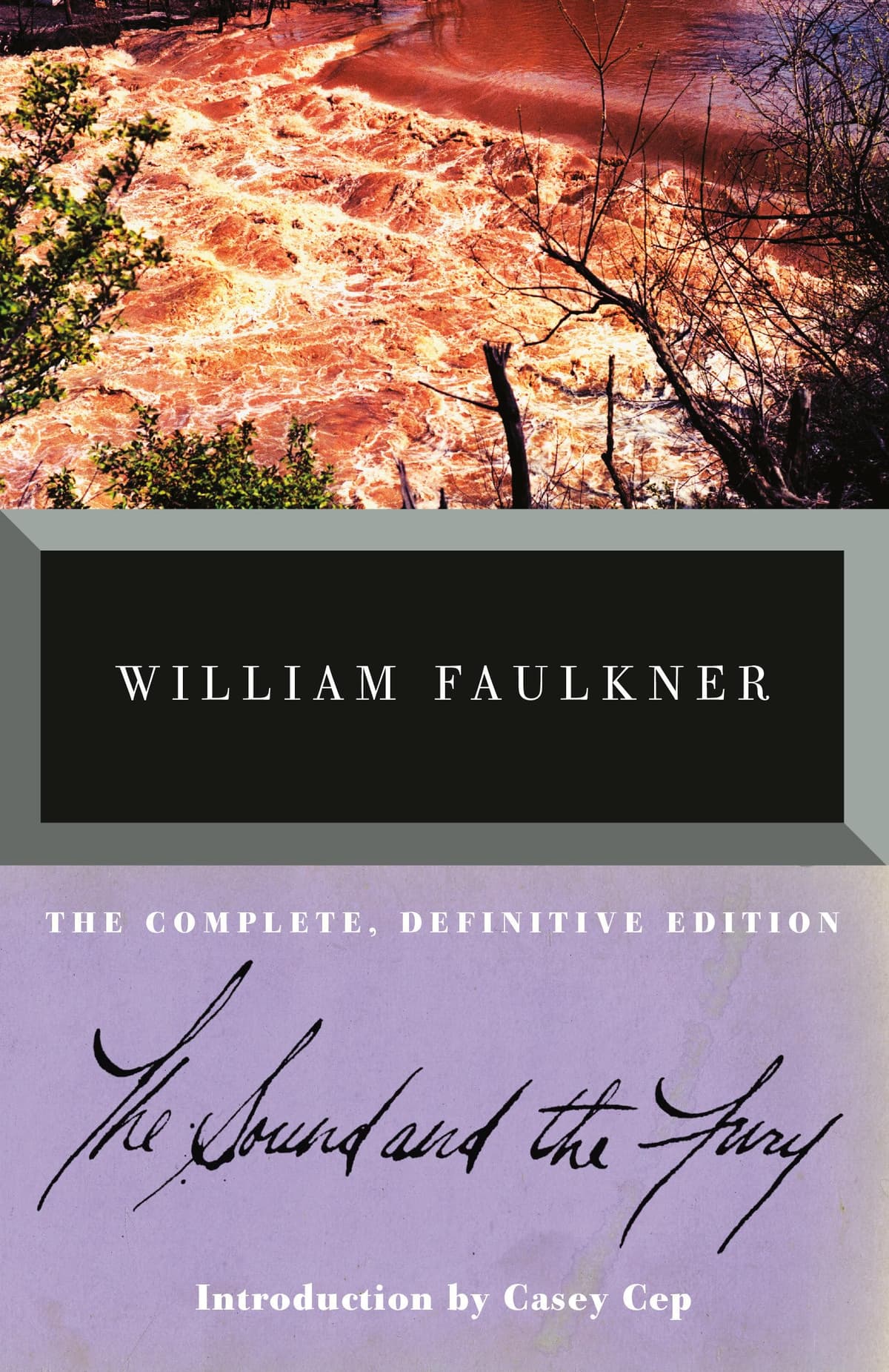 #8View Book
The Sound and the Fury
William Faulkner
Very High•12-15 hours #13View Book
Lolita
Vladimir Nabokov
Challenging•12-15 hours
Browse more collections