Oedipus the King
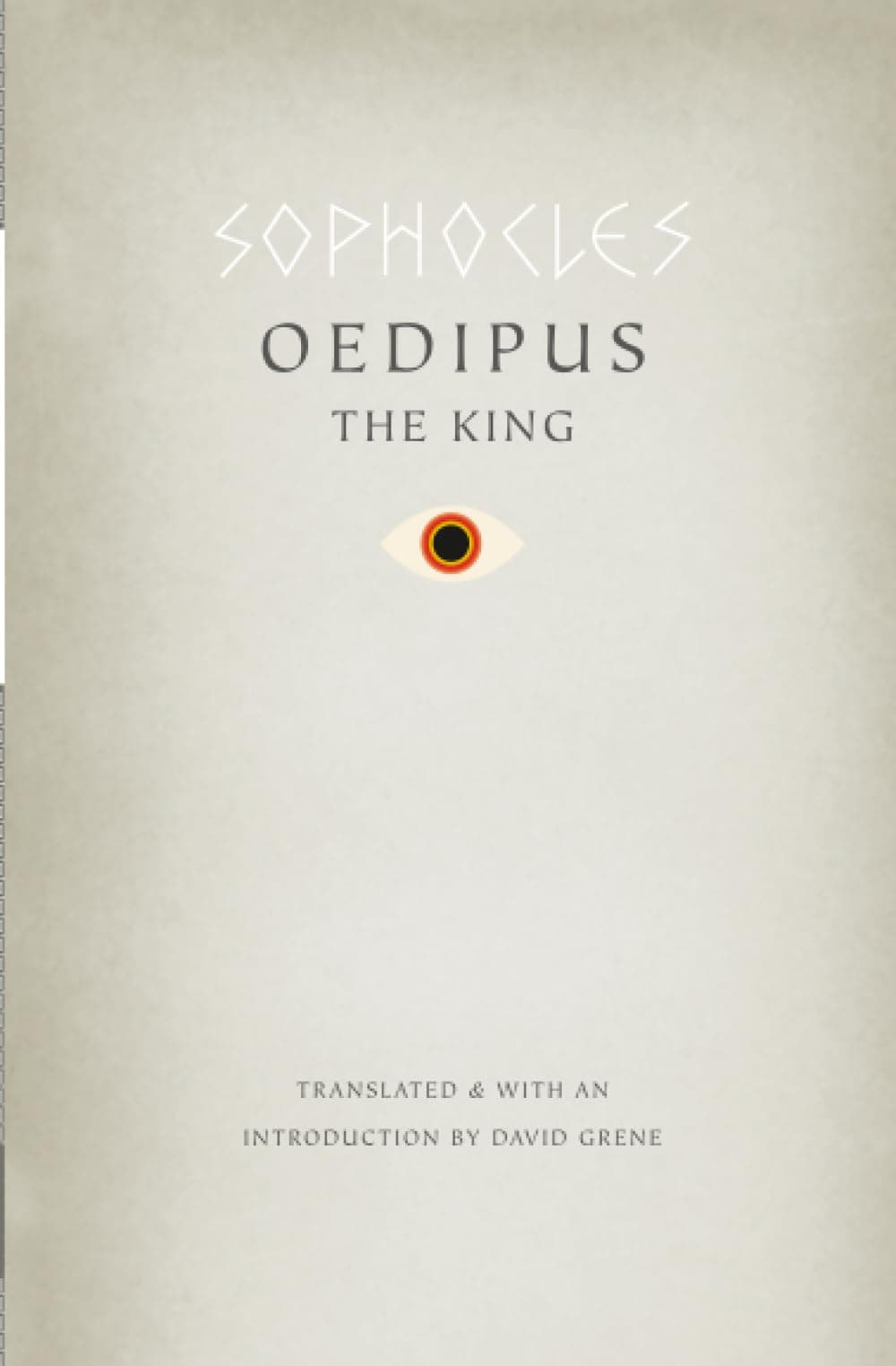
“How dreadful knowledge of the truth can be when there's no help in truth!”
Oedipus the King Summary
A plague is devouring Thebes, and its citizens beg their king for deliverance. Oedipus—the brilliant ruler who once saved the city by solving the Sphinx's riddle—vows to find the source of the corruption and drive it out. He summons the blind prophet Tiresias, interrogates witnesses, and pursues the truth with the relentless logic of a detective. What he discovers is the most devastating revelation in all of drama: he is the corruption. He has killed his father and married his mother, fulfilling the very prophecy he fled his homeland to escape.
Sophocles' masterpiece unfolds with the precision of a trap closing. Every question Oedipus asks brings him closer to an answer he cannot survive. The chorus watches in mounting horror as the city's savior becomes its destroyer, and the audience—who knows the myth, who knows the ending—can only watch as a great man tears apart the fabric of his own identity. It is the original tragedy, and no subsequent playwright has improved upon it.
Why Read Oedipus the King?
Aristotle called it the perfect tragedy, and twenty-five hundred years later, no one has proven him wrong. Oedipus the King is the blueprint for every detective story, every thriller, every narrative in which the pursuit of truth leads to catastrophe. Its plot is flawless—every scene advances the investigation, every revelation tightens the noose—and its central irony is the deepest in literature: the detective and the criminal are the same man.
But what gives Oedipus its enduring power is not its structure but its humanity. Oedipus is not a villain; he is a good king, a loving husband, a man who genuinely wants to save his people. His destruction comes not from wickedness but from the very qualities that make him great: his intelligence, his courage, his refusal to stop asking questions. Sophocles forces us to confront the terrifying possibility that knowing the truth about ourselves may be the one thing we cannot bear.
About Sophocles
Sophocles (c. 496-406 BC) was the most celebrated dramatist of classical Athens, winning more prizes at the Festival of Dionysus than any of his rivals. He wrote over 120 plays, of which only seven survive complete, yet those seven are sufficient to mark him as one of the supreme artists of Western civilization. He introduced the third actor to the stage and elevated the role of individual character over the chorus.
Sophocles lived during the golden age of Athens—he was a contemporary of Pericles, a general, a priest, and a diplomat—and his tragedies reflect a worldview in which human greatness and human suffering are inseparable. His Theban plays (Oedipus the King, Oedipus at Colonus, and Antigone) remain the pinnacle of Greek tragic art, and Freud's borrowing of the Oedipus myth ensured that Sophocles would haunt the modern imagination as profoundly as he haunted the ancient one.
Reading Guide
Ranked #100 among the greatest books of all time, Oedipus the King by Sophocles has earned its place in the literary canon. Originally written in Ancient Greek and published in c. 429 BC, this moderate read from Greece continues to resonate with readers today.
This book belongs to our Epics and Philosophy & Faith collections, where you can discover more books that share its spirit and themes.
If you enjoy moderate reads like this one, you might also like One Hundred Years of Solitude, Nineteen Eighty-Four, or Wuthering Heights.
From the Epics Collection
If you enjoyed Oedipus the King, discover more masterpieces that share its spirit.
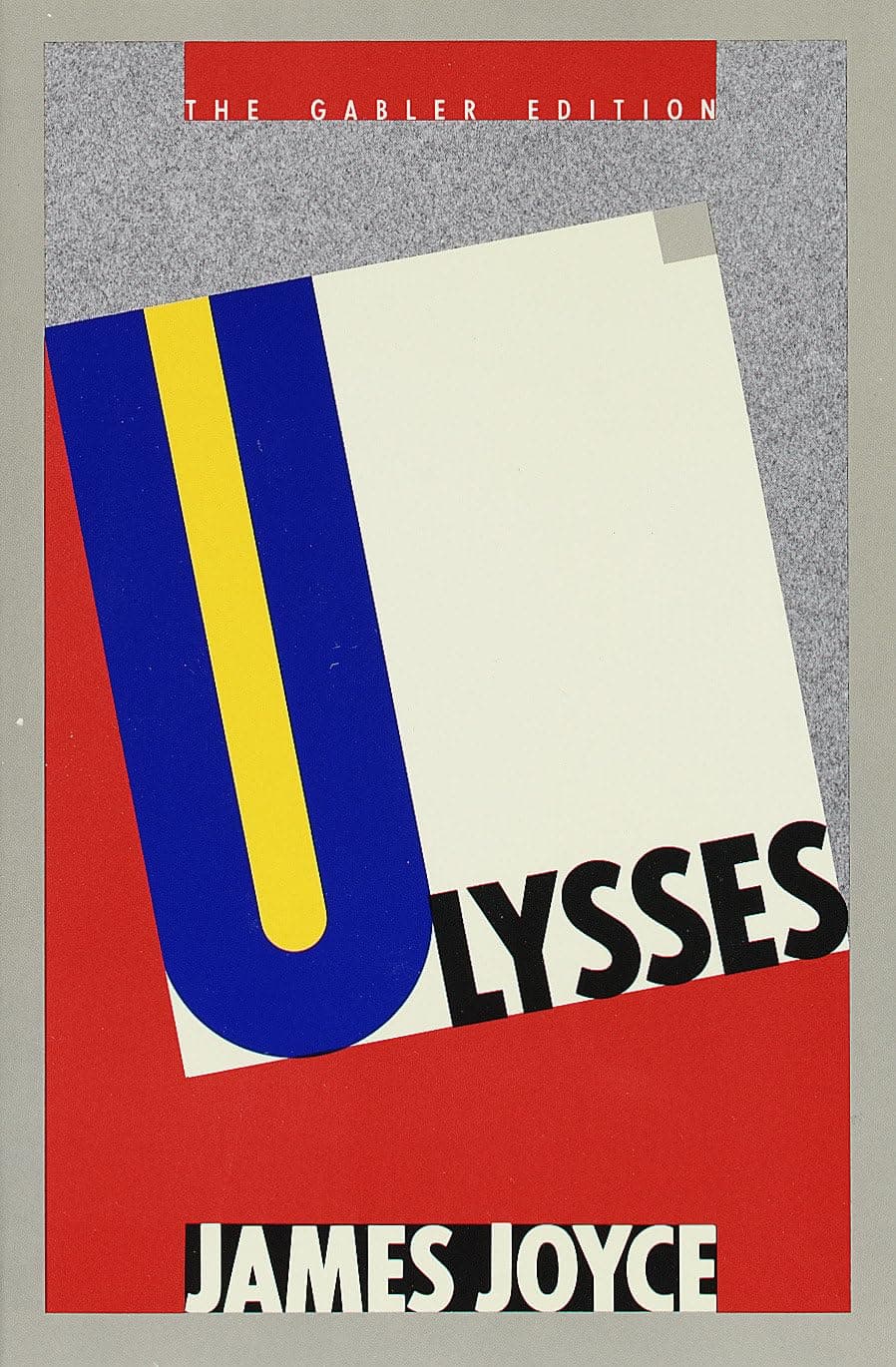 #1View Book
Ulysses
James Joyce
Challenging•35-40 hours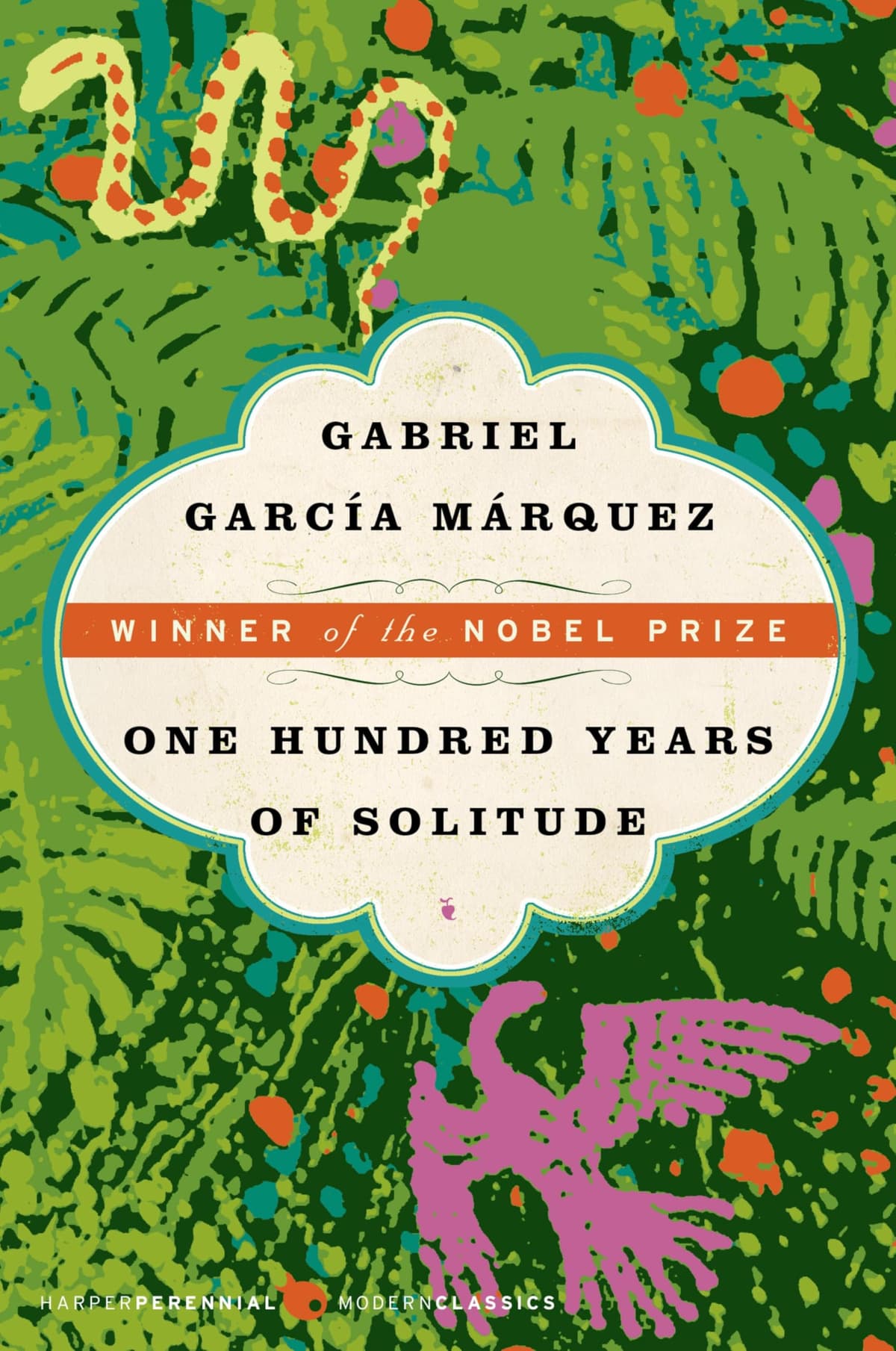 #5View Book
One Hundred Years of Solitude
Gabriel García Márquez
Moderate•15-20 hours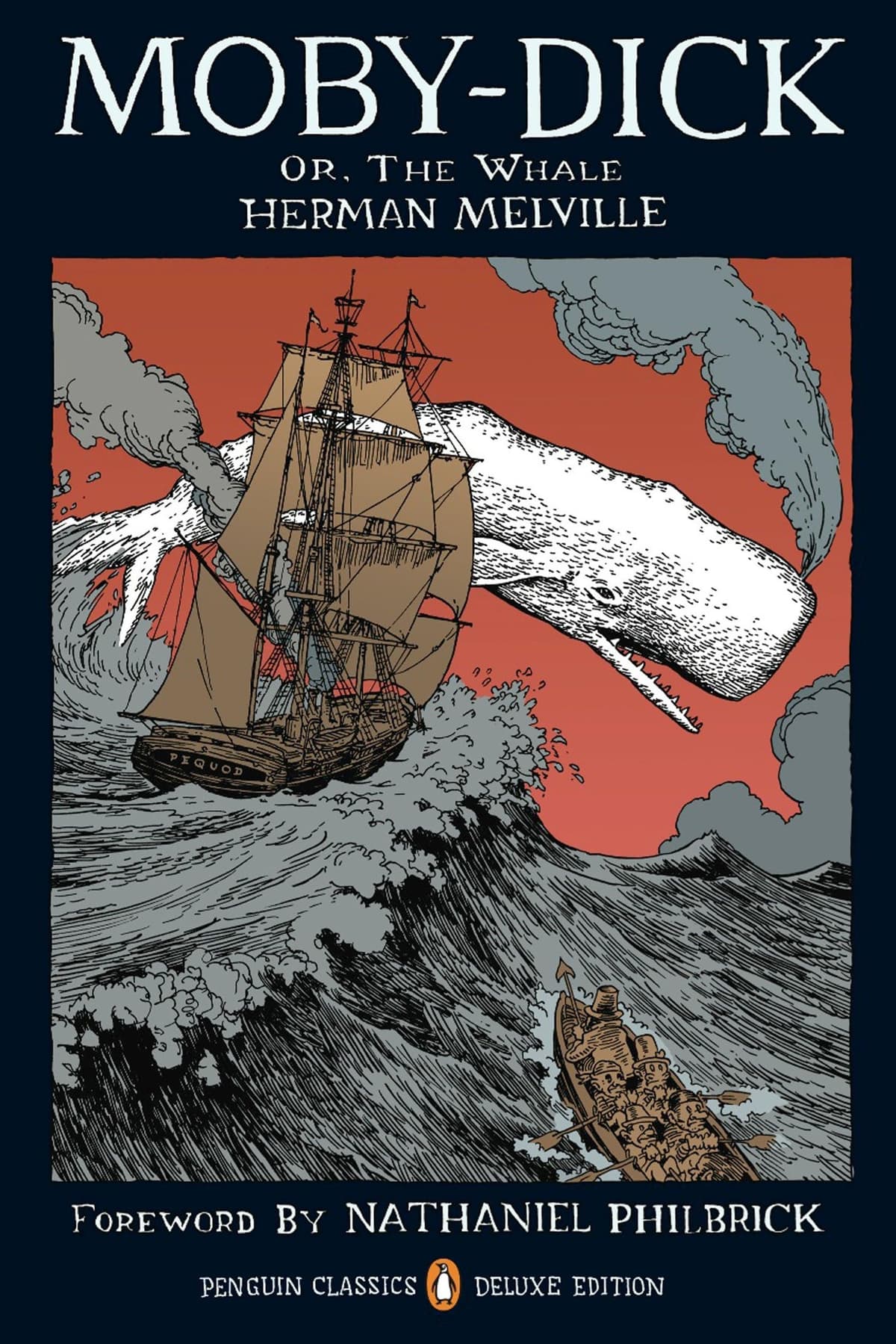 #7View Book
Moby-Dick
Herman Melville
Challenging•20-25 hours #9View Book
Don Quixote
Miguel de Cervantes
High•35-40 hours
Browse more collections