Native Son
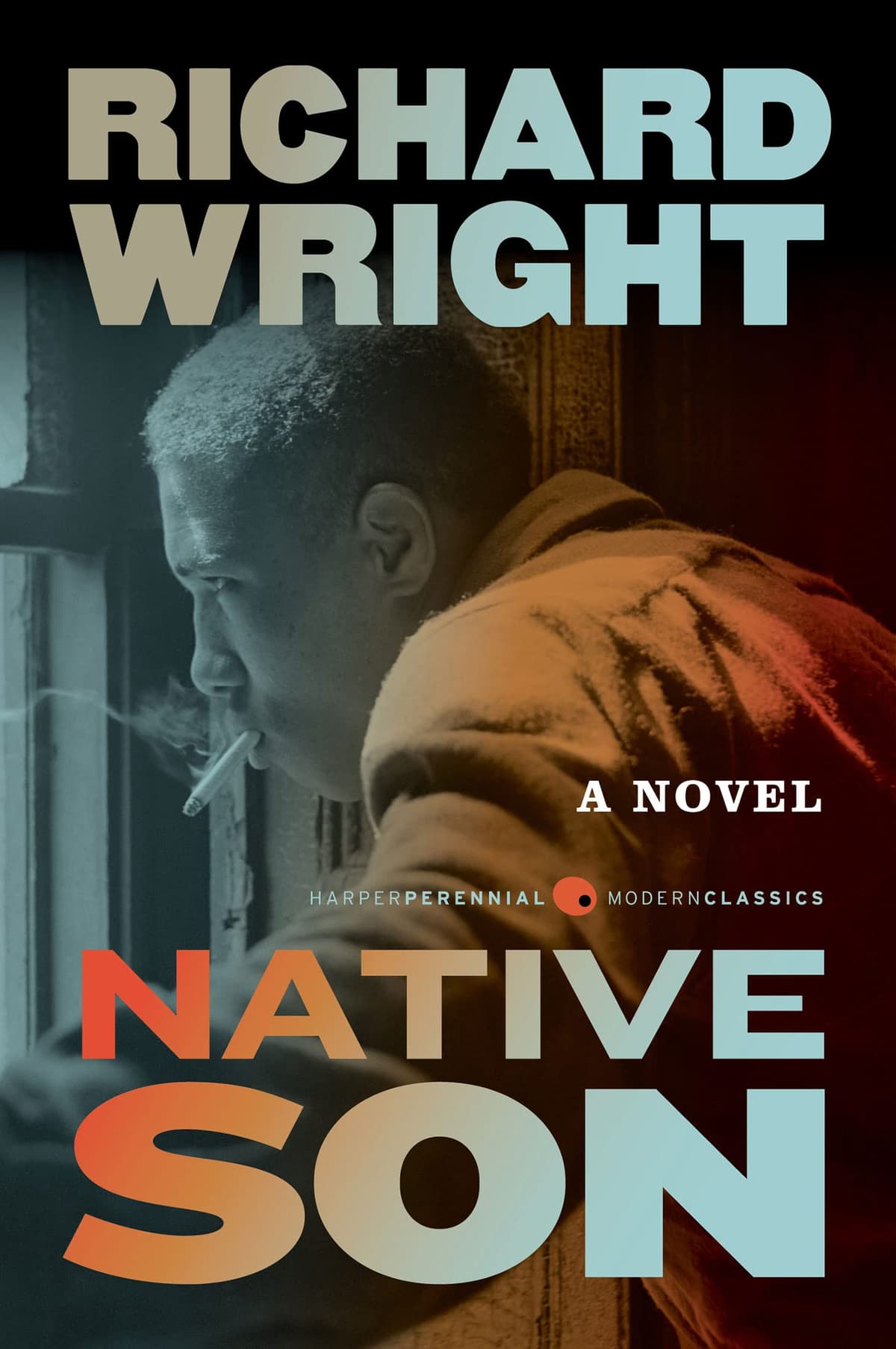
“He knew that the moment he allowed what his life meant to enter fully into his consciousness, he would either kill himself or someone else.”
Native Son Summary
Bigger Thomas is twenty years old, Black, and trapped in a rat-infested one-room apartment on Chicago's South Side with his mother, sister, and brother. He is hired as a chauffeur by the wealthy Dalton family—white liberals who own the very tenements where Bigger's family pays too much for too little. One night, after driving the Daltons' daughter Mary and her Communist boyfriend around the city, Bigger accidentally kills Mary in a moment of panic, and in the aftermath commits a second, deliberate murder. The rest of the novel follows his flight, capture, and trial.
Richard Wright's explosive novel does not ask for sympathy—it demands understanding. Bigger is not a noble victim; he is violent, angry, and sometimes terrifying. But Wright makes clear that Bigger's rage is not an aberration—it is the inevitable product of a society that has caged him from birth. Native Son is a novel that burns with the fury of prophecy, and its portrait of systemic racism in America has lost none of its scorching power.
Why Read Native Son?
Native Son landed on American literature like a bomb. Published in 1940, it became the first novel by a Black author to be selected by the Book-of-the-Month Club, and it forced white America to confront truths it had spent centuries refusing to see. Wright rejected the genteel tradition of racial uplift fiction and produced something raw, uncompromising, and deliberately uncomfortable: a protagonist who is both victim and perpetrator, shaped by forces he barely understands.
The novel's power lies in its refusal to let anyone off the hook. The well-meaning white liberals are as complicit as the open racists; the Communist allies reduce Bigger to a symbol no less than the prosecutors who want him dead. Wright insists that you sit with Bigger's claustrophobic terror, his blind violence, and his dawning consciousness, and understand that this is what America has made. It remains one of the most important and unsettling novels ever written about race in the United States.
About Richard Wright
Richard Wright (1908-1960) was born on a plantation near Natchez, Mississippi, and grew up in grinding poverty across the Jim Crow South. He educated himself at the Memphis public library—using a borrowed card, because Black citizens were not permitted to check out books—and eventually made his way to Chicago, where he joined the Communist Party and began to write.
Native Son and his autobiography Black Boy made Wright the most prominent Black writer in America and the literary father of James Baldwin, Ralph Ellison, and Toni Morrison. Disillusioned with American racism and Communist politics alike, he expatriated to Paris in 1947, where he lived until his death. His work permanently changed what American literature was willing to say about race, power, and the architecture of oppression.
Reading Guide
Ranked #101 among the greatest books of all time, Native Son by Richard Wright has earned its place in the literary canon. Originally written in English and published in 1940, this moderate read from United States continues to resonate with readers today.
This book belongs to our American Spirit and Society & Satire collections, where you can discover more books that share its spirit and themes.
If you enjoy moderate reads like this one, you might also like One Hundred Years of Solitude, Nineteen Eighty-Four, or Wuthering Heights.
From the American Spirit Collection
If you enjoyed Native Son, discover more masterpieces that share its spirit.
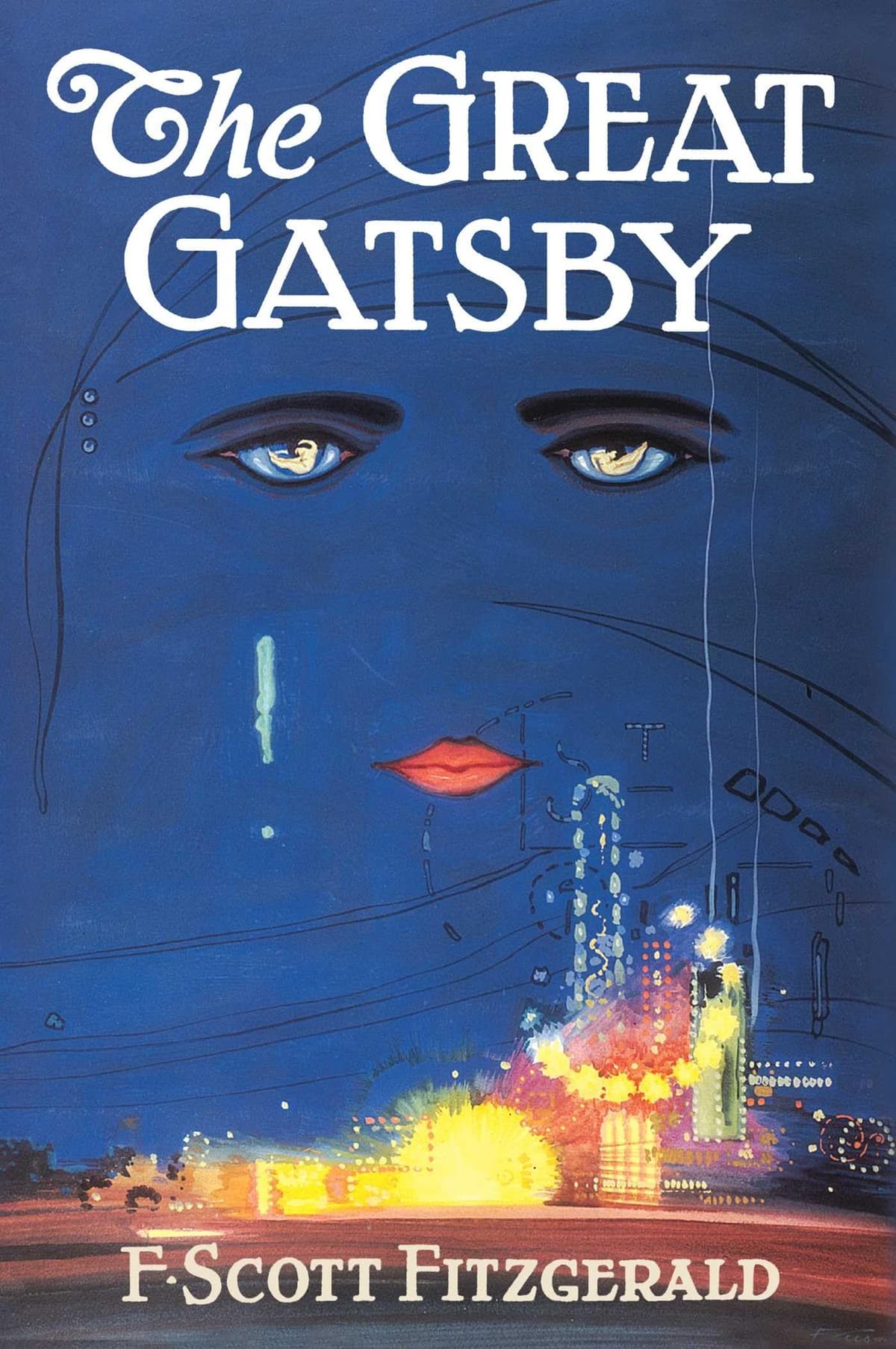 #3View Book
The Great Gatsby
F. Scott Fitzgerald
Accessible•5-6 hours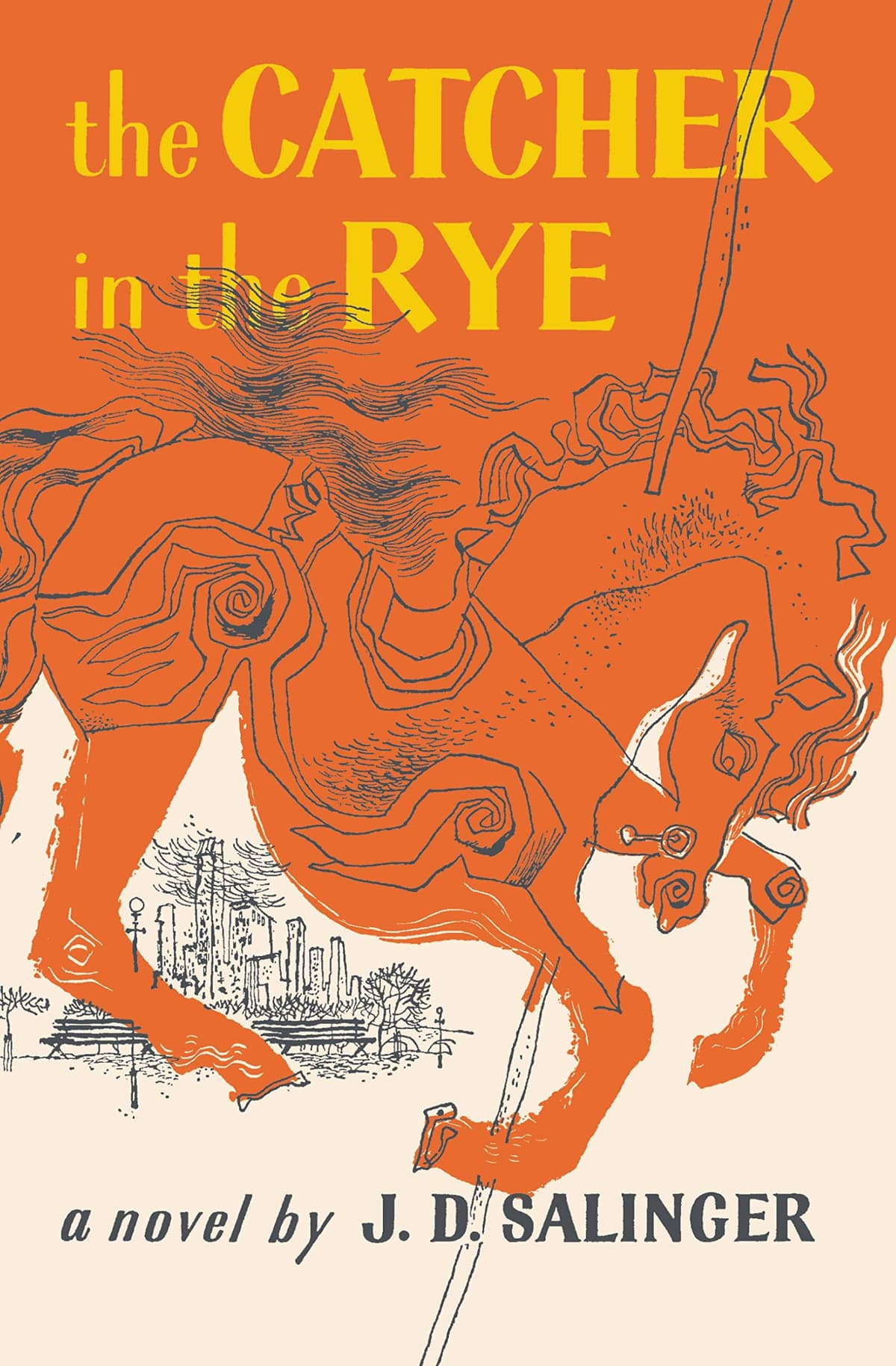 #4View Book
The Catcher in the Rye
J. D. Salinger
Accessible•6-8 hours #13View Book
Lolita
Vladimir Nabokov
Challenging•12-15 hours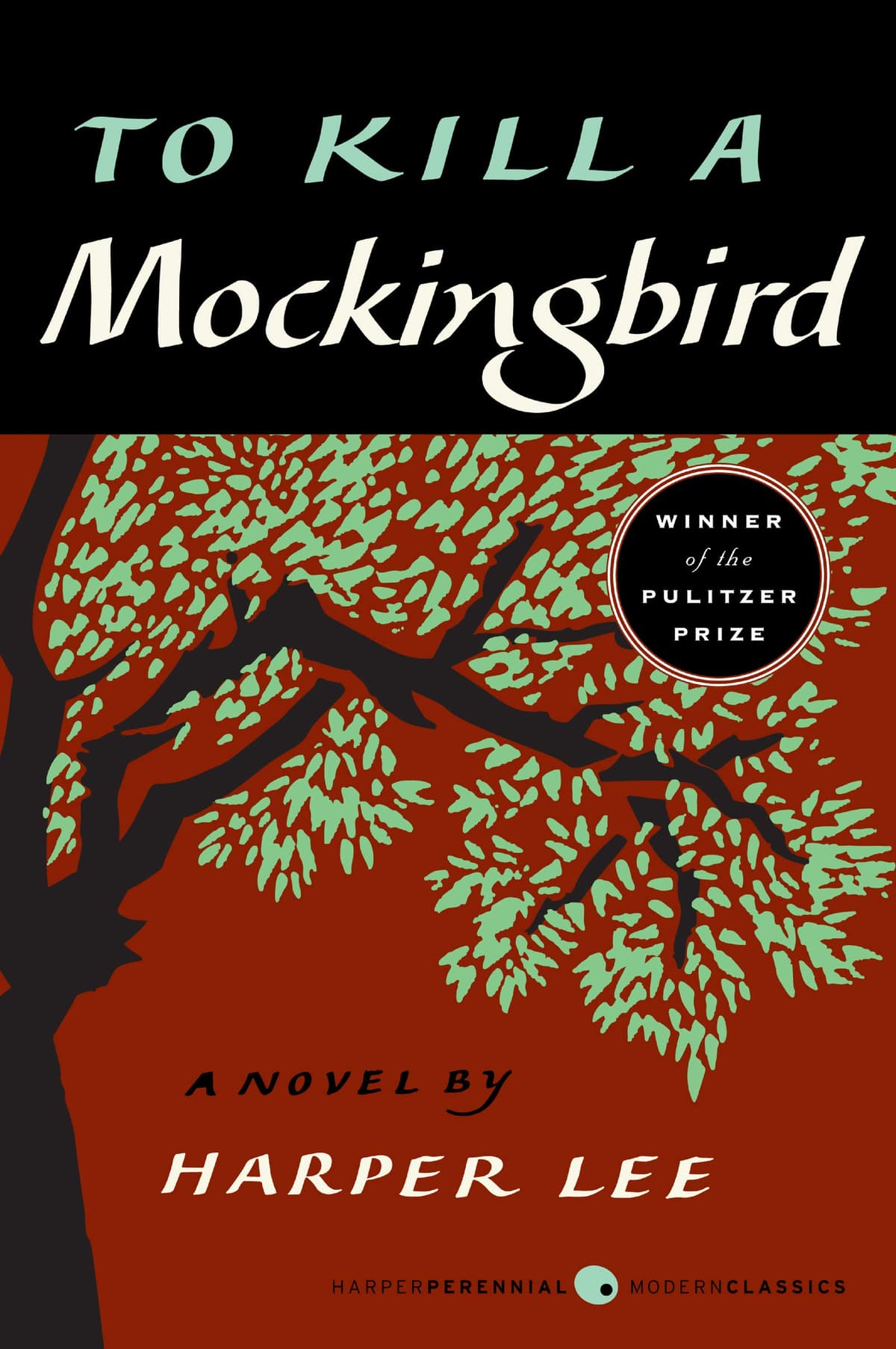 #17View Book
To Kill a Mockingbird
Harper Lee
Accessible•8-10 hours
Browse more collections