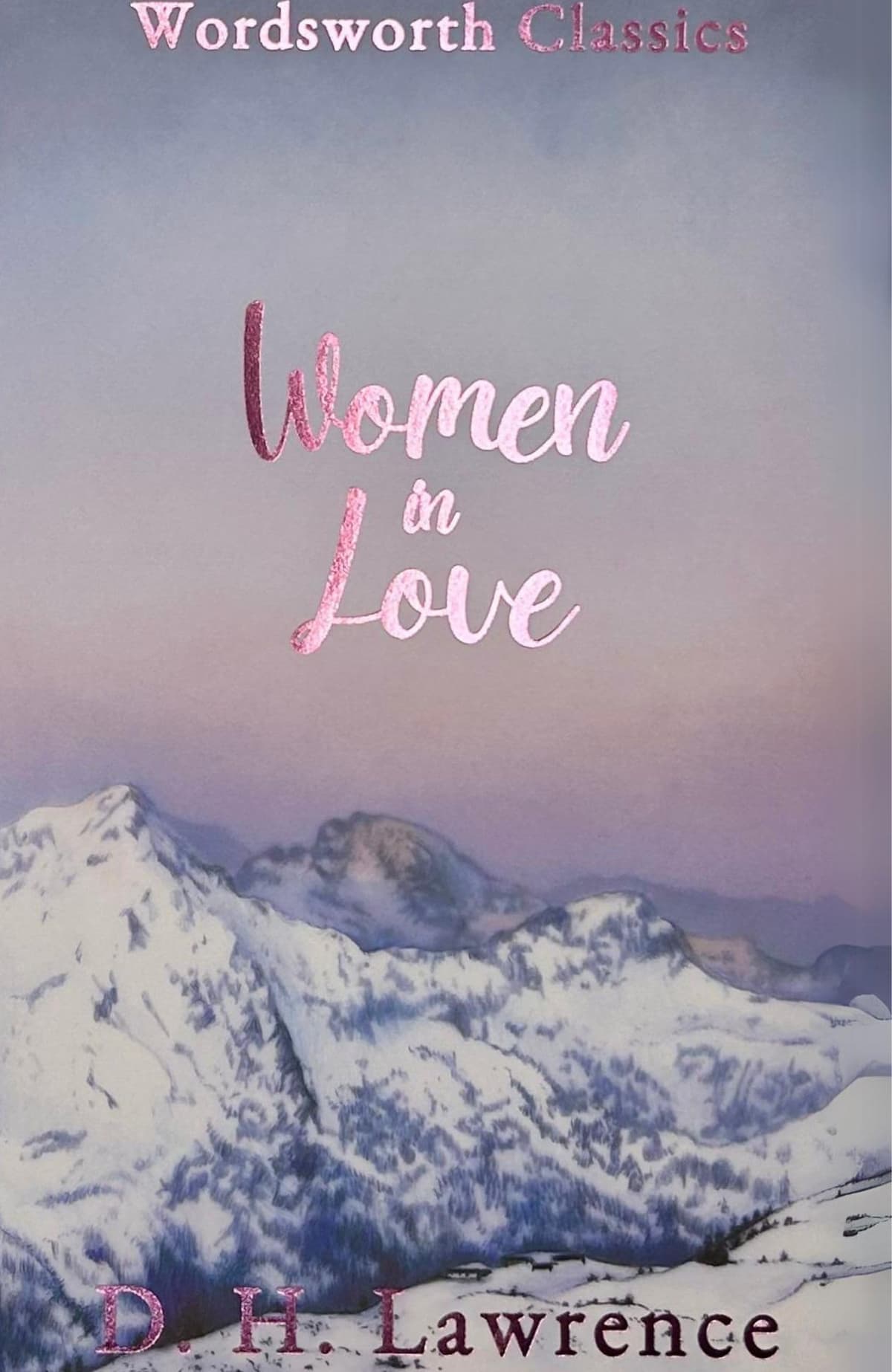
Women in Love
“She wanted to have no self, to be gone, to be nothing... to be a oneness with the ultimate.”
Women in Love Summary
Two sisters—Ursula and Gudrun Brangwen—stand at the edge of modern life in a Midlands mining town, watching a wedding procession and contemplating the question that will consume the entire novel: is love possible, and if so, what form should it take? Ursula, a schoolteacher, enters a passionate and combative relationship with Rupert Birkin, a school inspector who preaches a mystical doctrine of individual freedom and mutual "star-equilibrium" between lovers. Gudrun, an artist, is drawn to Gerald Crich, the industrial magnate whose will to dominate the mines extends to his emotional life—a relationship that begins in fierce attraction and spirals toward destruction.
Lawrence pours his entire philosophy of life into this novel—his belief that modern industrial civilization has severed humanity from its vital, instinctual core, and that only through authentic relationships between men and women can that connection be restored. The prose pulses with an almost physical intensity: scenes of lovemaking, wrestling, and argument are rendered with a visceral power that shocked Lawrence's contemporaries and still startles today. Women in Love is not a comfortable read—it is a novel that demands engagement, that provocation be met with reflection. It is Lawrence at his most ambitious and uncompromising, attempting nothing less than a diagnosis of the modern soul and a prescription for its healing.
Why Read Women in Love?
Lawrence is one of those writers who either sets you on fire or leaves you cold—there is no middle ground. If you are willing to meet him on his terms, Women in Love offers an experience unlike anything else in English literature: a novel that thinks with its body, that makes ideas feel as urgent as desire and desire as consequential as philosophy. The four central characters—Ursula, Gudrun, Birkin, and Gerald—are among the most intensely alive figures in modern fiction, locked in relationships that crackle with erotic and intellectual electricity.
The novel endures because it asks the hardest questions about love: whether two people can truly meet as equals, whether passion destroys or liberates, whether the modern world has made authentic connection impossible. Lawrence's answers are provisional, contradictory, sometimes infuriating—but always searingly honest. Women in Love is the rare novel that makes you argue with it, that gets under your skin and stays there. It is a book that will change your vocabulary for talking about what happens between human beings.
About D. H. Lawrence
D. H. Lawrence (1885–1930) was born in Eastwood, Nottinghamshire, the son of a coal miner and a former schoolteacher—a class divide that would fuel his fiction for life. He won a scholarship to Nottingham University, taught briefly, and published his first novel, The White Peacock, in 1911. His elopement in 1912 with Frieda Weekley, the German-born wife of his former professor, scandalized Edwardian society and began a tempestuous, nomadic partnership that lasted until his death.
Lawrence's major works—Sons and Lovers, The Rainbow, Women in Love, and Lady Chatterley's Lover—chart his relentless exploration of sexual and emotional honesty, often at the cost of censorship and public outrage. The Rainbow was suppressed for obscenity in 1915, and Lady Chatterley's Lover was not published unexpurgated in Britain until 1960. He was also a prolific poet, essayist, and travel writer. Ravaged by tuberculosis, he died in Vence, France, at the age of forty-four, leaving behind a body of work whose passionate intensity and psychological daring have secured his place among the giants of twentieth-century literature.
Reading Guide
Ranked #233 among the greatest books of all time, Women in Love by D. H. Lawrence has earned its place in the literary canon. Originally written in English and published in 1920, this challenging read from United Kingdom continues to resonate with readers today.
This book belongs to our Love & Loss and Modern Mind collections, where you can discover more books that share its spirit and themes.
If you enjoy challenging reads like this one, you might also like Ulysses, Moby-Dick, or Lolita.
From the Love & Loss Collection
If you enjoyed Women in Love, discover more masterpieces that share its spirit.
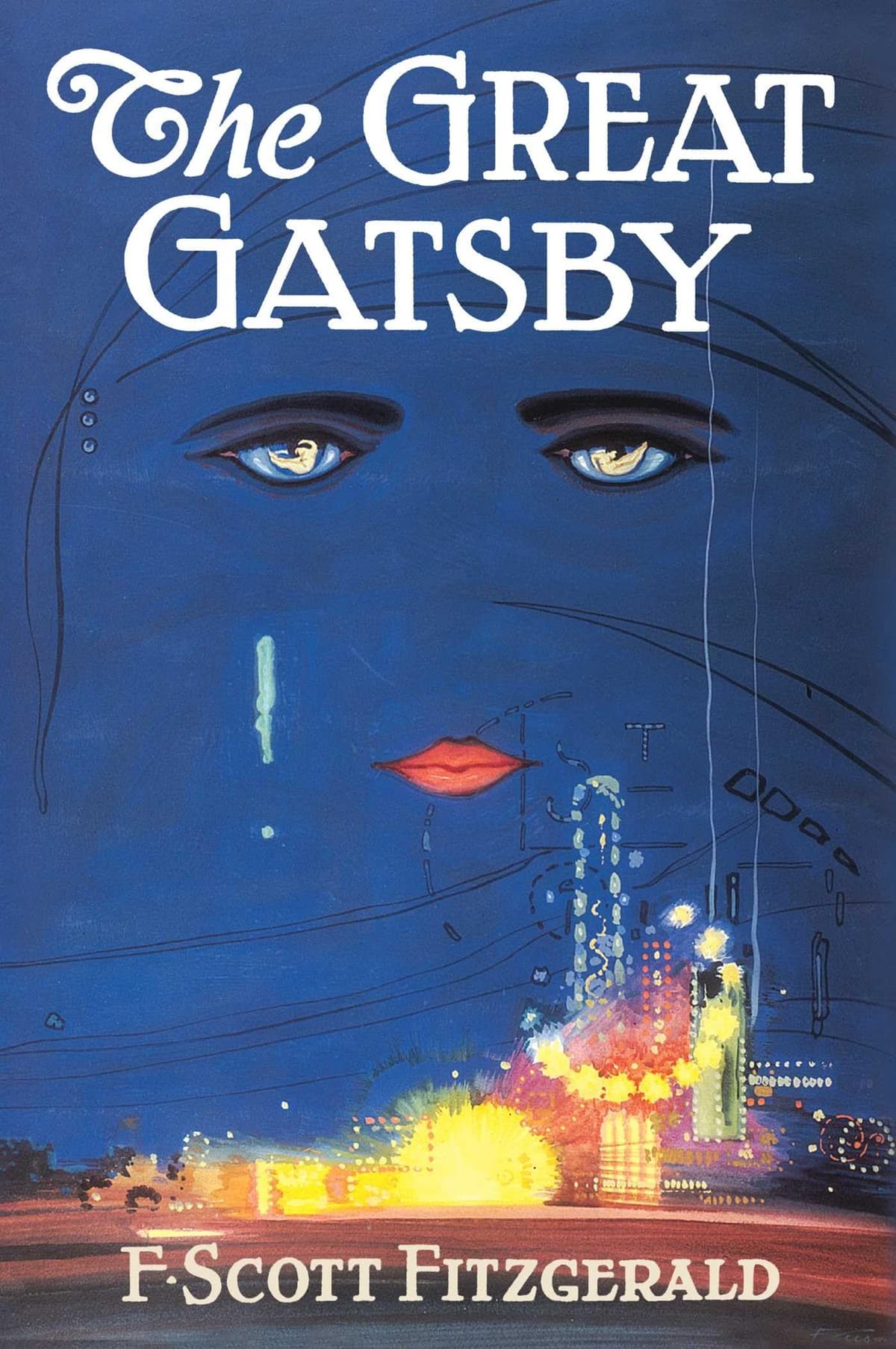 #3View Book
The Great Gatsby
F. Scott Fitzgerald
Accessible•5-6 hours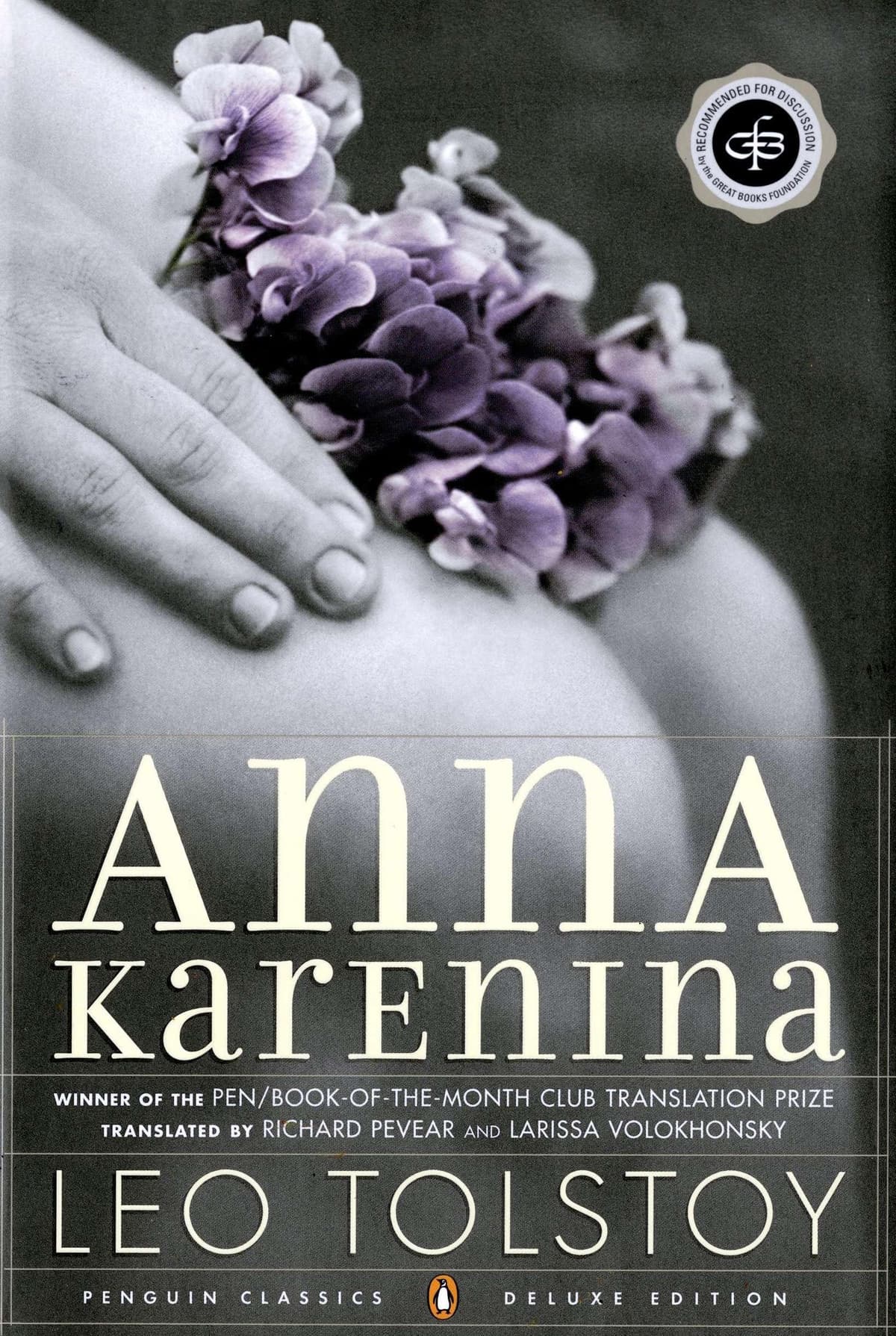 #10View Book
Anna Karenina
Leo Tolstoy
High•30-35 hours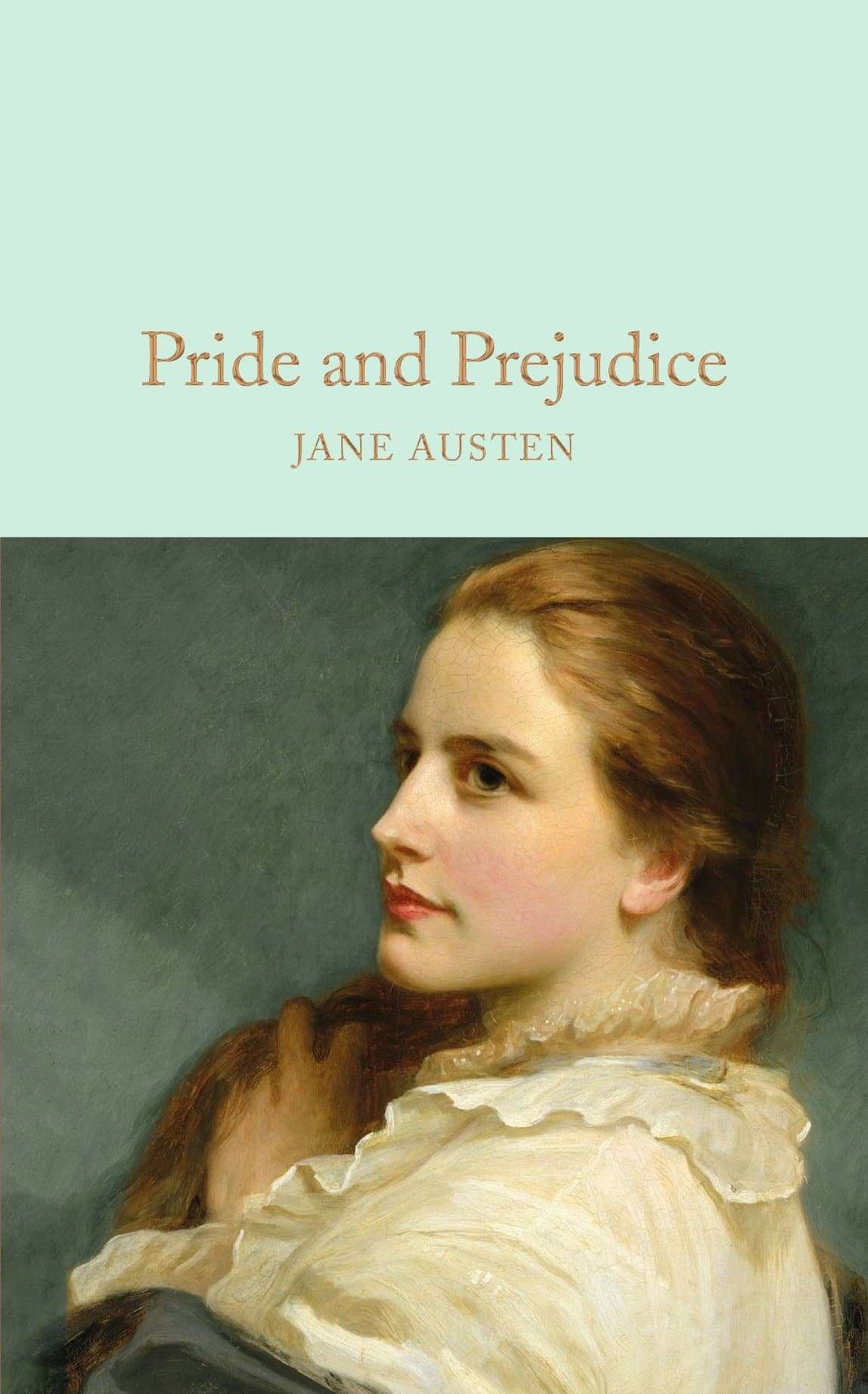 #12View Book
Pride and Prejudice
Jane Austen
Accessible•10-12 hours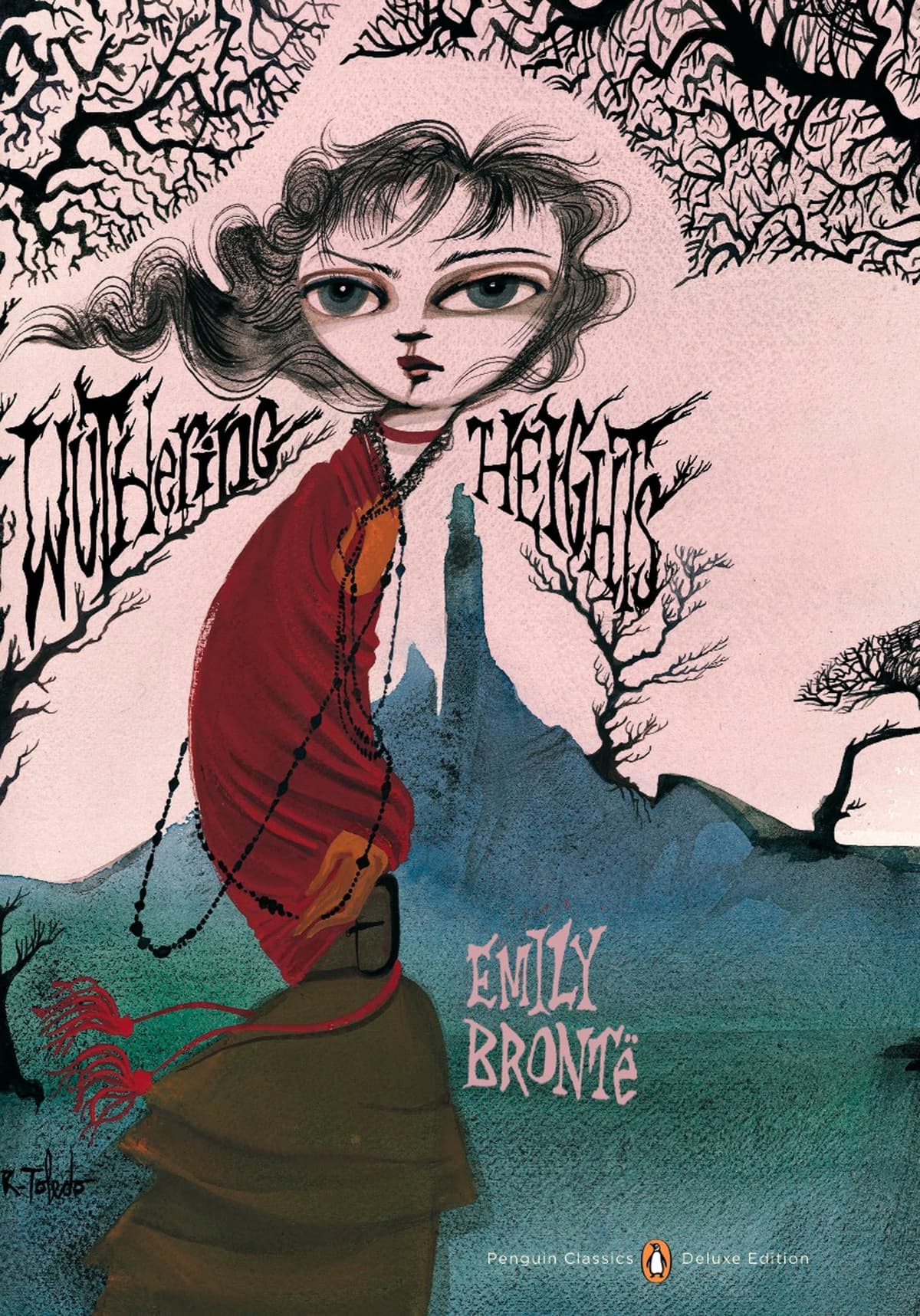 #15View Book
Wuthering Heights
Emily Brontë
Moderate•10-12 hours
Browse more collections