Kim
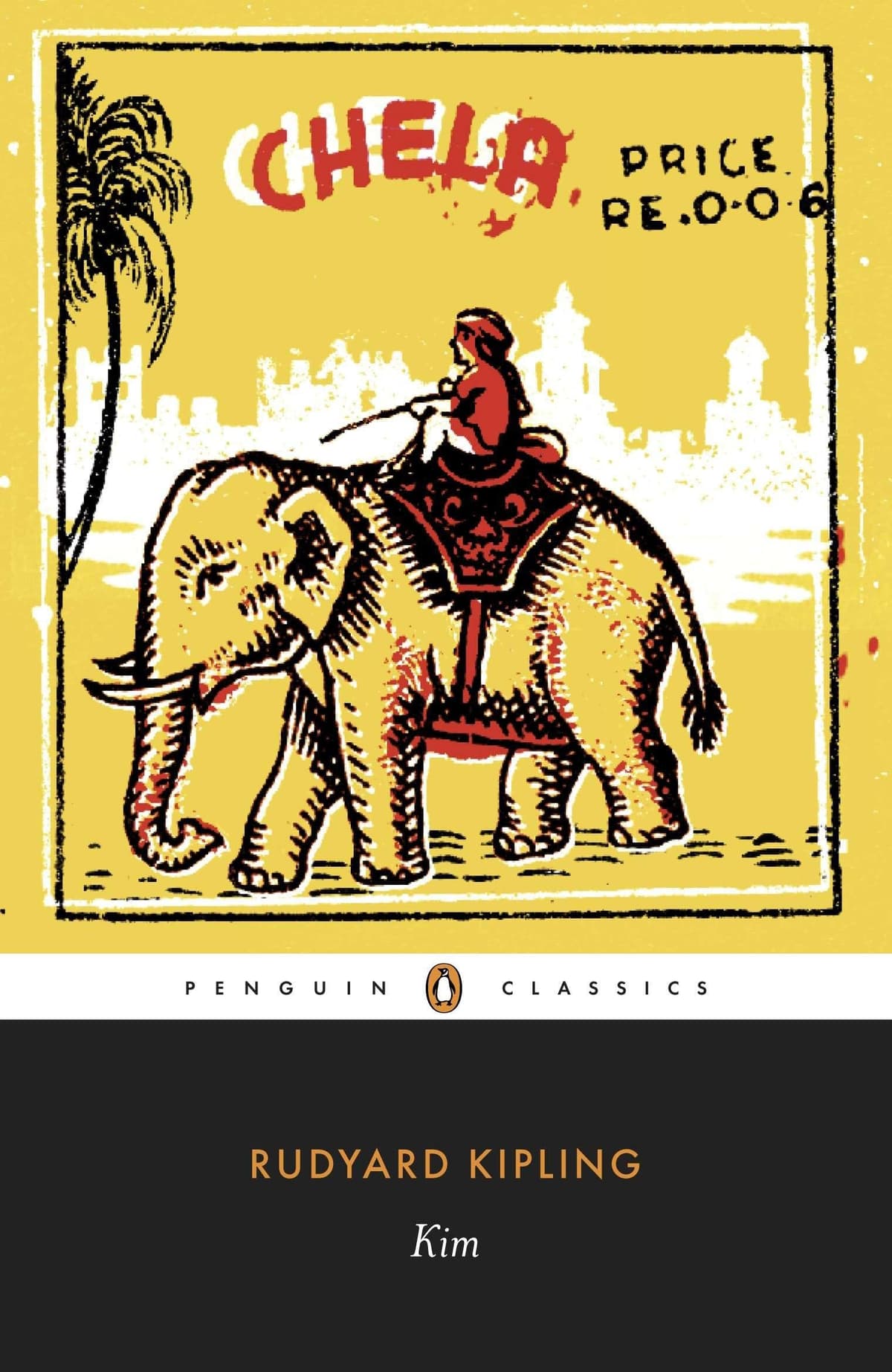
“Who is Kim—Kim—Kim?”
Kim Summary
Kimball O'Hara—Kim—is the orphaned son of an Irish soldier, raised as a street urchin in the teeming bazaars of Lahore. Brown-skinned from the sun, fluent in Hindi and Urdu, he moves through the city with the ease of a native, a ragamuffin prince of the Grand Trunk Road. Two forces claim him: the lama, a Tibetan Buddhist monk searching for a sacred River of the Arrow that will free him from the Wheel of Things, and the British secret service, which recognizes in Kim's street cunning and gift for disguise the makings of a perfect spy. Kim becomes the lama's devoted disciple—carrying his begging bowl, guarding him from danger—while simultaneously playing the Great Game of espionage between the British and Russian empires for control of Central Asia.
Kipling's novel is a love letter to India—its colors, its smells, its ceaseless human theater—rendered with a sensory richness that no Western writer has matched before or since. The Grand Trunk Road itself becomes a character: a river of humanity flowing with soldiers, merchants, priests, and peasants, each carrying a story. Kim's dual identity—Irish by blood, Indian by upbringing, caught between the spiritual quest of the lama and the worldly intrigues of empire—gives the novel its extraordinary tension. It is at once a picaresque adventure, a coming-of-age tale, and a meditation on identity, belonging, and the question that haunts Kim throughout: "Who is Kim?"
Why Read Kim?
No novel has ever captured the intoxicating spectacle of India with such vivid, all-encompassing detail. Kipling writes with the authority of a man who was born there—who absorbed the subcontinent's languages, customs, and contradictions into his very bones—and his portrait of the Grand Trunk Road is one of the great set pieces of world literature. Kim himself is an irresistible creation: part Huckleberry Finn, part secret agent, part spiritual seeker, a boy who belongs everywhere and nowhere at once.
The novel raises questions about identity, loyalty, and the collision of cultures that have only grown more urgent with time. Is Kim Irish or Indian? A servant of empire or a disciple of enlightenment? Kipling refuses to resolve these tensions, and that refusal is what makes the novel so endlessly fascinating. Yes, it is a product of its colonial era, and yes, that demands critical reading—but to dismiss it on those grounds is to lose one of the most exuberant, generous, and deeply humane adventure stories ever written. It will make you want to pack a bag and walk the roads of the world.
About Rudyard Kipling
Rudyard Kipling (1865–1936) was born in Bombay (now Mumbai), India, and spent his earliest years absorbing the sights, sounds, and languages of the subcontinent before being sent to school in England at the age of six—a traumatic displacement that haunted his writing for life. He returned to India as a journalist at seventeen, and the stories and poems he produced from Lahore and Allahabad made him famous before he was twenty-five. His Barrack-Room Ballads, Plain Tales from the Hills, and the two Jungle Books established him as the most popular writer in the English-speaking world.
Kipling won the Nobel Prize in Literature in 1907—the first English-language writer and the youngest recipient at that time. His works include The Just So Stories, Captains Courageous, Stalky & Co., and the poem "If—," consistently voted Britain's favorite poem. His reputation has undergone dramatic reassessment: once celebrated as the bard of the British Empire, he is now read with a more critical eye toward his imperialist views, yet his storytelling gifts, his command of vernacular, and his deep knowledge of India remain undeniable.
Reading Guide
Ranked #232 among the greatest books of all time, Kim by Rudyard Kipling has earned its place in the literary canon. Originally written in English and published in 1901, this moderate read from United Kingdom continues to resonate with readers today.
This book belongs to our Epics and Philosophy & Faith collections, where you can discover more books that share its spirit and themes.
If you enjoy moderate reads like this one, you might also like One Hundred Years of Solitude, Nineteen Eighty-Four, or Wuthering Heights.
From the Epics Collection
If you enjoyed Kim, discover more masterpieces that share its spirit.
 #1View Book
Ulysses
James Joyce
Challenging•35-40 hours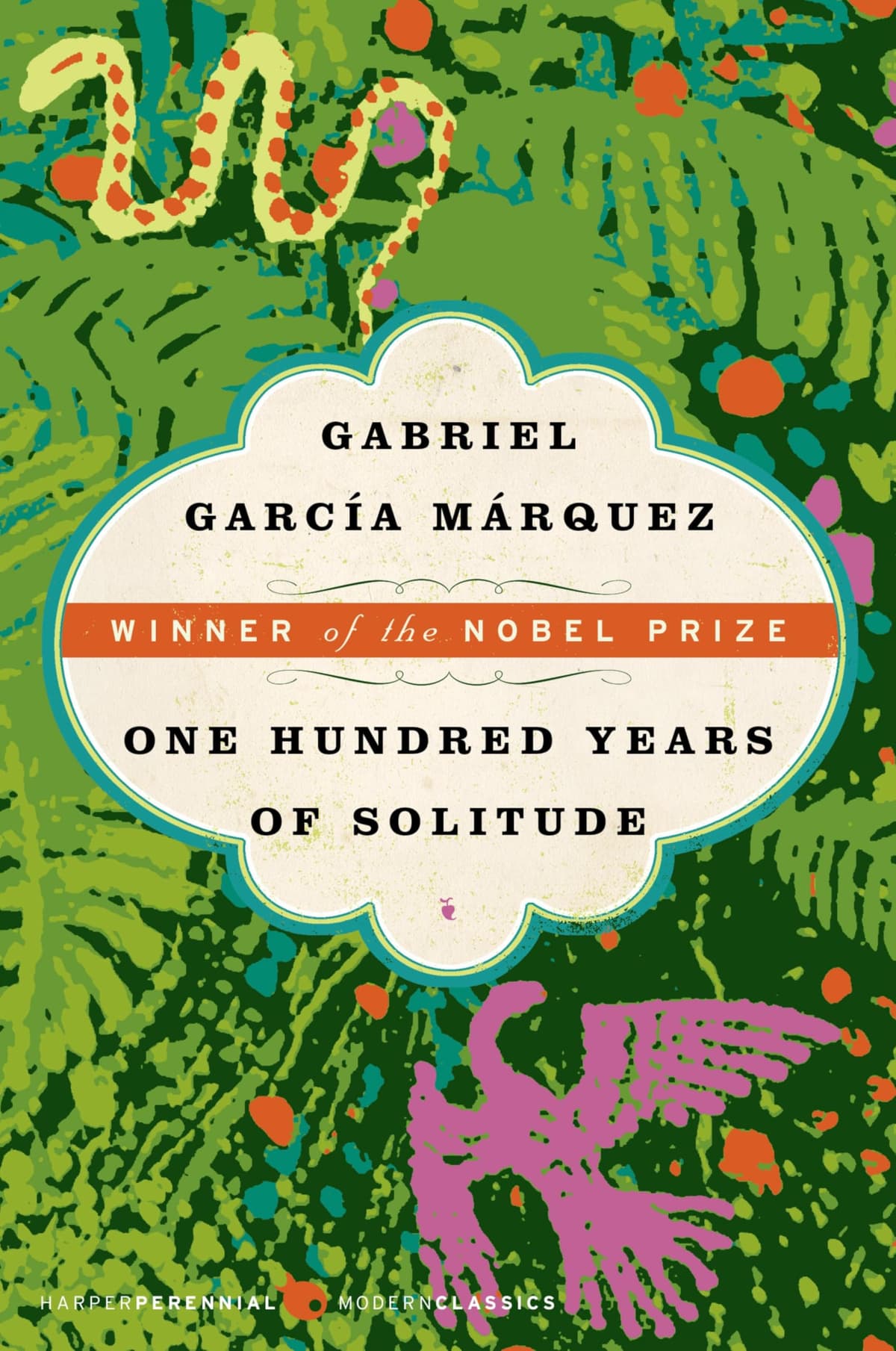 #5View Book
One Hundred Years of Solitude
Gabriel García Márquez
Moderate•15-20 hours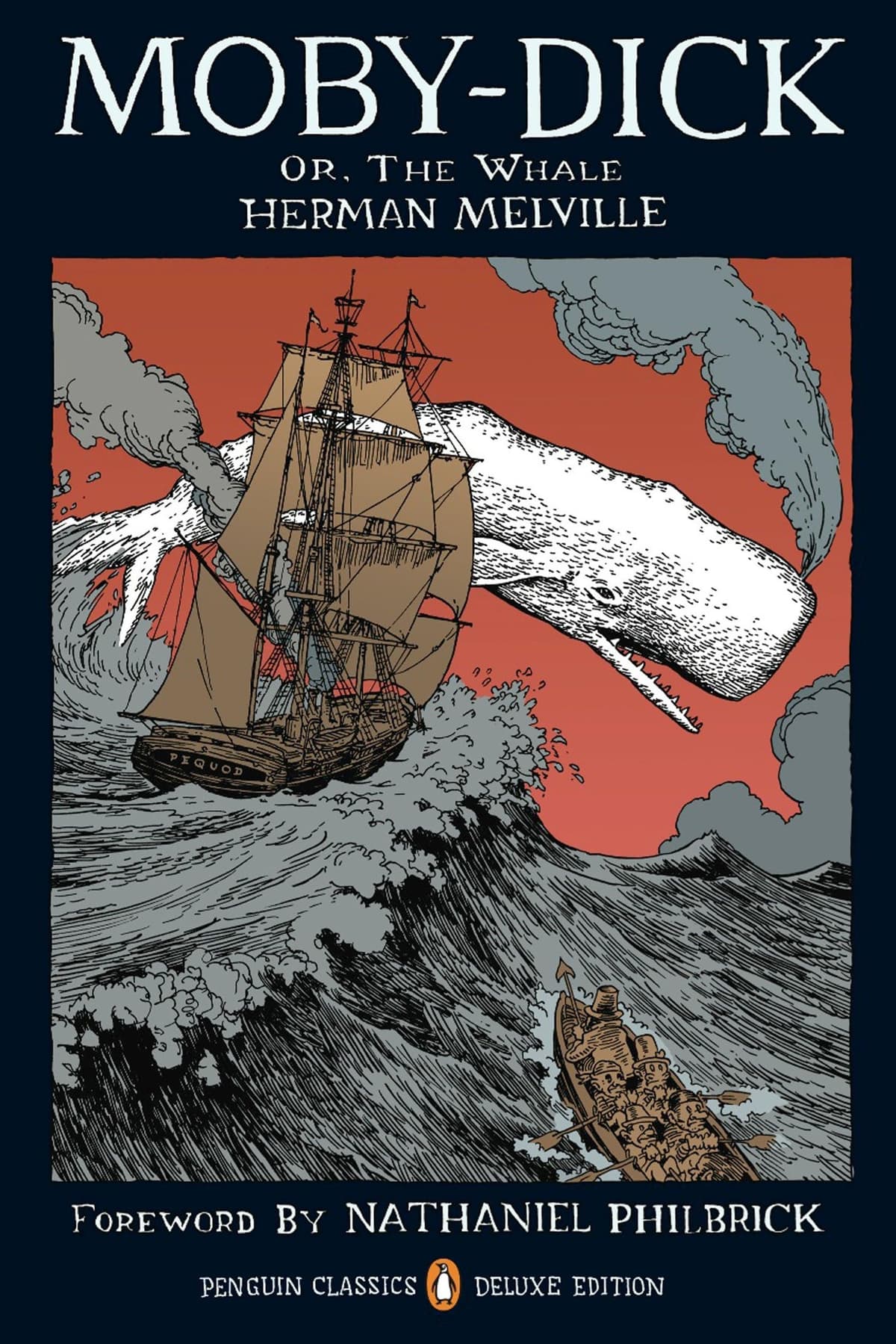 #7View Book
Moby-Dick
Herman Melville
Challenging•20-25 hours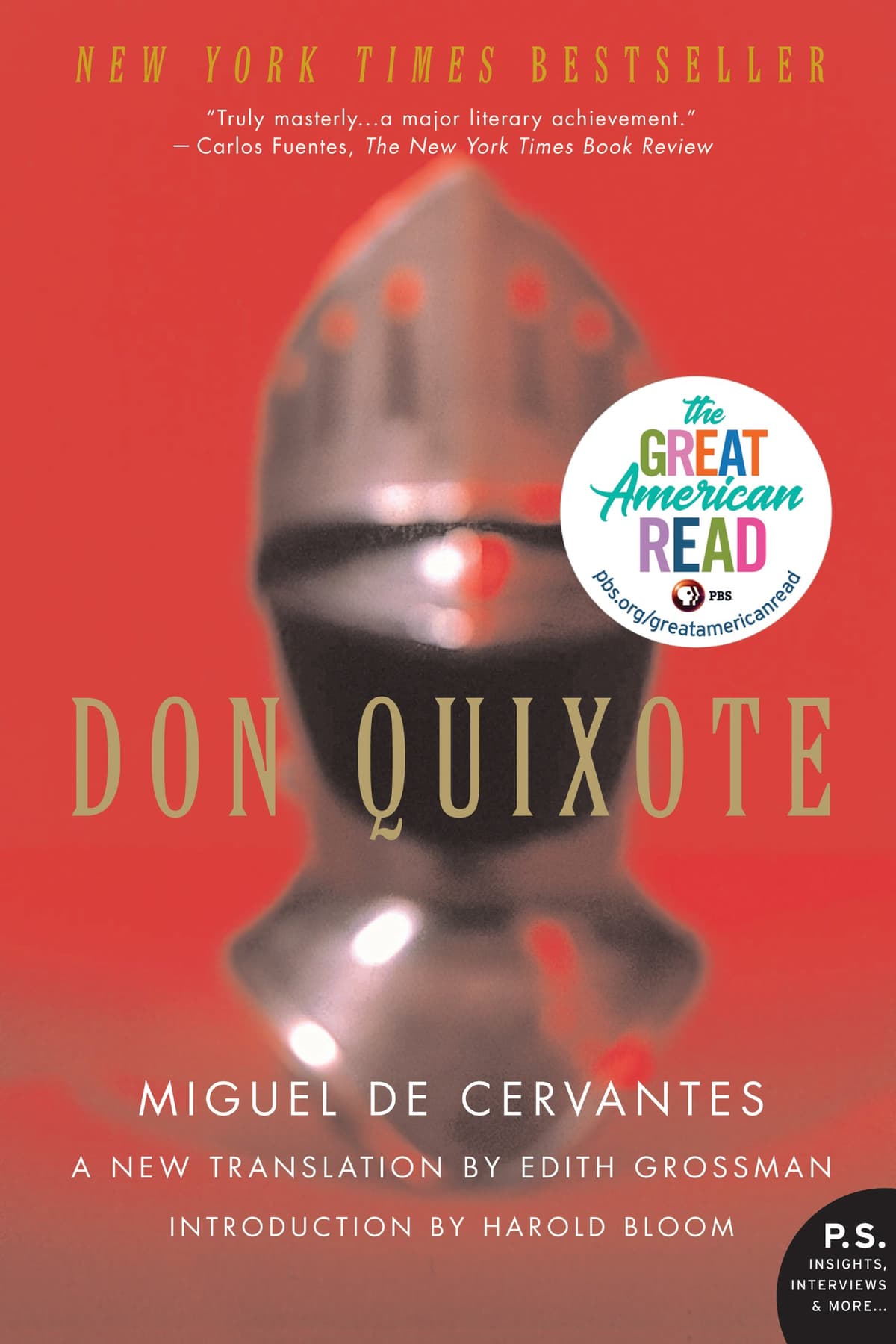 #9View Book
Don Quixote
Miguel de Cervantes
High•35-40 hours
Browse more collections