Never Let Me Go
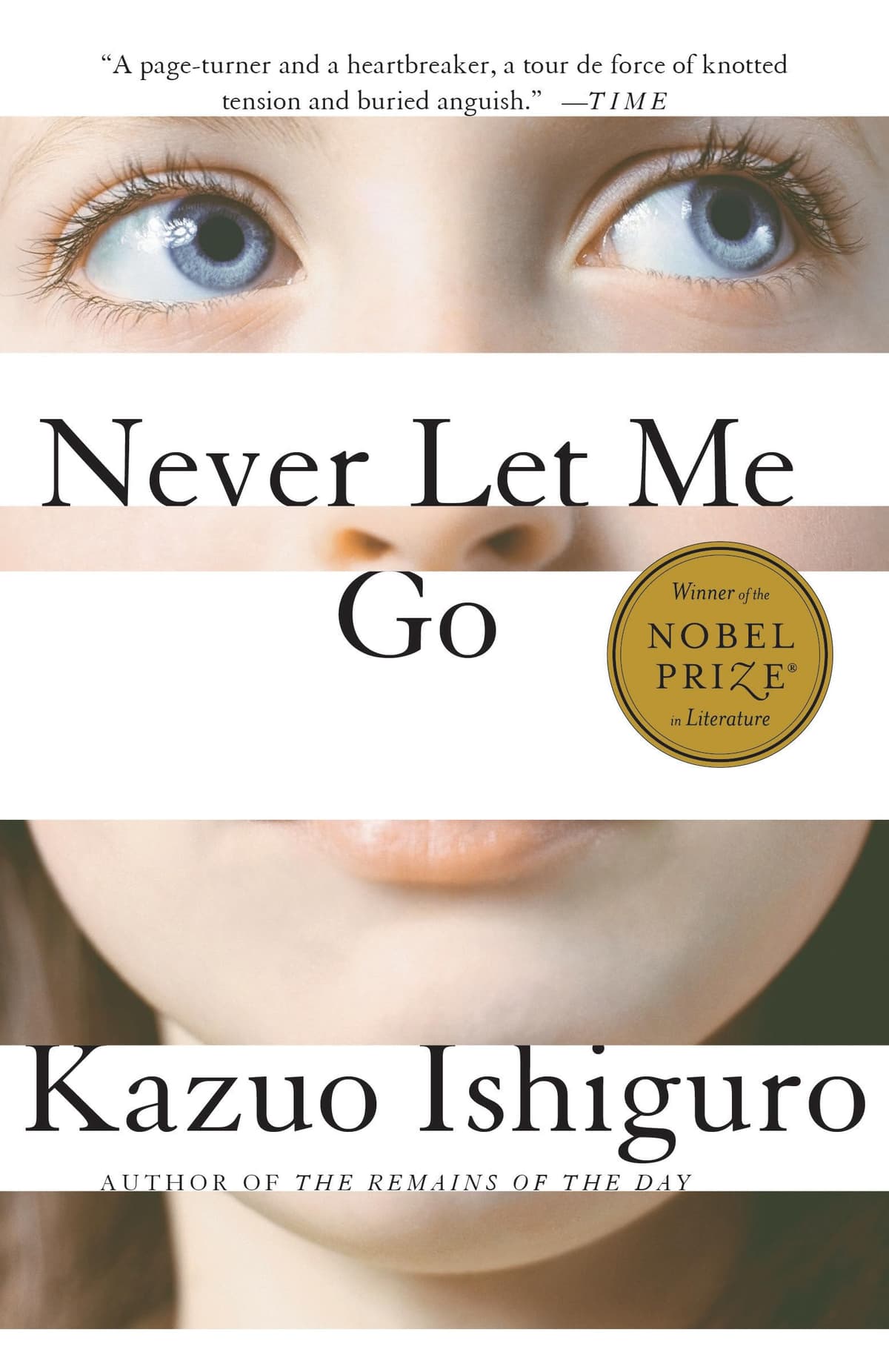
“What I'm not sure about, is if our lives have been so different from the lives of the people we save.”
Never Let Me Go Summary
Kathy H., now thirty-one years old, looks back on her life at Hailsham, an idyllic English boarding school where she and her friends Tommy and Ruth grew up under the watchful care of their guardians. Gradually, through a masterful accumulation of hints and half-understood revelations, the true nature of Hailsham emerges: the students are clones, raised to donate their vital organs as young adults until they "complete," a euphemism for death. The novel traces the shifting triangle of friendship and love between Kathy, the impulsive Ruth, and the gentle, volatile Tommy as they move from the sheltered world of Hailsham to bleak halfway houses and finally to the donation wards. Kathy's quiet, measured narration belies the horror of a world that has normalized the exploitation of human life.
Ishiguro's genius lies in making the speculative premise feel not sensational but devastatingly ordinary. Never Let Me Go is less concerned with the science fiction of cloning than with the universal experience of confronting mortality, the way human beings create meaning and connection even when the future has been stolen from them. The students' passive acceptance of their fate raises unsettling questions about complicity, conformity, and the stories societies tell themselves to justify cruelty. The novel is also a profound meditation on memory and art, exploring whether creativity can serve as proof of a soul. Written in Ishiguro's characteristically restrained and luminous prose, it achieves an emotional power that builds slowly and lingers long after the final page.
Why Read Never Let Me Go?
Prepare for a novel that will reshape the way you think about life, death, and what it means to have a soul. Ishiguro unfolds his story with such quiet precision that the full horror of its premise creeps up almost imperceptibly, making the emotional impact all the more devastating when it arrives. Kathy's calm, retrospective voice draws readers into a world that feels familiar and deeply wrong in equal measure, a world that mirrors our own more closely than is comfortable to admit.
What elevates Never Let Me Go beyond its speculative premise is its unflinching exploration of how human beings face inevitable loss. The relationships between Kathy, Tommy, and Ruth are rendered with such tenderness and complexity that the novel functions as a love story, a friendship story, and a philosophical inquiry all at once. It asks whether art can redeem suffering, whether acceptance is a form of courage or surrender, and whether a society that sacrifices some lives for others can ever be called civilized. This is one of the essential novels of the twenty-first century, a book that haunts readers for years and only deepens with rereading.
About Kazuo Ishiguro
Kazuo Ishiguro was born in Nagasaki, Japan, in 1954 and moved to England with his family at the age of five. Raised in Guildford, Surrey, he studied English and philosophy at the University of Kent before earning a master's degree in creative writing from the University of East Anglia, where he studied under Malcolm Bradbury and Angela Carter. His early novels, A Pale View of Hills and An Artist of the Floating World, drew on his Japanese heritage, while The Remains of the Day, which won the Booker Prize in 1989, established him as one of the preeminent novelists writing in English.
Ishiguro's work is distinguished by its restrained prose, unreliable narrators, and profound engagement with memory, self-deception, and the passage of time. His novels span a remarkable range of settings and genres, from the English country house to dystopian futures to post-Arthurian Britain. Never Let Me Go, published in 2005, was named by Time magazine as the best novel of its decade. In 2017, Ishiguro was awarded the Nobel Prize in Literature for works that, in the words of the Swedish Academy, uncovered the abyss beneath the illusory sense of connection with the world. He was knighted in 2019 and continues to be regarded as one of the most important living writers in the English language.
Reading Guide
Ranked #290 among the greatest books of all time, Never Let Me Go by Kazuo Ishiguro has earned its place in the literary canon. Originally written in English and published in 2005, this accessible read from United Kingdom continues to resonate with readers today.
This book belongs to our Speculative Futures and Love & Loss collections, where you can discover more books that share its spirit and themes.
If you enjoy accessible reads like this one, you might also like The Great Gatsby, The Catcher in the Rye, or Pride and Prejudice.
From the Speculative Futures Collection
If you enjoyed Never Let Me Go, discover more masterpieces that share its spirit.
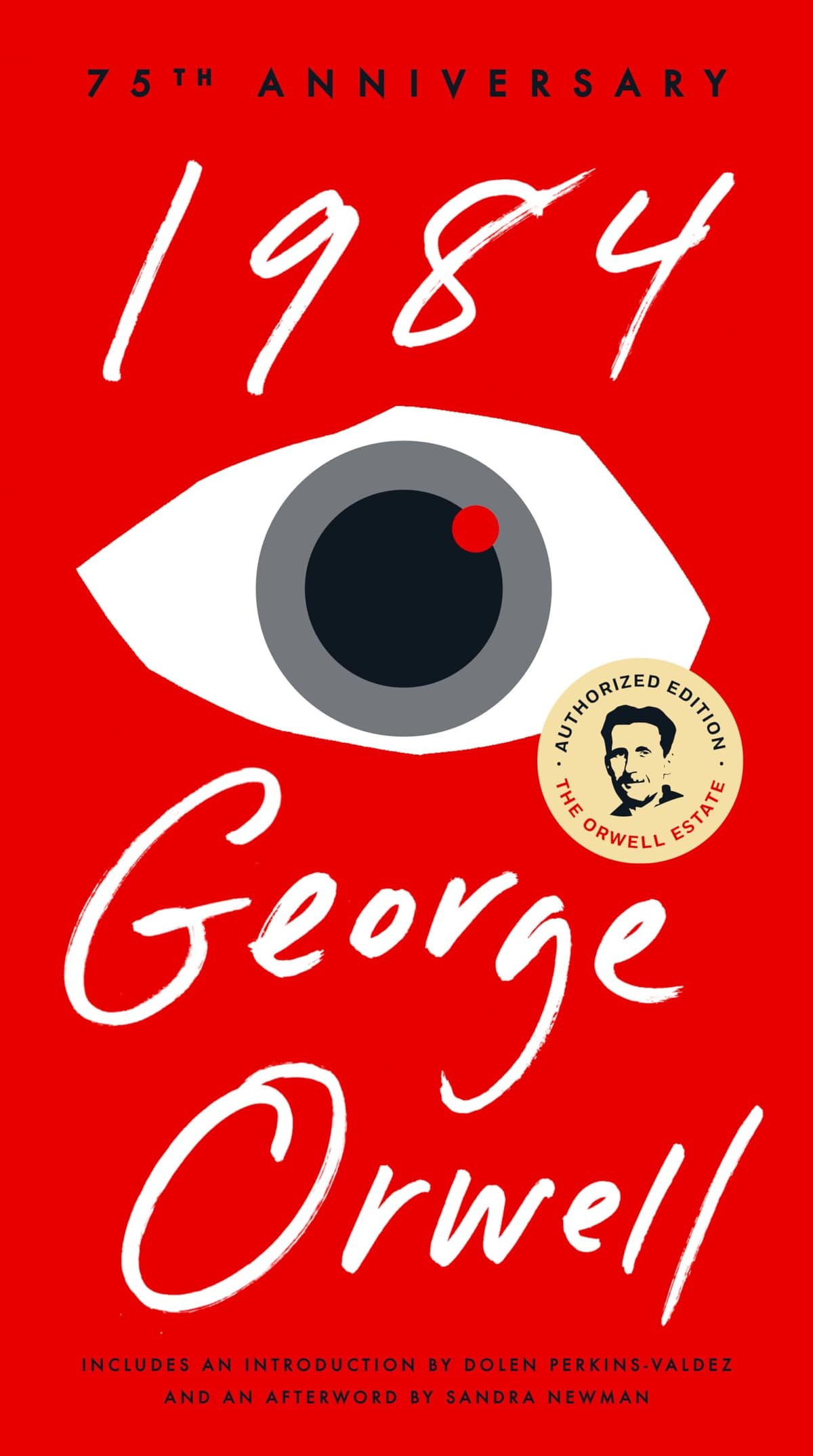 #6View Book
Nineteen Eighty-Four
George Orwell
Moderate•8-10 hours #20View Book
The Trial
Franz Kafka
Moderate•8-10 hours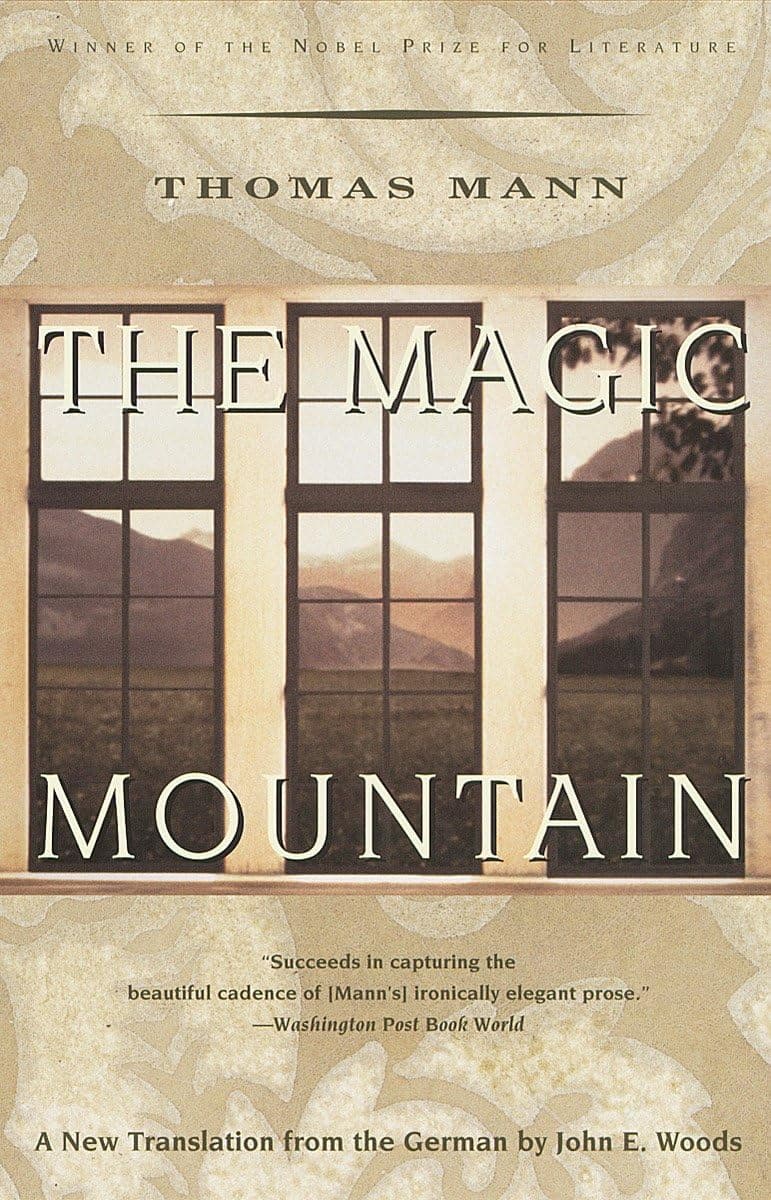 #27View Book
The Magic Mountain
Thomas Mann
High•30-35 hours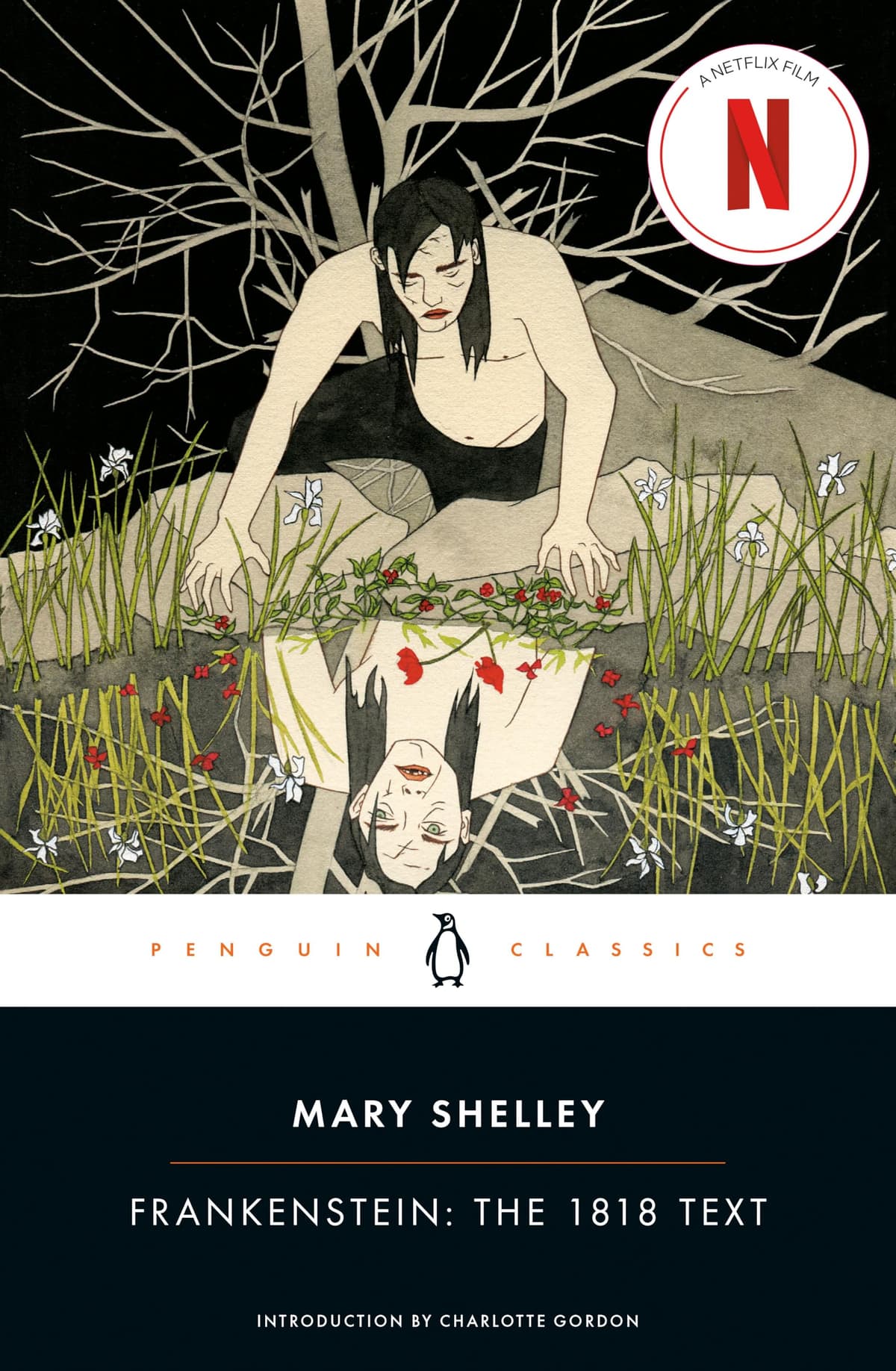 #41View Book
Frankenstein
Mary Shelley
Accessible•6-8 hours
Browse more collections