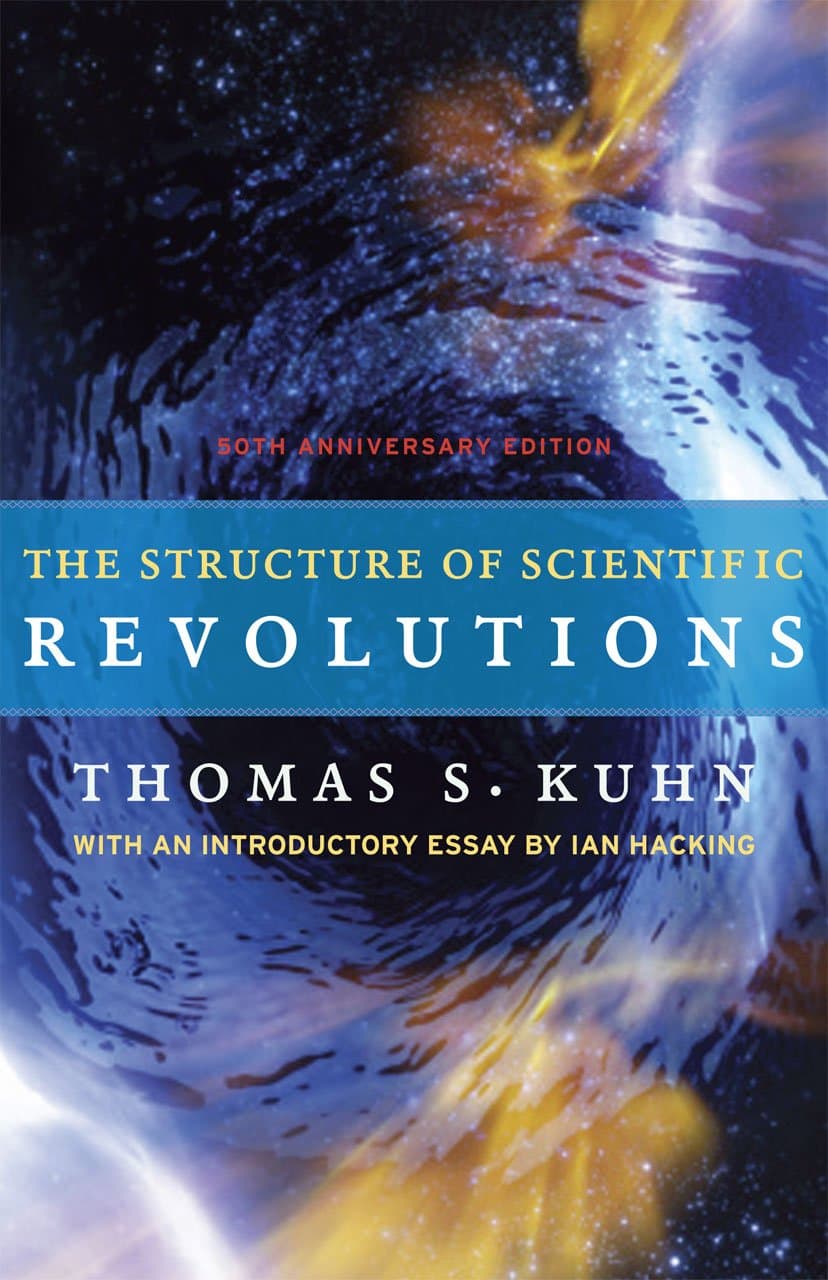
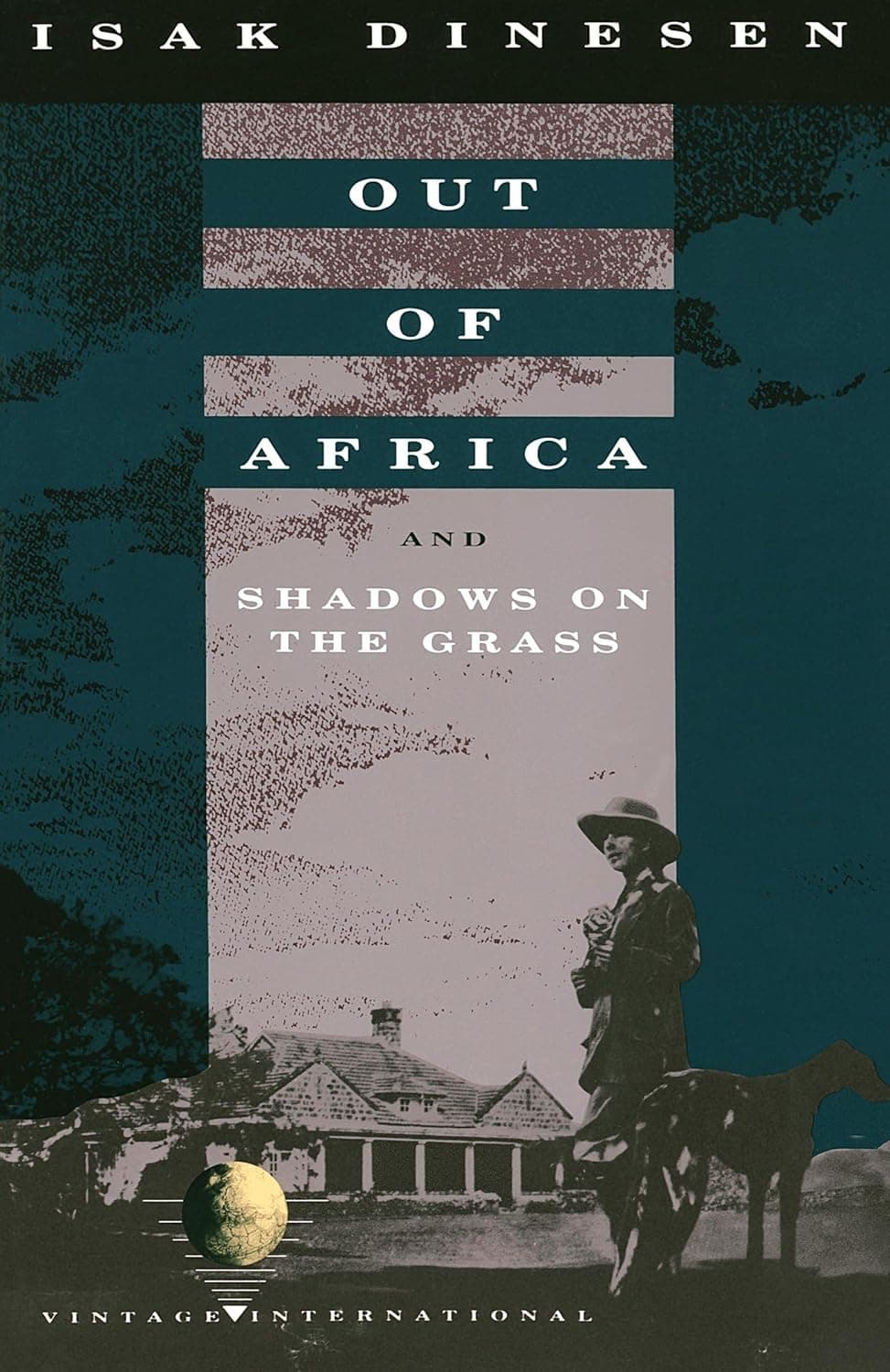
Out of Africa
“If I know a song of Africa, of the giraffe and the African new moon lying on her back, does Africa know a song of me?”
Out of Africa Summary
Out of Africa is a luminous memoir of the seventeen years Karen Blixen spent running a coffee plantation in the Ngong Hills of Kenya, from 1914 to 1931. The book is not a chronological narrative but a mosaic of portraits, stories, and meditations—on the Kikuyu and Masai people who worked her land and lived in its shadow, on the landscape itself with its vast skies and sudden rains, on the wild animals she encountered, and on the European settlers and adventurers who formed her circle. Blixen writes of her Somali servant Farah with deep affection, of Kamante the kitchen boy who became a gifted cook, of Denys Finch Hatton who took her flying over the Rift Valley, and of the slow, devastating loss of the farm itself as coffee prices collapsed and the land was sold. The prose has the cadence of oral storytelling—unhurried, precise, tinged with the melancholy of someone looking back at a world that has vanished. Every scene is rendered with a painter's eye for light and composition: the hills turning violet at dusk, the giraffes moving in slow procession across the savanna, the night sky above the highlands ablaze with stars.
Writing under her pen name Isak Dinesen, Blixen created one of the twentieth century's great works of literary nonfiction. Out of Africa transcends the colonial memoir through the sheer quality of its prose and the depth of its attention to the people and landscape of East Africa. While the book inevitably reflects the attitudes of its era—Blixen's paternalism toward her African workers is unmistakable—it also reveals a sensibility genuinely transformed by its encounter with another world. The book's elegiac tone captures not just the loss of a farm but the end of an entire way of life, making it a meditation on impermanence, belonging, and the landscapes that shape us.
Why Read Out of Africa?
Out of Africa will transport you so completely that you will feel the red dust of the Ngong Hills beneath your feet and hear the silence of the African highlands pressing against your ears. Karen Blixen writes with a prose style of extraordinary clarity and beauty—each sentence weighted and shaped like something carved from ivory—and her portraits of the people, animals, and landscapes of Kenya possess a vividness that makes this memoir feel less like recollection than lived experience. This is one of those rare books where the quality of the writing is itself the primary pleasure: you read it not merely for what it tells you but for how it makes you see.
Beyond its literary magnificence, Out of Africa is a profound meditation on loss and the places that form us. Blixen lost nearly everything in Africa—her marriage, her farm, her lover—and the book is suffused with a melancholy that never tips into self-pity. Instead, she transforms loss into art, finding in the act of remembering a way to honor what has vanished. If you have ever loved a place so deeply that leaving it felt like losing a part of yourself, this book will speak to you with an intimacy that transcends time and geography. It is one of the supreme achievements of twentieth-century prose.
About Isak Dinesen
Karen Blixen was born in 1885 in Rungsted, Denmark, into an aristocratic family. Her father, a writer and adventurer, died by suicide when she was ten, an event that shadowed her life. She studied art in Copenhagen, Paris, and Rome before marrying her cousin Baron Bror Blixen-Finecke in 1914 and moving to British East Africa to manage a coffee plantation near Nairobi. The marriage dissolved, but Blixen remained in Africa for seventeen years, running the farm with increasing financial difficulty and conducting a love affair with the English aristocrat and aviator Denys Finch Hatton, who was killed in a plane crash in 1931. The same year, the farm failed and Blixen returned to Denmark.
Writing under the pen name Isak Dinesen, Blixen published Out of Africa in 1937 and the story collection Seven Gothic Tales, which had appeared in 1934 to immediate acclaim. Her other major works include Winter's Tales, Last Tales, and Babette's Feast. Blixen's prose style—elegant, precise, and suffused with a storyteller's sense of the mythic—earned her comparisons to the great Scandinavian writers and admiration from figures as diverse as Hemingway, Truman Capote, and Orson Welles. She was repeatedly nominated for the Nobel Prize in Literature. Blixen died in 1962 at her family estate in Rungsted, which is now a museum in her honor. She remains Denmark's most celebrated modern writer.
Reading Guide
Ranked #401 among the greatest books of all time, Out of Africa by Isak Dinesen has earned its place in the literary canon. Originally written in English and published in 1937, this moderate read from Denmark continues to resonate with readers today.
This book belongs to our Love & Loss collection, where you can discover more books that share its spirit and themes.
If you enjoy moderate reads like this one, you might also like One Hundred Years of Solitude, Nineteen Eighty-Four, or Wuthering Heights.
From the Love & Loss Collection
If you enjoyed Out of Africa, discover more masterpieces that share its spirit.
 #3View Book
The Great Gatsby
F. Scott Fitzgerald
Accessible•5-6 hours #10View Book
Anna Karenina
Leo Tolstoy
High•30-35 hours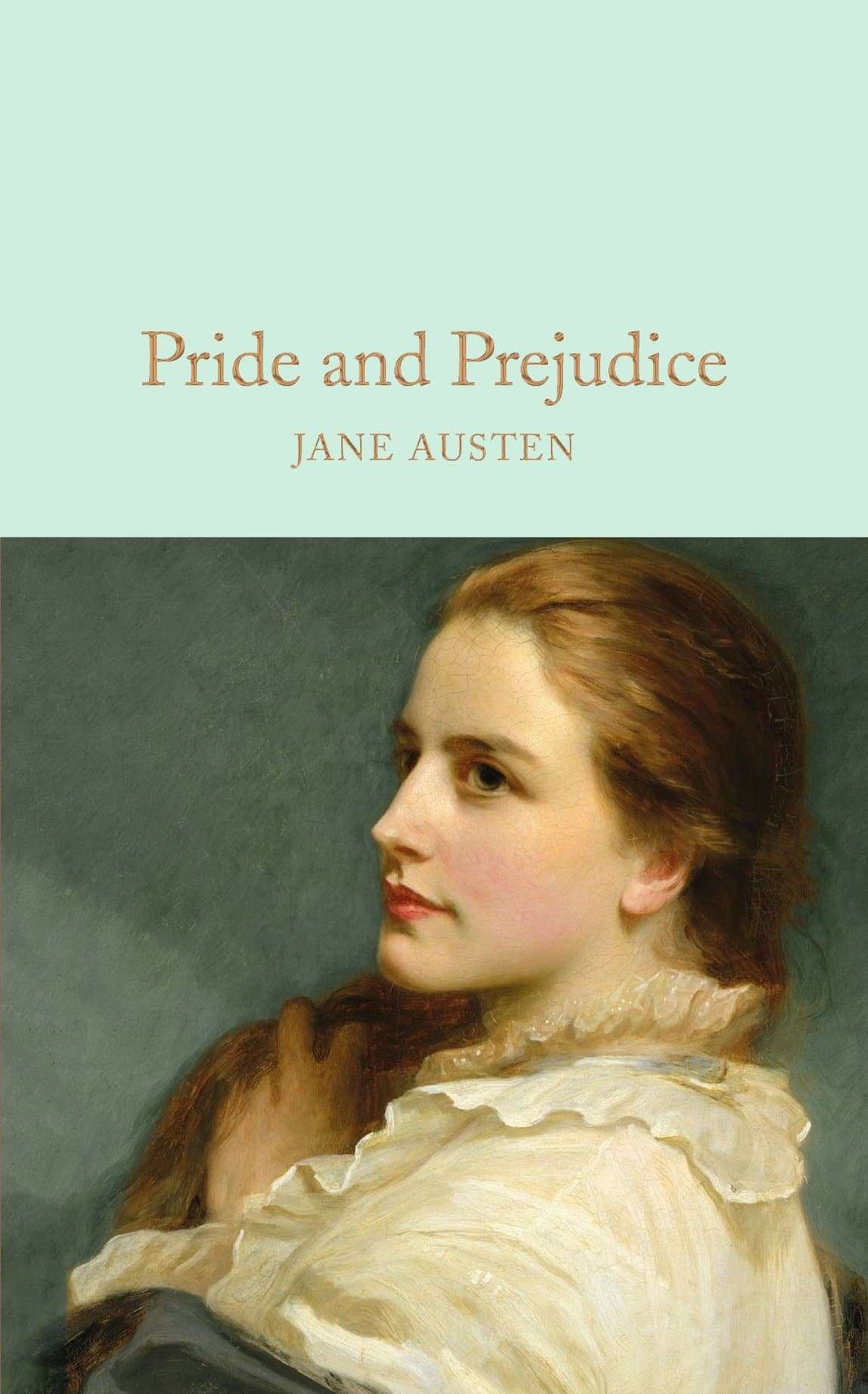 #12View Book
Pride and Prejudice
Jane Austen
Accessible•10-12 hours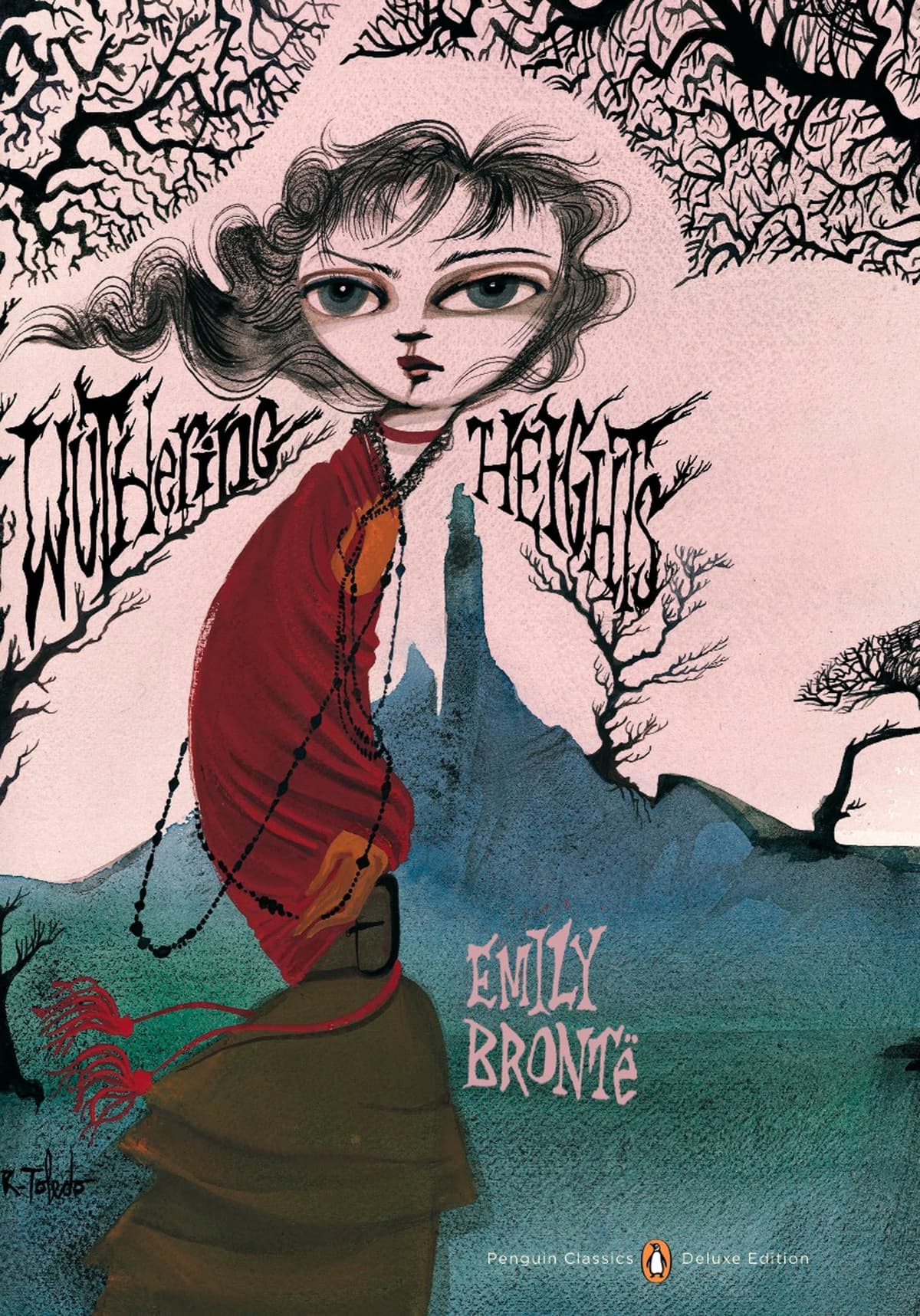 #15View Book
Wuthering Heights
Emily Brontë
Moderate•10-12 hours
Browse more collections