The Lost Estate
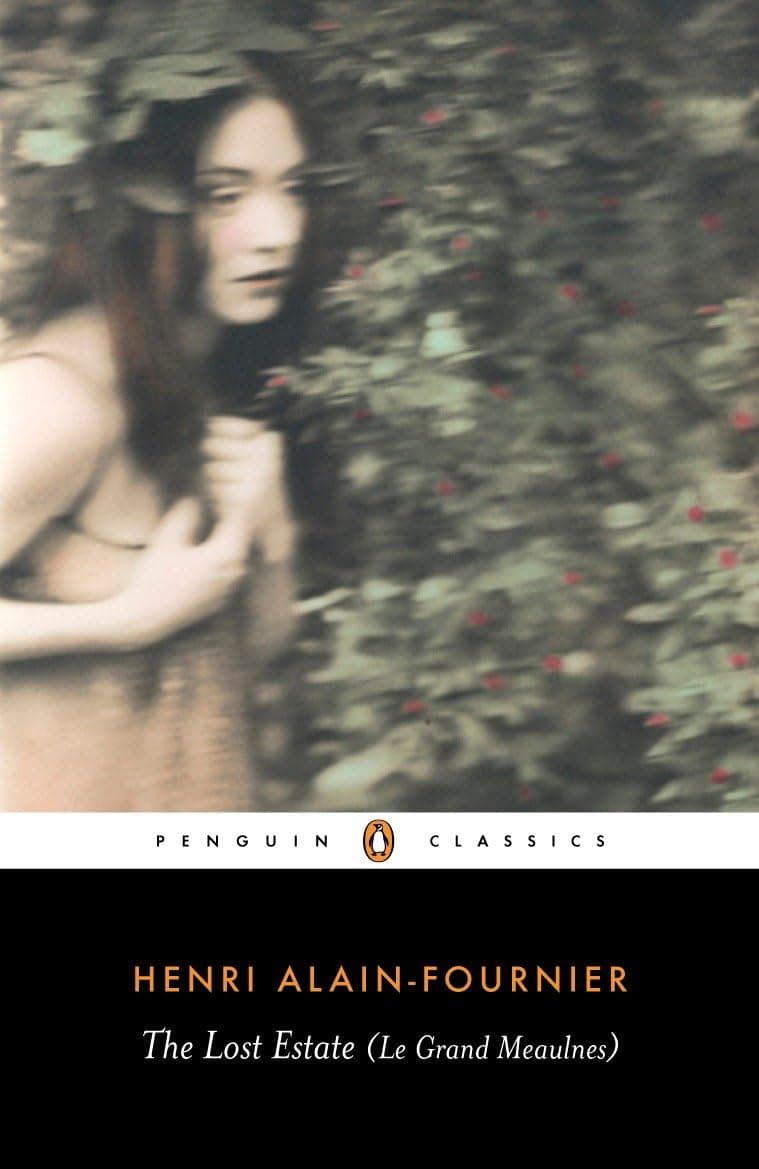
“For the first time I too was looking at the road along which she had gone; and I was content just to know that her cheek had been freshened by the same breeze as was blowing on mine.”
The Lost Estate Summary
In a rural French village, the narrator Francois Seurel recalls his adolescent friendship with the enigmatic Augustin Meaulnes, a tall, charismatic newcomer who arrives at Seurel's father's school and immediately captivates everyone around him. One winter day, Meaulnes wanders off and stumbles upon a mysterious, dreamlike estate where a lavish party is underway, complete with costumed children, wandering musicians, and an ethereal young woman named Yvonne de Galais. This single enchanted encounter becomes the defining obsession of Meaulnes's life. When he returns to the mundane world, he is consumed by a desperate longing to rediscover the lost domain and the woman who haunts his memory. The search draws both Meaulnes and Seurel into a web of secrets, broken promises, and unexpected betrayals as they navigate the treacherous passage from youth into adulthood.
Alain-Fournier's only completed novel stands as one of the supreme expressions of nostalgia in Western literature, capturing the ache of adolescence with heartbreaking precision. The lost estate functions as a potent symbol for the paradise of youth itself, a realm that can be glimpsed once but never fully recaptured. The novel explores the tension between romantic idealism and the compromises demanded by reality, showing how the relentless pursuit of a perfect past can destroy present happiness. Written in luminous, deceptively simple prose, the book blends realism with fairy-tale atmosphere, creating a landscape that feels simultaneously concrete and enchanted. Published just one year before Alain-Fournier was killed in World War I at the age of twenty-seven, the novel carries an additional weight of poignancy, as if the author himself sensed the vanishing of an entire world.
Why Read The Lost Estate?
Few novels capture the bittersweet magic of adolescence with such devastating beauty. Alain-Fournier's prose reads like a waking dream, transporting readers to a world where a single enchanted evening can shape an entire life. The story of Meaulnes and his desperate quest to recapture a vanished paradise speaks to anyone who has ever felt the pang of a memory too perfect to have been real, too vivid to be forgotten. This is a book that makes the ordinary world shimmer with hidden possibility.
Beyond its surface enchantment, the novel offers a profound meditation on the cost of idealism and the impossibility of returning to innocence. Reading it as an adult reveals layers invisible in youth: the way romantic obsession can become selfish, the way loyalty can be tested by time and silence. At barely two hundred pages, it accomplishes what many sprawling epics cannot, distilling an entire philosophy of longing into a single, perfect narrative arc. It remains one of the most beloved novels in the French canon and an essential read for anyone drawn to the literature of memory and desire.
About Alain-Fournier
Alain-Fournier was born in 1886 in La Chapelle-d'Angillon, a small town in central France whose rural landscapes would deeply inform his literary imagination. Raised in a family of schoolteachers, he attended school in Paris and spent years working on various literary projects while supporting himself as a journalist and literary secretary. His intense, unrequited love for a young woman named Yvonne de Quievrecourt, whom he glimpsed briefly on a Paris street in 1905, became the emotional foundation for his masterwork.
Alain-Fournier published Le Grand Meaulnes (known in English as The Lost Estate or The Wanderer) in 1913 to immediate critical and popular acclaim. It was the only novel he would complete. When World War I broke out in 1914, he enlisted and was killed in action at the Battle of the Meuse on September 22, 1914, at just twenty-seven years old. His body was not identified until 1991. Despite this tragically brief career, his single novel secured his place as one of the most celebrated French writers of the twentieth century, influencing generations of authors drawn to themes of lost innocence and the lyrical possibilities of prose fiction.
Reading Guide
Ranked #286 among the greatest books of all time, The Lost Estate by Alain-Fournier has earned its place in the literary canon. Originally written in French and published in 1913, this accessible read from France continues to resonate with readers today.
This book belongs to our Love & Loss collection, where you can discover more books that share its spirit and themes.
If you enjoy accessible reads like this one, you might also like The Great Gatsby, The Catcher in the Rye, or Pride and Prejudice.
From the Love & Loss Collection
If you enjoyed The Lost Estate, discover more masterpieces that share its spirit.
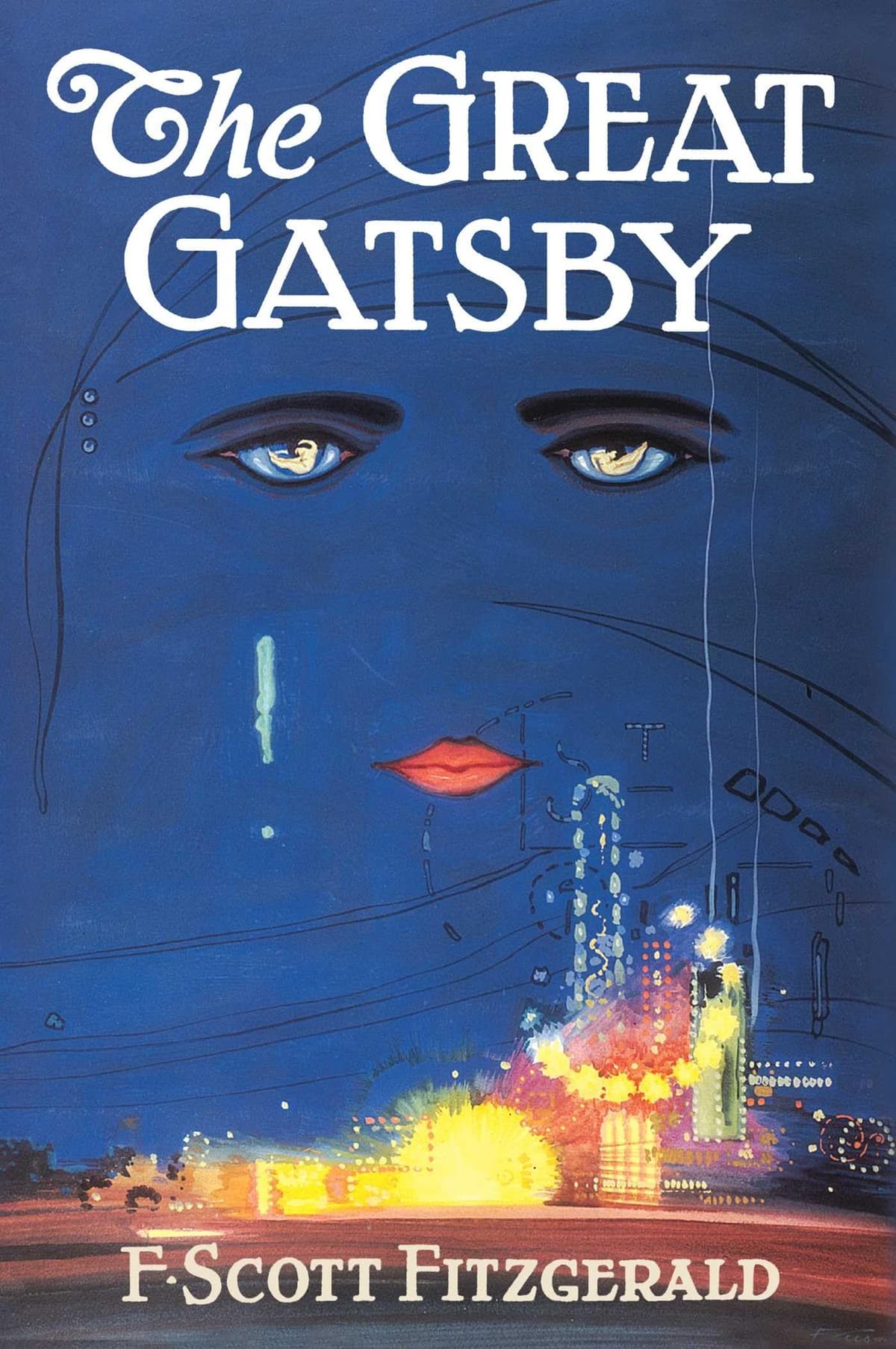 #3View Book
The Great Gatsby
F. Scott Fitzgerald
Accessible•5-6 hours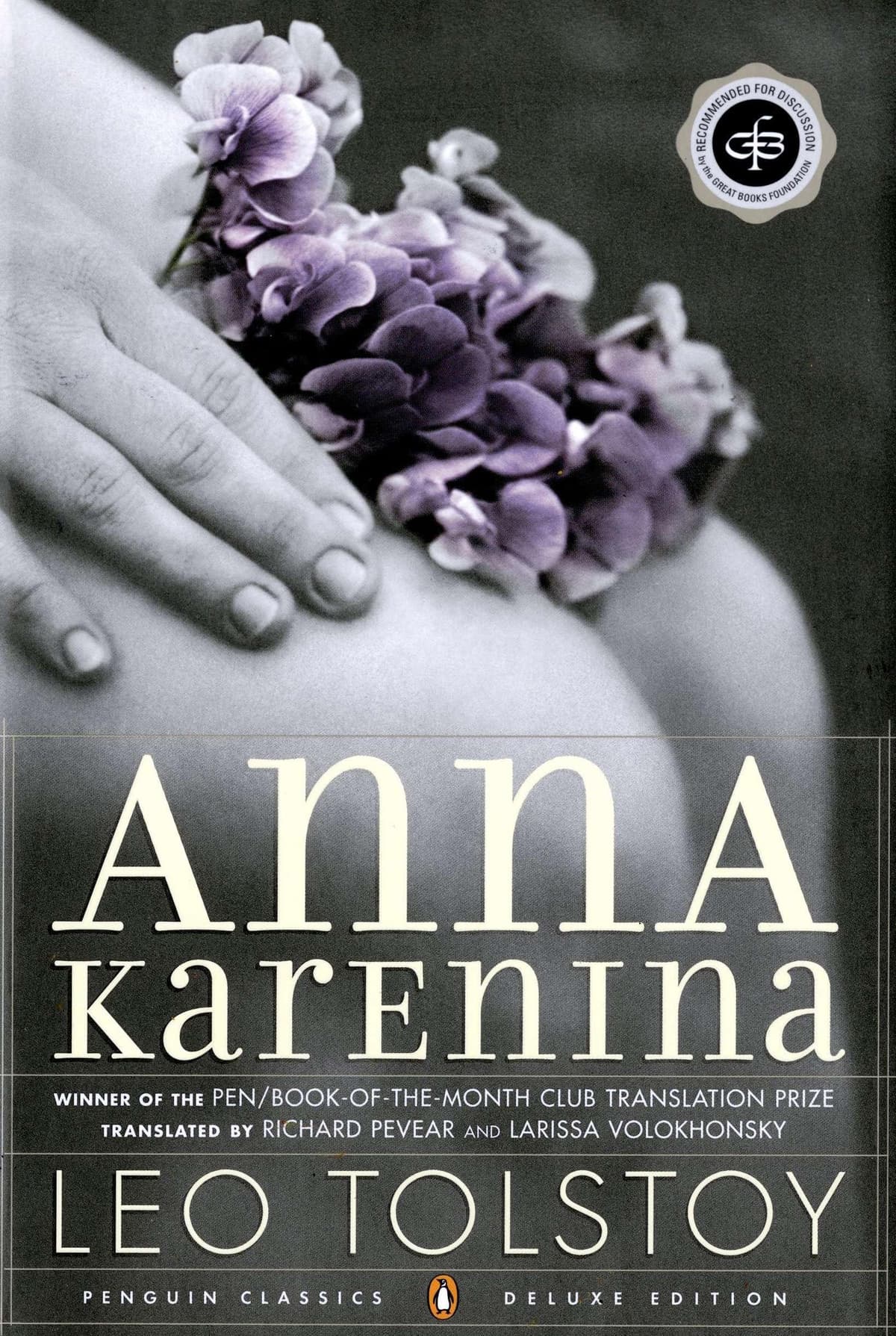 #10View Book
Anna Karenina
Leo Tolstoy
High•30-35 hours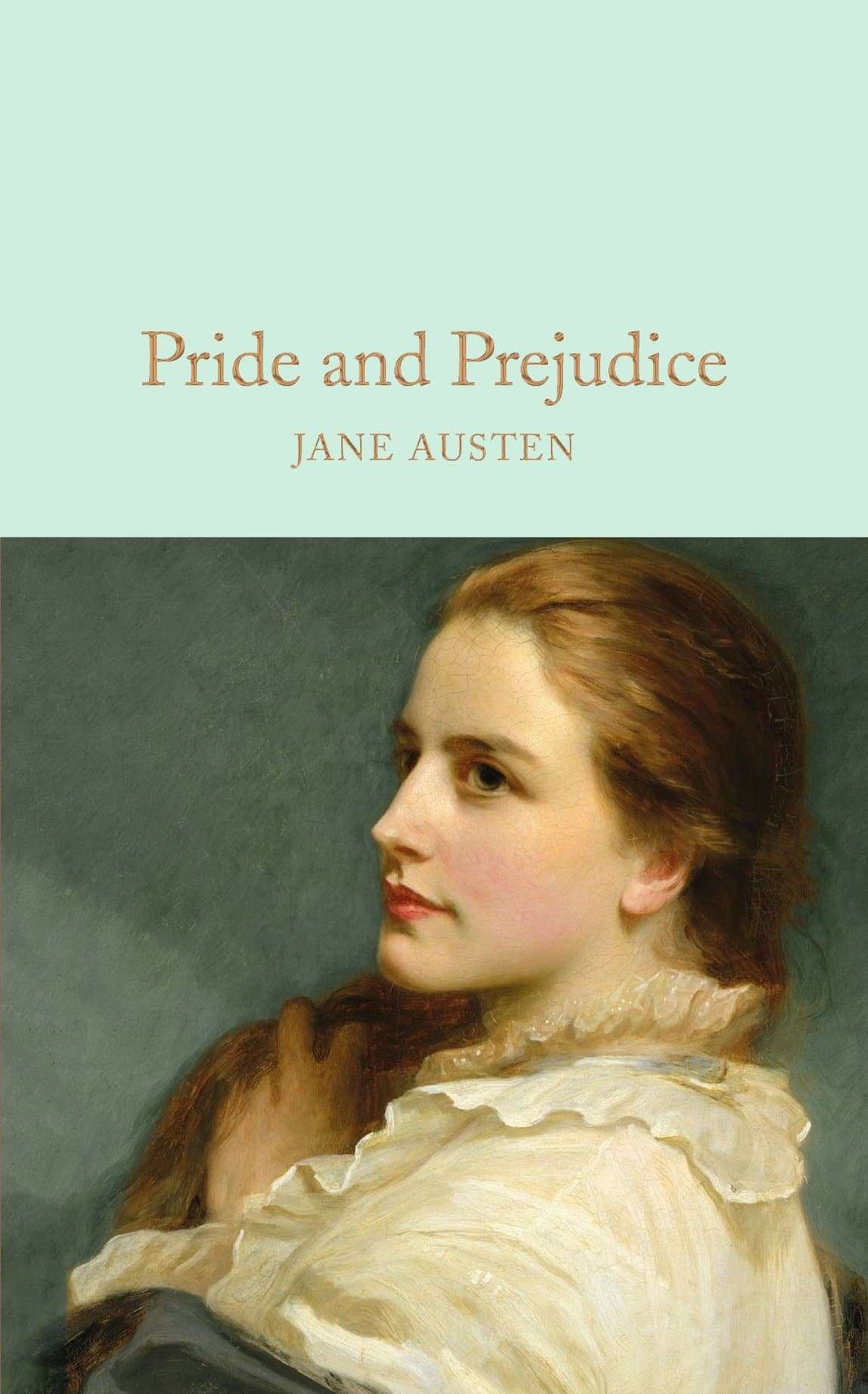 #12View Book
Pride and Prejudice
Jane Austen
Accessible•10-12 hours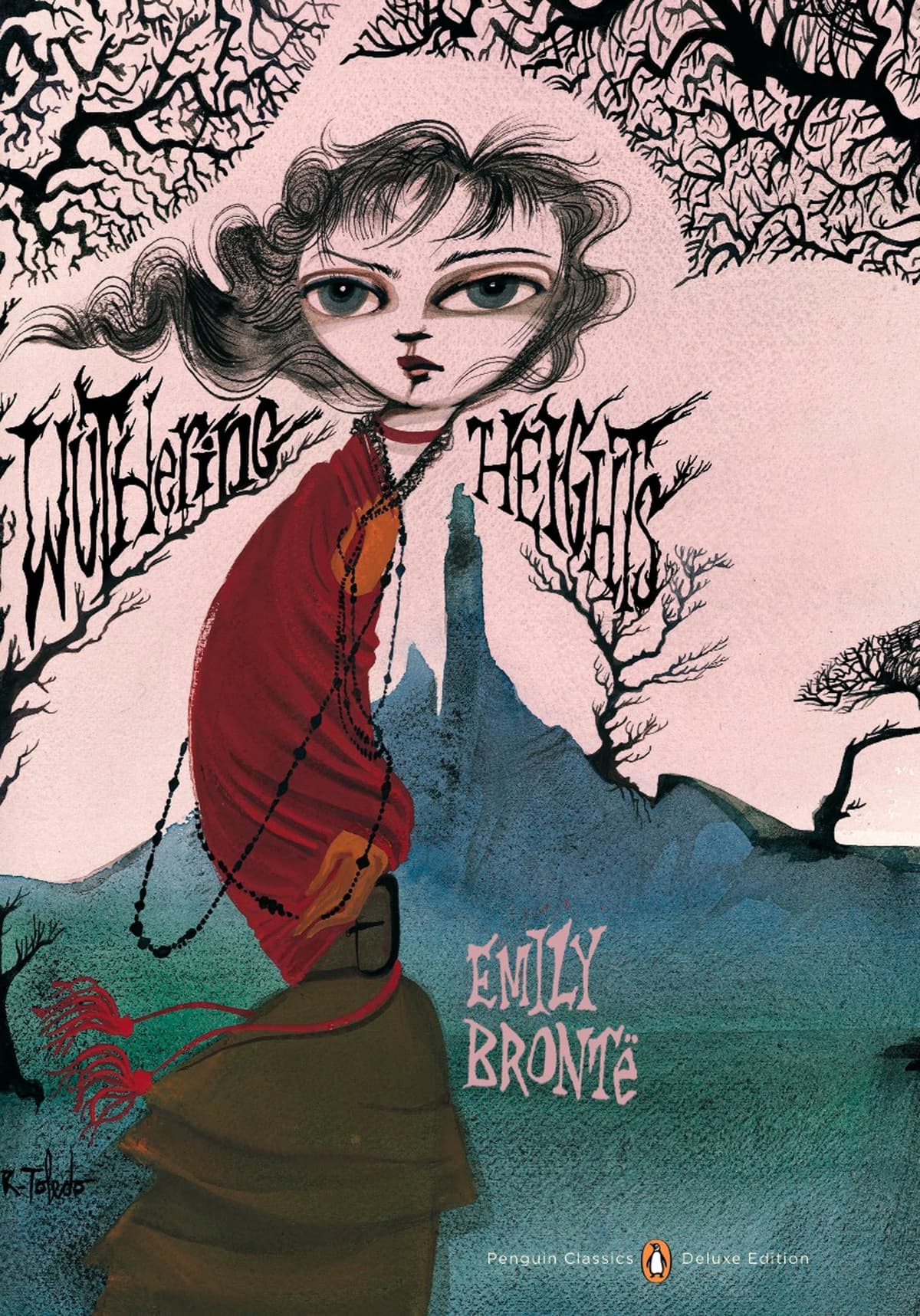 #15View Book
Wuthering Heights
Emily Brontë
Moderate•10-12 hours
Browse more collections