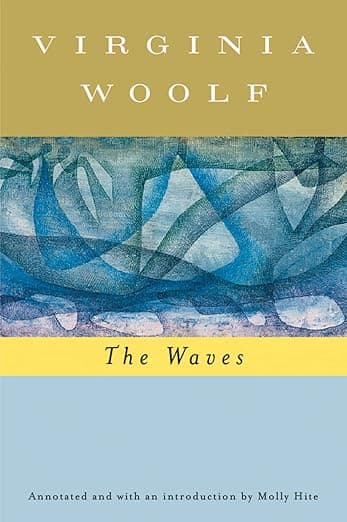
The Waves
“I am made and remade continually. Different people draw different words from me.”
The Waves Summary
The Waves follows six characters from childhood through old age, tracing the rhythms of their inner lives through a series of dramatic soliloquies. Bernard, Susan, Rhoda, Neville, Jinny, and Louis each speak in turn, revealing their private perceptions, desires, and anxieties as they move from a shared nursery through school, into careers, marriages, and losses. A seventh figure, Percival, never speaks but serves as a magnetic center around whom the others orbit. The novel is punctuated by nine lyrical interludes describing the movement of the sun across a seascape from dawn to dusk, mirroring the arc of a single human life. When Percival dies young in India, the reverberations of his absence reshape each character's relationship to mortality and meaning.
Widely regarded as Virginia Woolf's most experimental and ambitious work, The Waves dissolves the boundaries between poetry and prose, individual and collective consciousness, self and nature. Each character embodies a different mode of being: Bernard the storyteller who shapes experience into narrative, Rhoda the fragile mystic who cannot bear the weight of selfhood, Neville the passionate intellectual who lives through love. Together they form a composite portrait of human consciousness itself, fragmented yet interconnected. The novel's extraordinary prose style, with its cascading images and incantatory rhythms, creates an immersive reading experience unlike anything else in English literature. It is a meditation on time, death, friendship, and the ceaseless struggle to find language adequate to the mystery of being alive.
Why Read The Waves?
Opening The Waves is like stepping into the deep currents of human thought itself. Woolf strips away conventional plot to reveal something far more essential: the raw texture of perception, the way a shaft of light or a friend's gesture can reshape an entire inner world. Each of the six voices offers a distinct lens on existence, and together they create a portrait of life that feels both deeply personal and universally resonant. This is prose that rewards slow, immersive reading, every sentence polished to a jewel-like intensity.
The novel stands as one of the supreme achievements of literary modernism and a testament to what the English language can accomplish at its most musical and precise. It challenges readers to abandon expectations of traditional narrative and instead surrender to the rhythms of consciousness. For those willing to make that leap, the rewards are extraordinary: a heightened awareness of the beauty and fragility of everyday experience, a deeper understanding of how friendship and loss shape identity, and an encounter with prose so luminous it permanently alters the way one reads. The Waves is not just a novel to be read but an experience to be inhabited.
About Virginia Woolf
Virginia Woolf was born Adeline Virginia Stephen in 1882 in London to a prominent literary family. Educated at home with access to her father's vast library, she became a central figure in the Bloomsbury Group, the influential circle of writers, artists, and intellectuals. With her husband Leonard Woolf, she founded the Hogarth Press, which published works by T. S. Eliot, E. M. Forster, and Sigmund Freud, among others. Throughout her life, she struggled with severe bouts of mental illness, which both informed and interrupted her prodigious creative output.
Woolf is recognized as one of the foremost modernist writers of the twentieth century, celebrated for her revolutionary narrative techniques, her luminous prose style, and her penetrating exploration of consciousness, gender, and time. Her major novels, including Mrs Dalloway, To the Lighthouse, Orlando, and The Waves, fundamentally expanded the possibilities of fiction. Her essays, particularly A Room of One's Own and Three Guineas, remain foundational texts of feminist thought. Woolf died on March 28, 1941, but her influence on literature, feminism, and the art of the novel continues to grow, making her one of the most widely read and studied authors in the English language.
Reading Guide
Ranked #287 among the greatest books of all time, The Waves by Virginia Woolf has earned its place in the literary canon. Originally written in English and published in 1931, this challenging read from United Kingdom continues to resonate with readers today.
This book belongs to our Modern Mind collection, where you can discover more books that share its spirit and themes.
If you enjoy challenging reads like this one, you might also like Ulysses, Moby-Dick, or Lolita.
From the Modern Mind Collection
If you enjoyed The Waves, discover more masterpieces that share its spirit.
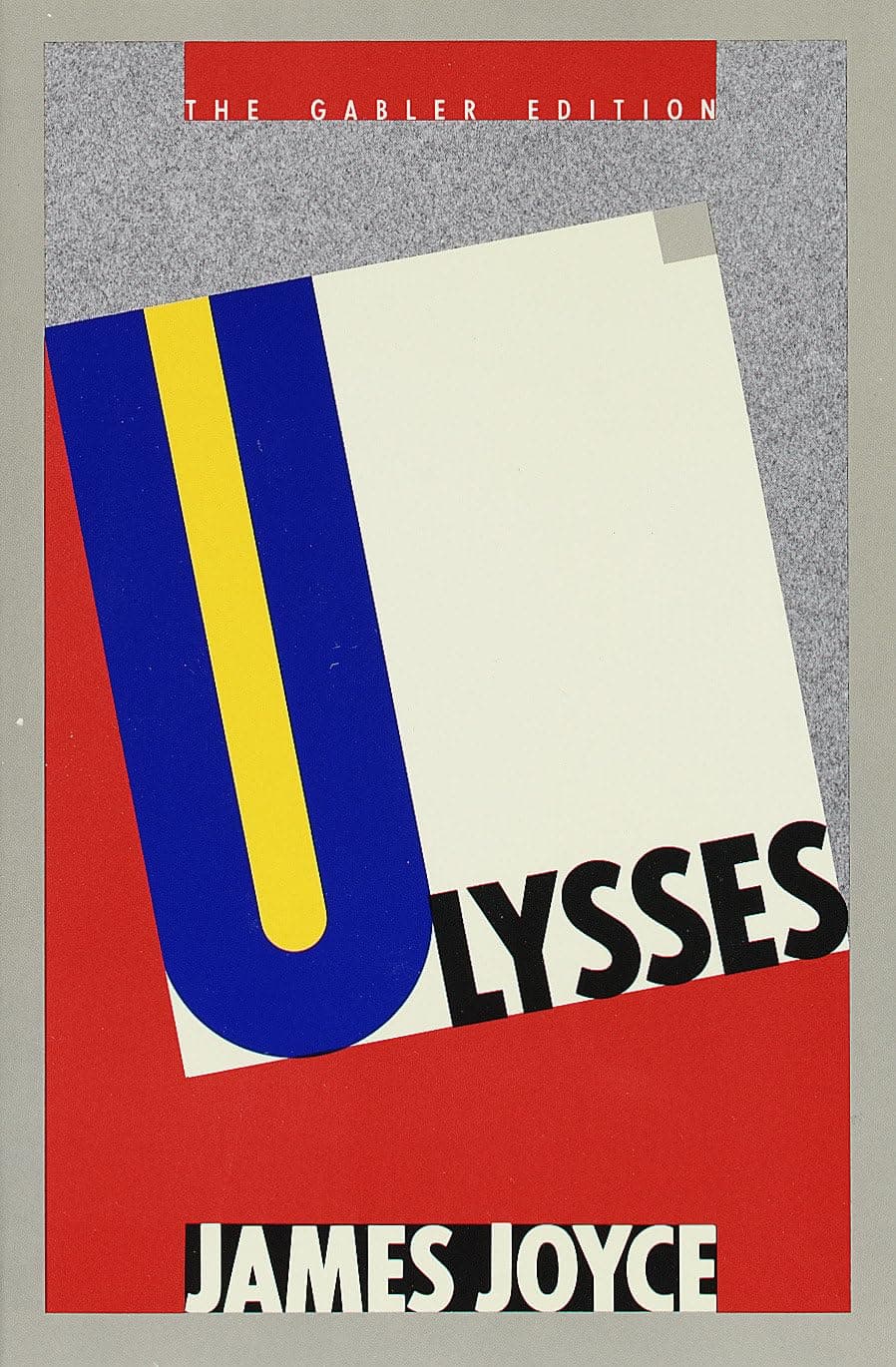 #1View Book
Ulysses
James Joyce
Challenging•35-40 hours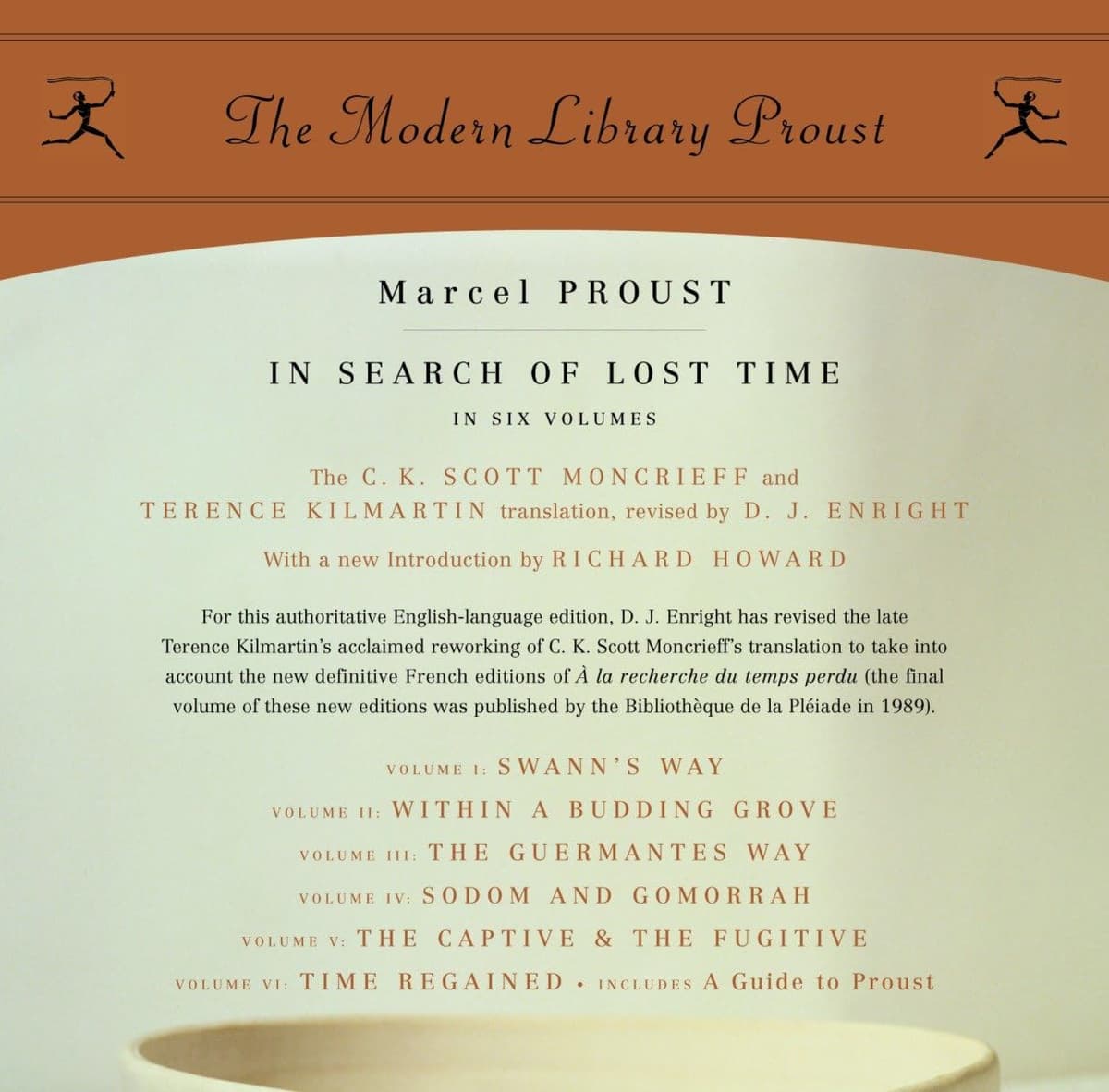 #2View Book
In Search of Lost Time
Marcel Proust
High•100+ hours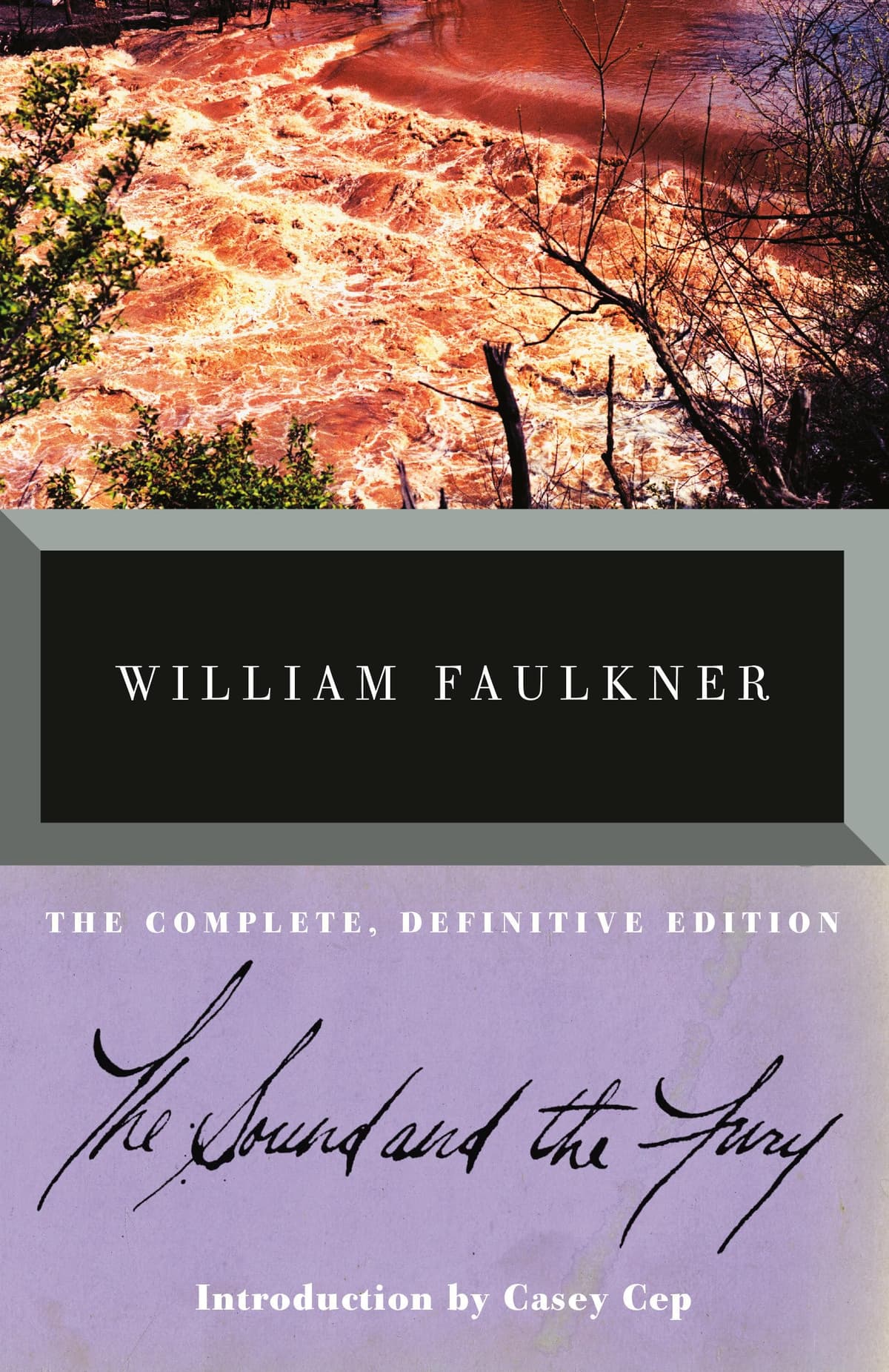 #8View Book
The Sound and the Fury
William Faulkner
Very High•12-15 hours #13View Book
Lolita
Vladimir Nabokov
Challenging•12-15 hours
Browse more collections