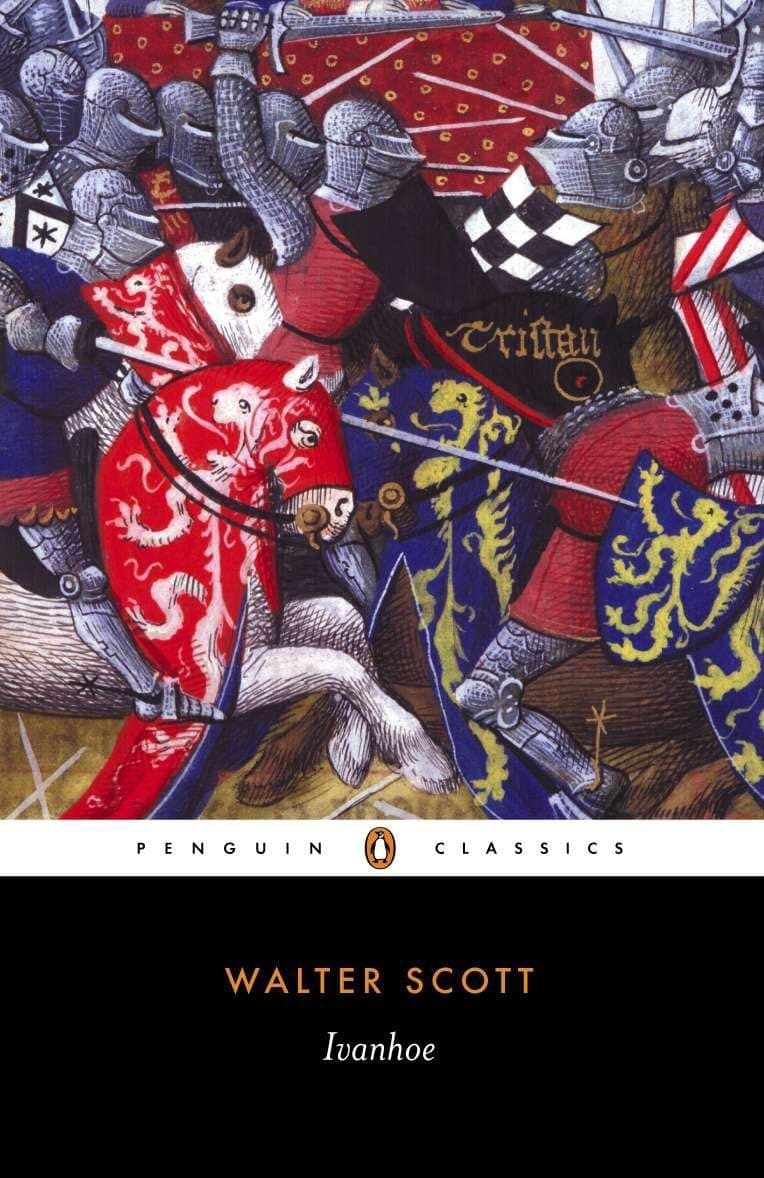
Ivanhoe
“Ill-fated is the country where the weights and measures of the marketplace are struck to the standard of the soldier's sword.”
Ivanhoe Summary
Set in twelfth-century England during the turbulent reign of King Richard the Lionheart, Ivanhoe follows the adventures of the disinherited Saxon knight Wilfred of Ivanhoe as he navigates a kingdom torn between Norman conquerors and the subjugated Saxon populace. Returning secretly from the Crusades, Ivanhoe enters a grand tournament at Ashby-de-la-Zouch in disguise and triumphs, but is gravely wounded. The novel weaves together multiple storylines involving the scheming Prince John plotting to seize the throne, the heroic outlaw Robin Hood and his band of Saxons, the beautiful Lady Rowena, and the courageous Jewish healer Rebecca, who is put on trial for witchcraft by the Templar knight Brian de Bois-Guilbert. Sieges, ambushes, and single combats drive the action toward a climactic resolution that reunites king and kingdom.
Ivanhoe essentially invented the historical novel as a popular literary form and established many of the conventions of medieval romance that persist in fiction and film to this day. Scott's portrait of a society divided along ethnic and religious lines carries a force that extends well beyond its medieval setting, offering commentary on prejudice, social hierarchy, and the slow, painful process of national reconciliation. The characterization of Rebecca, whose intelligence, courage, and dignity outshine every other figure in the book, constitutes one of the most progressive depictions of a Jewish character in nineteenth-century literature. Scott's vivid set pieces, from the tournament to the siege of Torquilstone Castle, established a template for adventure storytelling that influenced everything from Alexandre Dumas to modern fantasy epics.
Why Read Ivanhoe?
Ivanhoe is the novel that taught the world to love the Middle Ages. Its tournaments, sieges, and duels created the template for nearly every medieval adventure story that followed, from Robin Hood films to modern fantasy epics. Scott brings twelfth-century England to vivid, tactile life, filling each scene with the clash of armor, the roar of crowds, and the intricate maneuvering of political rivals. The pacing is relentless, and the cast of characters, from the noble Ivanhoe to the fiery Rebecca to the wily Robin Hood, remains unforgettable.
Beneath the adventure lies a surprisingly modern examination of prejudice and national identity. Scott dramatizes a society fractured by conquest, where Saxons and Normans, Christians and Jews must find ways to coexist despite centuries of mistrust. Rebecca's trial is one of the most powerful courtroom scenes in all of literature, and her moral stature towers over every knight in the story. Reading Ivanhoe reveals the origins of an entire tradition of historical storytelling and demonstrates why Scott was once the most popular novelist in the world. It is a thrilling, thought-provoking read that rewards anyone willing to immerse themselves in its richly textured world.
About Sir Walter Scott
Sir Walter Scott was born in Edinburgh in 1771 and raised on the legends, ballads, and history of the Scottish borderlands that would fuel his literary imagination. After training as a lawyer, he first achieved fame as a poet with works like The Lay of the Last Minstrel and The Lady of the Lake before turning to prose fiction. Beginning with Waverley in 1814, he published his novels anonymously, becoming the most popular and commercially successful author in the English-speaking world.
Scott is widely credited with inventing the modern historical novel, transforming the genre from a marginal curiosity into a dominant literary form. His influence on nineteenth-century literature was immense, inspiring writers from Balzac and Hugo to Tolstoy and Fenimore Cooper. Beyond literature, Scott almost single-handedly revived interest in Scottish culture and history, organizing King George IV's visit to Scotland in 1822 and helping to create the romantic image of the Highlands that persists to this day. He was created a baronet in 1820 and spent his final years at his beloved estate of Abbotsford, working tirelessly to repay debts incurred by his publisher's collapse. He died in 1832, leaving behind a body of work that shaped the course of Western fiction.
Reading Guide
Ranked #288 among the greatest books of all time, Ivanhoe by Sir Walter Scott has earned its place in the literary canon. Originally written in English and published in 1819, this moderate read from United Kingdom continues to resonate with readers today.
This book belongs to our Epics collection, where you can discover more books that share its spirit and themes.
If you enjoy moderate reads like this one, you might also like One Hundred Years of Solitude, Nineteen Eighty-Four, or Wuthering Heights.
From the Epics Collection
If you enjoyed Ivanhoe, discover more masterpieces that share its spirit.
 #1View Book
Ulysses
James Joyce
Challenging•35-40 hours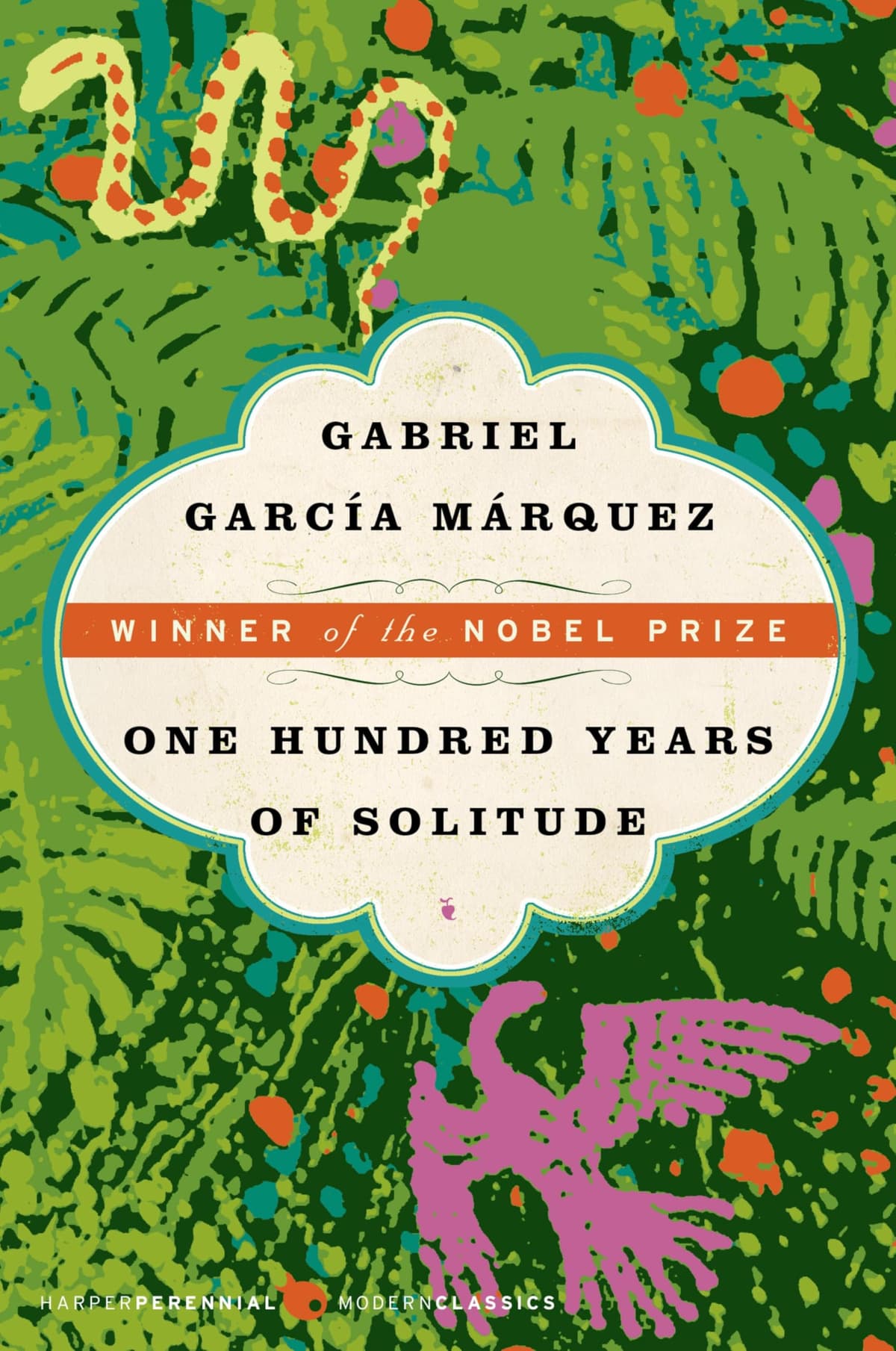 #5View Book
One Hundred Years of Solitude
Gabriel García Márquez
Moderate•15-20 hours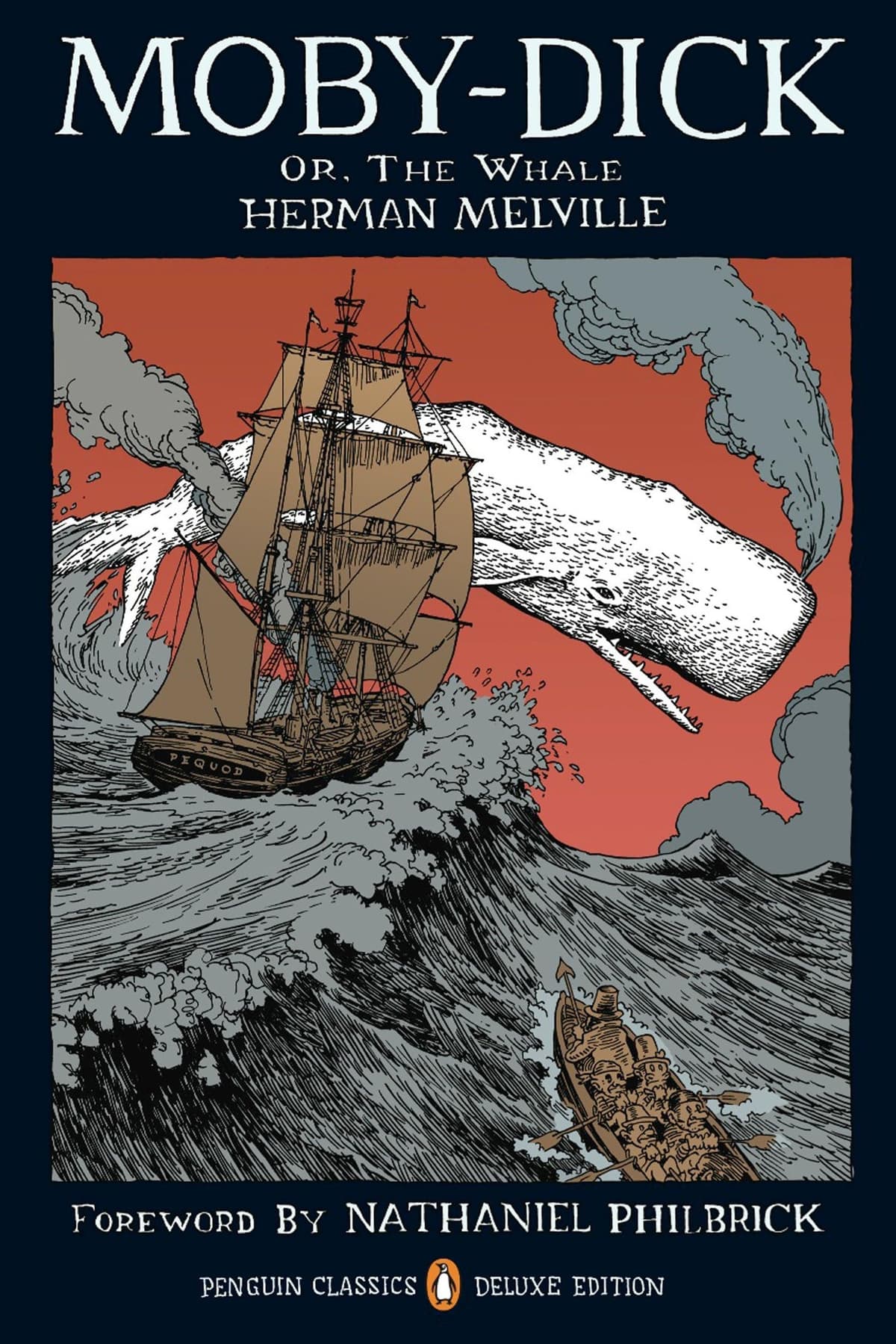 #7View Book
Moby-Dick
Herman Melville
Challenging•20-25 hours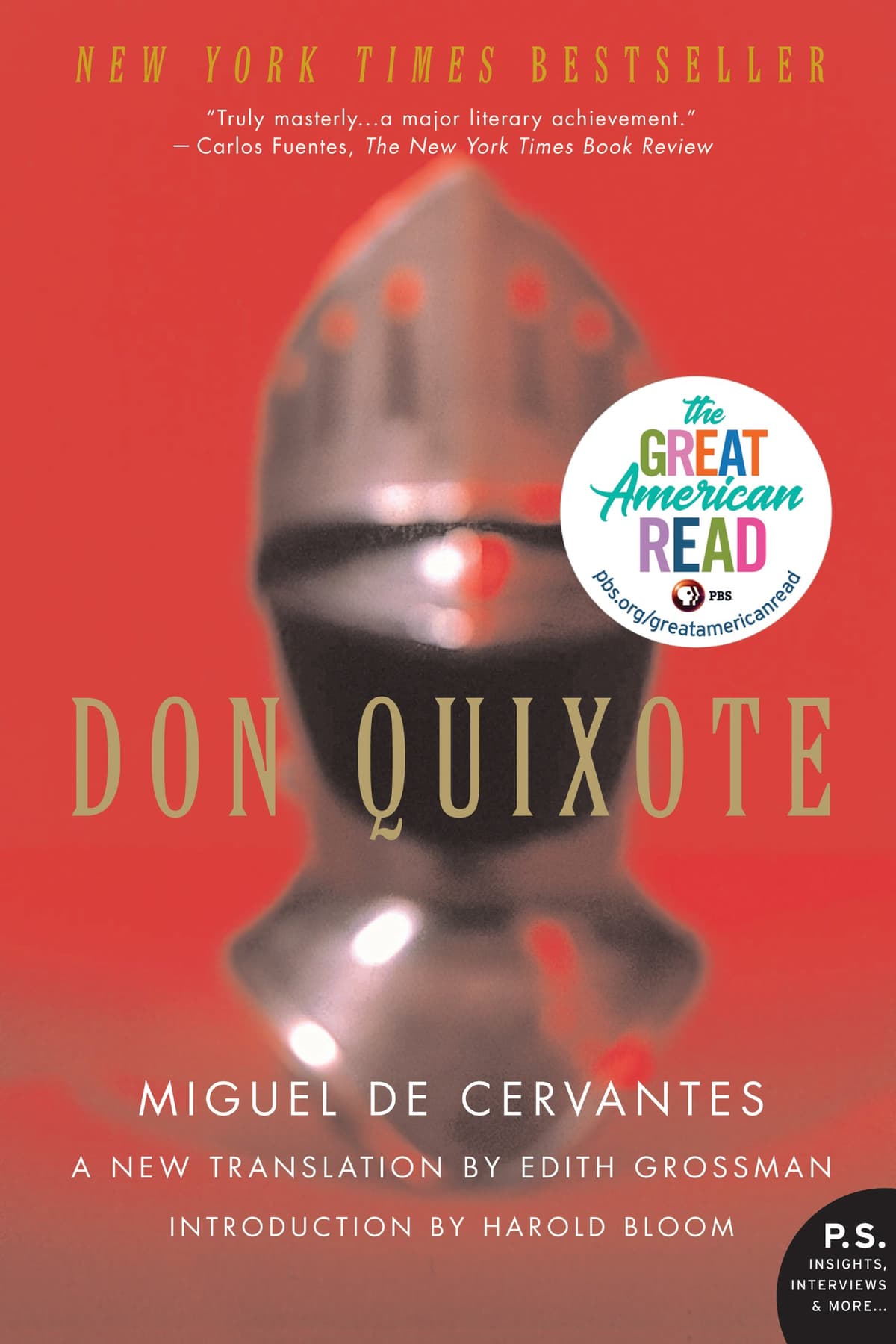 #9View Book
Don Quixote
Miguel de Cervantes
High•35-40 hours
Browse more collections