Platero and I
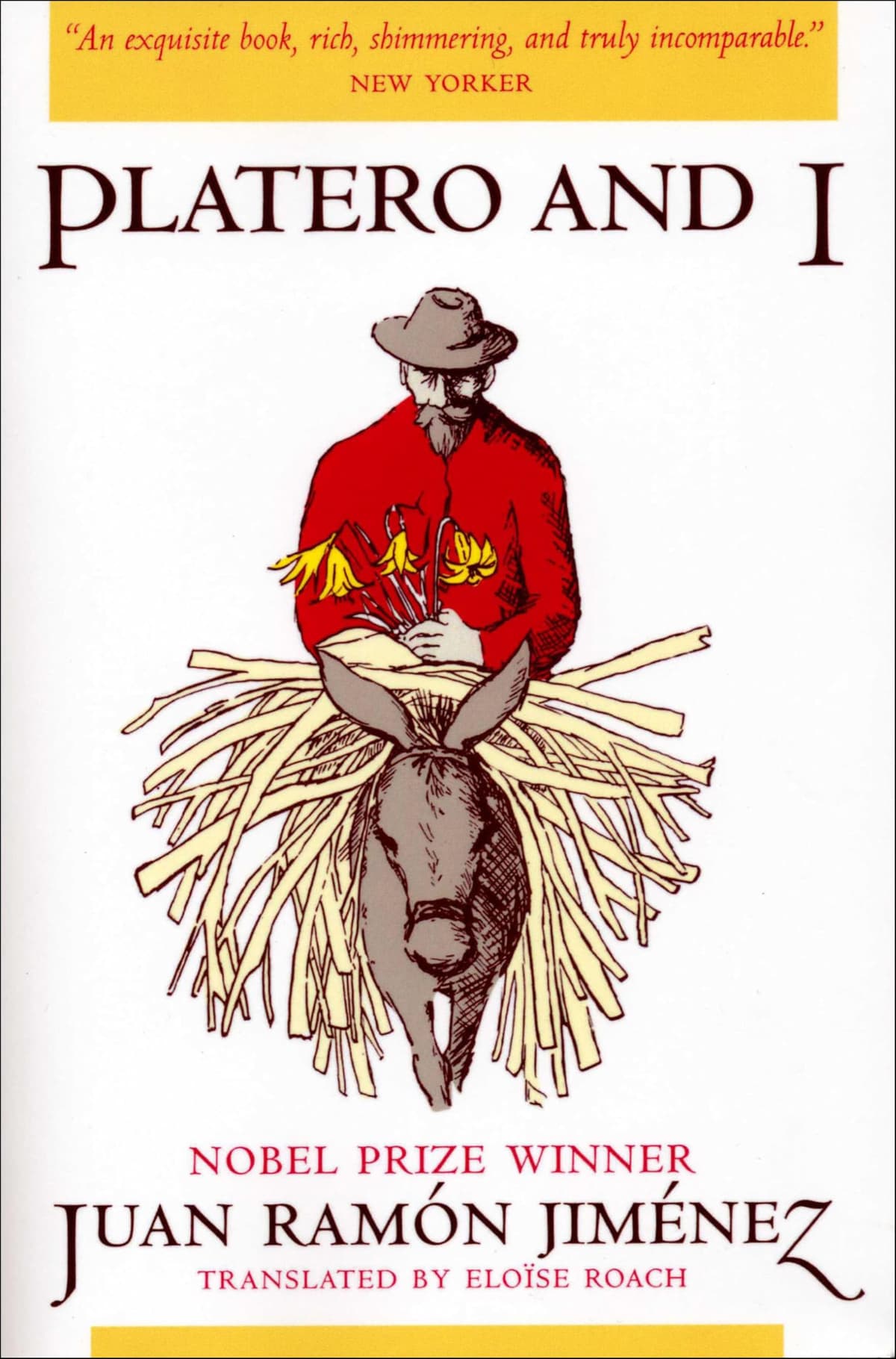
“Platero is small, downy, soft—so soft to the touch that one would say he is all cotton, that he has no bones.”
Platero and I Summary
Platero and I is a lyrical portrait of life in the small Andalusian town of Moguer, told through a series of brief, luminous prose poems addressed to Platero, a small silver donkey. The narrator and his gentle companion wander through the countryside and village streets, observing the changing seasons, the festivals and funerals, the children at play and the beggars in the square. Each vignette is a self-contained meditation: a description of a sunset over the vineyards, an encounter with a dying dog, the sound of church bells drifting across the fields. Through these fragments, Jiménez constructs a world of extraordinary sensory richness, where the beauty and cruelty of rural life coexist in delicate balance. The arc of the book moves quietly toward Platero's death, transforming the work from pastoral idyll into an elegy of devastating tenderness.
Jiménez's masterpiece occupies a unique place in Spanish literature, blending prose poetry with autobiographical fiction to create something that resists easy classification. The simplicity of the language is deceptive: beneath the crystalline surface lies a sophisticated exploration of perception, mortality, and the artist's relationship to the natural world. Platero himself becomes a figure of pure receptivity, a silent listener who allows the narrator to articulate truths that would otherwise remain unspoken. The work anticipates the sensibility of later Spanish poets like Lorca and Alberti, and its influence on the prose poem as a literary form extends far beyond the Spanish-speaking world. It is a book that teaches its readers how to see.
Why Read Platero and I?
Platero and I will reawaken your capacity for wonder. In an age of noise and distraction, Jiménez offers you a book that slows time to the rhythm of a donkey's footsteps through a sun-drenched village. Each brief chapter is a jewel of observation, capturing the play of light on water, the scent of orange blossoms, or the laughter of children with a precision that makes the ordinary world feel miraculous. You do not need to know Spain to feel the universal tenderness at the heart of this book.
Beneath its apparent simplicity, Platero and I is a profound meditation on love, loss, and the fleeting beauty of existence. The relationship between the narrator and his donkey becomes a model of companionship stripped of pretense, a bond that asks nothing and gives everything. When Platero dies, you will feel the loss as keenly as if you had walked beside him yourself. This is a book that proves great literature does not require complexity, only honesty and attention.
About Juan Ramón Jiménez
Juan Ramón Jiménez (1881-1958) was born in Moguer, a small town in the Huelva province of Andalusia, Spain, the very setting that would inspire his most beloved work. He studied law briefly before devoting himself entirely to poetry, moving to Madrid where he became a central figure in Spanish literary life. He suffered from severe depression throughout his life and spent periods in sanatoriums, experiences that deepened the melancholy undercurrent in his writing. The Spanish Civil War drove him into exile in 1936, and he lived in Puerto Rico, Cuba, and the United States for the remainder of his life.
Jiménez was awarded the Nobel Prize in Literature in 1956, two days before his wife Zenobia died, a loss from which he never recovered. His poetic career spanned decades of restless evolution, from early Modernist lyricism influenced by the French Symbolists to a later phase of what he called 'naked poetry,' stripped of ornament and pursuing pure aesthetic truth. His influence on twentieth-century Spanish-language poetry is enormous, shaping the work of the Generation of '27 and beyond. Platero and I remains the most widely read work of Spanish prose poetry, beloved by children and adults alike across the world.
Reading Guide
Ranked #484 among the greatest books of all time, Platero and I by Juan Ramón Jiménez has earned its place in the literary canon. Originally written in Spanish and published in 1914, this accessible read from Spain continues to resonate with readers today.
This book belongs to our Love & Loss collection, where you can discover more books that share its spirit and themes.
If you enjoy accessible reads like this one, you might also like The Great Gatsby, The Catcher in the Rye, or Pride and Prejudice.
From the Love & Loss Collection
If you enjoyed Platero and I, discover more masterpieces that share its spirit.
 #3View Book
The Great Gatsby
F. Scott Fitzgerald
Accessible•5-6 hours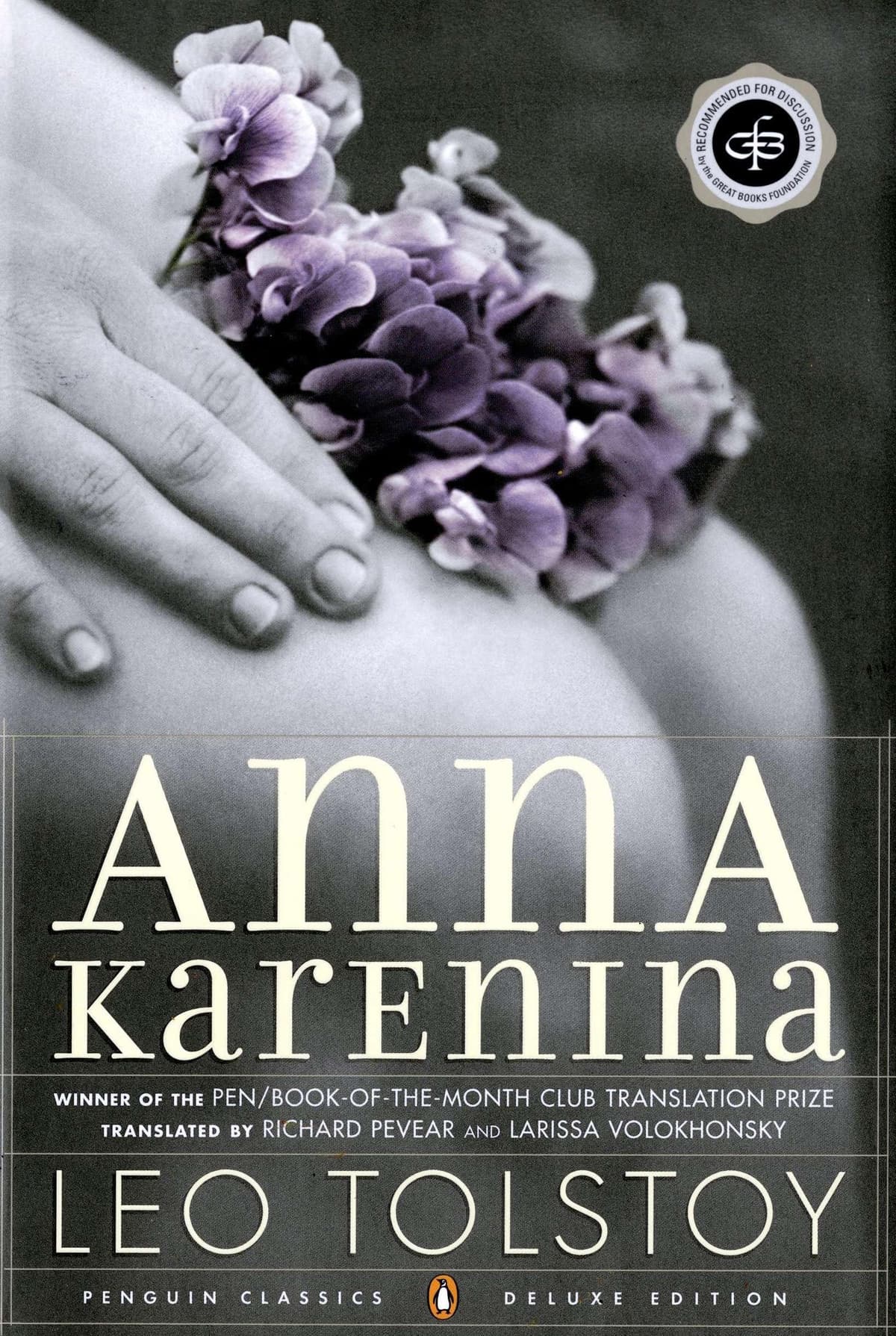 #10View Book
Anna Karenina
Leo Tolstoy
High•30-35 hours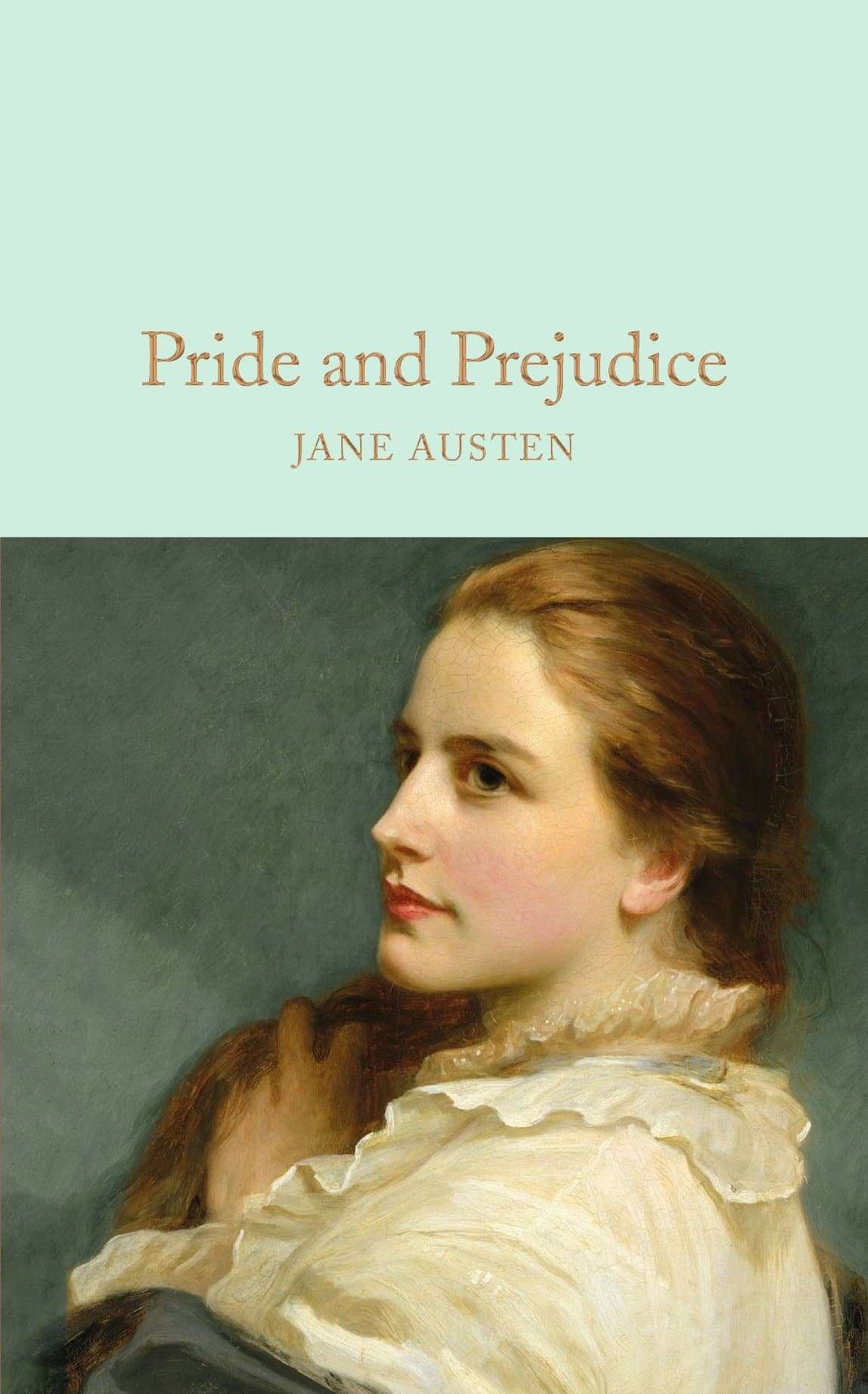 #12View Book
Pride and Prejudice
Jane Austen
Accessible•10-12 hours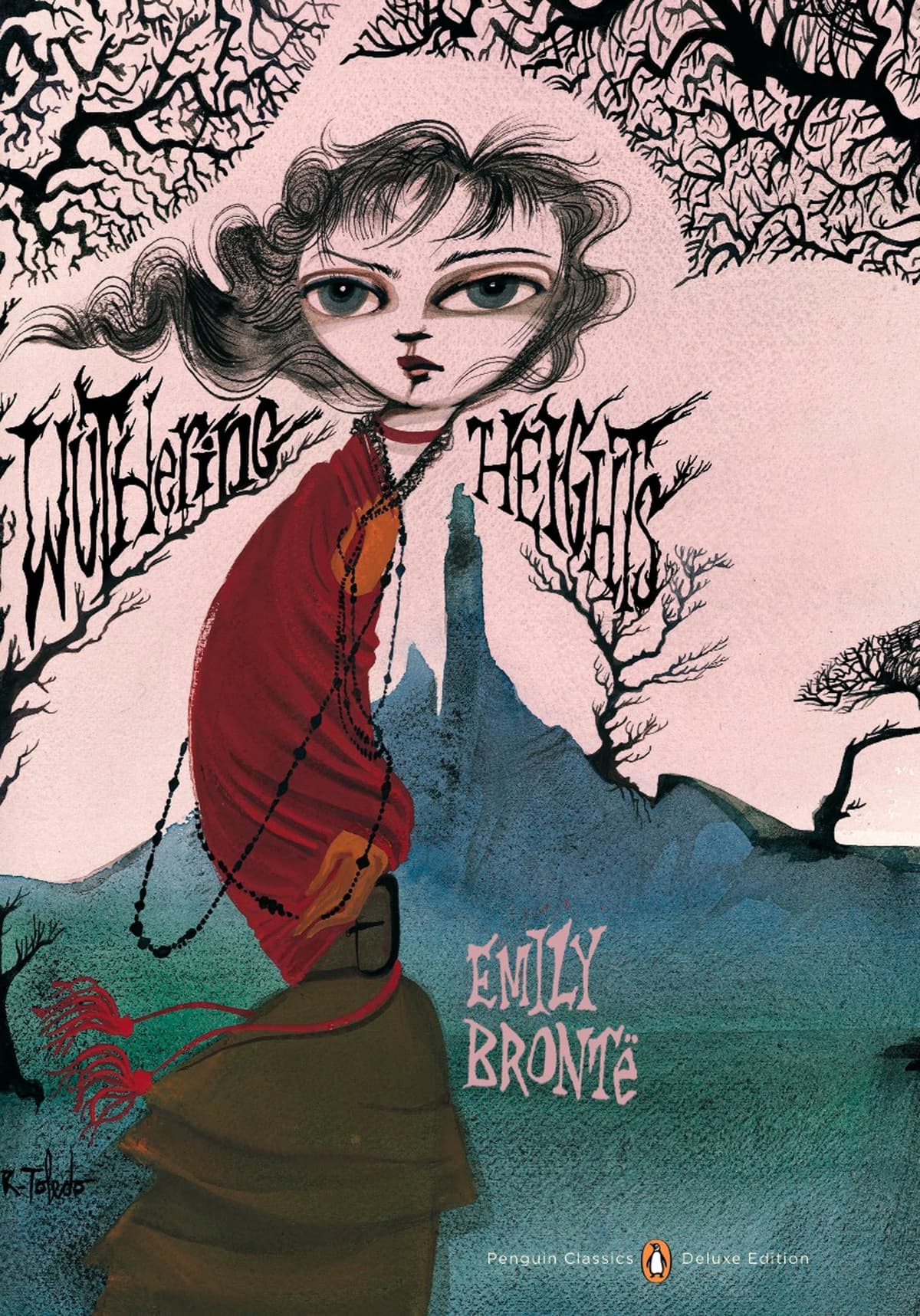 #15View Book
Wuthering Heights
Emily Brontë
Moderate•10-12 hours
Browse more collections