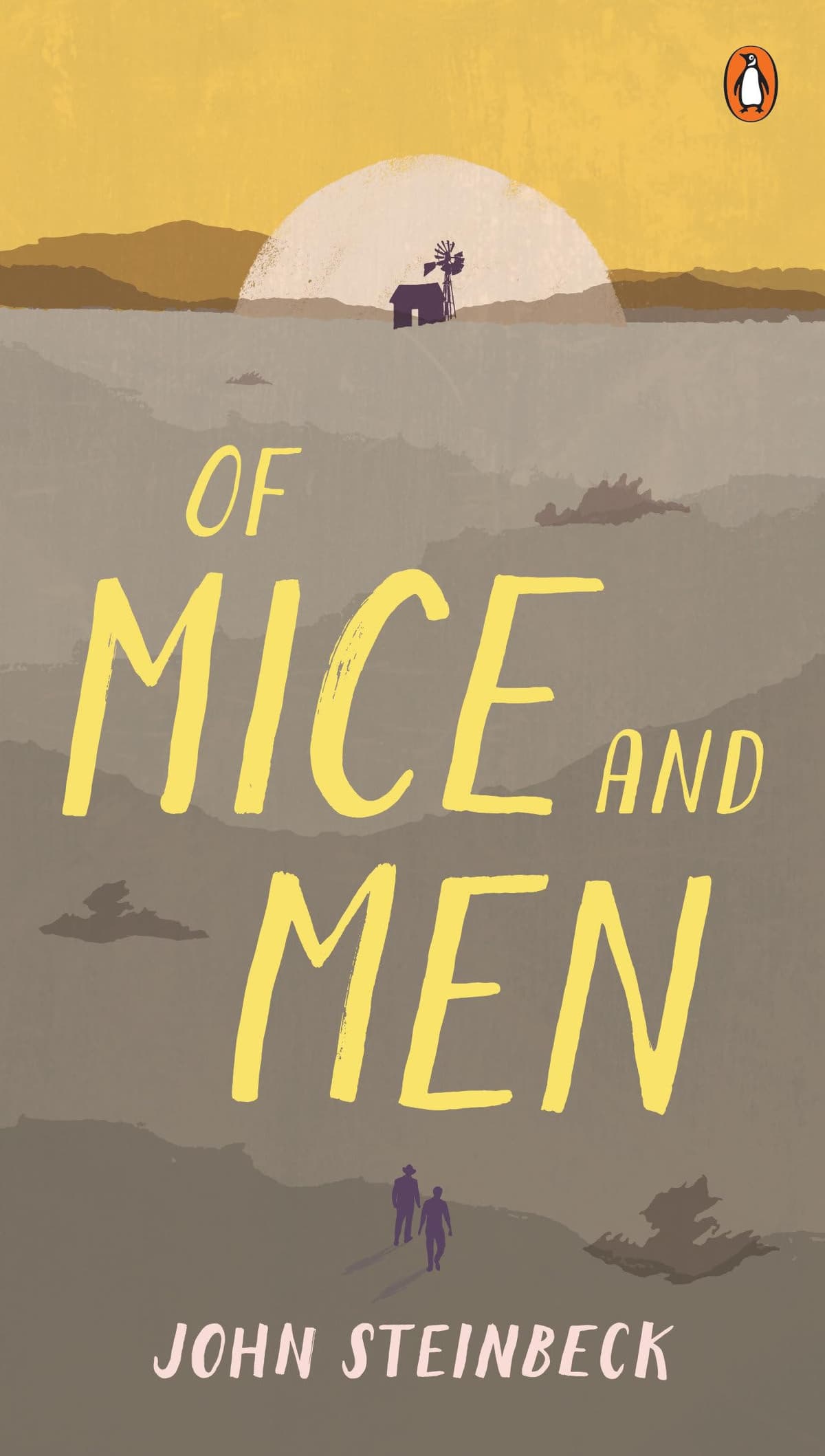
Of Mice and Men
“A guy needs somebody—to be near him. A guy goes nuts if he ain't got nobody.”
Of Mice and Men Summary
Two drifters walk a dusty California road toward a barley ranch in the Salinas Valley. George Milton is small, sharp, and quick-witted; Lennie Small is a giant of a man with the mind of a child and hands that do not know their own terrifying strength. They share a dream—a little piece of land, a few acres, a cow, some rabbits for Lennie to tend—and George recites it like a prayer, a story that keeps them both moving forward through the bruising, rootless life of Depression-era migrant labor. They hire on at a ranch populated by the lonely, the broken, and the dangerous: Candy with his aging dog, Crooks the isolated Black stable hand, Curley the boss's belligerent son, and Curley's unnamed wife, whose restless loneliness sets the tragedy in motion.
Steinbeck wrote Of Mice and Men as a "play-novelette"—a work stripped to dialogue and action, lean as a script, with the compressed inevitability of Greek tragedy. Every detail is a loaded gun; every scene tightens the noose. The title, drawn from Robert Burns's poem about the best-laid plans of mice and men going awry, announces the book's devastating thesis: that in a world of poverty and powerlessness, dreams are both the only thing worth having and the first thing destroyed. It is one of the most heartbreaking endings in American literature—a story about friendship, mercy, and the impossible cost of love.
Why Read Of Mice and Men?
You can read this book in a single sitting, and it will stay with you for the rest of your life. Steinbeck achieves something almost impossible here—a work of art that is simultaneously simple enough for a teenager to understand and profound enough to shatter an adult. The prose is clean as bone, the dialogue pitch-perfect, and the story moves with the terrible momentum of a boulder rolling downhill. You know where it is going, and you cannot look away.
What makes Of Mice and Men immortal is its compassion. Steinbeck does not sentimentalize his characters—he sees them clearly, with all their flaws and failures—but he grants every one of them the dignity of a dream. The novel asks you to consider what it means to be responsible for another person, what it costs to love someone you cannot protect, and whether mercy can ever justify its own cruelty. It is the kind of book that makes you more human for having read it.
About John Steinbeck
John Steinbeck (1902–1968) was born in Salinas, California, the agricultural heartland that would become the landscape of his greatest fiction. He attended Stanford University intermittently but never graduated, choosing instead to work as a manual laborer—a ranch hand, a fruit picker, a construction worker—experiences that gave him an intimate knowledge of the working poor who populate his novels. His breakthrough came with Tortilla Flat (1935), followed by the social protest masterpieces In Dubious Battle, Of Mice and Men, and The Grapes of Wrath.
Steinbeck won the Pulitzer Prize for The Grapes of Wrath in 1940 and the Nobel Prize in Literature in 1962, though the latter was met with critical controversy. His range extended from the bawdy humor of Cannery Row to the biblical allegory of East of Eden and the journalistic nonfiction of Travels with Charley. Throughout his career, he remained committed to giving voice to the dispossessed—the migrants, the laborers, the dreamers crushed by an indifferent system—and his compassion for ordinary people remains his most enduring legacy.
Reading Guide
Ranked #169 among the greatest books of all time, Of Mice and Men by John Steinbeck has earned its place in the literary canon. Originally written in English and published in 1937, this accessible read from United States continues to resonate with readers today.
This book belongs to our American Spirit and Love & Loss collections, where you can discover more books that share its spirit and themes.
If you enjoy accessible reads like this one, you might also like The Great Gatsby, The Catcher in the Rye, or Pride and Prejudice.
From the American Spirit Collection
If you enjoyed Of Mice and Men, discover more masterpieces that share its spirit.
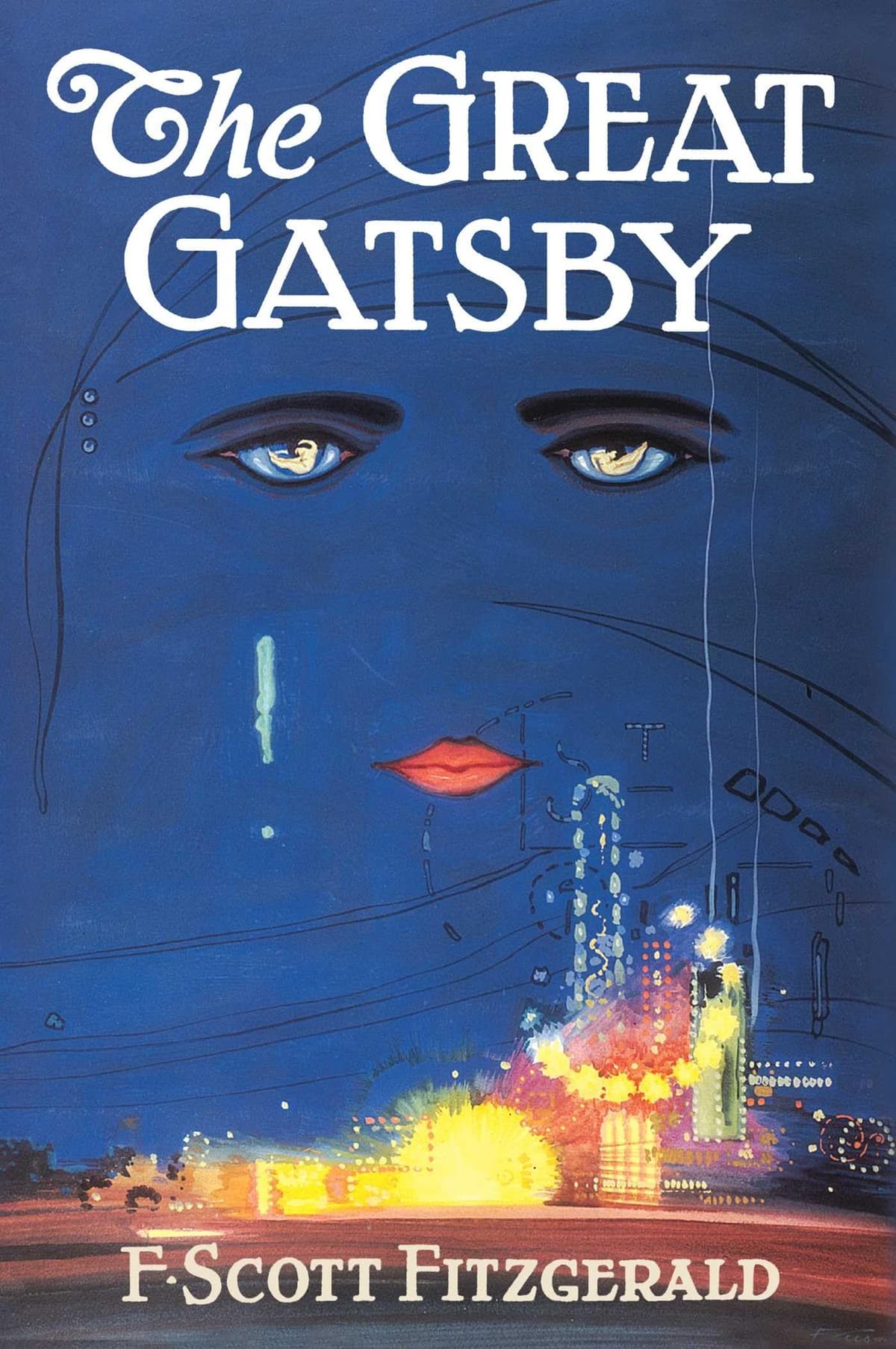 #3View Book
The Great Gatsby
F. Scott Fitzgerald
Accessible•5-6 hours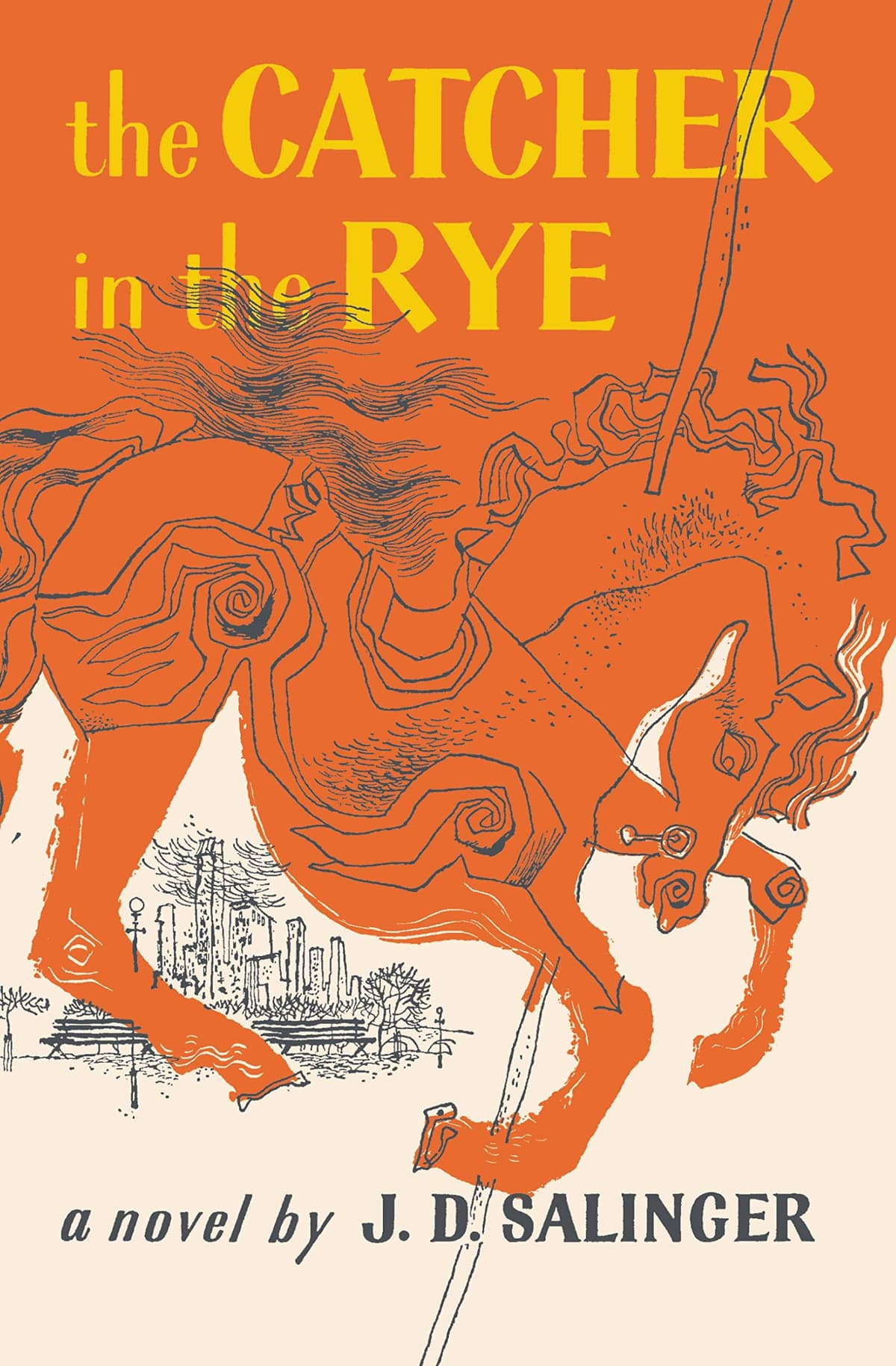 #4View Book
The Catcher in the Rye
J. D. Salinger
Accessible•6-8 hours #13View Book
Lolita
Vladimir Nabokov
Challenging•12-15 hours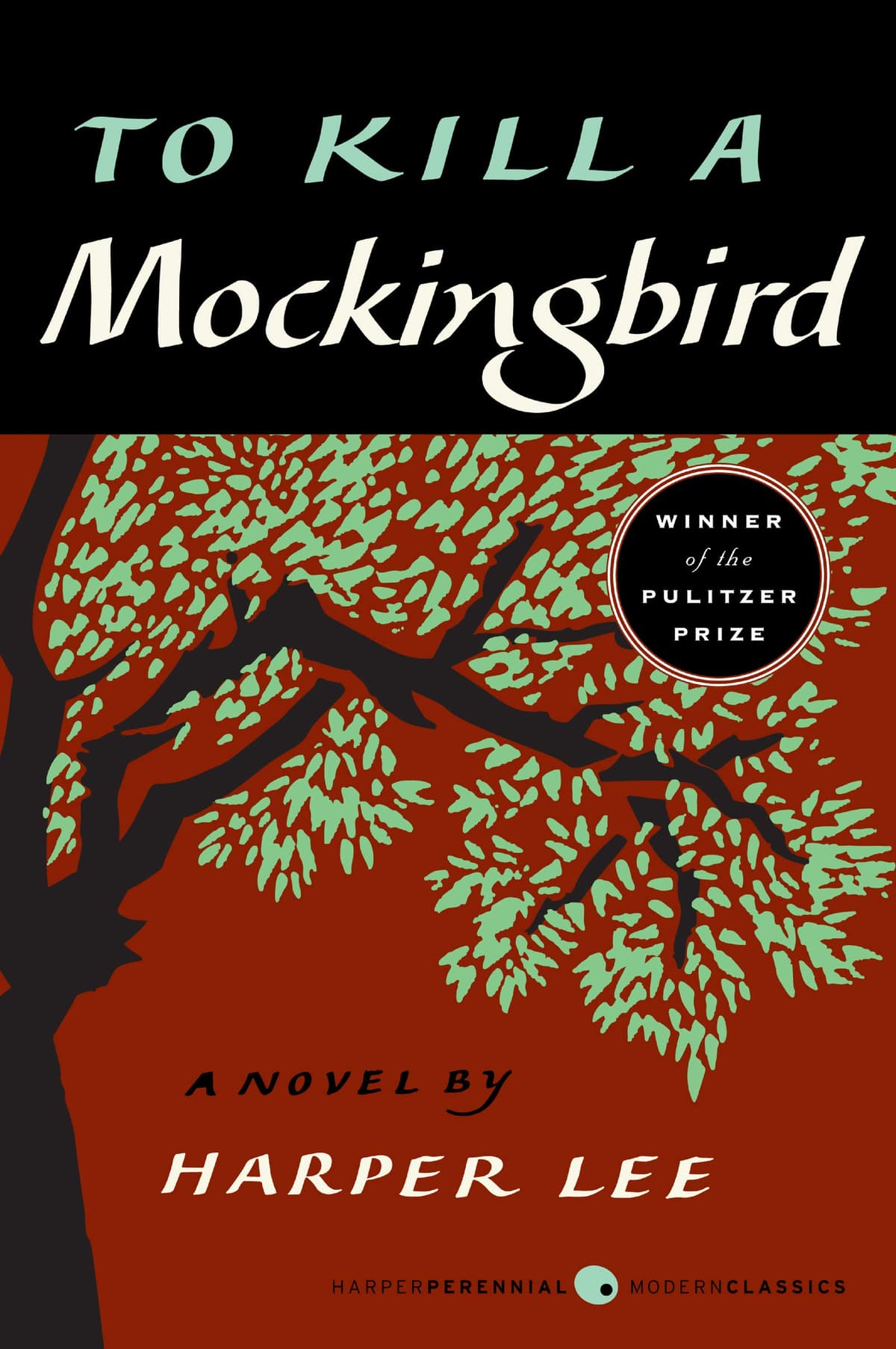 #17View Book
To Kill a Mockingbird
Harper Lee
Accessible•8-10 hours
Browse more collections