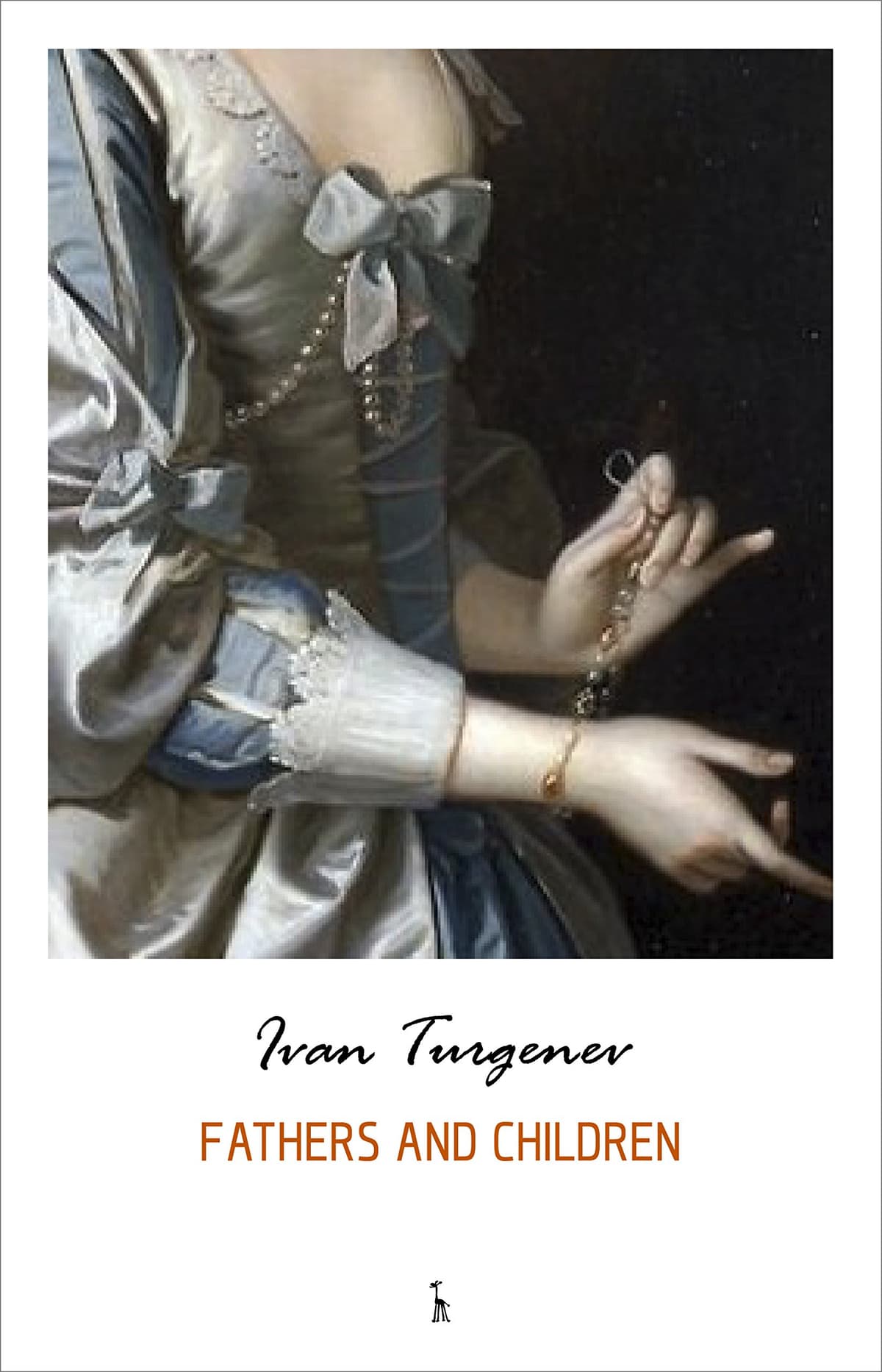
Fathers and Sons
“A nihilist is a person who does not bow down to any authority, who does not accept any principle on faith, however much that principle may be revered.”
Fathers and Sons Summary
Arkady Kirsanov returns home from university to his father's modest country estate, bringing with him a friend who will detonate the household's fragile peace: Yevgeny Bazarov, a young medical student who calls himself a nihilist and professes to believe in nothing—no authority, no tradition, no art, no love. Bazarov dissects frogs, dismisses poetry, and scandalizes Arkady's genteel uncle Pavel with his contempt for everything the older generation holds sacred. The two young men travel to a provincial town, visit a neighboring estate, and encounter the enigmatic widow Anna Odintsova—and it is here that Bazarov's armor of pure negation begins to crack, as he discovers that the human heart does not submit to ideology.
Turgenev's masterpiece is the first great novel of the generation gap—a book that gave the word "nihilist" to the world and mapped, with exquisite precision, the fault line between fathers who cling to the old order and sons who would burn it down. Yet Turgenev refuses to take sides. He renders Bazarov with such sympathy and complexity that the character transcends his doctrine, becoming not a mouthpiece but a tragic figure—brilliant, proud, and ultimately unable to escape the very emotions he denies. The novel's final pages, with their unforgettable image of grieving parents at a country graveyard, achieve a tenderness that no amount of nihilism can withstand.
Why Read Fathers and Sons?
If you have ever argued with your parents about politics, values, or the meaning of life—if you have ever been young enough to believe you could sweep the world clean and start over—then Bazarov's story will strike you with the force of recognition. Turgenev invented the literary archetype of the radical young intellectual who rejects everything, and he did it with such psychological depth that Bazarov feels as alive and contradictory as anyone you have ever met. This is the novel that launched a thousand debates in Russian society, and its central question—can a person truly live without belief?—has lost none of its urgency.
But what makes Fathers and Sons endure is not its ideas but its humanity. Turgenev writes with a painter's sensitivity to landscape, light, and the small gestures that reveal character. The novel is brief, luminous, and devastating—a book you can read in an afternoon that will haunt you for years. It reminds you that behind every ideology is a person, and behind every person is a heart that refuses to be theorized away.
About Ivan Turgenev
Ivan Turgenev (1818–1883) was born into the Russian landed gentry on his mother's estate in Oryol province. He studied at the Universities of Moscow, St. Petersburg, and Berlin, absorbing Western European philosophy and liberalism that would set him apart from both the Slavophile traditionalists and the radical nihilists of his day. His collection A Sportsman's Sketches (1852), which depicted the humanity of Russian serfs, is credited with influencing Tsar Alexander II's decision to emancipate them.
Turgenev spent much of his adult life abroad—particularly in France and Germany, following the opera singer Pauline Viardot, with whom he maintained a lifelong, complex attachment. His major novels—Rudin, A Nest of Gentlefolk, On the Eve, Fathers and Sons, and Smoke—chronicle the shifting ideological landscape of nineteenth-century Russia with a delicacy and fairness that earned him admiration from both conservatives and progressives. He was the first Russian novelist to gain a wide European readership, paving the way for Dostoevsky and Tolstoy, and his influence on the art of the novella and the short story remains profound.
Reading Guide
Ranked #168 among the greatest books of all time, Fathers and Sons by Ivan Turgenev has earned its place in the literary canon. Originally written in Russian and published in 1862, this moderate read from Russia continues to resonate with readers today.
This book belongs to our Russian Soul and Society & Satire collections, where you can discover more books that share its spirit and themes.
If you enjoy moderate reads like this one, you might also like One Hundred Years of Solitude, Nineteen Eighty-Four, or Wuthering Heights.
From the Russian Soul Collection
If you enjoyed Fathers and Sons, discover more masterpieces that share its spirit.
 #10View Book
Anna Karenina
Leo Tolstoy
High•30-35 hours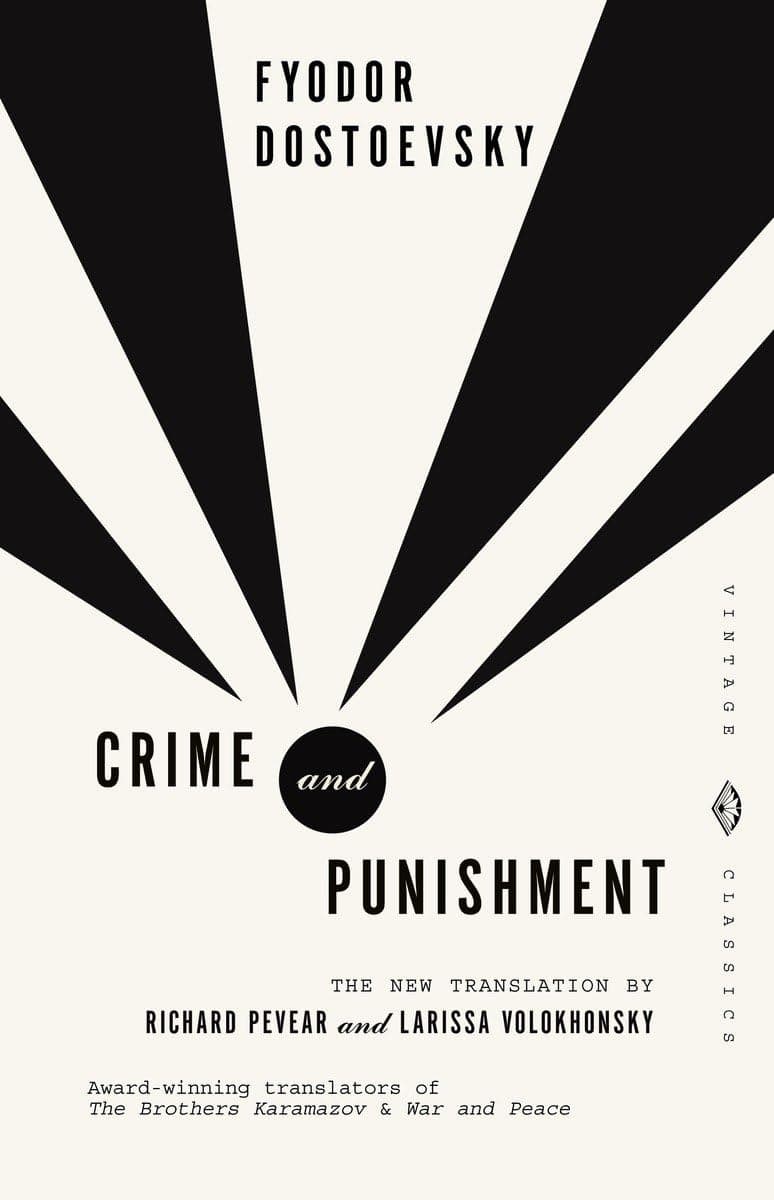 #11View Book
Crime and Punishment
Fyodor Dostoevsky
High•20-25 hours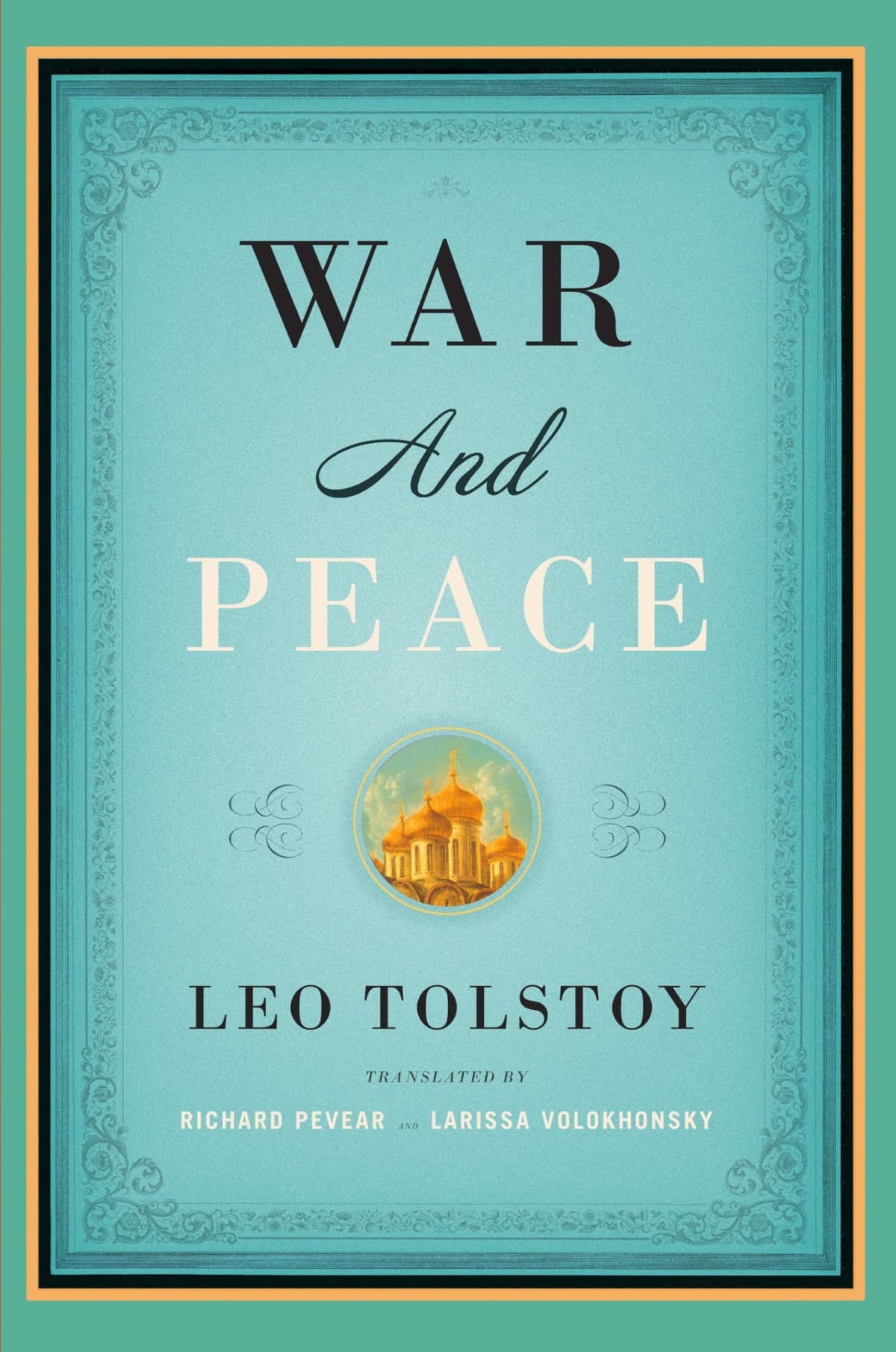 #14View Book
War and Peace
Leo Tolstoy
Very High•40-50 hours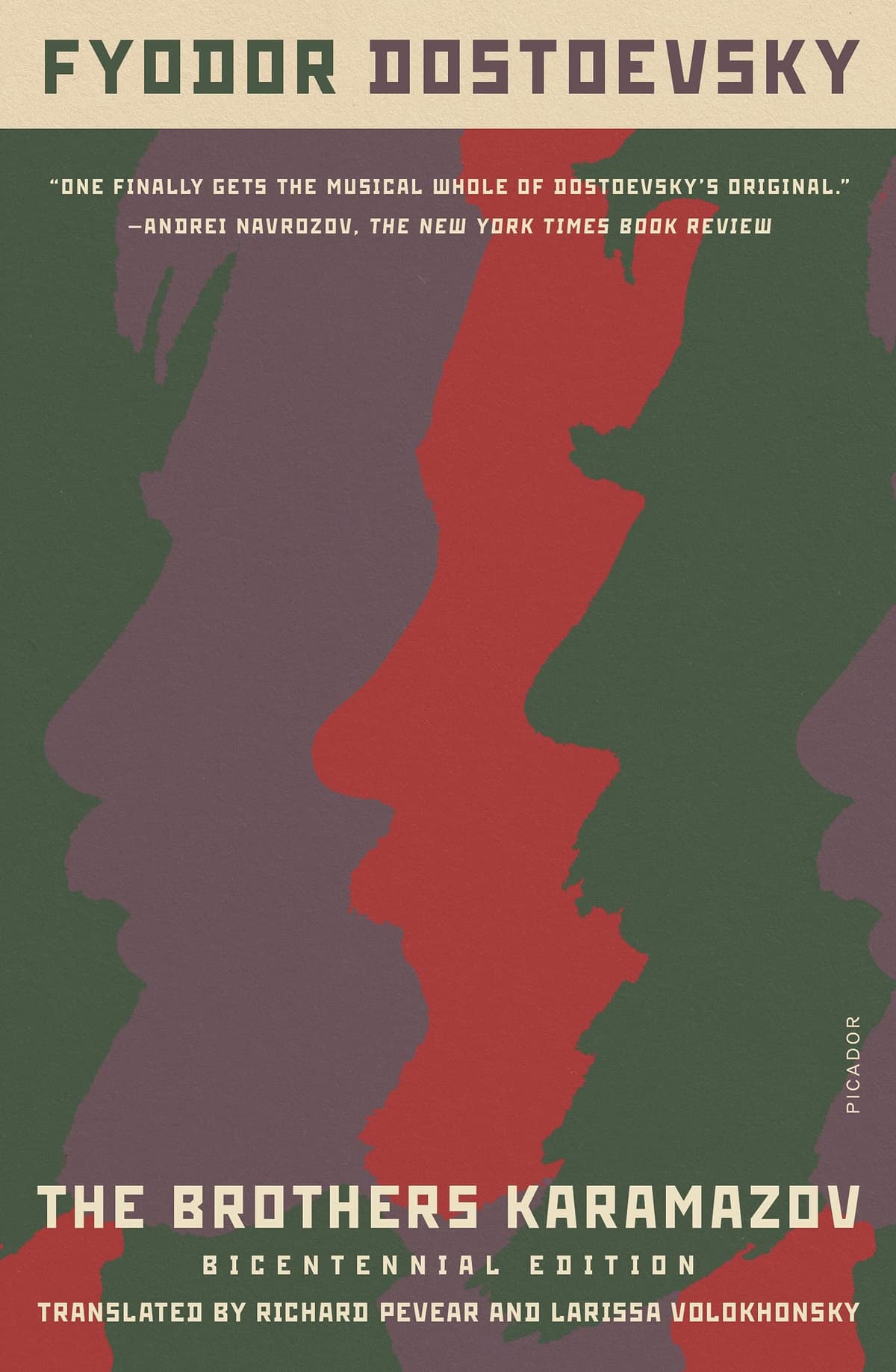 #19View Book
The Brothers Karamazov
Fyodor Dostoevsky
Very High•35-40 hours
Browse more collections