Wolf Hall

“Arrange the pieces on the board. Let the play begin.”
Wolf Hall Summary
Wolf Hall plunges the reader into the smoke-filled rooms and candlelit corridors of Tudor England, following Thomas Cromwell as he rises from the son of a Putney blacksmith to become the most powerful adviser in Henry VIII's court. The year is 1527, and the king's desperate need for an annulment from Katherine of Aragon sets in motion a chain of events that will reshape England forever. Cromwell, a lawyer of ferocious intelligence and pragmatic ruthlessness, navigates the treacherous world of court politics with a gift for reading people that borders on the uncanny. Through his eyes we encounter Cardinal Wolsey in his humiliating fall, Anne Boleyn in her calculating ascent, and Thomas More in his unyielding, lethal piety. Mantel renders the past not as a museum piece but as a living, breathing present, full of half-heard conversations, shifting loyalties, and the ever-present smell of woodsmoke and damp wool.
Hilary Mantel's Booker Prize-winning novel revolutionized historical fiction by placing the reader entirely inside Cromwell's consciousness, using a bold, present-tense narration that makes the sixteenth century feel as immediate as this morning's news. The prose is dense with sensory detail and psychological acuity, capturing the texture of daily life alongside the grand sweep of political transformation. Mantel reimagines Cromwell not as the villain of traditional accounts but as a complex, deeply human figure whose capacity for loyalty, grief, and strategic brilliance makes him one of the most compelling protagonists in contemporary fiction. Wolf Hall demonstrates that historical fiction, at its best, can illuminate the past while speaking directly to the power struggles, moral compromises, and institutional upheavals of our own time.
Why Read Wolf Hall?
Wolf Hall will change the way you think about historical fiction. Hilary Mantel does not simply reconstruct the Tudor period; she conjures it from the inside out, placing you so deeply within Thomas Cromwell's mind that you feel the cold of stone floors, smell the tallow candles, and sense the danger lurking behind every courteous smile. Her Cromwell is a revelation: not the scheming villain of popular imagination, but a man of extraordinary intelligence and unexpected tenderness, shaped by violence and loss into someone who understands power with an intimacy that is both thrilling and unsettling. The novel's present-tense narration creates an almost unbearable immediacy, making events five centuries old feel as urgent as a breaking crisis.
Beyond its literary brilliance, Wolf Hall offers a masterclass in how power actually works, how alliances form and fracture, how institutions bend under pressure, and how individuals navigate systems designed to crush them. If you have ever wondered what it feels like to be the smartest person in a room full of people who want you dead, this is your book. Mantel's prose rewards close attention with layers of meaning that deepen on every rereading, and her portrait of a self-made man fighting for survival in a world of inherited privilege resonates powerfully with our own era.
About Hilary Mantel
Hilary Mantel was born in 1952 in Glossop, Derbyshire, and grew up in a working-class Catholic family in the north of England. She studied law at the London School of Economics and the University of Sheffield, but chronic illness and a restless literary ambition redirected her life toward writing. She lived for several years in Botswana and Saudi Arabia with her husband, experiences that deepened her understanding of power, displacement, and cultural collision. Her early novels, including Every Day Is Mother's Day and Fludd, earned critical respect but modest readership.
Mantel's career was transformed by the Thomas Cromwell trilogy. Wolf Hall (2009) and its sequel Bring Up the Bodies (2012) each won the Booker Prize, making her the first woman and the first British author to win the award twice. The trilogy's concluding volume, The Mirror and the Light (2020), was a bestselling literary event. Her memoir Giving Up the Ghost is a harrowing and beautiful account of illness, memory, and the origins of imagination. Mantel's fiction is distinguished by its psychological depth, its immersive present-tense style, and its insistence that the past is not a foreign country but a mirror of the present. She died in 2022, recognized as one of the greatest English-language novelists of her generation.
Reading Guide
Ranked #426 among the greatest books of all time, Wolf Hall by Hilary Mantel has earned its place in the literary canon. Originally written in English and published in 2009, this challenging read from United Kingdom continues to resonate with readers today.
This book belongs to our Society & Satire collection, where you can discover more books that share its spirit and themes.
If you enjoy challenging reads like this one, you might also like Ulysses, Moby-Dick, or Lolita.
From the Society & Satire Collection
If you enjoyed Wolf Hall, discover more masterpieces that share its spirit.
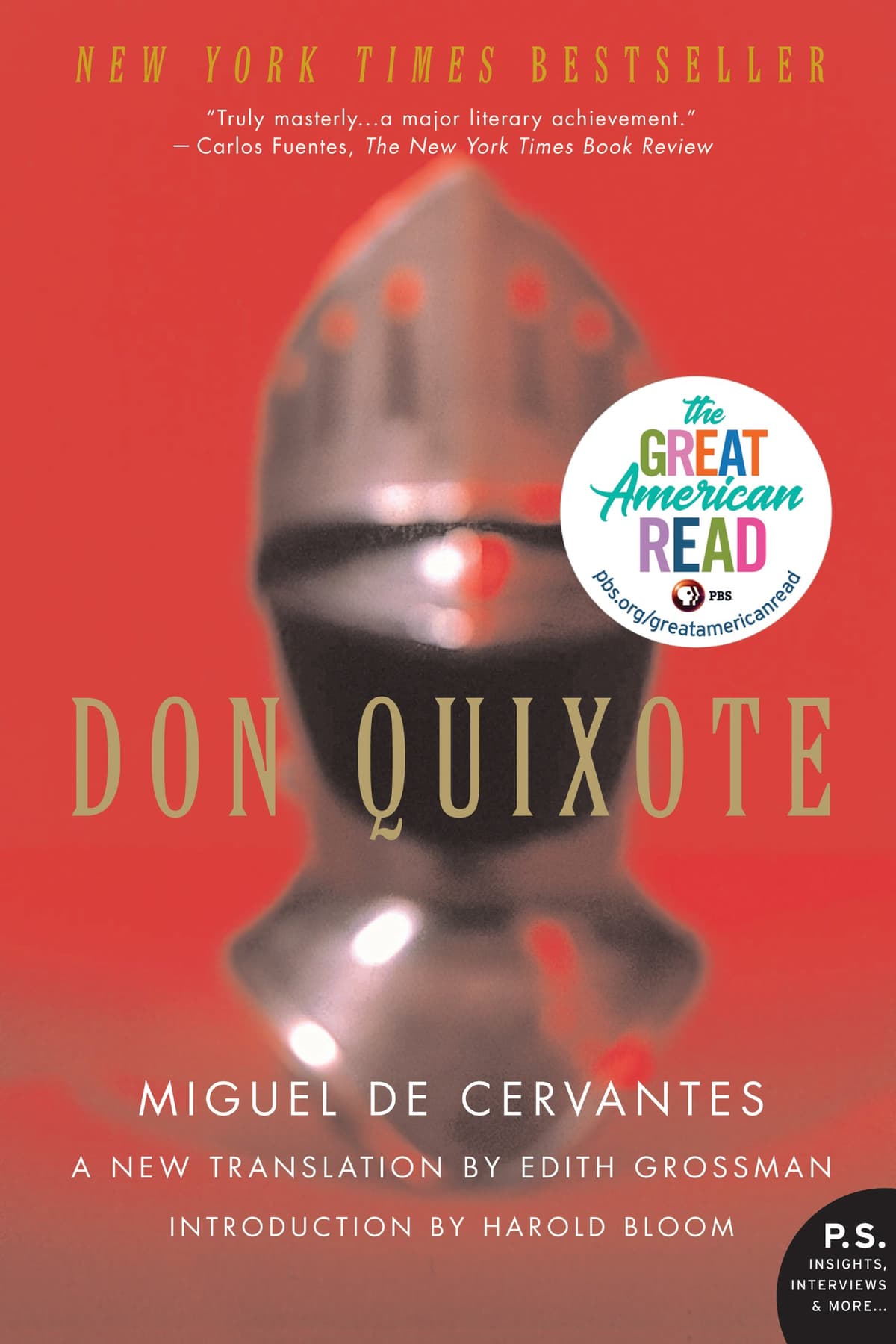 #9View Book
Don Quixote
Miguel de Cervantes
High•35-40 hours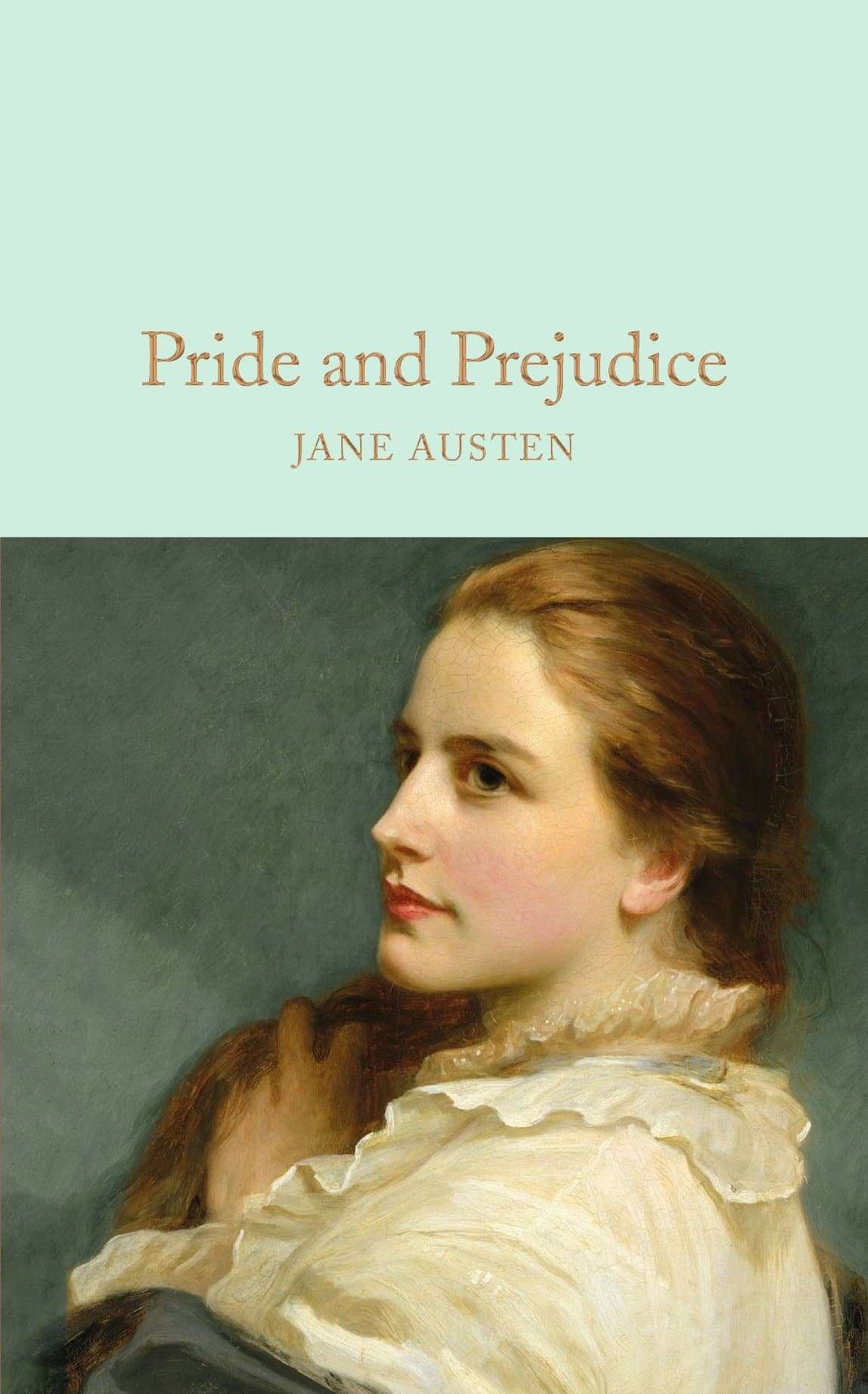 #12View Book
Pride and Prejudice
Jane Austen
Accessible•10-12 hours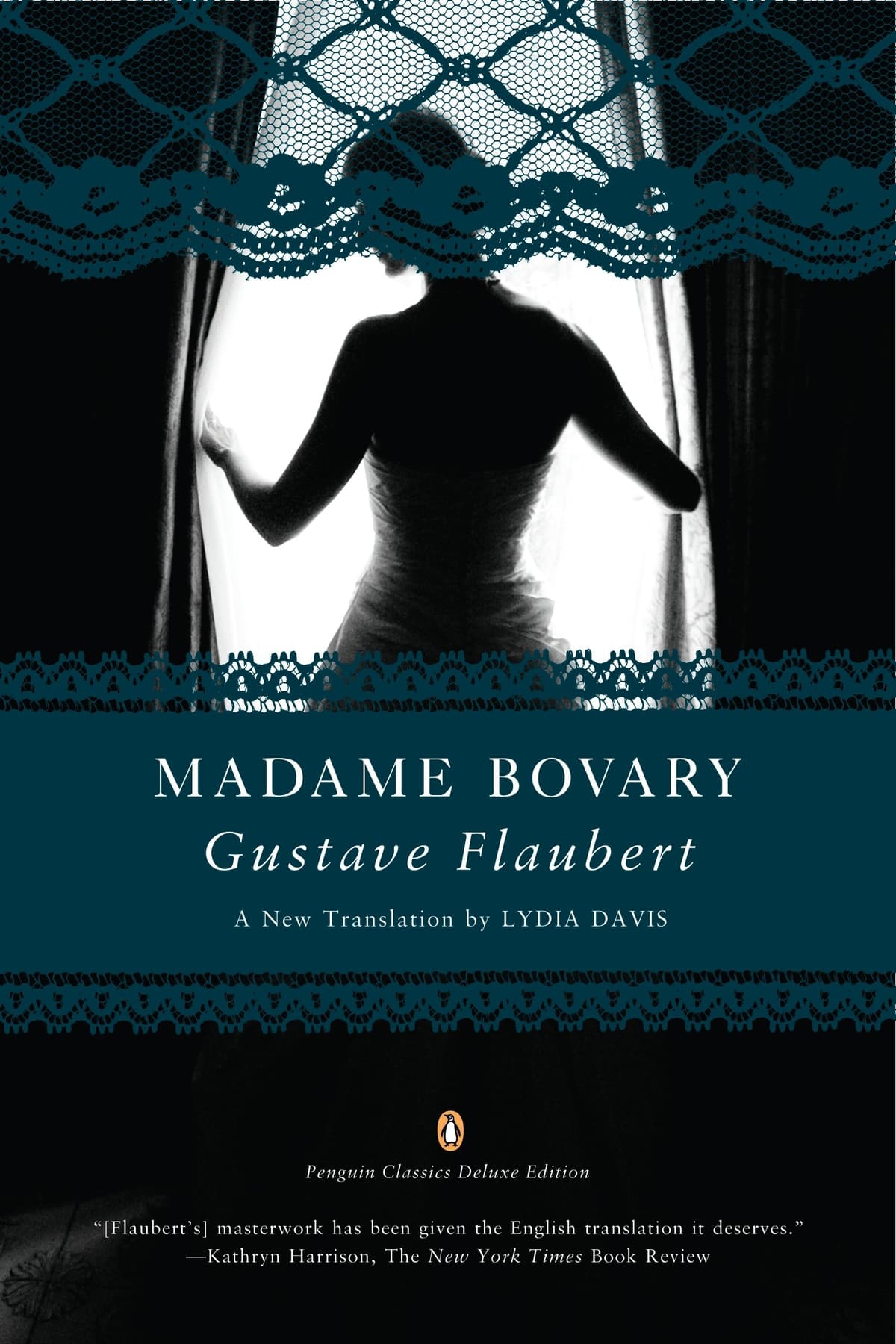 #22View Book
Madame Bovary
Gustave Flaubert
Moderate•12-15 hours #30View Book
Middlemarch
George Eliot
High•30-35 hours
Browse more collections