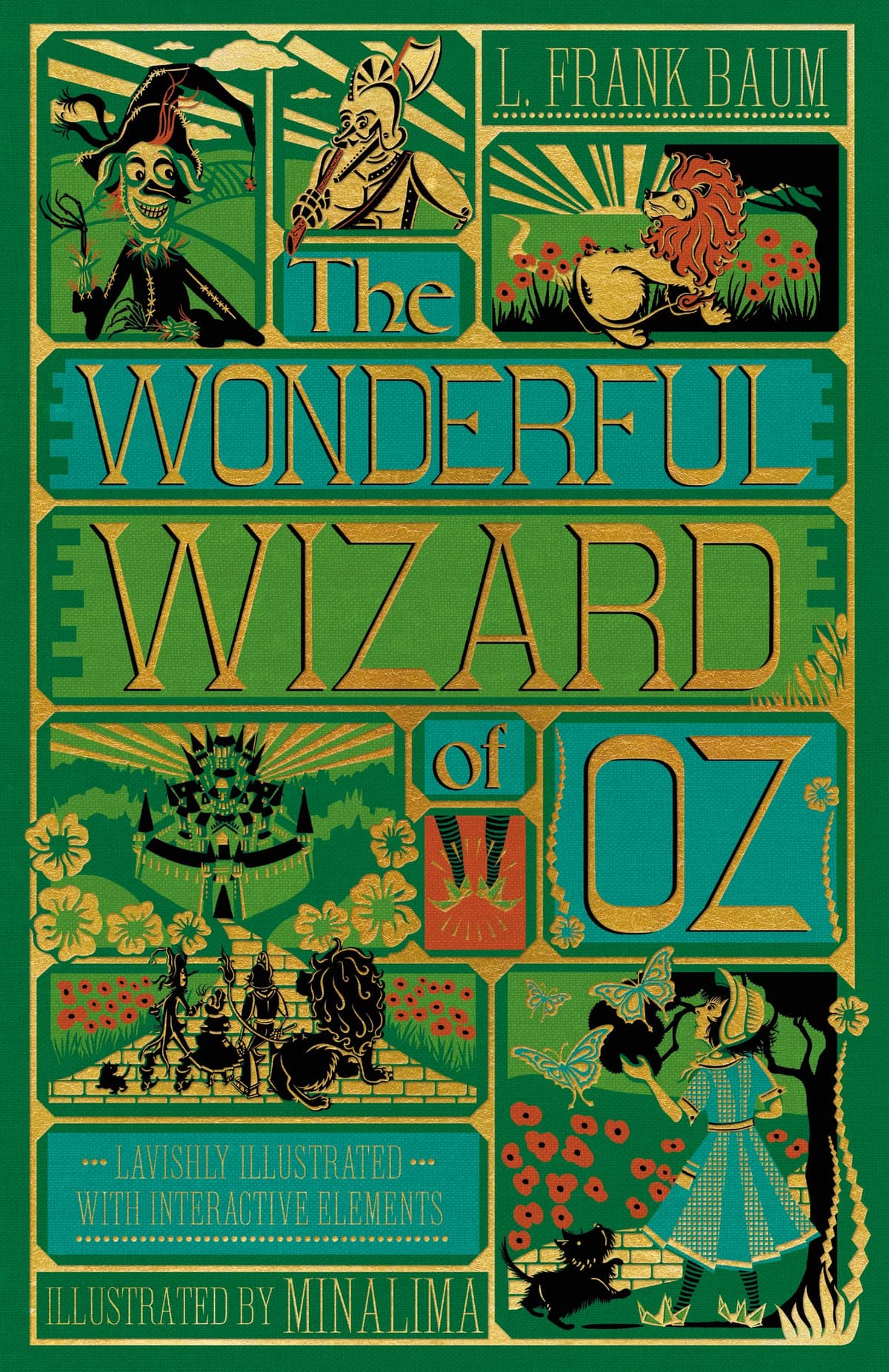
The Wonderful Wizard of Oz
“You have plenty of courage, I am sure. All you need is confidence in yourself. There is no living thing that is not afraid when it faces danger. The true courage is in facing danger when you are afraid.”
The Wonderful Wizard of Oz Summary
Dorothy Gale, a young girl living on the gray Kansas prairie with her Aunt Em and Uncle Henry, is swept away by a cyclone to the magical Land of Oz. Her farmhouse lands on and kills the Wicked Witch of the East, earning Dorothy the witch's enchanted Silver Shoes and the gratitude of the Munchkins. To find her way home, she follows the Yellow Brick Road to the Emerald City to seek the help of the great Wizard of Oz. Along the way, she gathers three companions: a Scarecrow who wants a brain, a Tin Woodman who desires a heart, and a Cowardly Lion who seeks courage. Together they face dangers including hostile Kalidahs, a deadly poppy field, and the fearsome Wicked Witch of the West, whom Dorothy ultimately defeats with a simple bucket of water.
Baum's story, the first in a fourteen-book series, invented a distinctly American fairy tale tradition, replacing the dark forests and cruel monarchs of European folklore with democratic values and heartland optimism. The Wizard himself proves to be an ordinary man from Omaha, a brilliant humbug whose power rests entirely on spectacle and perception. Each of Dorothy's companions already possesses the quality they seek, a message about self-knowledge that resonates across generations. Published at the turn of the twentieth century, the novel has been interpreted as everything from a monetary allegory to a parable about American populism, though its enduring power lies in its simple, luminous assertion that there is no place like home.
Why Read The Wonderful Wizard of Oz?
Before Narnia, before Middle-earth, there was Oz. Baum created the first great American fantasy world, a place of vivid color and boundless imagination that stands as a counterpoint to the monochrome hardship of the Kansas prairie. Whether encountered for the first time or revisited after years, the story carries an infectious sense of wonder that refuses to dim. The companions Dorothy gathers along the Yellow Brick Road are among the most recognizable characters in all of literature, and their quests for brain, heart, and courage speak to the universal human desire to become more than what we believe ourselves to be.
What makes the original novel distinct from its famous film adaptation is its sharper edges and richer world-building. The book contains episodes of genuine menace and moral complexity that the movie smoothed away, and the Silver Shoes carry a different symbolic weight than ruby slippers. Reading Baum's text reveals a surprisingly sophisticated work that balances childlike delight with pointed commentary about the nature of power, self-deception, and what it truly means to belong somewhere. It is the foundational American fairy tale, and its influence on fantasy literature is immeasurable.
About L. Frank Baum
Lyman Frank Baum was born in 1856 in Chittenango, New York, and led a remarkably varied life before finding his calling as a children's author. He worked as a journalist, theater producer, poultry breeder, and shop owner on the South Dakota frontier before publishing The Wonderful Wizard of Oz in 1900, which became an immediate bestseller. The book's success led to thirteen sequels, a hugely popular stage musical, and eventually the iconic 1939 MGM film that cemented the story in the global imagination.
Baum was a progressive figure who supported women's suffrage and envisioned Oz as a feminist utopia governed by Princess Ozma. He experimented with early multimedia, creating hand-tinted slide shows to accompany his stories on lecture tours. He spent his later years in Hollywood, where he continued writing Oz books until his death in 1919. Though he sometimes chafed at being identified solely with Oz, his creation proved to be one of the most enduring contributions to American culture, spawning countless adaptations, scholarly interpretations, and a literary legacy that extends far beyond children's literature.
Reading Guide
Ranked #327 among the greatest books of all time, The Wonderful Wizard of Oz by L. Frank Baum has earned its place in the literary canon. Originally written in English and published in 1900, this accessible read from United States continues to resonate with readers today.
This book belongs to our Speculative Futures collection, where you can discover more books that share its spirit and themes.
If you enjoy accessible reads like this one, you might also like The Great Gatsby, The Catcher in the Rye, or Pride and Prejudice.
From the Speculative Futures Collection
If you enjoyed The Wonderful Wizard of Oz, discover more masterpieces that share its spirit.
 #6View Book
Nineteen Eighty-Four
George Orwell
Moderate•8-10 hours #20View Book
The Trial
Franz Kafka
Moderate•8-10 hours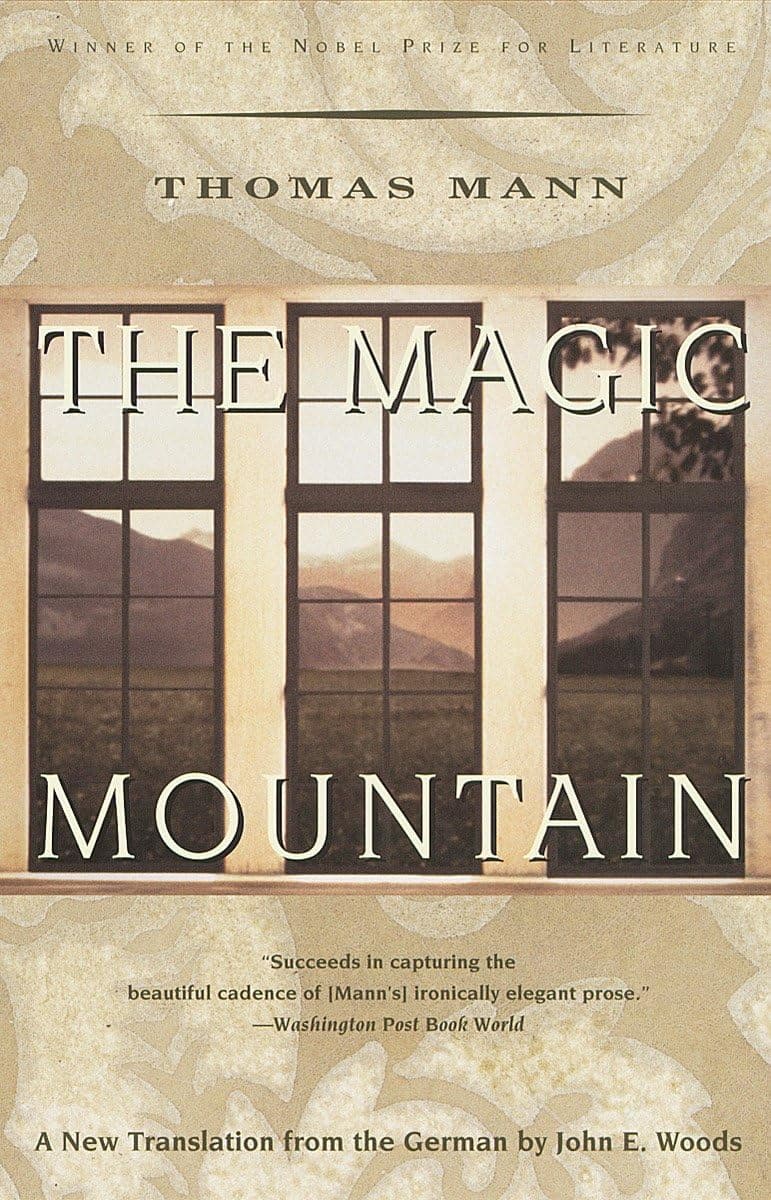 #27View Book
The Magic Mountain
Thomas Mann
High•30-35 hours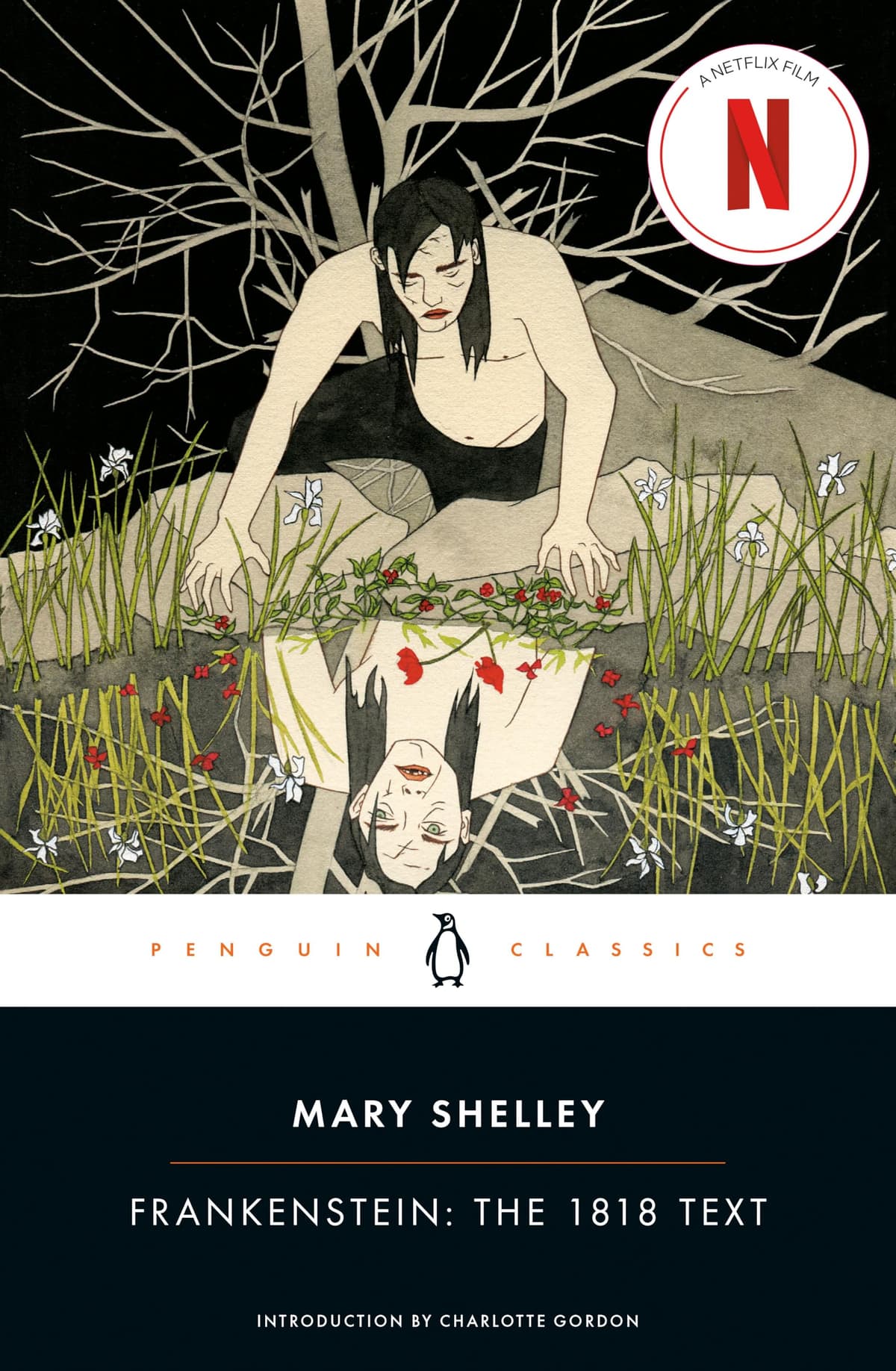 #41View Book
Frankenstein
Mary Shelley
Accessible•6-8 hours
Browse more collections