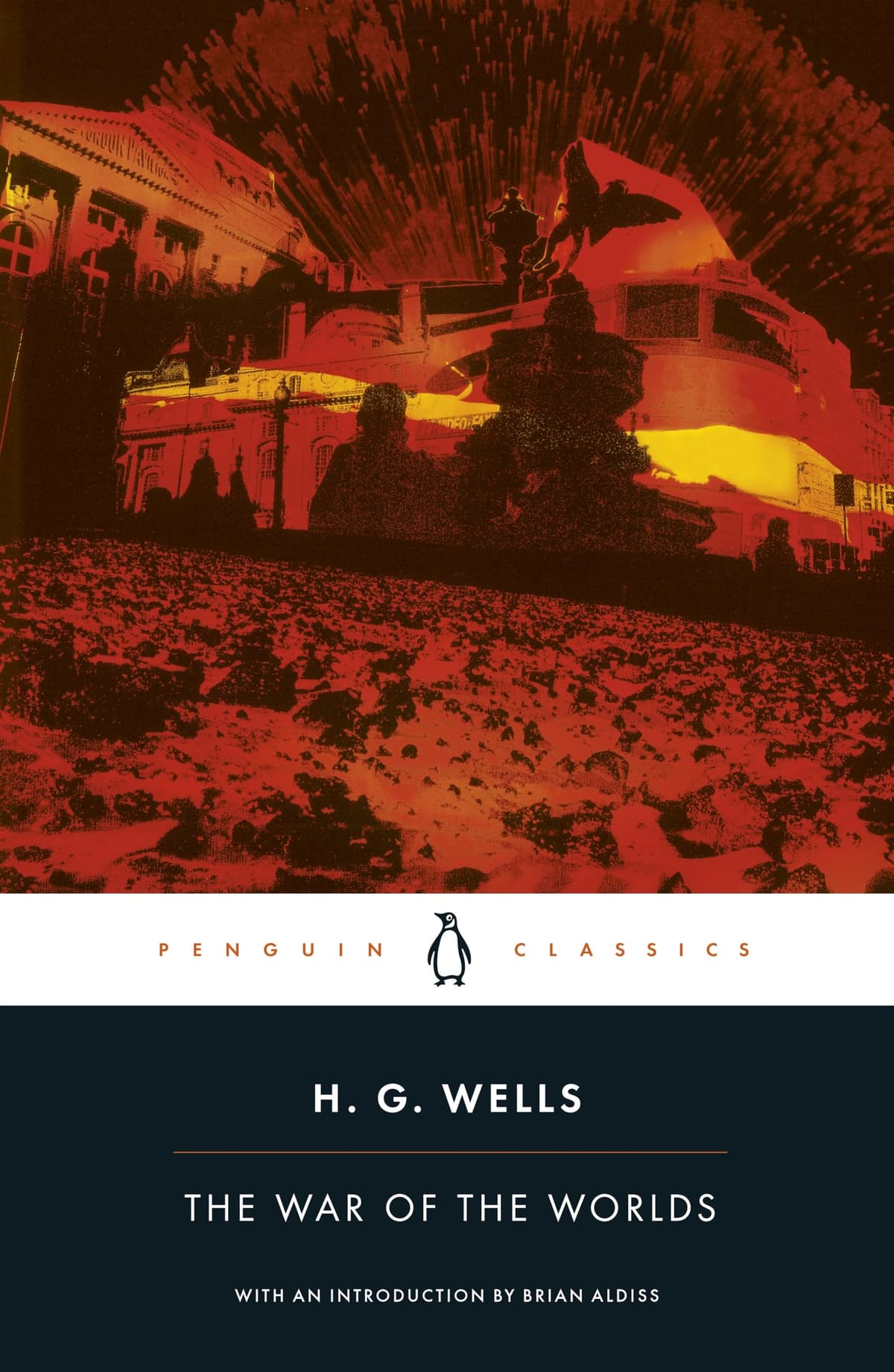
The War of the Worlds
“No one would have believed in the last years of the nineteenth century that this world was being watched keenly and closely by intelligences greater than man's and yet as mortal as his own.”
The War of the Worlds Summary
An unnamed narrator in late-Victorian Surrey witnesses the arrival of mysterious cylinders from Mars, from which emerge vast, tentacled creatures piloting towering tripod fighting machines armed with heat rays and poisonous black smoke. As the Martians advance toward London, the narrator is separated from his wife and must survive alone through a landscape of devastation, encountering a curate driven mad by terror and an artilleryman with grandiose plans for underground resistance. The British military proves utterly helpless against the alien technology, and civilization collapses within days. When the Martians finally perish, it is not through human ingenuity but through earthly bacteria, to which they have no immunity.
The War of the Worlds is one of the earliest and most influential alien invasion narratives, a novel that turned the imperial gaze back upon the colonizers by imagining England subjected to the same merciless conquest it had inflicted on others. Wells wrote the novel partly as a response to the British destruction of Tasmania's indigenous population, and the parallels between Martian imperialism and Victorian colonialism give the story a moral weight that transcends its genre. Its influence is immense: it inspired Orson Welles's panic-inducing 1938 radio broadcast, countless films, and virtually every alien invasion story that followed. More than a century after its publication, the novel's vision of technological helplessness and societal collapse feels disturbingly contemporary.
Why Read The War of the Worlds?
Few novels have shaped an entire genre as decisively as The War of the Worlds shaped science fiction. Before Wells, stories of otherworldly encounters tended toward whimsy or romance; after him, the alien invasion became one of literature's most potent metaphors for vulnerability, hubris, and the precariousness of civilization. The novel moves with relentless momentum, plunging the reader into a world where every assumption about human supremacy is shattered in a matter of days.
What elevates the book beyond mere spectacle is Wells's subversive intelligence. By making the English the victims of colonization, he forces readers to confront what their own empire had done to peoples across the globe. The Martians are not evil in any conventional sense; they are simply a more advanced civilization exploiting a weaker one, exactly as the British had done. This moral irony gives the novel a sting that pure adventure cannot provide. Combined with Wells's gift for vivid, almost cinematic imagery and his unforgettable ending, in which humanity is saved not by heroism but by the humblest of organisms, The War of the Worlds remains essential reading for anyone interested in the power of science fiction to illuminate the present through the lens of the fantastic.
About H. G. Wells
Herbert George Wells was born in 1866 in Bromley, Kent, to a lower-middle-class family. A scholarship to the Normal School of Science in London brought him under the tutelage of the biologist T. H. Huxley, whose lectures on evolution profoundly shaped Wells's worldview. After working as a teacher and journalist, Wells published The Time Machine in 1895, launching one of the most prolific and influential literary careers of the modern era. In rapid succession he produced The Island of Doctor Moreau, The Invisible Man, and The War of the Worlds, establishing himself as the father of modern science fiction.
Beyond science fiction, Wells wrote realist novels, social comedies, popular histories, and political tracts, becoming one of the most widely read authors in the world. He was a committed socialist and futurist who advocated for world government, free education, and scientific planning, engaging in public debates with figures from Henry James to Joseph Stalin. His influence on science fiction is incalculable: virtually every major theme of the genre, from time travel to alien invasion to biological engineering, can be traced back to his early romances. Wells died in London in 1946, having lived long enough to see many of his fictional warnings about technology and warfare come terrifyingly true.
Reading Guide
Ranked #360 among the greatest books of all time, The War of the Worlds by H. G. Wells has earned its place in the literary canon. Originally written in English and published in 1898, this accessible read from United Kingdom continues to resonate with readers today.
This book belongs to our Speculative Futures collection, where you can discover more books that share its spirit and themes.
If you enjoy accessible reads like this one, you might also like The Great Gatsby, The Catcher in the Rye, or Pride and Prejudice.
From the Speculative Futures Collection
If you enjoyed The War of the Worlds, discover more masterpieces that share its spirit.
 #6View Book
Nineteen Eighty-Four
George Orwell
Moderate•8-10 hours #20View Book
The Trial
Franz Kafka
Moderate•8-10 hours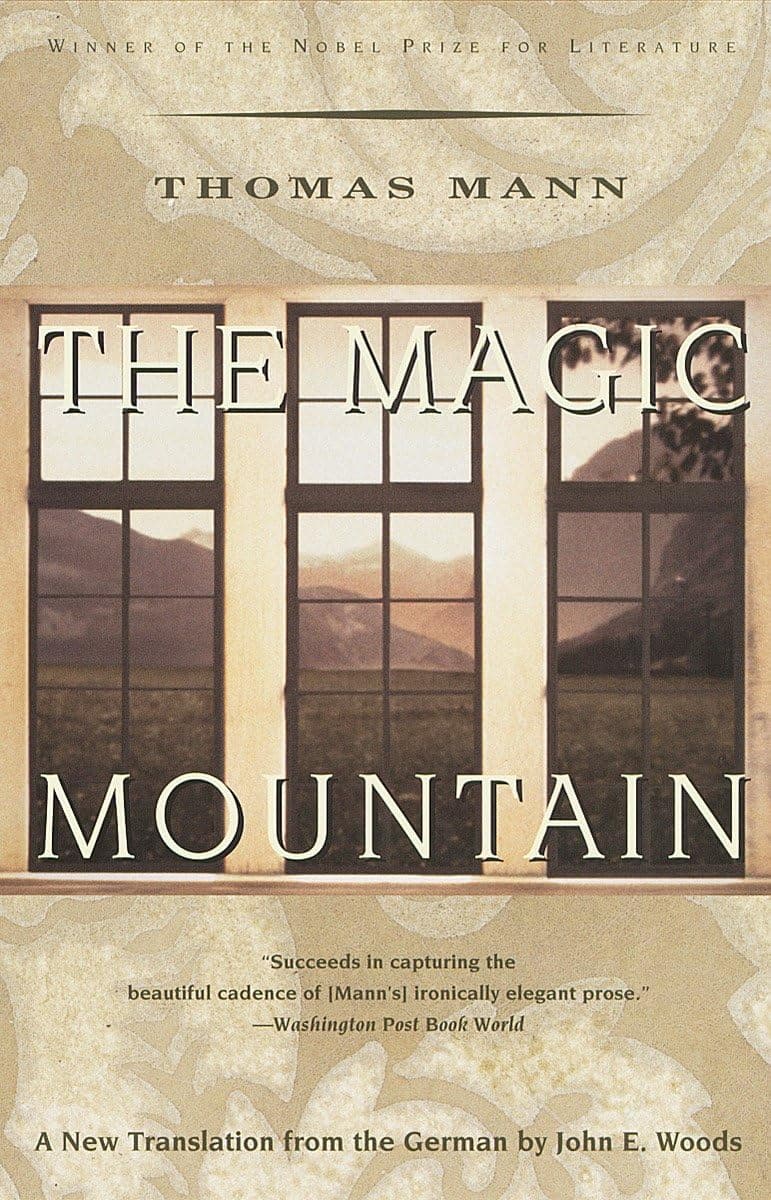 #27View Book
The Magic Mountain
Thomas Mann
High•30-35 hours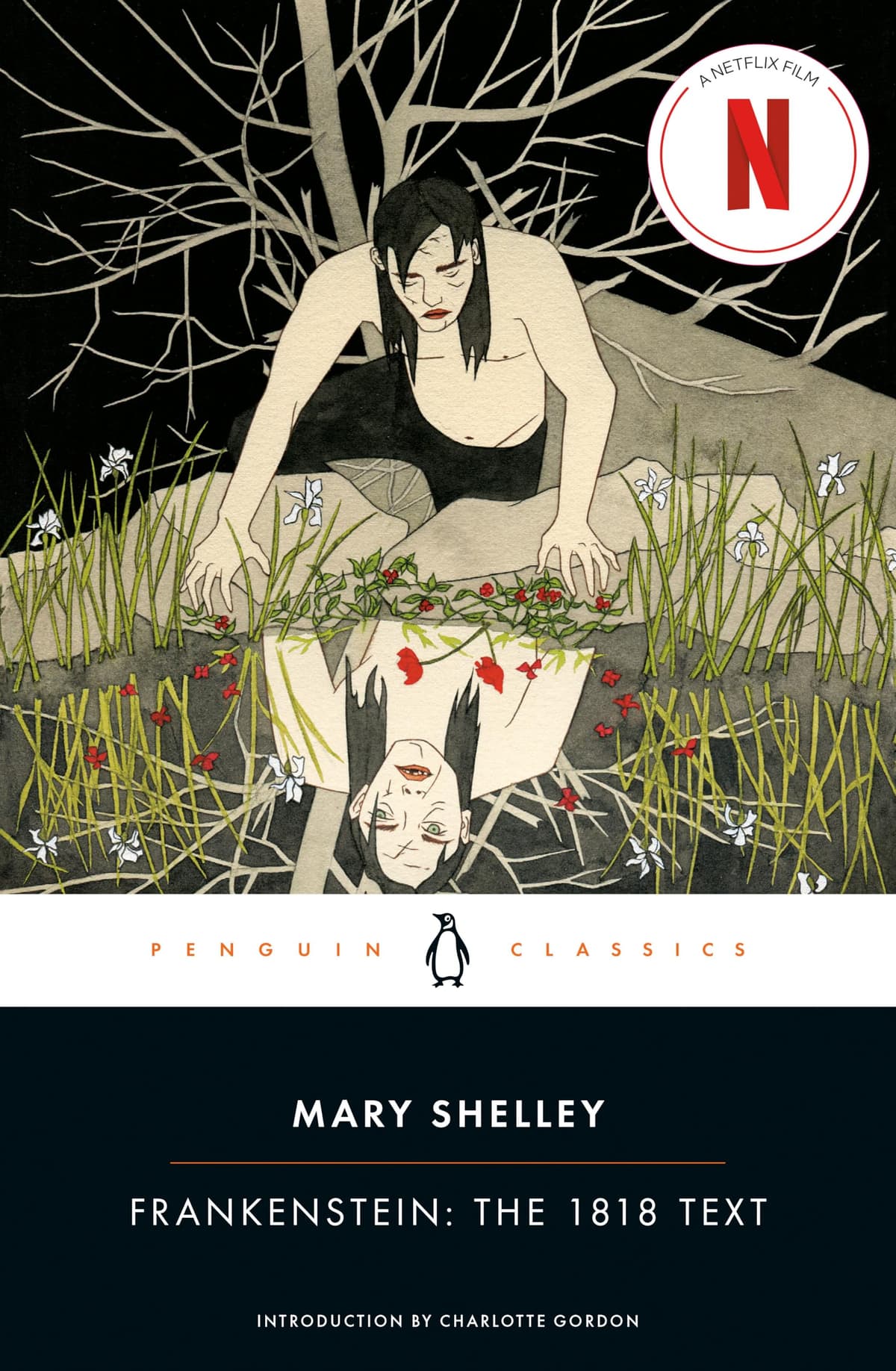 #41View Book
Frankenstein
Mary Shelley
Accessible•6-8 hours
Browse more collections