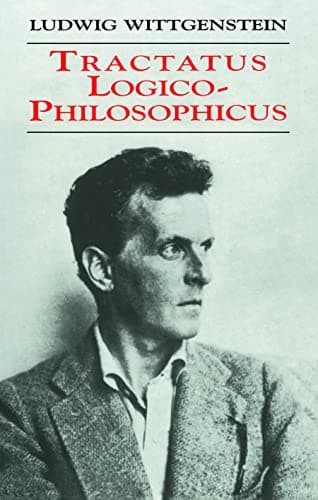
Tractatus Logico-Philosophicus
“Whereof one cannot speak, thereof one must be silent.”
Tractatus Logico-Philosophicus Summary
Composed of just seven main propositions and their sub-propositions, the Tractatus attempts nothing less than to map the entire relationship between language, thought, and reality. Wittgenstein argues that the world consists of facts rather than things, and that language pictures these facts through a shared logical structure. Propositions that correspond to states of affairs are meaningful; everything else—ethics, aesthetics, the meaning of life—falls outside the boundary of what can be said. The book builds an austere logical scaffolding, drawing on the work of Frege and Russell, only to kick it away at the end.
The Tractatus is one of the most compressed and enigmatic works in the history of philosophy. Its numbered propositions read like a cross between a mathematical proof and mystical poetry. Wittgenstein believed he had solved all the problems of philosophy by showing that most philosophical questions are not false but nonsensical—attempts to say what can only be shown. The famous closing line draws a boundary around thought itself, and the book's influence on logical positivism, analytic philosophy, and the philosophy of language has been immeasurable.
Why Read Tractatus Logico-Philosophicus?
If you want to understand the foundations of modern philosophy, you must reckon with this book. The Tractatus draws a hard line between what can be meaningfully said and what must be passed over in silence, and in doing so it reshaped how we think about language, logic, and the limits of human understanding. It is philosophy distilled to its most concentrated form—every sentence carries the weight of a chapter.
You do not need a background in formal logic to feel the force of this book. Its crystalline propositions have the strange beauty of mathematical theorems, and its final pages achieve a kind of austere mysticism that has haunted readers for a century. It is short enough to read in an afternoon and deep enough to spend a lifetime unpacking. Whether you agree with Wittgenstein or not, the Tractatus will permanently change how you think about the relationship between words and the world.
About Ludwig Wittgenstein
Ludwig Wittgenstein (1889–1951) was an Austrian-British philosopher born into one of the wealthiest families in Europe. He gave away his entire inheritance, served as a soldier in World War I, worked as a village schoolteacher and a hospital porter, and designed a house for his sister—all while producing two of the most influential works in the history of philosophy. He studied under Bertrand Russell at Cambridge and later returned there as a professor, though he encouraged his best students to leave academia.
The Tractatus, published in 1921, was the only book-length philosophical work Wittgenstein published in his lifetime. He believed it had solved all the problems of philosophy and abandoned the discipline for years. He later returned to dismantle much of his own earlier thinking in the posthumously published Philosophical Investigations, making him the rare thinker who founded two distinct and opposing schools of thought. His intensity, eccentricity, and uncompromising intellectual honesty have made him a legendary figure far beyond the world of academic philosophy.
Reading Guide
Ranked #359 among the greatest books of all time, Tractatus Logico-Philosophicus by Ludwig Wittgenstein has earned its place in the literary canon. Originally written in German and published in 1921, this very high read from Austria continues to resonate with readers today.
This book belongs to our Philosophy & Faith and Modern Mind collections, where you can discover more books that share its spirit and themes.
If you enjoy very high reads like this one, you might also like The Sound and the Fury, War and Peace, or The Brothers Karamazov.
From the Philosophy & Faith Collection
If you enjoyed Tractatus Logico-Philosophicus, discover more masterpieces that share its spirit.
 #11View Book
Crime and Punishment
Fyodor Dostoevsky
High•20-25 hours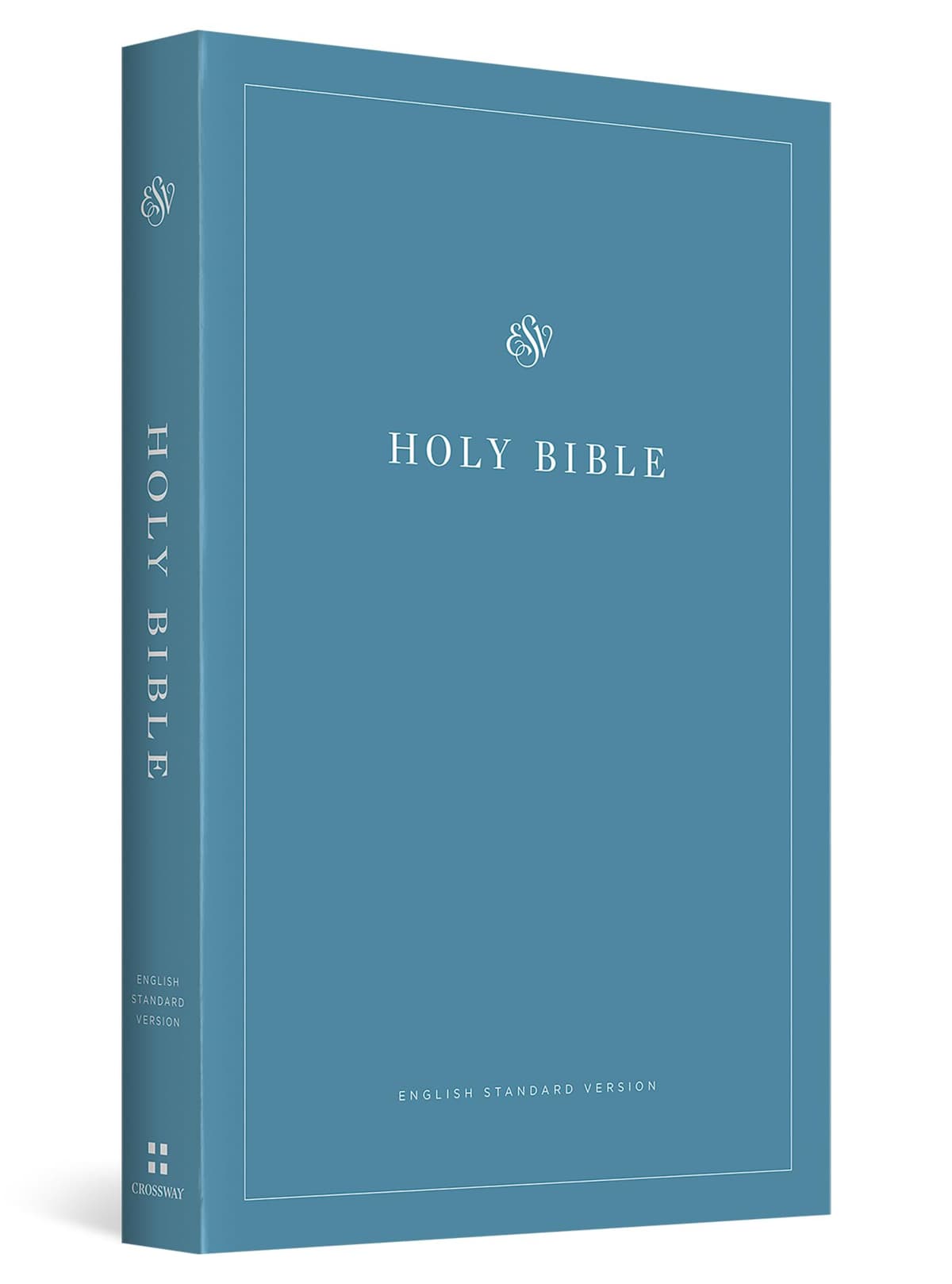 #18View Book
The Bible
Various
Variable•60-80 hours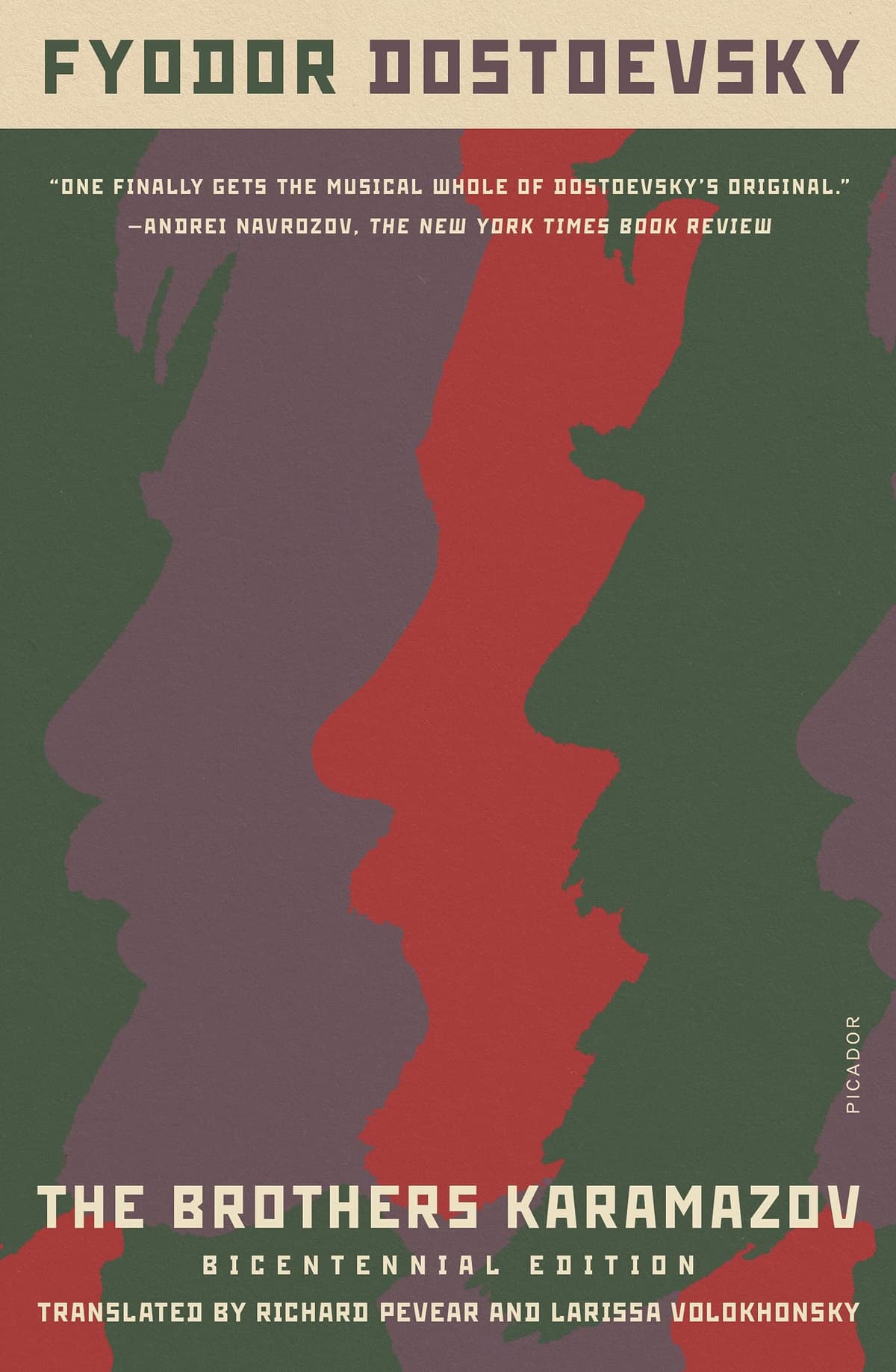 #19View Book
The Brothers Karamazov
Fyodor Dostoevsky
Very High•35-40 hours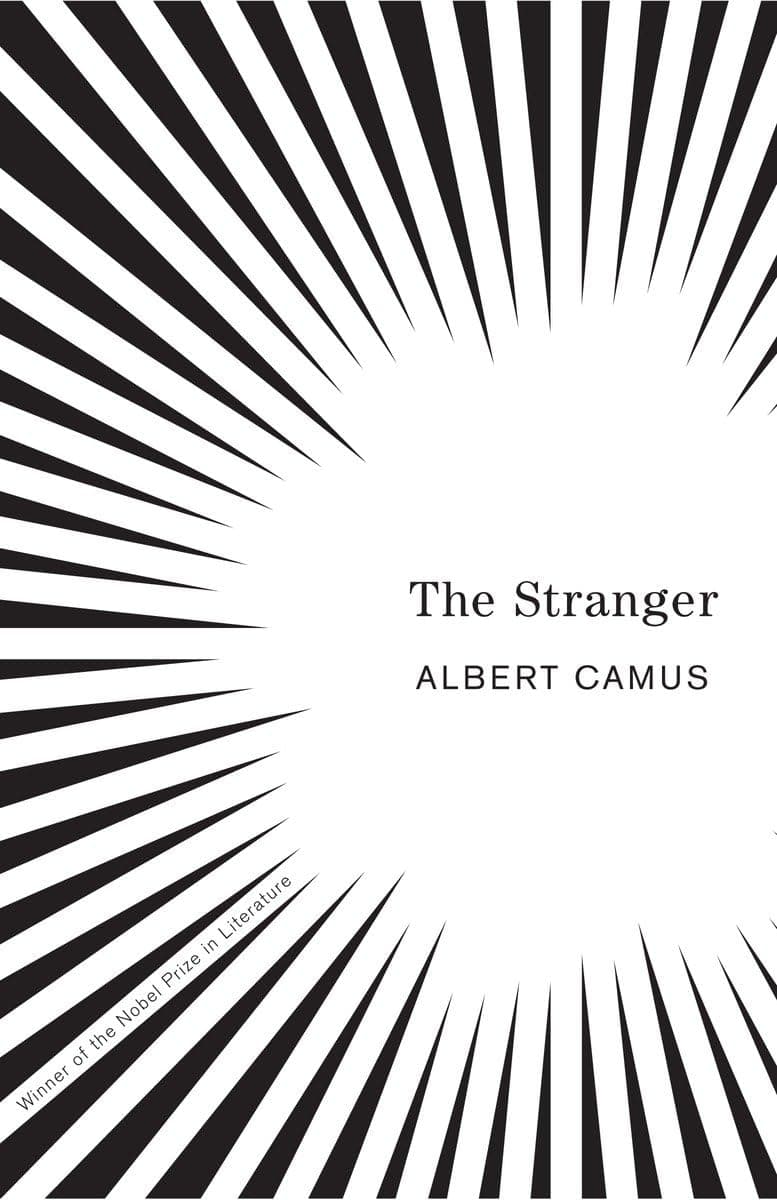 #21View Book
The Stranger
Albert Camus
Moderate•3-4 hours
Browse more collections