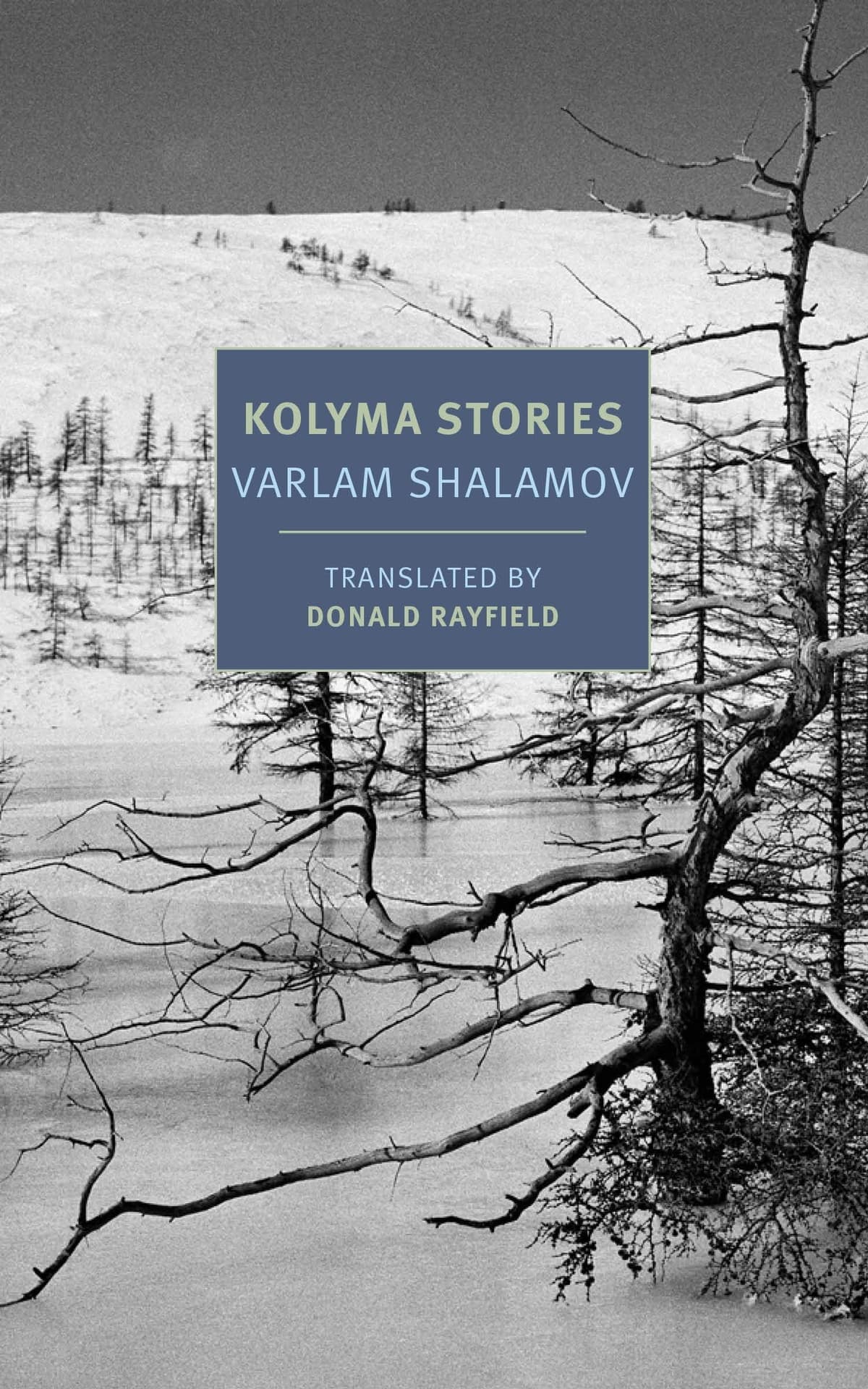
Kolyma Stories
“I discovered that the world should be divided not into good and bad people but into cowards and non-cowards. Ninety-five percent of cowards are capable of the vilest things, lethal things, at the mildest threat.”
Kolyma Stories Summary
Kolyma Stories is a searing collection of short fiction drawn from Varlam Shalamov's seventeen years in the forced labor camps of the Kolyma region, one of the most brutal outposts of the Soviet Gulag system. Through tightly compressed narratives, Shalamov documents the systematic dehumanization of prisoners subjected to starvation, exhaustion, and Arctic cold, rendering the daily calculus of survival with an unflinching precision that refuses to look away. These are not stories of heroism or redemption but of bodies and minds pushed to the outer limits of endurance, where moral categories dissolve and existence is reduced to its most elemental terms.
Shalamov's prose style is spare, almost clinical, yet it achieves a devastating cumulative power that distinguishes these stories from all other Gulag literature. Where Solzhenitsyn employed the architecture of the novel and Primo Levi the reflective essay, Shalamov forged a new form of literary testimony built on fragmentation and compression, mirroring the way extreme suffering shatters coherent experience. Each story functions as an ice core sample of totalitarian horror, and together they constitute one of the twentieth century's most important acts of witness, a work whose moral authority has only grown since its underground circulation in Soviet Russia.
Why Read Kolyma Stories?
You should read Kolyma Stories because it represents one of the most powerful acts of literary witness ever committed to paper. Shalamov does not merely describe suffering; he places you inside the frozen logic of the camps, where a pair of dry socks can mean the difference between life and death, and where the smallest gestures of humanity shine with terrible clarity against a landscape of annihilation. If you believe that literature has a duty to confront the worst of what human beings can do to one another, this book fulfills that duty with an honesty that is both harrowing and strangely purifying.
You should also read these stories because Shalamov is one of the great prose stylists of the twentieth century, and his work will permanently alter the way you think about what short fiction can accomplish. Each piece is honed to an almost unbearable sharpness, free of sentimentality and false consolation, yet animated by an unshakable commitment to truth-telling that constitutes its own form of resistance. To read Kolyma Stories is to bear witness alongside its author, and that act of shared witness is among the most important things literature asks of us.
About Varlam Shalamov
Varlam Shalamov was born in 1907 in Vologda, Russia, and first arrested in 1929 for distributing Lenin's suppressed political testament. After a second arrest in 1937 on fabricated charges of counter-revolutionary activity, he was sentenced to the Kolyma gold-mining camps in northeastern Siberia, where temperatures routinely plunged below minus fifty degrees. He spent seventeen years in the camps and exile before his release in 1953, enduring forced labor, near-fatal illness, and conditions designed to break both body and spirit.
Shalamov began writing his Kolyma Stories in the late 1950s, and the collection grew over two decades into more than one hundred and forty narratives that circulated in samizdat and were published abroad, though a full Russian edition did not appear until after the fall of the Soviet Union. He died in 1982 in a Moscow nursing home, nearly blind and deaf, largely unrecognized in his own country. Today he is regarded alongside Primo Levi and Aleksandr Solzhenitsyn as one of the essential voices of testimony literature, and Kolyma Stories is increasingly recognized as a masterpiece of twentieth-century world literature.
Reading Guide
Ranked #358 among the greatest books of all time, Kolyma Stories by Varlam Shalamov has earned its place in the literary canon. Originally written in Russian and published in 1954, this challenging read from Russia continues to resonate with readers today.
This book belongs to our Russian Soul and Gothic & Dark collections, where you can discover more books that share its spirit and themes.
If you enjoy challenging reads like this one, you might also like Ulysses, Moby-Dick, or Lolita.
From the Russian Soul Collection
If you enjoyed Kolyma Stories, discover more masterpieces that share its spirit.
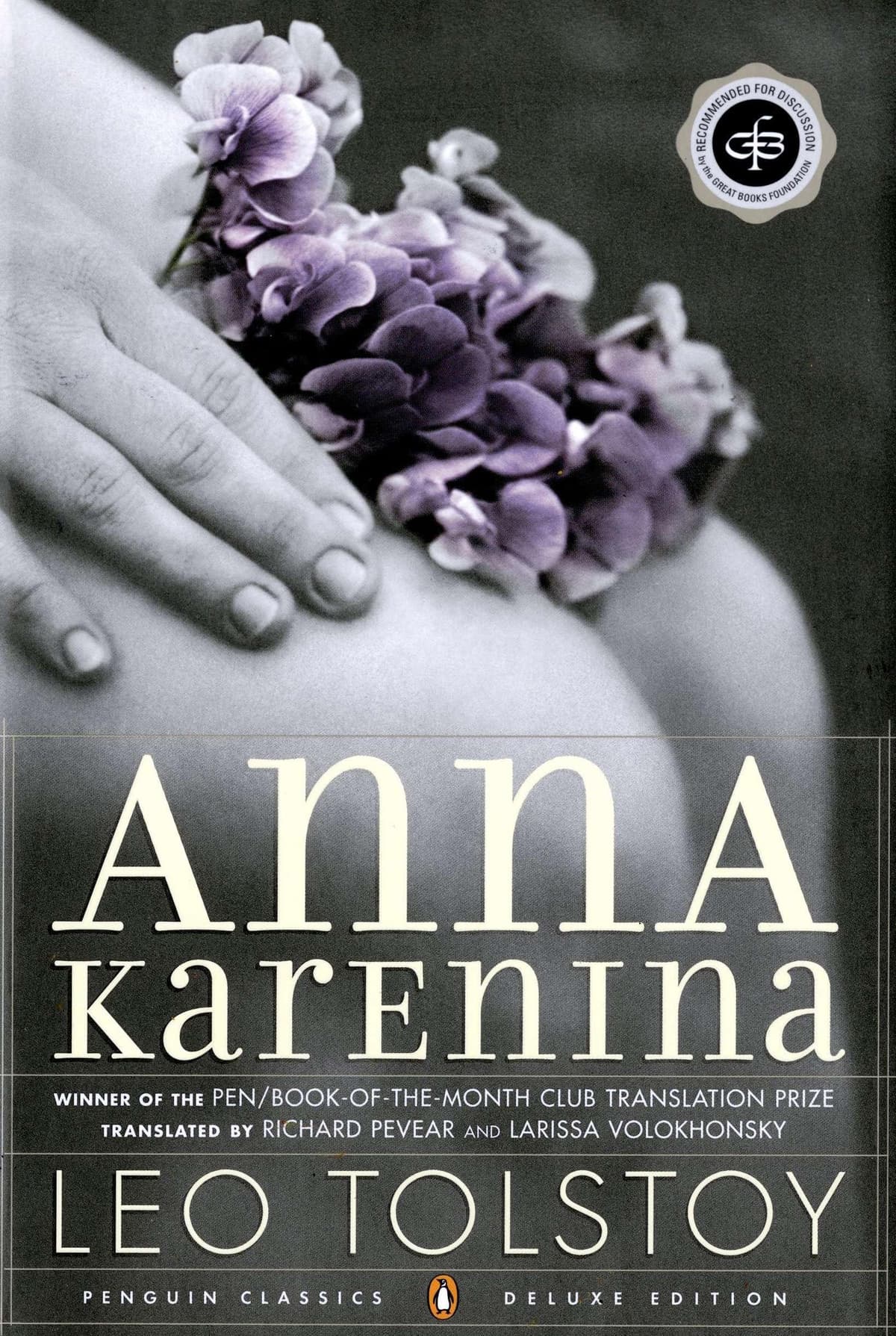 #10View Book
Anna Karenina
Leo Tolstoy
High•30-35 hours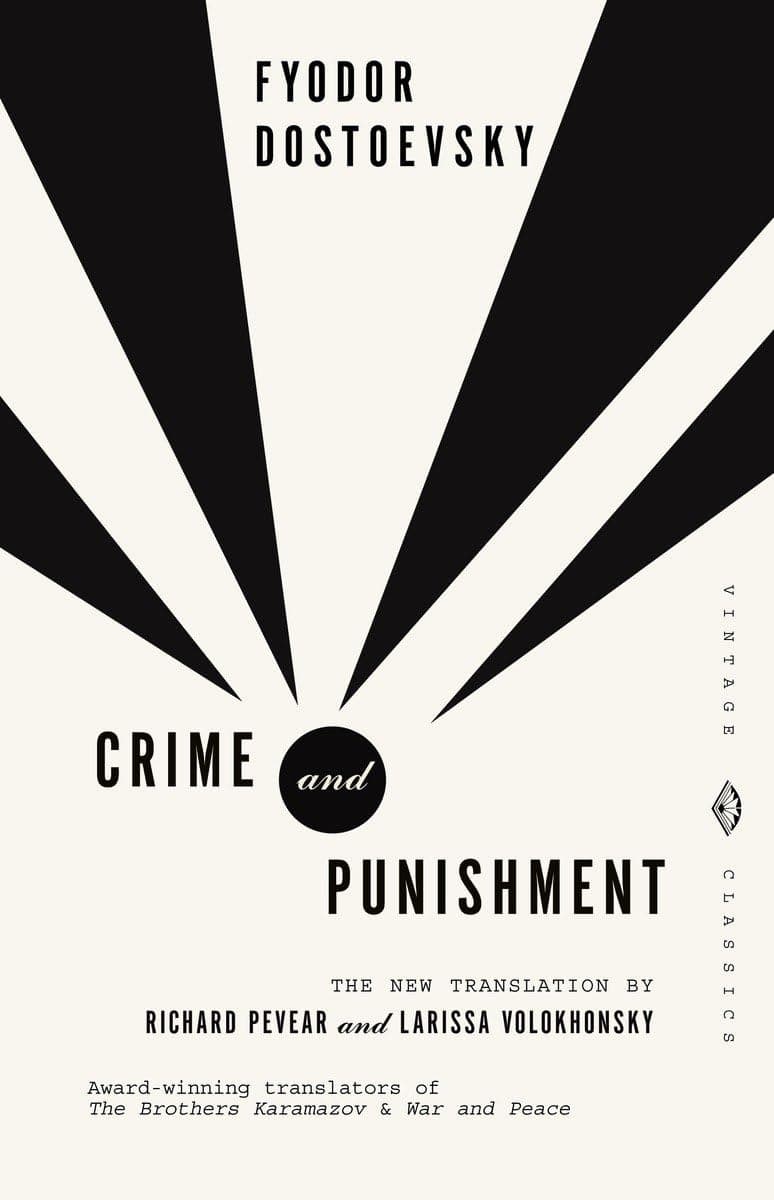 #11View Book
Crime and Punishment
Fyodor Dostoevsky
High•20-25 hours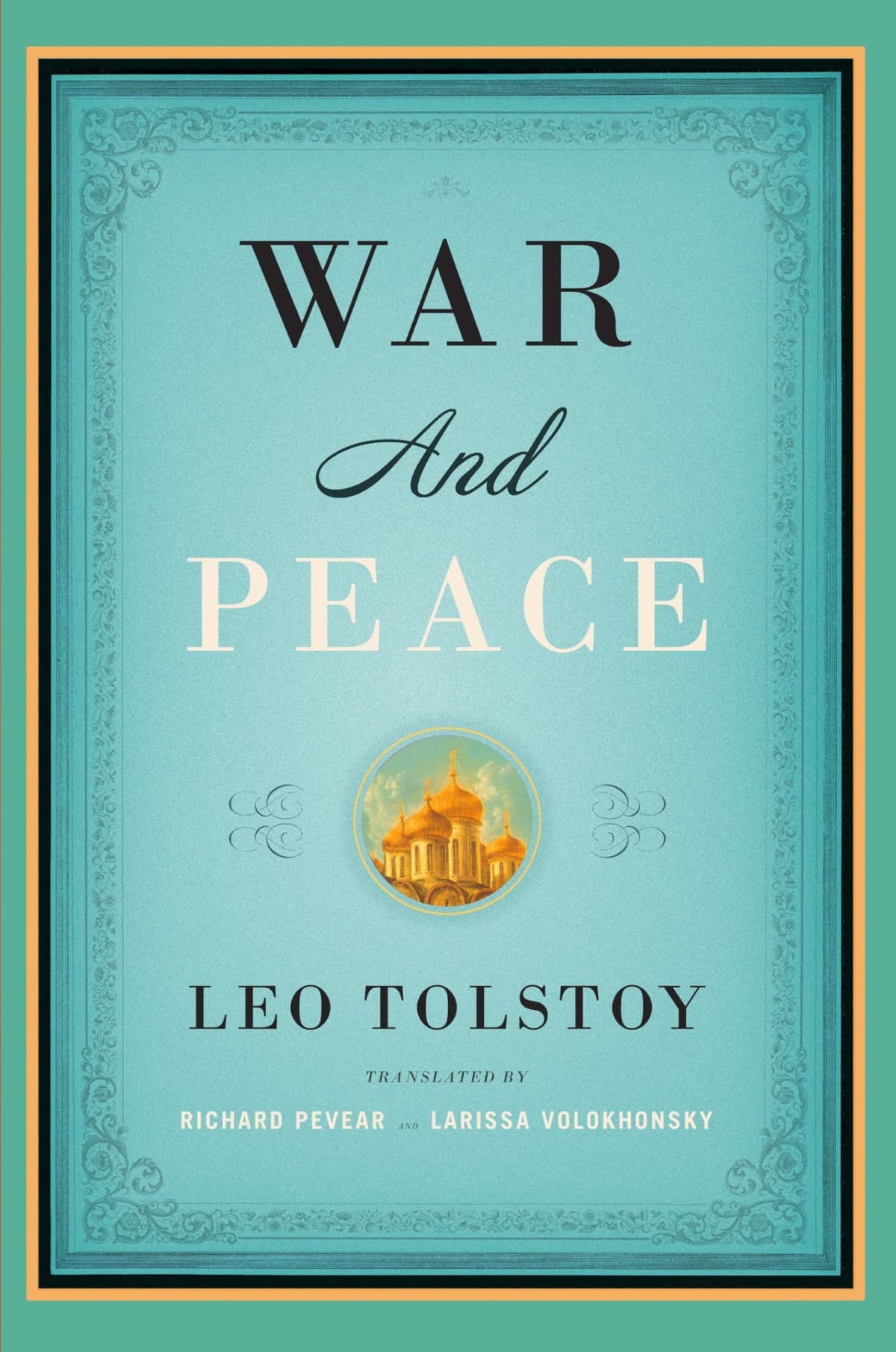 #14View Book
War and Peace
Leo Tolstoy
Very High•40-50 hours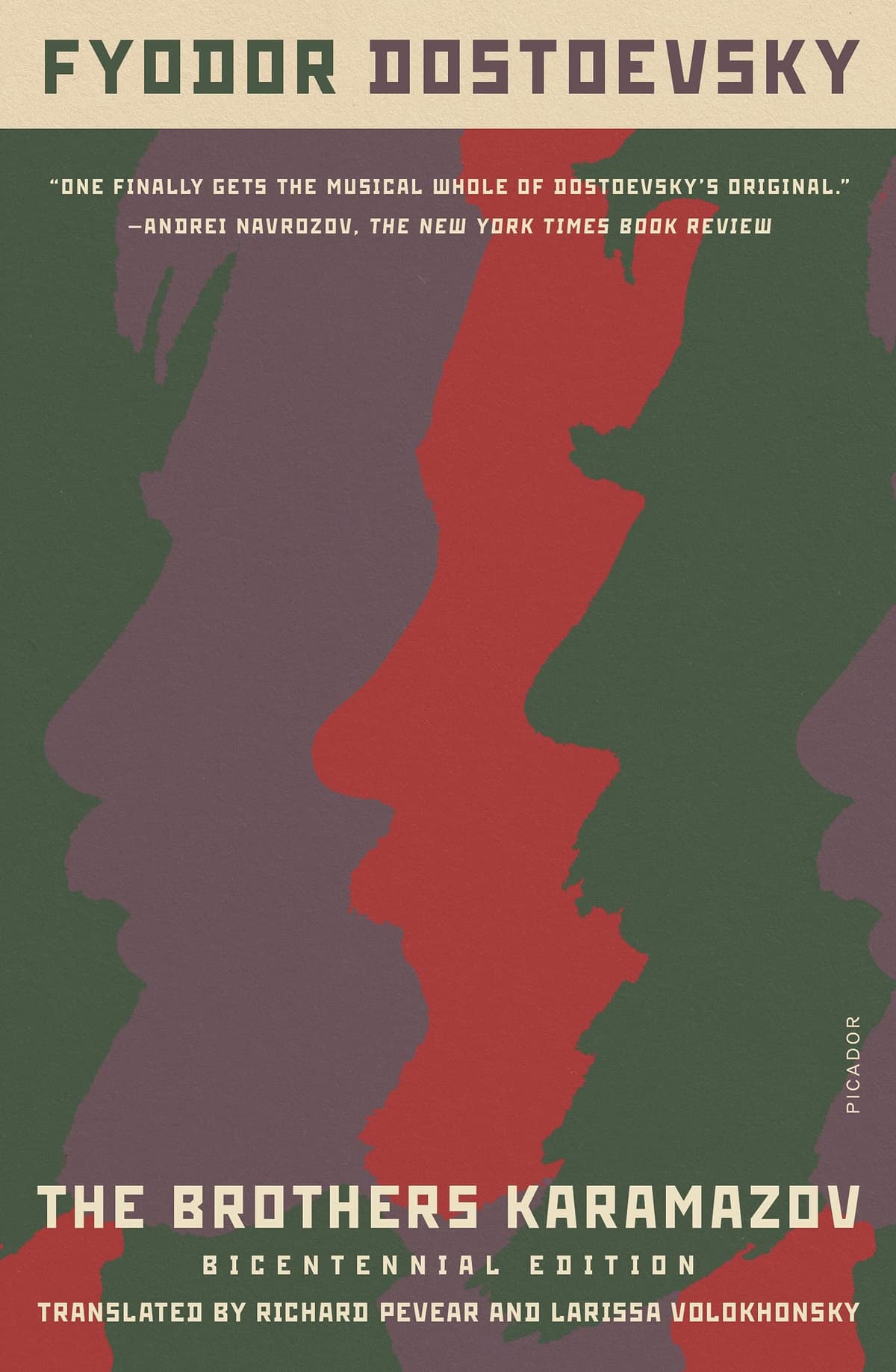 #19View Book
The Brothers Karamazov
Fyodor Dostoevsky
Very High•35-40 hours
Browse more collections