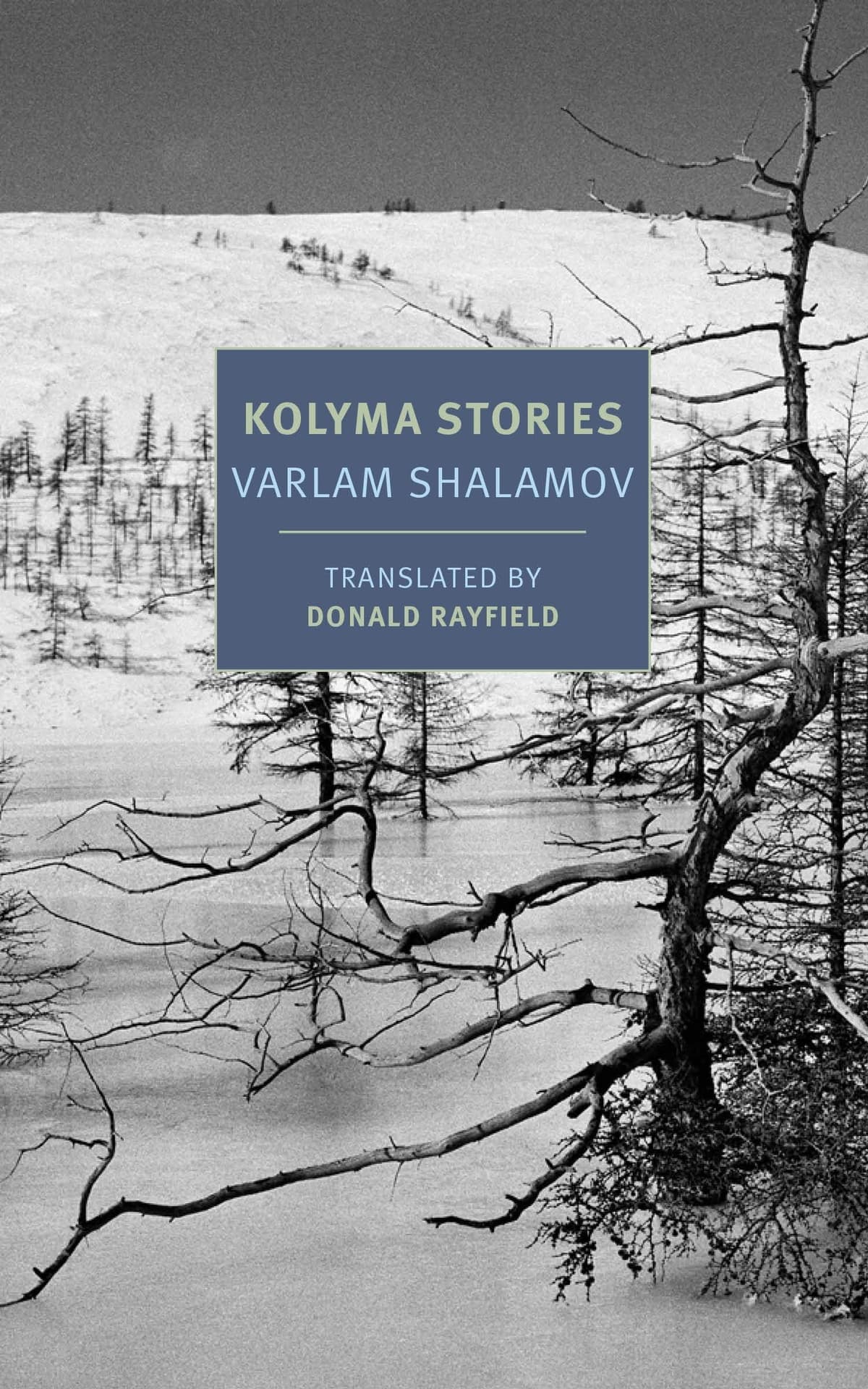
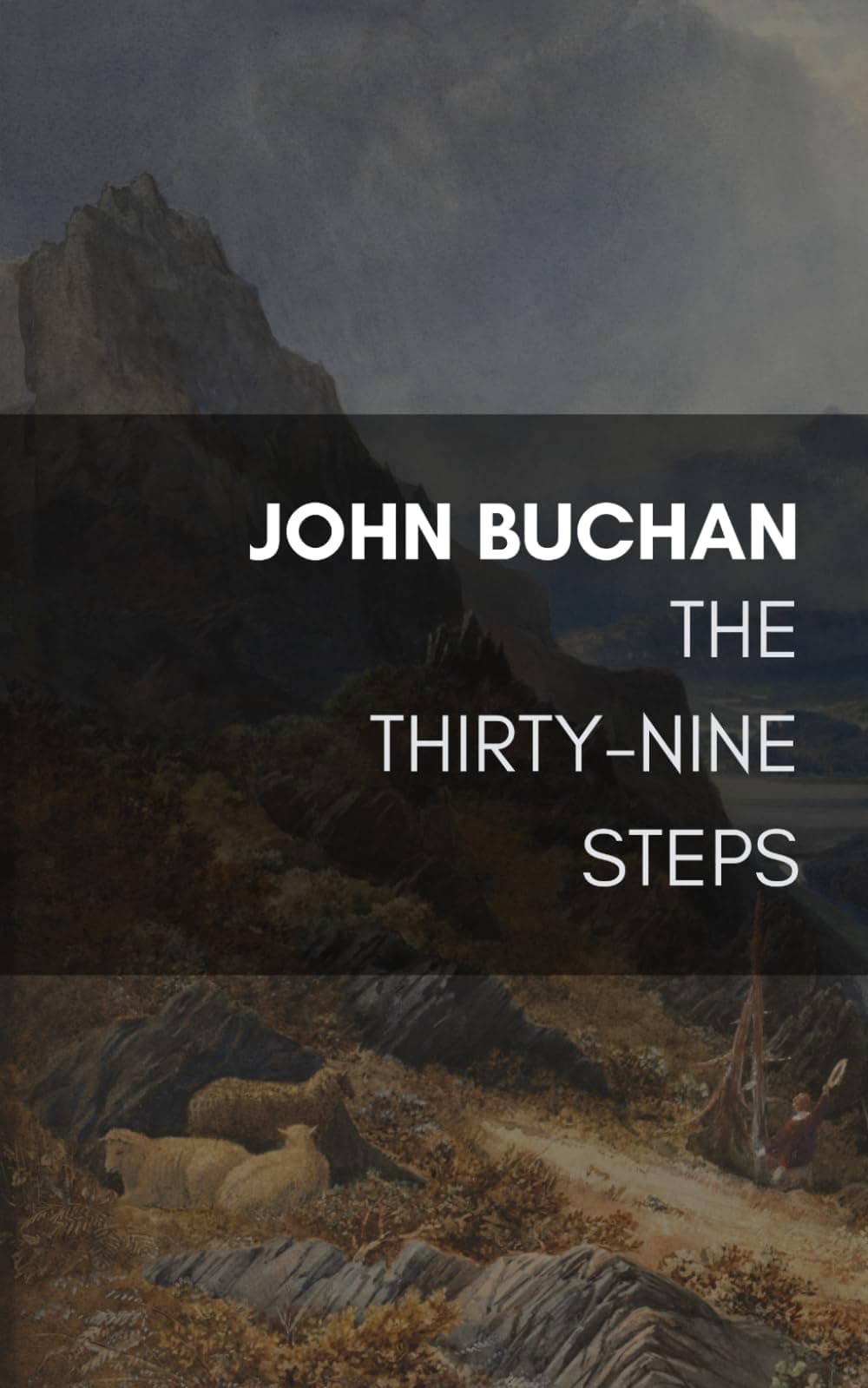
The Thirty-Nine Steps
“If I stood on my defence they would hold me for the murder, and the real murderers would have time to play their deceit. There was nothing for it but flight.”
The Thirty-Nine Steps Summary
Richard Hannay, a restless mining engineer recently returned to London from South Africa, finds himself entangled in an international conspiracy when a mysterious American journalist named Scudder confides in him about a plot to assassinate a European statesman and destabilize the continent. When Scudder is found murdered in Hannay's flat, the hero becomes a fugitive pursued by both the police, who suspect him of the killing, and the shadowy foreign agents who want the secrets Scudder entrusted to him. Hannay's desperate flight across the Scottish moors, relying on disguises, quick thinking, and the hospitality of strangers, builds to a tense confrontation with the conspirators and the decoding of the enigmatic thirty-nine steps.
Published on the eve of World War I's darkest chapter, The Thirty-Nine Steps essentially invented the modern thriller. Buchan's lean, propulsive prose strips away Victorian literary excess in favor of relentless pacing, establishing the "innocent man on the run" template that would later inspire Alfred Hitchcock, Ian Fleming, and countless espionage writers. The novel's genius lies in its compression: the entire chase unfolds in a matter of days, and Buchan renders the Scottish landscape with a vividness that makes geography itself a source of suspense. It remains a masterclass in narrative economy, proving that a gripping adventure needs nothing more than a resourceful protagonist, a ticking clock, and a landscape full of danger.
Why Read The Thirty-Nine Steps?
If you have ever been gripped by a chase scene in a film or a thriller novel, you owe a debt to The Thirty-Nine Steps. This is the book that codified the modern suspense formula: an ordinary man thrust into extraordinary danger, racing against time with nothing but his wits. At barely over a hundred pages, it moves with an urgency that most contemporary thrillers, bloated with subplots, can only envy. You will tear through it in a single sitting and understand why Hitchcock chose it as the blueprint for an entire genre.
Beyond its historical importance, the novel rewards you with genuinely beautiful writing about the Scottish countryside and a portrait of resourcefulness under pressure that never feels dated. Hannay's improvisations, from impersonating a political candidate mid-speech to hiding in plain sight among shepherds, are endlessly inventive and surprisingly witty. Reading it, you experience the pure thrill of storytelling stripped to its essentials, a reminder that the best adventures need no gimmicks, just a compelling voice, real stakes, and the open road ahead.
About John Buchan
John Buchan (1875-1940) was born in Perth, Scotland, the son of a Free Church minister, and educated at the University of Glasgow and Oxford's Brasenose College. He led a remarkably varied life as a barrister, war correspondent during the Boer War, intelligence officer in World War I, member of Parliament, and ultimately Governor General of Canada, where he served as the first Baron Tweedsmuir from 1935 until his death. Throughout it all, he maintained a prolific literary output that included over thirty novels, several biographies, and works of history.
Buchan is best remembered for his Richard Hannay adventure novels, beginning with The Thirty-Nine Steps and continuing through Greenmantle, Mr Standfast, and The Three Hostages, which collectively defined the gentleman-adventurer spy genre. His influence on espionage fiction is immense, providing the template that writers from Eric Ambler to John le Carre would build upon and subvert. His blend of landscape writing, moral seriousness, and propulsive plotting earned him admirers across the literary spectrum, and his legacy endures both as a pioneer of the thriller and as a statesman who bridged the worlds of letters and public service.
Reading Guide
Ranked #357 among the greatest books of all time, The Thirty-Nine Steps by John Buchan has earned its place in the literary canon. Originally written in English and published in 1915, this accessible read from United Kingdom continues to resonate with readers today.
This book belongs to our Modern Mind collection, where you can discover more books that share its spirit and themes.
If you enjoy accessible reads like this one, you might also like The Great Gatsby, The Catcher in the Rye, or Pride and Prejudice.
From the Modern Mind Collection
If you enjoyed The Thirty-Nine Steps, discover more masterpieces that share its spirit.
 #1View Book
Ulysses
James Joyce
Challenging•35-40 hours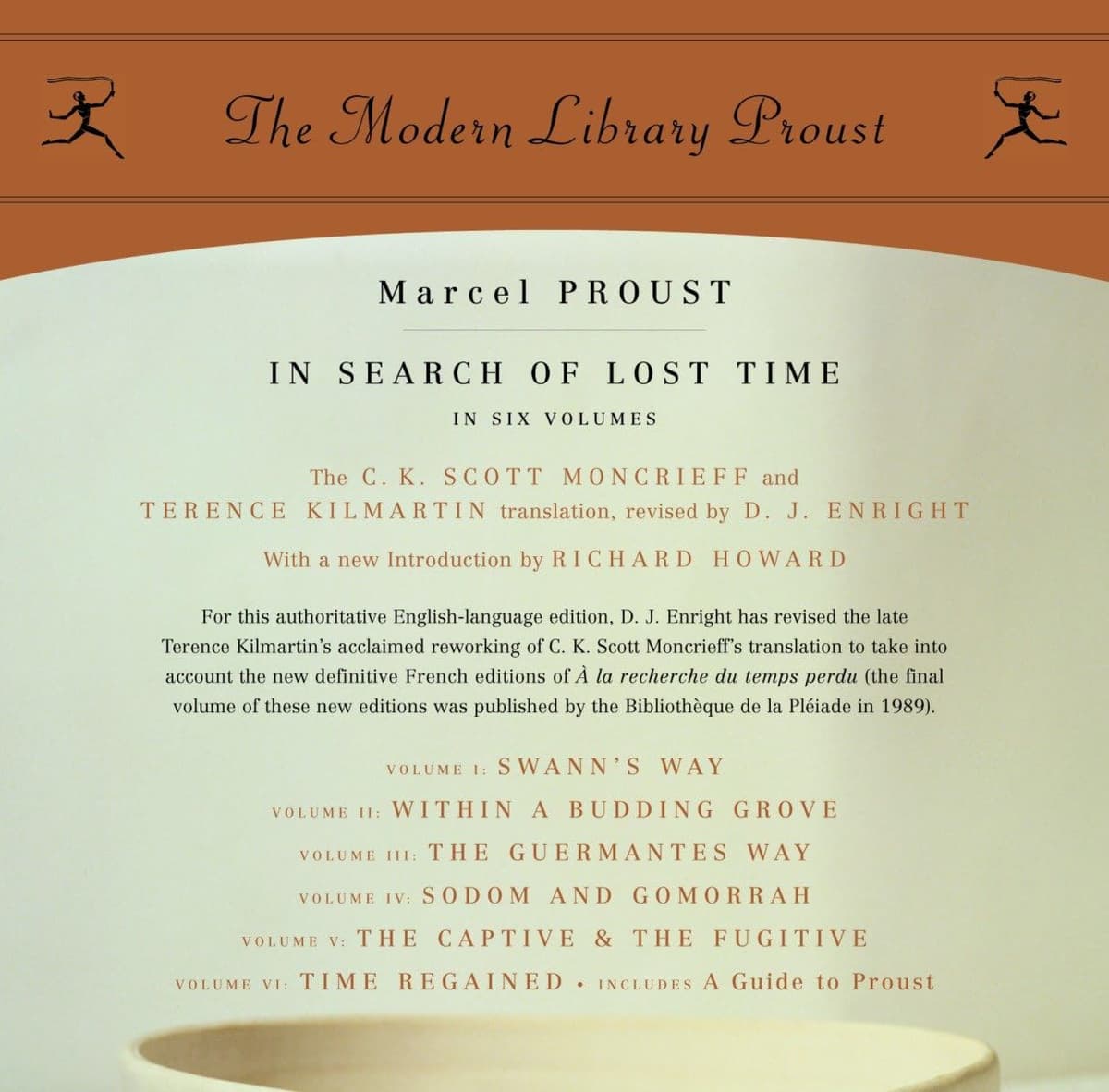 #2View Book
In Search of Lost Time
Marcel Proust
High•100+ hours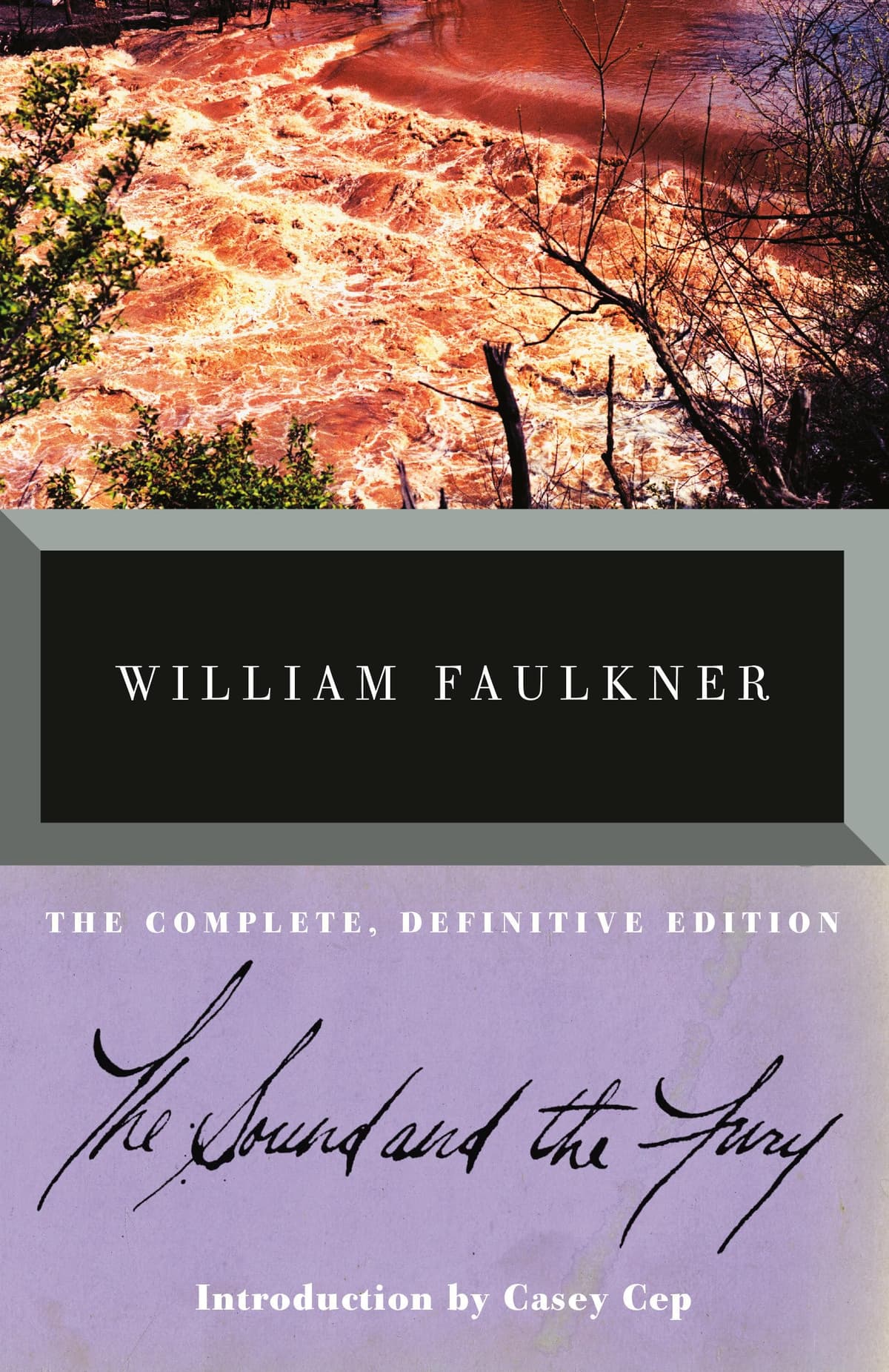 #8View Book
The Sound and the Fury
William Faulkner
Very High•12-15 hours #13View Book
Lolita
Vladimir Nabokov
Challenging•12-15 hours
Browse more collections