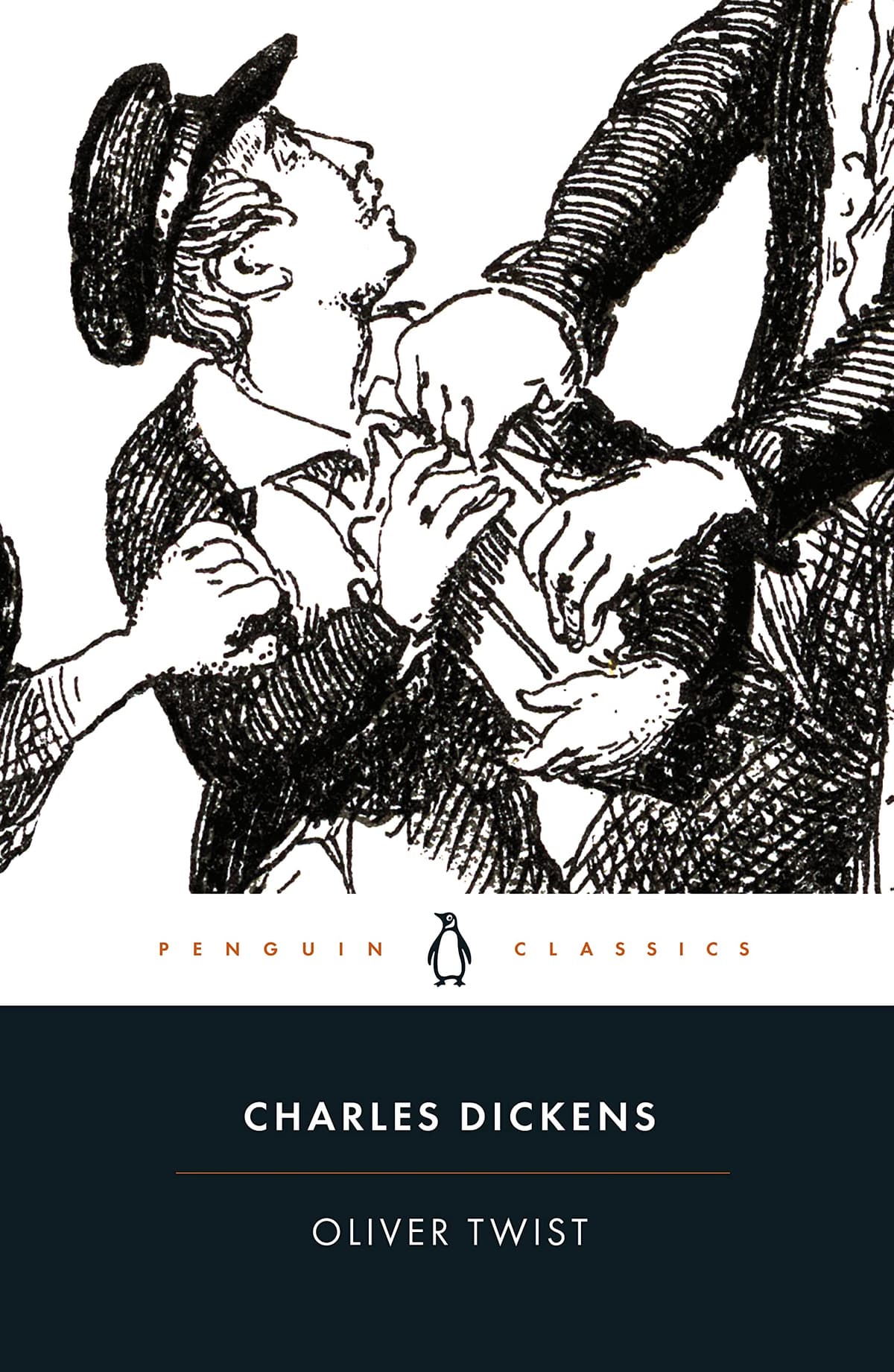
Melmoth the Wanderer
“There is no hope, no redemption, no refuge for him who has once bartered his soul for the promise of a few more years of weary life.”
Melmoth the Wanderer Summary
Young John Melmoth arrives at the deathbed of his miserly uncle, who bequeaths him a crumbling estate and a terrifying secret: an ancestor named Melmoth has wandered the earth for over a century, having struck a Faustian bargain for extended life. Through a labyrinthine series of nested narratives—tales within tales within tales—the novel follows Melmoth as he appears across centuries and continents, from the dungeons of the Spanish Inquisition to a tropical island paradise, seeking any soul desperate enough to trade places with him and accept his damned compact. Each embedded story reveals a different form of human suffering—religious persecution, madness, starvation, betrayal—as Melmoth preys upon those at their most vulnerable, yet ultimately fails to find a single person willing to accept his offer.
Widely regarded as the supreme achievement of Gothic fiction, Maturin's novel pushes the genre to its most ambitious and delirious extremes. The book's extraordinary nested structure—stories told by characters within stories told by other characters, sometimes five layers deep—creates a disorienting, almost hallucinatory reading experience that anticipates modernist experimentation. Maturin's prose oscillates between feverish intensity and philosophical meditation, drawing on the anti-Catholic tradition of the Gothic while also offering a genuinely anguished exploration of suffering, free will, and the limits of human endurance. Balzac and Baudelaire revered the novel, Oscar Wilde adopted the name "Melmoth" during his exile, and its influence echoes through Dostoevsky, Poe, and Lovecraft.
Why Read Melmoth the Wanderer?
If you have ever been drawn to the dark corridors of Gothic literature, Melmoth the Wanderer is the genre's towering cathedral—vast, shadowy, and overwhelming in its ambition. You will encounter some of the most harrowing scenes in nineteenth-century fiction, from the claustrophobic horrors of monastic imprisonment to the psychological torment of a man watching his family starve, all rendered in prose that burns with a strange, manic energy unlike anything else of its era. This is not a book that merely wants to frighten you; it wants to drag you into the deepest questions about what suffering can drive a person to accept.
You should read this novel because it represents one of literature's great hidden treasures—a book admired by Balzac, Rossetti, Lovecraft, and Wilde, yet still far less known than it deserves. Its elaborate structure of stories nested within stories will challenge and reward you, pulling you across continents and centuries in ways that feel remarkably modern. If you are the kind of reader who relishes ambitious, uncompromising fiction that refuses to look away from the extremes of human experience, Melmoth the Wanderer will leave an indelible mark on your imagination.
About Charles Robert Maturin
Charles Robert Maturin (1780–1824) was an Irish clergyman and writer born in Dublin to a Huguenot family. He served as curate of St. Peter's Church in Dublin for most of his adult life, supplementing his modest clerical income with his literary work. His early novels, including The Fatal Revenge and The Milesian Chief, attracted the attention of Sir Walter Scott and Lord Byron, and his tragedy Bertram enjoyed a successful run at Drury Lane in 1816 with the support of Byron and Edmund Kean. Despite these connections, Maturin lived in chronic financial difficulty and was considered an eccentric figure in Dublin society.
Melmoth the Wanderer, published in 1820, is Maturin's undisputed masterpiece and the work for which he is remembered. Though it received mixed reviews in England, it was celebrated on the Continent, where Balzac wrote an unauthorized sequel and Baudelaire praised its visionary power. Maturin died just four years after its publication, at the age of forty-four, reportedly from accidentally taking the wrong medication. His influence on the Gothic tradition proved enduring, and his novel's exploration of guilt, damnation, and the limits of sympathy continues to fascinate scholars and readers who discover it.
Reading Guide
Ranked #361 among the greatest books of all time, Melmoth the Wanderer by Charles Robert Maturin has earned its place in the literary canon. Originally written in English and published in 1820, this challenging read from United Kingdom continues to resonate with readers today.
This book belongs to our Gothic & Dark and Philosophy & Faith collections, where you can discover more books that share its spirit and themes.
If you enjoy challenging reads like this one, you might also like Ulysses, Moby-Dick, or Lolita.
From the Gothic & Dark Collection
If you enjoyed Melmoth the Wanderer, discover more masterpieces that share its spirit.
 #15View Book
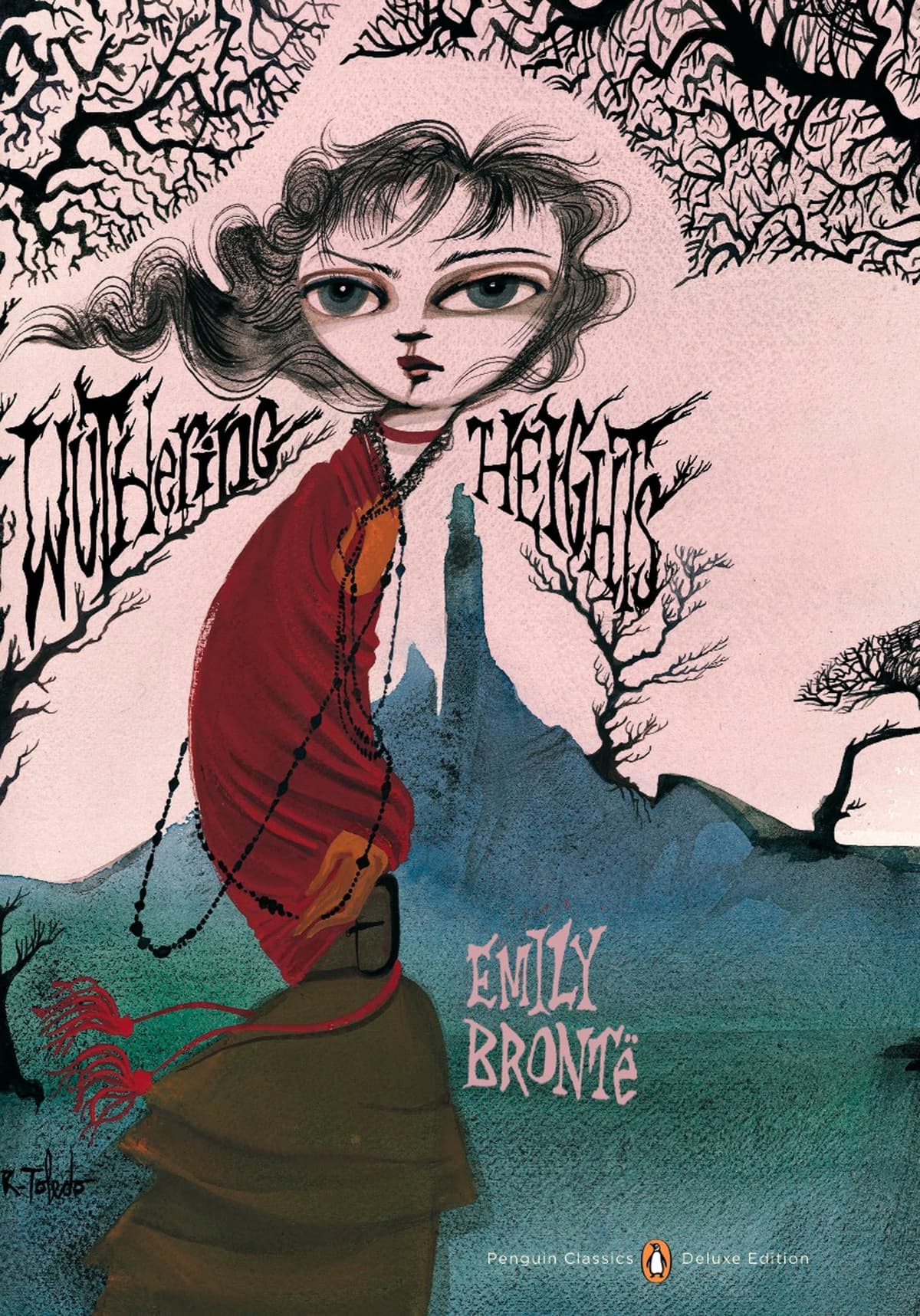
Wuthering Heights
Emily Brontë
Moderate•10-12 hours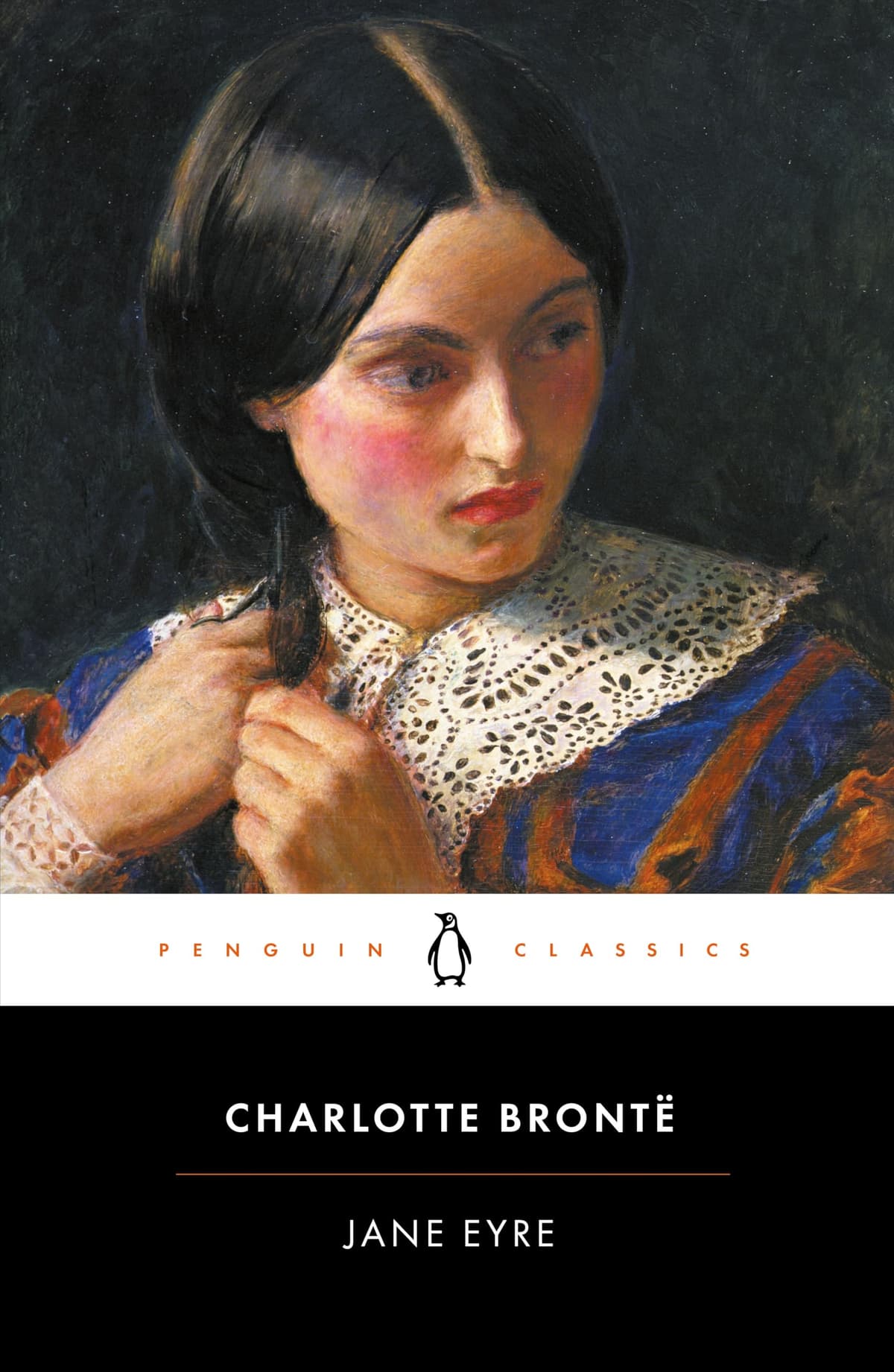 #29View Book
Jane Eyre
Charlotte Brontë
Accessible•15-20 hours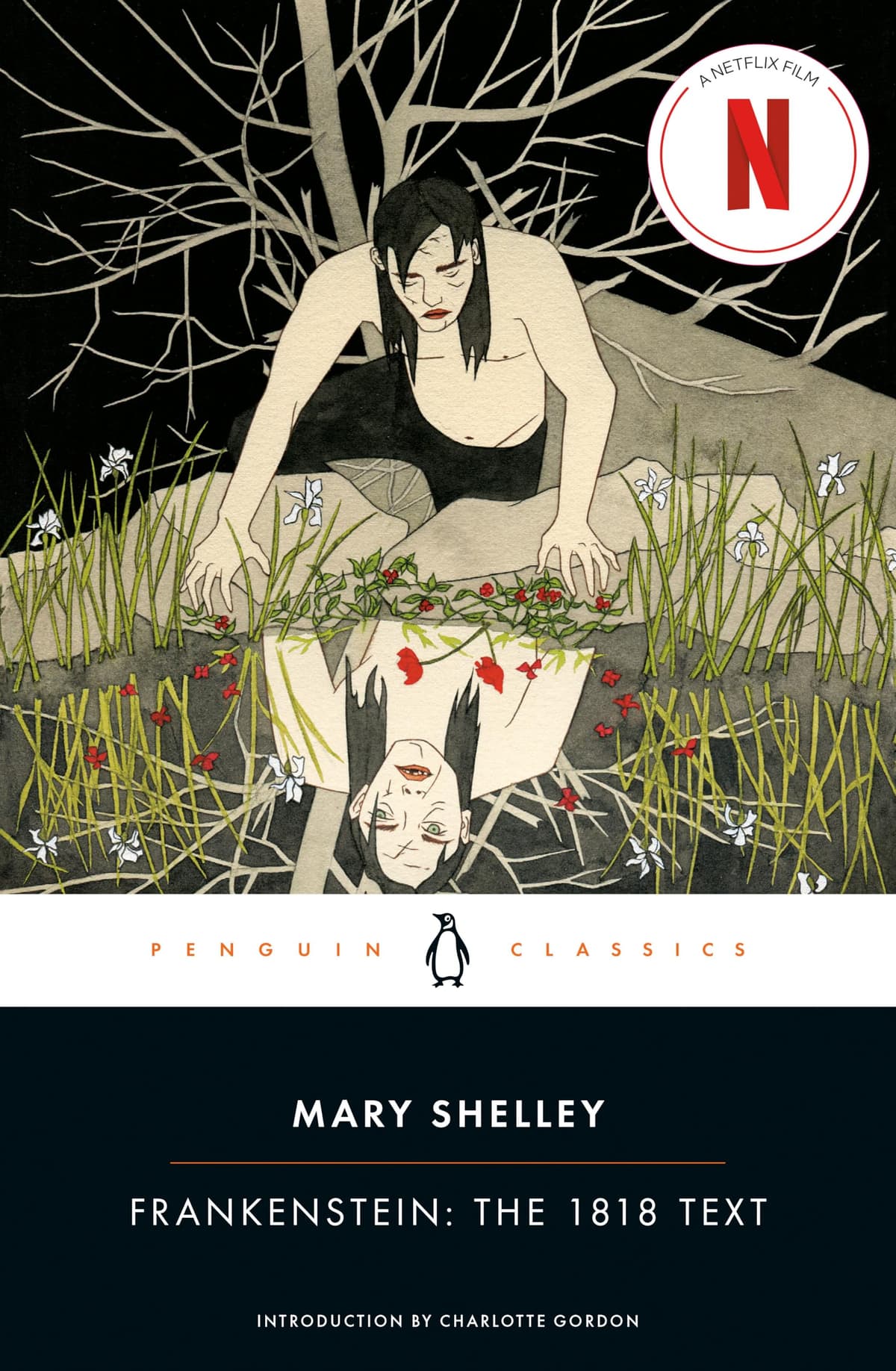 #41View Book
Frankenstein
Mary Shelley
Accessible•6-8 hours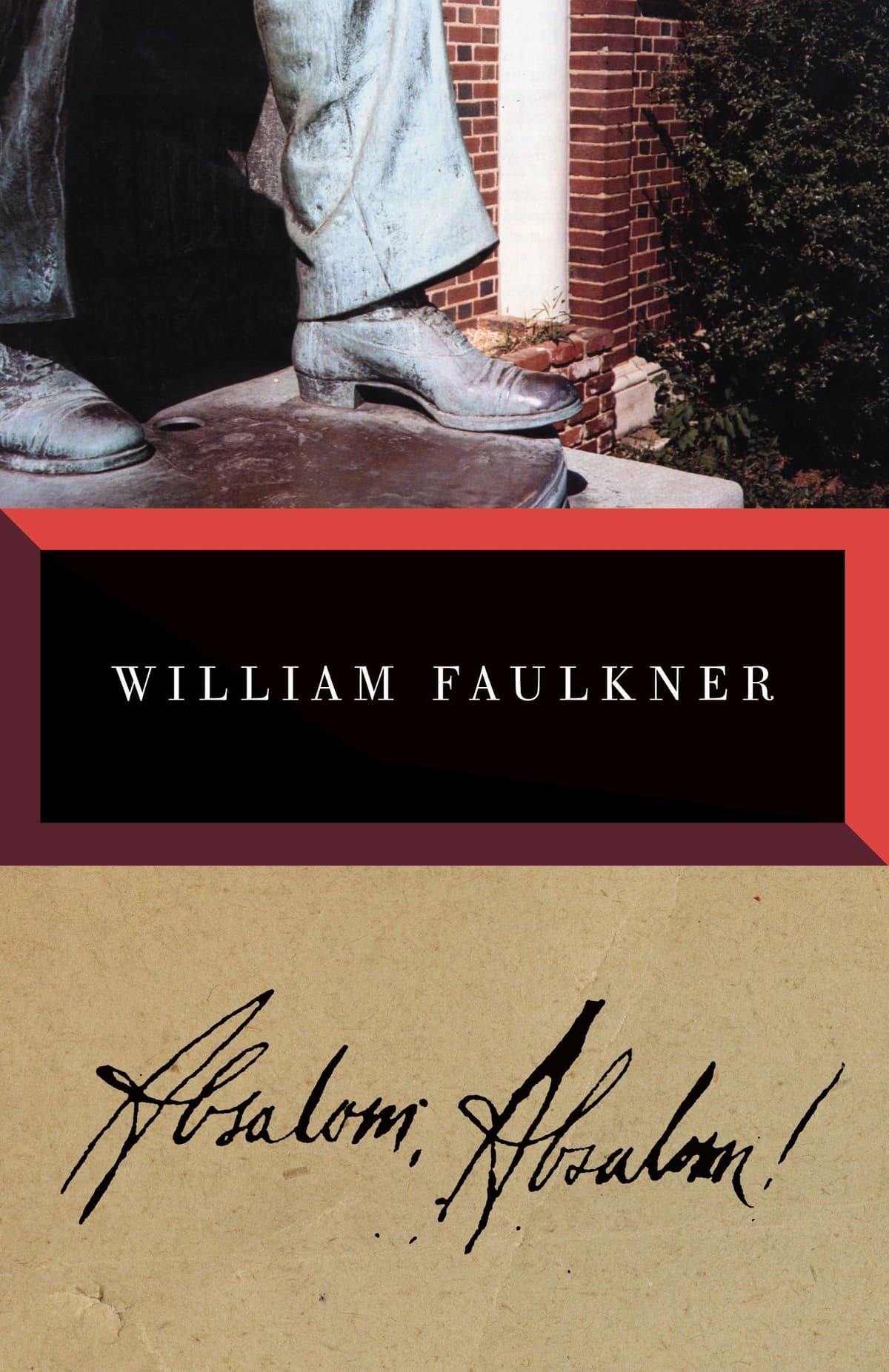 #44View Book
Absalom, Absalom!
William Faulkner
Very High•12-15 hours
Browse more collections