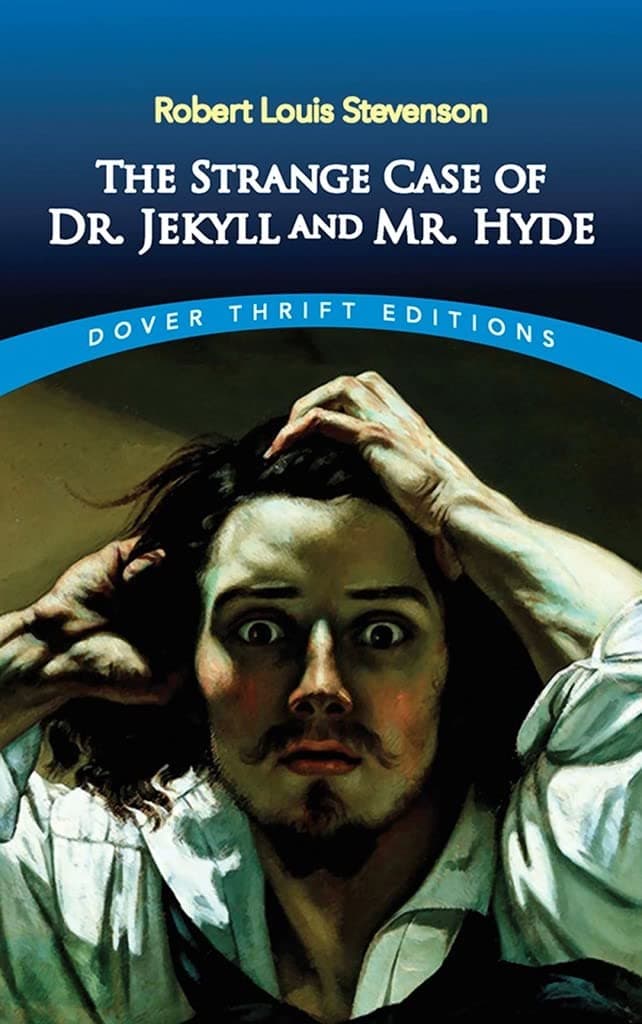
The Strange Case of Dr. Jekyll and Mr. Hyde
“I learned to recognise the thorough and primitive duality of man; I saw that, of the two natures that contended in the field of my consciousness, even if I could rightly be said to be either, it was only because I was radically both.”
The Strange Case of Dr. Jekyll and Mr. Hyde Summary
In the fog-bound streets of Victorian London, the respected Dr. Henry Jekyll has made a terrifying discovery: a chemical compound that can separate the noble and base elements of human nature. When he drinks it, he transforms into Edward Hyde—a small, repulsive creature of pure malice who prowls the city's back alleys committing acts of increasing violence. The story unfolds not through Jekyll's eyes but through those of his friend, the stolid lawyer Mr. Utterson, who investigates the mysterious connection between the upstanding doctor and the savage stranger. Stevenson constructs his tale as a detective story, peeling back layers of secrecy until the full horror is revealed in Jekyll's final confession.
What makes this slim novella so enduring is its refusal to treat evil as something alien. Hyde is not a demon who possesses Jekyll—he is Jekyll, the dark impulses that Victorian respectability demanded be hidden behind a mask of propriety. Stevenson wrote the first draft in a fever dream, burned it, and rewrote it in three days, and that feverish energy saturates every page. The fog, the locked doors, the strange will, the trampled child—each detail contributes to an atmosphere of creeping dread. The story has become so embedded in our culture that "Jekyll and Hyde" is now shorthand for duality itself, but reading the original reveals a psychological sophistication that no adaptation has fully captured.
Why Read The Strange Case of Dr. Jekyll and Mr. Hyde?
You already know the twist—everyone does—but that familiarity makes reading the original all the more rewarding. Stevenson's novella is a masterclass in Gothic suspense, built not on gore but on the slow, suffocating accumulation of unease. The locked cabinet, the handwriting that doesn't match, the witnesses who can barely describe what they saw—every detail is calibrated to make you feel the walls closing in. It can be devoured in a single sitting, and it will haunt you long after.
Beyond the horror, this is a profound meditation on the cost of repression. In a society that demanded absolute propriety, Jekyll's sin is not that he has dark impulses but that he tries to quarantine them rather than integrate them. Hyde grows stronger with every indulgence precisely because he has been denied. The story anticipated Freud by a decade and remains one of the most psychologically acute explorations of the divided self ever written.
About Robert Louis Stevenson
Robert Louis Stevenson (1850–1894) was a Scottish novelist, essayist, and travel writer whose adventure tales and Gothic fiction made him one of the most popular authors of the Victorian era. Born in Edinburgh to a family of lighthouse engineers, he rejected the family profession to pursue literature, studying law at the University of Edinburgh but never practicing. He suffered from chronic lung disease throughout his life, which drove him to seek warmer climates and lent an urgency to his prodigious output.
Stevenson's best-known works—Treasure Island, Kidnapped, and The Strange Case of Dr. Jekyll and Mr. Hyde—combine page-turning narrative momentum with surprising psychological depth. He spent his final years in Samoa, where he was beloved by the local community and given the name Tusitala, "Teller of Tales." He died of a cerebral hemorrhage at forty-four, leaving behind a body of work that has never gone out of print and continues to shape the genres of horror, adventure, and the literary thriller.
Reading Guide
Ranked #217 among the greatest books of all time, The Strange Case of Dr. Jekyll and Mr. Hyde by Robert Louis Stevenson has earned its place in the literary canon. Originally written in English and published in 1886, this accessible read from United Kingdom continues to resonate with readers today.
This book belongs to our Gothic & Dark and Society & Satire collections, where you can discover more books that share its spirit and themes.
If you enjoy accessible reads like this one, you might also like The Great Gatsby, The Catcher in the Rye, or Pride and Prejudice.
From the Gothic & Dark Collection
If you enjoyed The Strange Case of Dr. Jekyll and Mr. Hyde, discover more masterpieces that share its spirit.
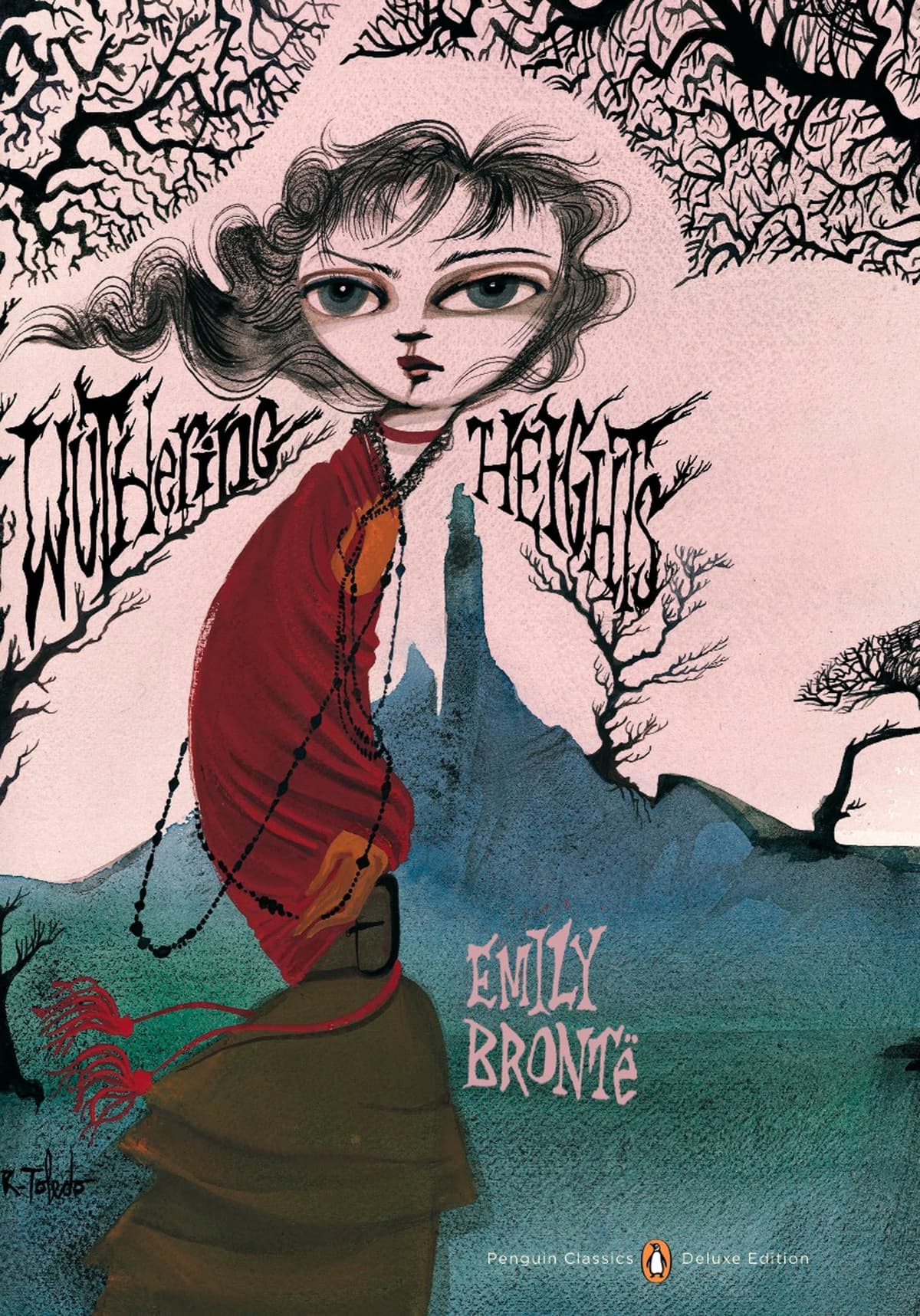 #15View Book
Wuthering Heights
Emily Brontë
Moderate•10-12 hours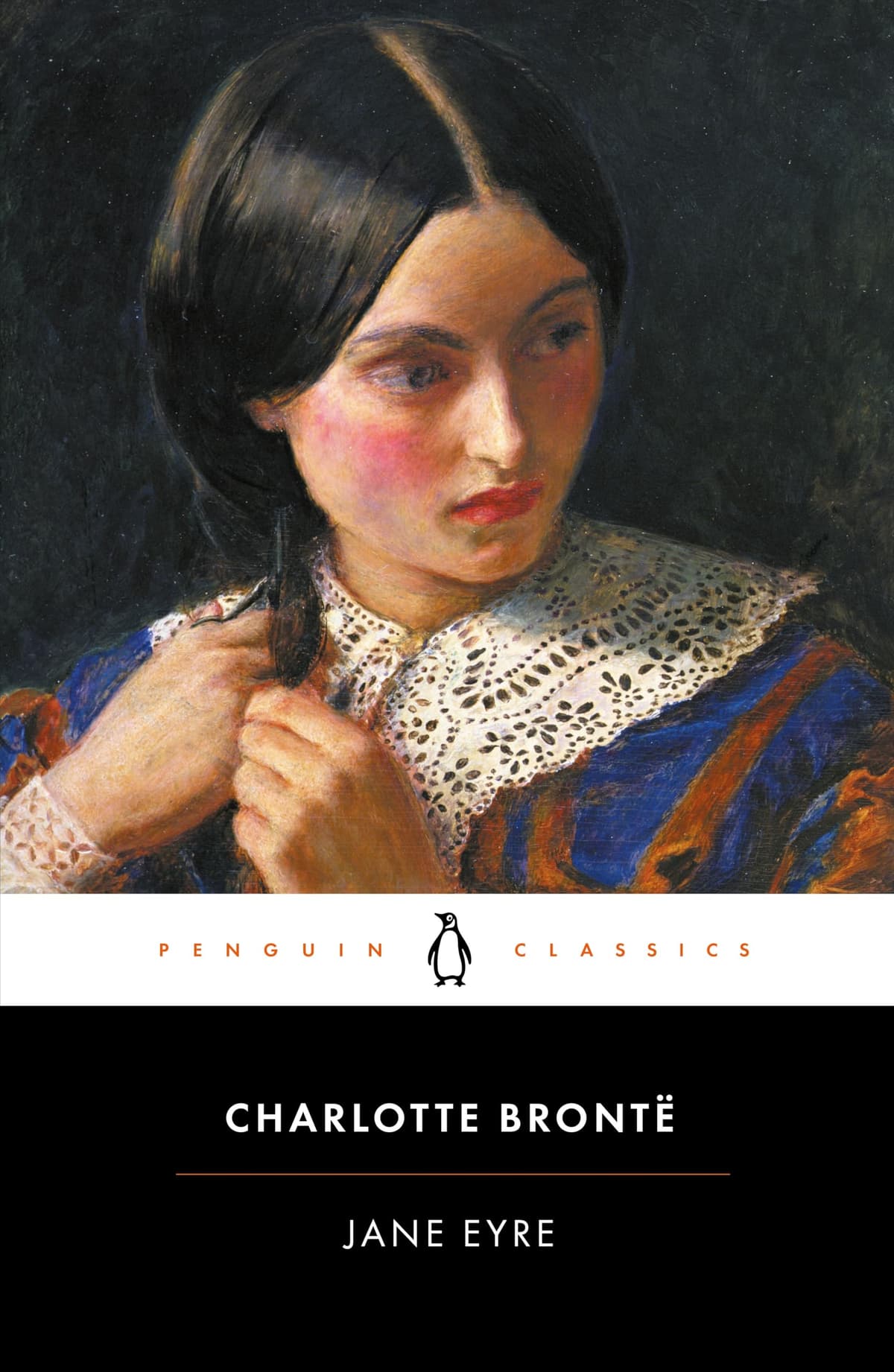 #29View Book
Jane Eyre
Charlotte Brontë
Accessible•15-20 hours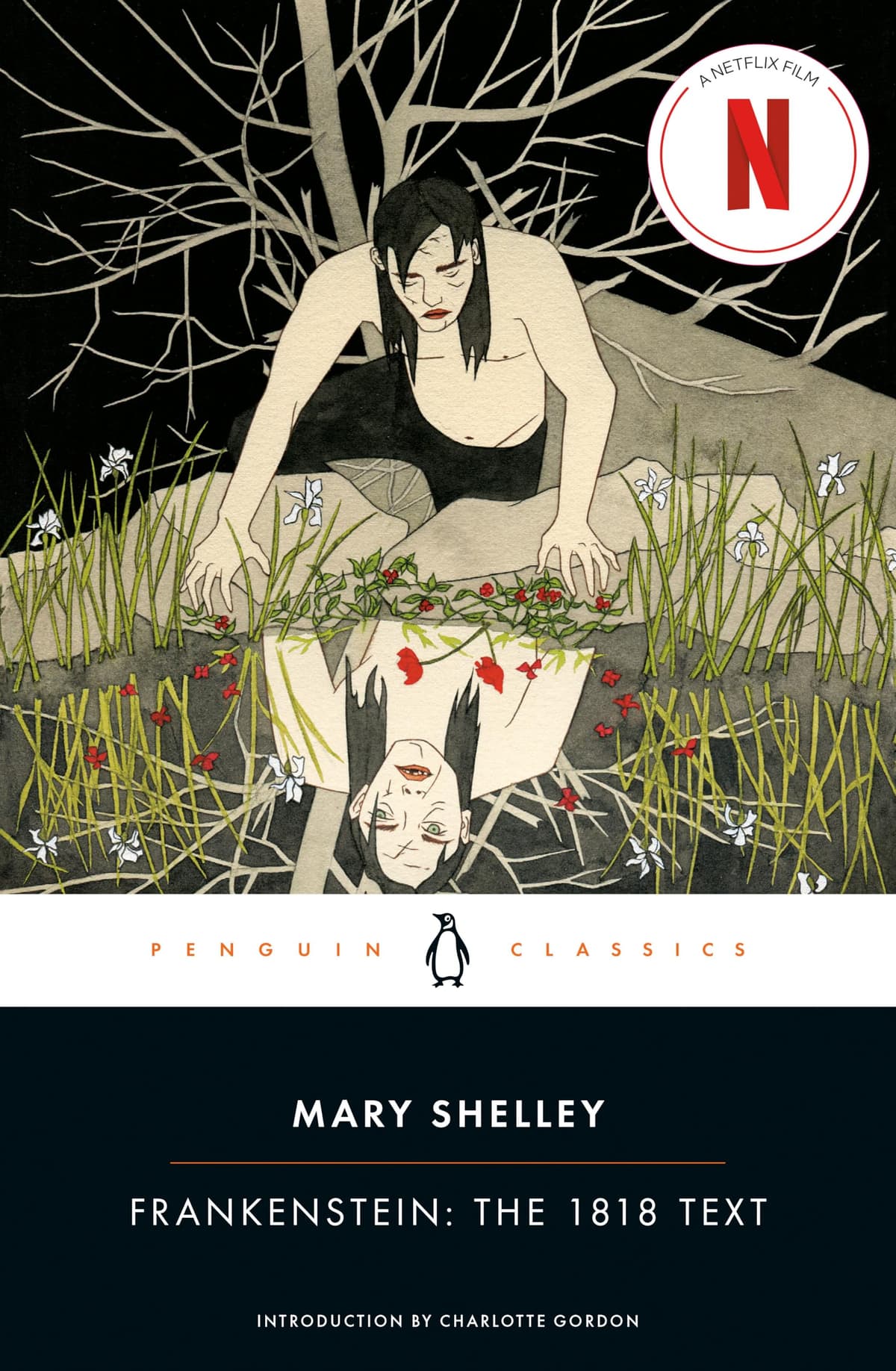 #41View Book
Frankenstein
Mary Shelley
Accessible•6-8 hours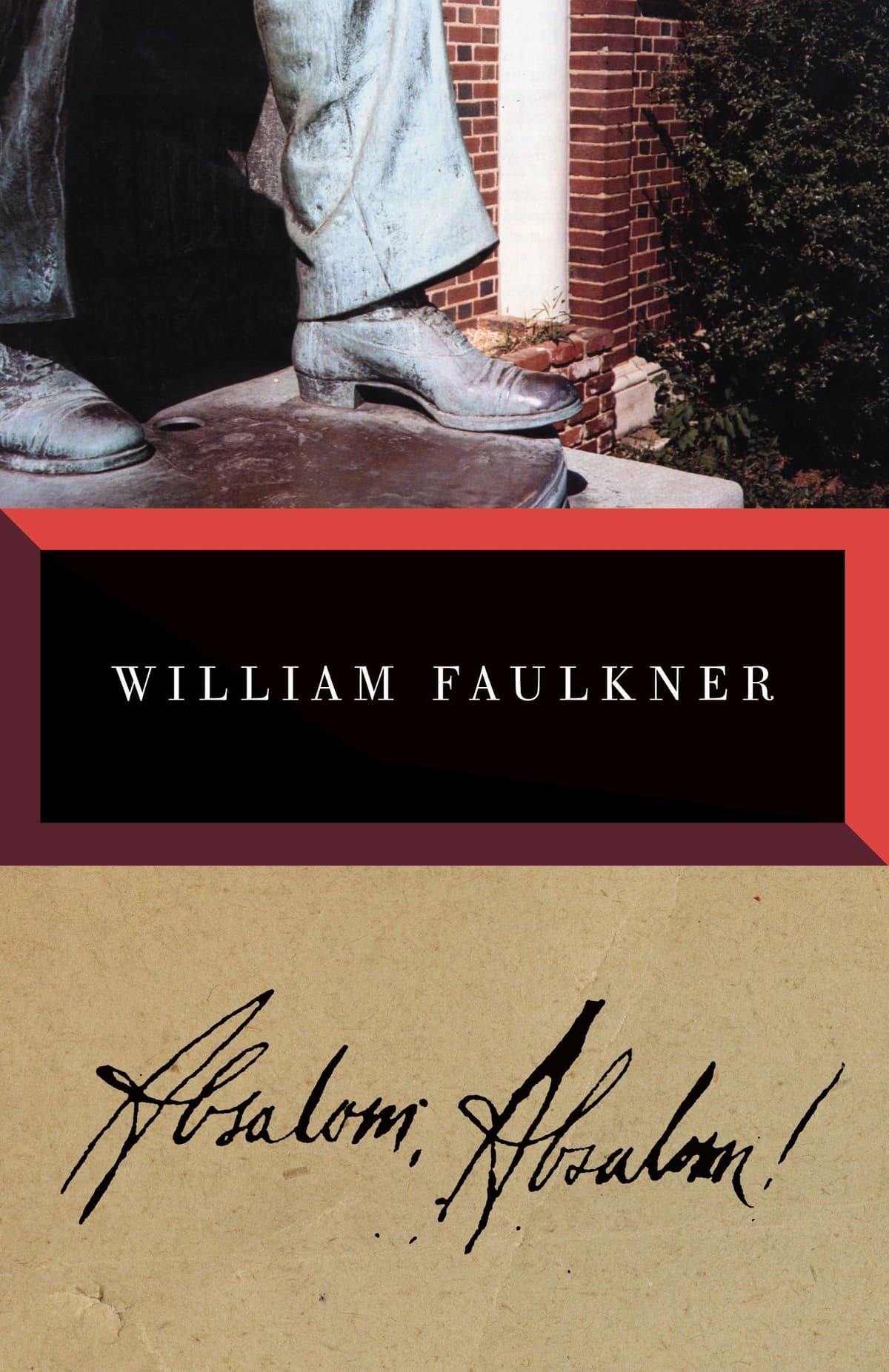 #44View Book
Absalom, Absalom!
William Faulkner
Very High•12-15 hours
Browse more collections