The Call of the Wild
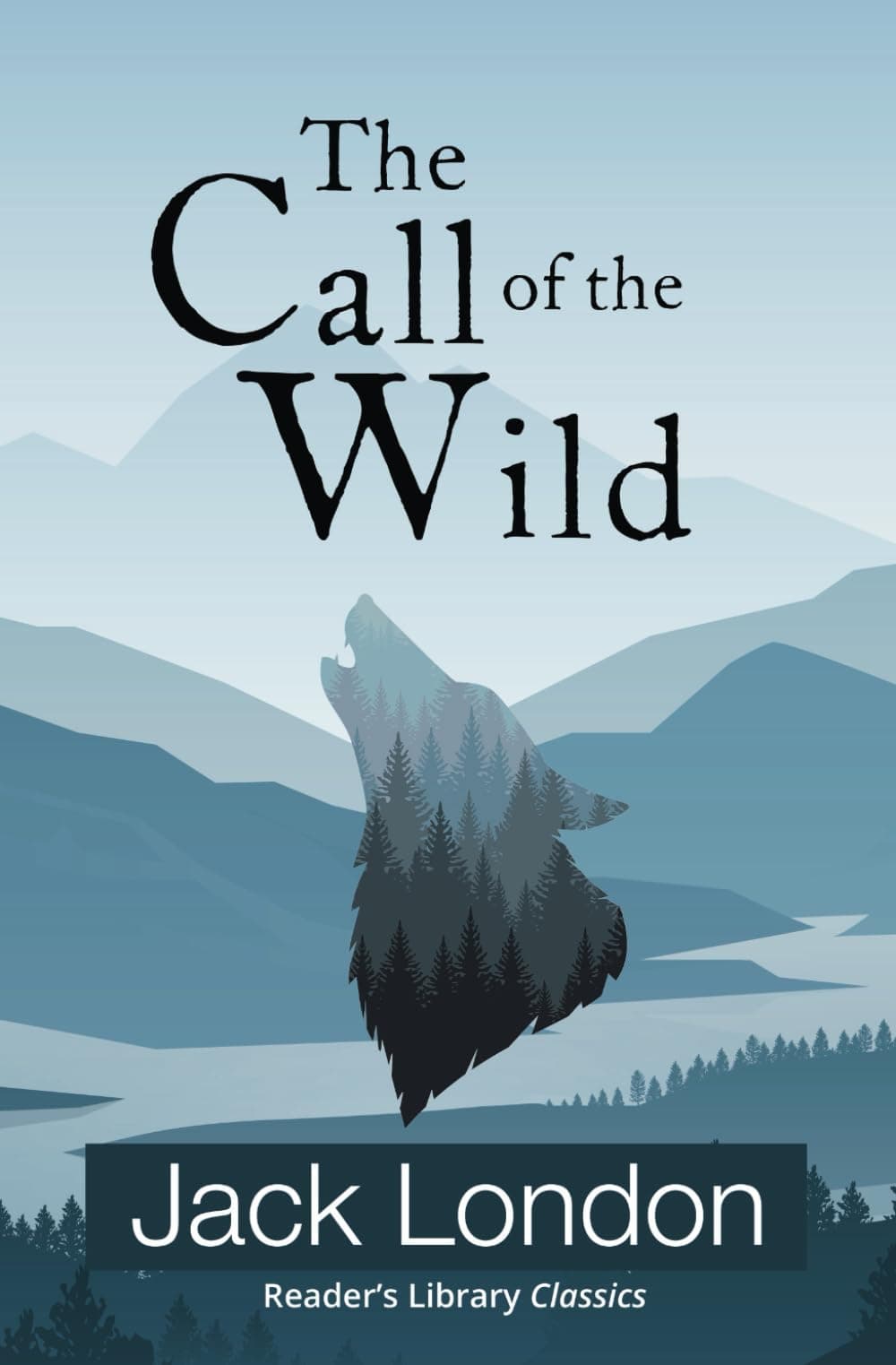
“He was sounding the deeps of his nature, and of the parts of his nature that were deeper than he, going back into the womb of Time.”
The Call of the Wild Summary
Buck is a powerful, pampered dog living on a California estate when he is stolen and sold into the brutal world of the Klondike Gold Rush. Thrust into the harness of a dogsled team, he must learn the law of club and fang—the savage code of survival in the frozen North. Through a series of owners—some cruel, some incompetent, one deeply kind—Buck is stripped of his domesticated self and drawn toward something ancient and wild stirring in his blood. Jack London tracks this transformation with unflinching honesty, showing each stage of Buck's education in violence, loyalty, and primal instinct.
The Call of the Wild is deceptively short and deceptively simple. Beneath the adventure tale lies a philosophical argument about civilization and its discontents, about the thin veneer separating the tame from the savage. London was a committed socialist and Darwinist, and the novel pulses with his belief that the deepest truths are written not in books but in the body's ancient memory. The Yukon landscape—vast, indifferent, magnificent—becomes a character in its own right, its beauty inseparable from its cruelty. Buck's journey from domestic comfort to wild sovereignty is one of the most primal and stirring arcs in American literature, a story that speaks to something untamed in every reader.
Why Read The Call of the Wild?
This is a novel that grabs you by the scruff and drags you into the snow. London's prose is muscular and visceral—you feel the bite of the harness, the crack of the whip, the exhilaration of running through trackless wilderness. At barely a hundred pages, it delivers the emotional impact of a book three times its length. You will read it in an afternoon and carry it for a lifetime.
But The Call of the Wild is more than an adventure story. It is a meditation on what we lose when we trade wildness for comfort, instinct for obedience, freedom for security. Buck's transformation speaks to a longing that civilization can muffle but never extinguish—the call of something older and more honest than the world we have built. London wrote it in thirty days in 1903, and over a century later, it still makes your pulse quicken and your feet itch for open ground.
About Jack London
Jack London (1876–1916) was an American novelist, journalist, and social activist who lived more lives in forty years than most manage in eighty. Born into poverty in San Francisco, he was largely self-educated, devouring books at the Oakland Public Library while working brutal manual labor jobs. He sailed as an oyster pirate, rode freight trains as a hobo, prospected for gold in the Klondike, and covered the Russo-Japanese War as a correspondent before becoming the highest-paid and most widely read author in America.
London wrote over fifty books in his short career, including The Call of the Wild, White Fang, The Sea-Wolf, and Martin Eden. His work fused Darwinian naturalism with a passionate socialist politics, and his vivid depictions of survival in extreme landscapes influenced generations of adventure writers. He died at forty of kidney failure on his ranch in Glen Ellen, California, leaving behind a legacy as one of America's great literary adventurers.
Reading Guide
Ranked #218 among the greatest books of all time, The Call of the Wild by Jack London has earned its place in the literary canon. Originally written in English and published in 1903, this accessible read from United States continues to resonate with readers today.
This book belongs to our American Spirit collection, where you can discover more books that share its spirit and themes.
If you enjoy accessible reads like this one, you might also like The Great Gatsby, The Catcher in the Rye, or Pride and Prejudice.
From the American Spirit Collection
If you enjoyed The Call of the Wild, discover more masterpieces that share its spirit.
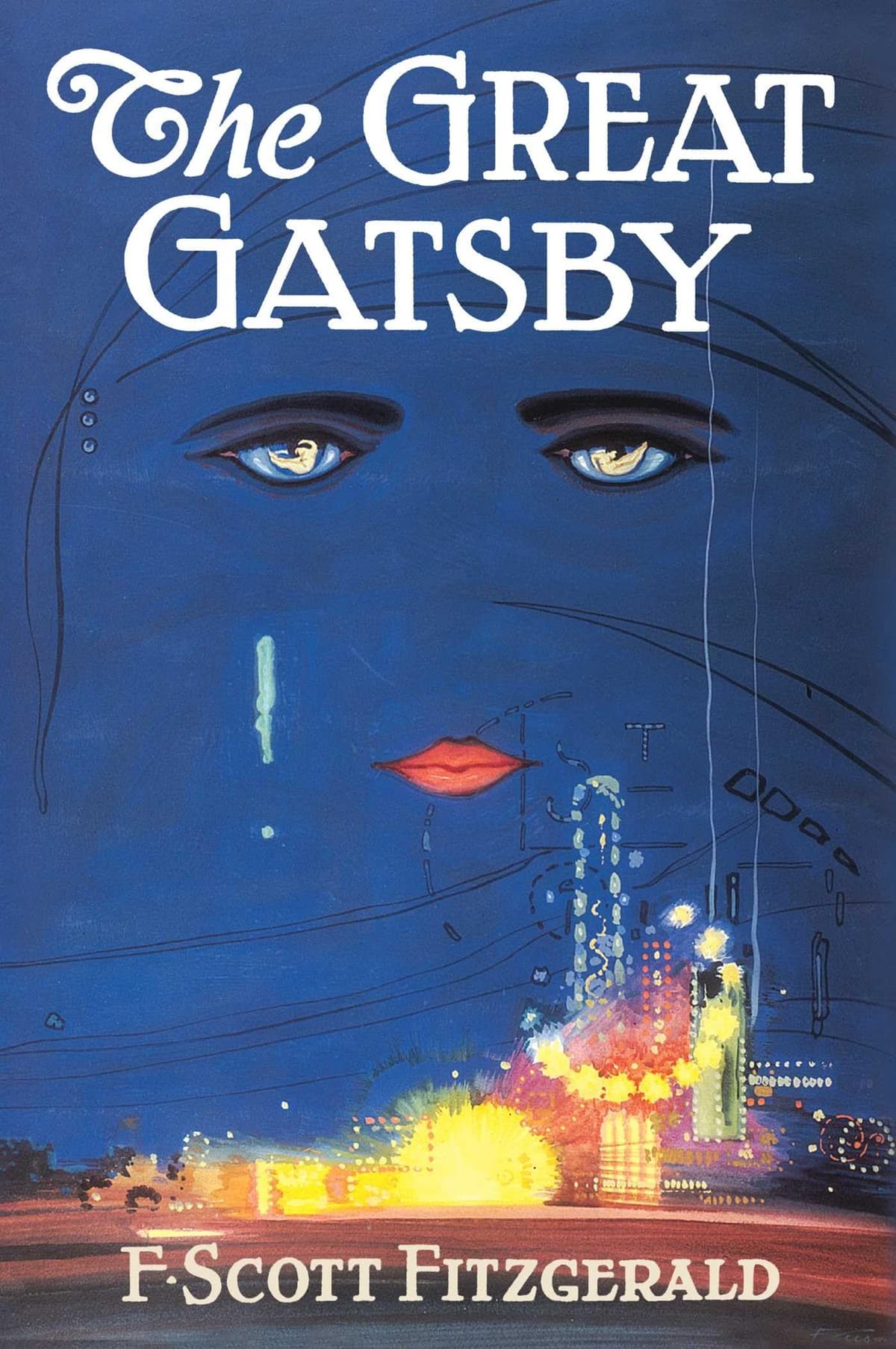 #3View Book
The Great Gatsby
F. Scott Fitzgerald
Accessible•5-6 hours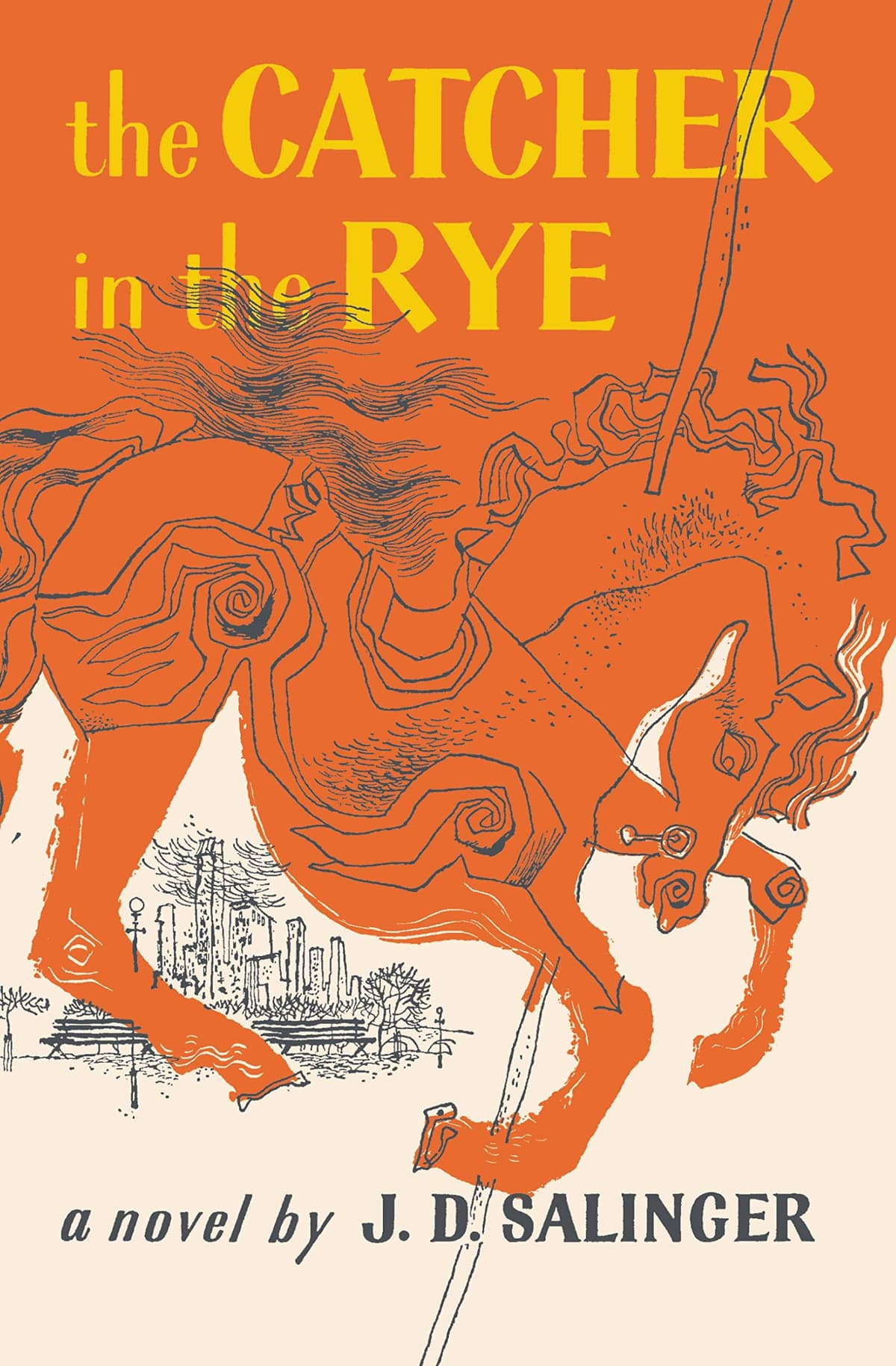 #4View Book
The Catcher in the Rye
J. D. Salinger
Accessible•6-8 hours #13View Book
Lolita
Vladimir Nabokov
Challenging•12-15 hours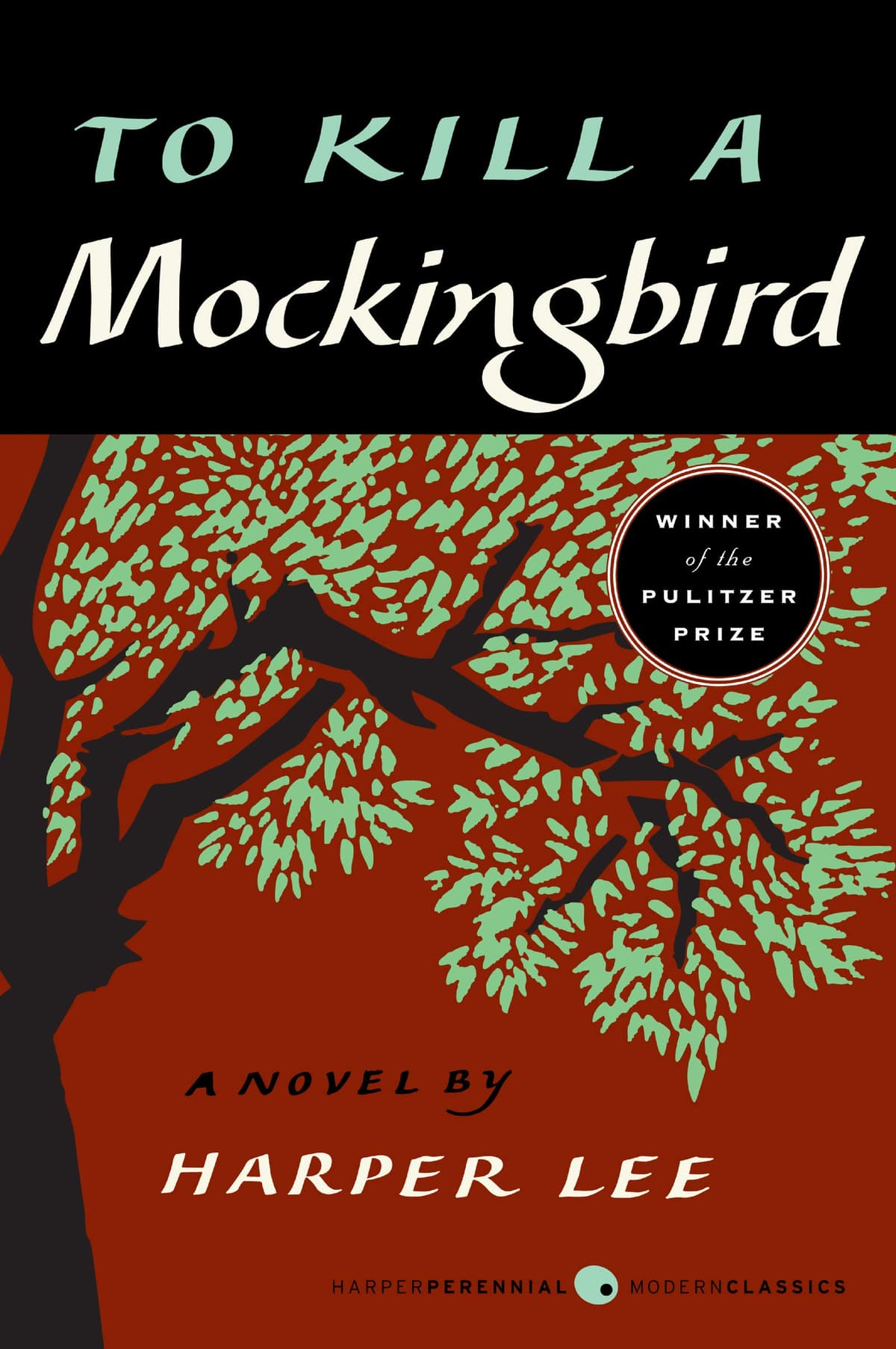 #17View Book
To Kill a Mockingbird
Harper Lee
Accessible•8-10 hours
Browse more collections