The Hitchhiker's Guide to the Galaxy
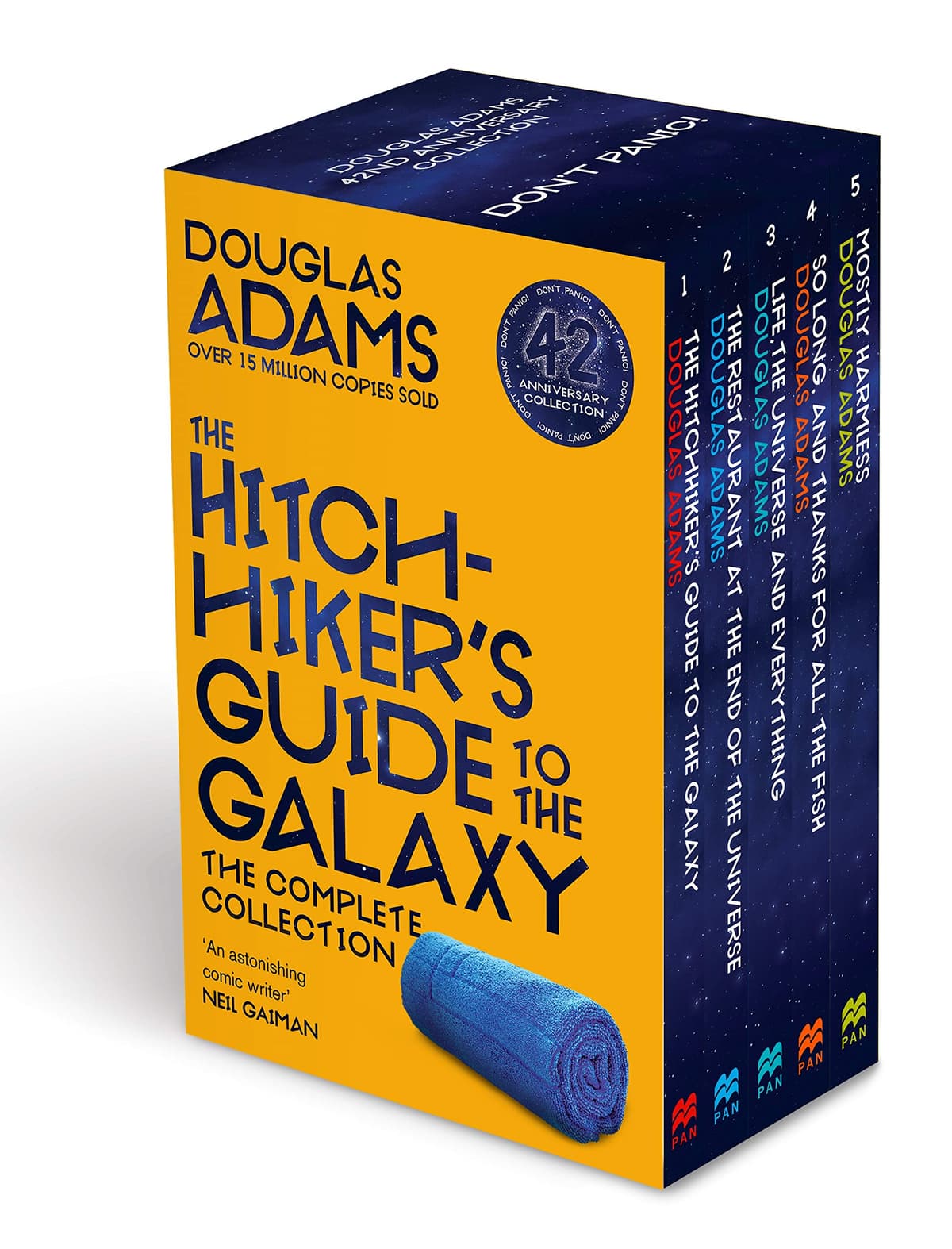
“The Answer to the Great Question... Of Life, the Universe and Everything... Is... Forty-two.”
The Hitchhiker's Guide to the Galaxy Summary
Seconds before the Earth is demolished to make way for a hyperspace bypass, Arthur Dent—a bewildered Englishman still in his dressing gown—is rescued by his friend Ford Prefect, who turns out to be an alien researcher for the most remarkable book in the universe: The Hitchhiker's Guide to the Galaxy. What follows is a lunatic odyssey through space that takes Arthur from the bowels of a Vogon constructor fleet (where he endures the third-worst poetry in the universe) to the legendary planet Magrathea (where custom-built luxury planets are manufactured) to the heart of an improbability field where anything can and does happen. Along the way, he encounters Zaphod Beeblebrox—the two-headed, three-armed President of the Galaxy—Trillian, the only other surviving human, and Marvin, a chronically depressed robot with a brain the size of a planet.
Douglas Adams weaponizes absurdity to deliver a devastatingly funny critique of bureaucracy, meaning, and the human search for purpose in an indifferent cosmos. The answer to the Ultimate Question of Life, the Universe, and Everything is famously forty-two—a joke that doubles as a philosophical grenade. Adams writes with the timing of a stand-up comedian and the imagination of a visionary, creating a universe where the mundane and the cosmic collide with gleeful abandon. It is science fiction as comedy of manners, existentialism as slapstick, and one of the most beloved novels of the twentieth century.
Why Read The Hitchhiker's Guide to the Galaxy?
You will laugh—loudly, helplessly, and in public. Douglas Adams is one of the funniest writers who ever lived, and The Hitchhiker's Guide is his masterpiece, a book so quotable that its phrases have entered the language. But beneath the comedy is something surprisingly profound: a story about an ordinary person adrift in a universe that offers no answers, no comfort, and no explanations—only the stubborn imperative to carry a towel and not panic.
Adams understood that the absurdity of existence is best confronted not with despair but with laughter. His satire of bureaucracy, technology, and the search for meaning feels more relevant with every passing year. The Hitchhiker's Guide is the rare novel that works equally well as entertainment, as philosophy, and as a survival manual for the bewildered. Whether you are twelve or eighty, it will make you feel better about living in a universe that makes no sense whatsoever.
About Douglas Adams
Douglas Adams (1952–2001) was born in Cambridge, England, and studied English literature at St John's College, Cambridge, where he was a member of the Footlights comedy troupe. He worked odd jobs—including as a bodyguard for a Qatari royal family—before writing for radio and television, most notably for Doctor Who and Monty Python's Flying Circus.
The Hitchhiker's Guide to the Galaxy began as a BBC Radio 4 series in 1978 before being adapted into a novel, a television series, a stage show, a comic book, a video game, and a feature film. Adams wrote four sequels and two Dirk Gently detective novels. He was a passionate advocate for technology and environmentalism—his book Last Chance to See documented endangered species with zoologist Mark Carwardine. He died suddenly of a heart attack at forty-nine, leaving behind a devoted global readership and a legacy as one of the great comic imaginations in English literature.
Reading Guide
Ranked #191 among the greatest books of all time, The Hitchhiker's Guide to the Galaxy by Douglas Adams has earned its place in the literary canon. Originally written in English and published in 1979, this accessible read from United Kingdom continues to resonate with readers today.
This book belongs to our Speculative Futures and Society & Satire collections, where you can discover more books that share its spirit and themes.
If you enjoy accessible reads like this one, you might also like The Great Gatsby, The Catcher in the Rye, or Pride and Prejudice.
From the Speculative Futures Collection
If you enjoyed The Hitchhiker's Guide to the Galaxy, discover more masterpieces that share its spirit.
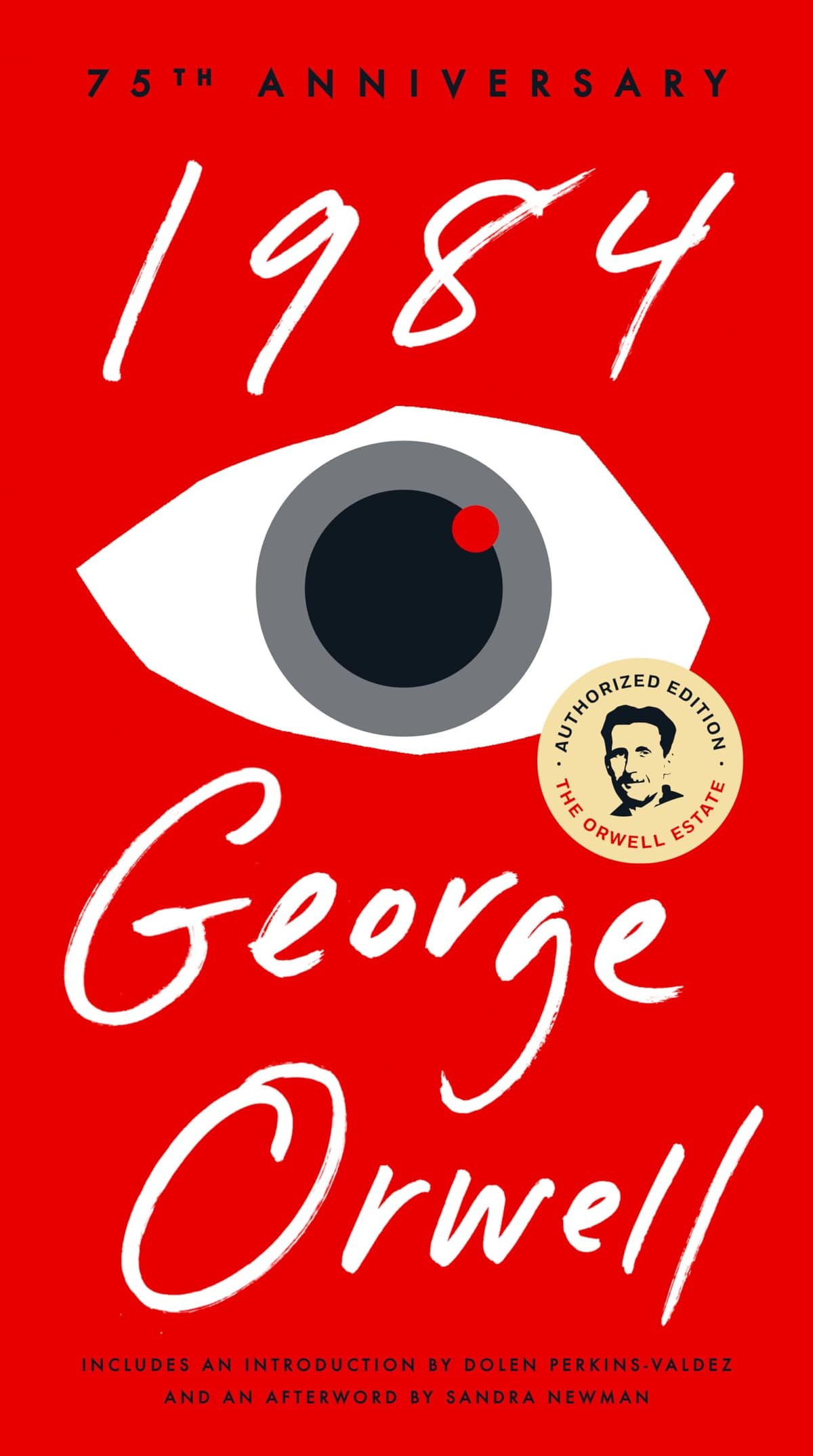 #6View Book
Nineteen Eighty-Four
George Orwell
Moderate•8-10 hours #20View Book
The Trial
Franz Kafka
Moderate•8-10 hours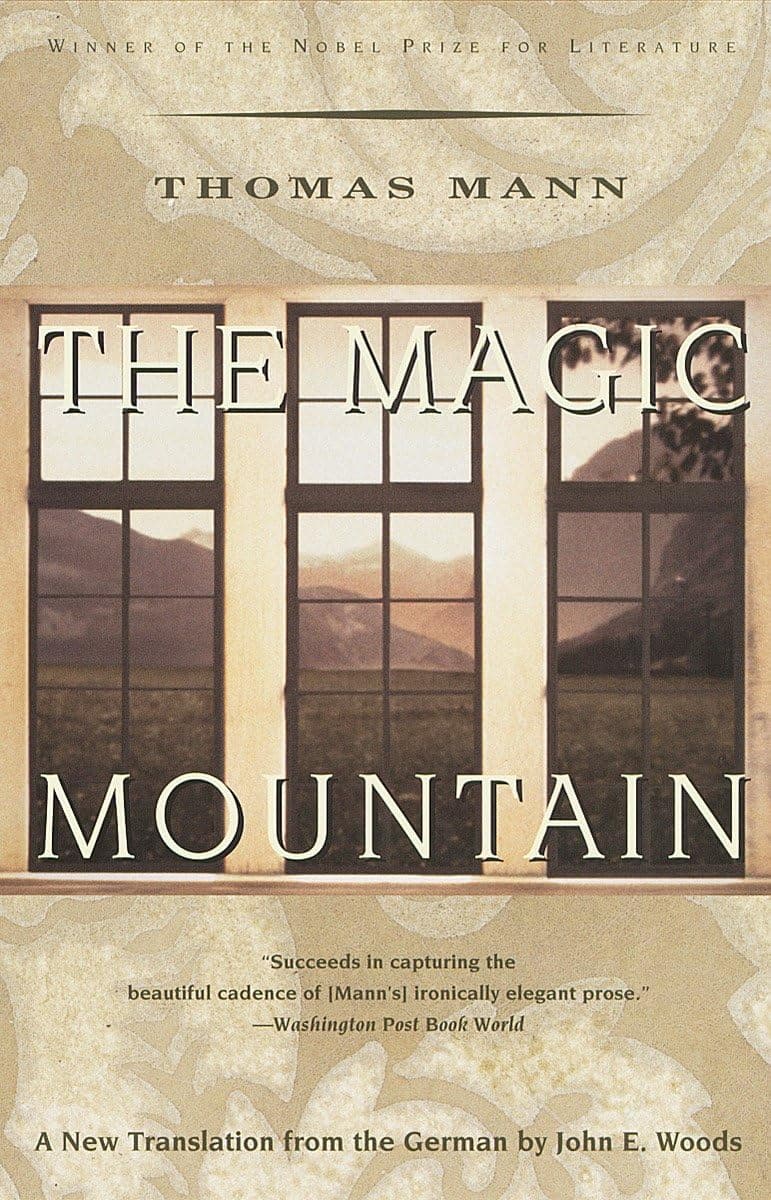 #27View Book
The Magic Mountain
Thomas Mann
High•30-35 hours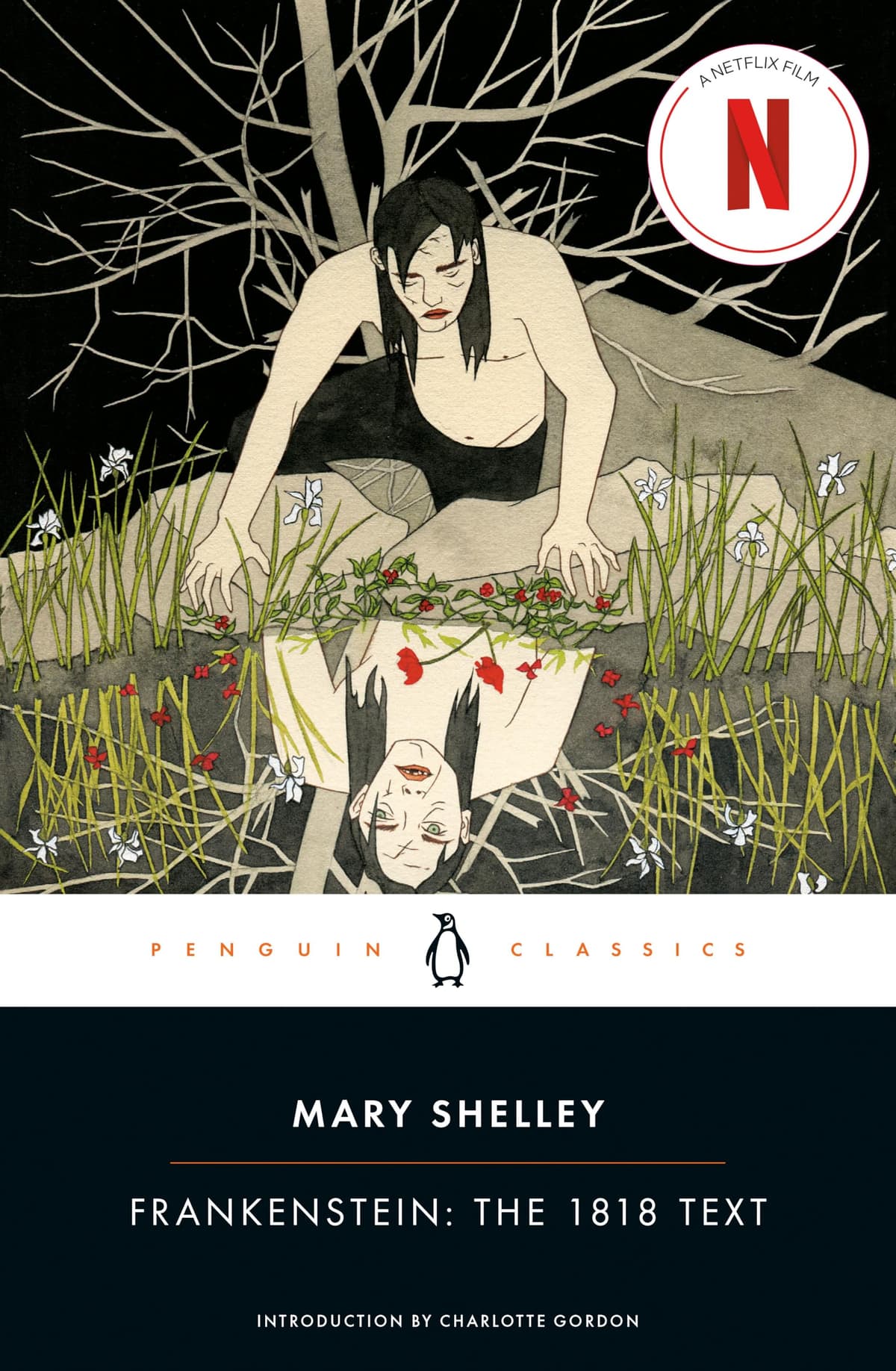 #41View Book
Frankenstein
Mary Shelley
Accessible•6-8 hours
Browse more collections