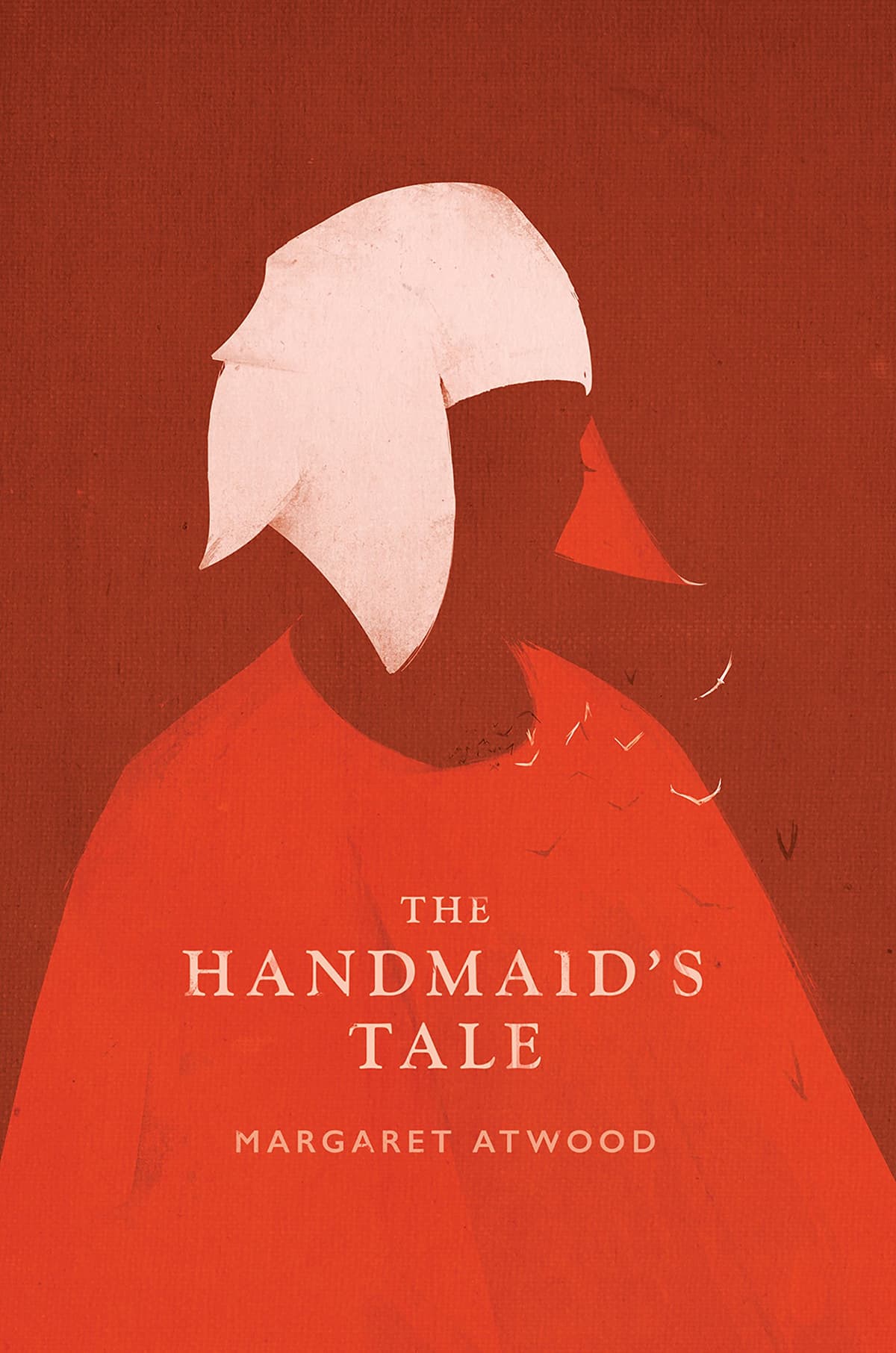
The Handmaid's Tale
“Nolite te bastardes carborundorum.”
The Handmaid's Tale Summary
In the Republic of Gilead—a theocratic military dictatorship erected on the ruins of the United States—women have been stripped of their names, their money, their autonomy, and sorted into rigid castes by function. Offred, whose name means she belongs to a Commander named Fred, is a Handmaid: her sole purpose is to bear children for the ruling class in a world ravaged by plummeting fertility. Each month she must endure the Ceremony, a ritualized act of state-sanctioned rape justified by scripture. She remembers her old life—her husband Luke, her daughter, her job, her own name—in fragments that surface like dispatches from a lost civilization.
Margaret Atwood built Gilead from pieces of actual history: every atrocity in the novel, she has said, has a real-world precedent. The genius of the book lies not in its dystopian extremity but in its terrifying plausibility—the way freedoms are stripped away incrementally, the way people accommodate the unthinkable. Offred's narration is intimate, wry, and heartbreaking: she notices everything, trusts nothing, and clings to language itself as a form of resistance. The novel's ambiguous ending—and the chilling "Historical Notes" epilogue, set centuries later at an academic conference—refuse to offer easy comfort. The Handmaid's Tale is a warning that reads less like speculative fiction with every passing year.
Why Read The Handmaid's Tale?
The Handmaid's Tale is one of those rare novels that changes the temperature of the room you are reading in. Atwood's prose is deceptively calm—precise, observant, even darkly funny—which makes the horrors it describes land with devastating force. Offred's voice will stay with you: her refusal to surrender her inner life, her fierce attention to small pleasures and subversive memories, her insistence on bearing witness even when no one may be listening. You will find yourself rationing the novel, reading slowly, because each page carries a weight that demands absorption.
What makes the novel essential is not its darkness but its clarity. Atwood shows exactly how a free society can be dismantled—not by alien invasion or nuclear apocalypse but by fear, complacency, and the weaponization of scripture. The genius lies in the incremental detail: bank accounts frozen, identification cards revoked, neighbors looking away. Every reader who finishes The Handmaid's Tale looks at the world a little differently afterward, more alert to the fragility of rights that once seemed permanent. It is a book that arms you with awareness.
About Margaret Atwood
Margaret Atwood (b. 1939) grew up in northern Ontario and Quebec, the daughter of an entomologist whose fieldwork kept the family in the Canadian wilderness for much of her childhood. She studied at the University of Toronto and Radcliffe College, and published her first collection of poetry at twenty-two. She has since become one of the most celebrated and prolific writers in the English language.
Atwood's body of work spans poetry, literary criticism, short fiction, graphic novels, and more than a dozen novels, including The Blind Assassin, Oryx and Crake, and Alias Grace. She won the Booker Prize twice—for The Blind Assassin in 2000 and The Testaments, her sequel to The Handmaid's Tale, in 2019. Her fiction consistently explores questions of power, gender, environmental catastrophe, and storytelling itself. She resists the label "science fiction" for her speculative works, preferring to call them explorations of possibilities latent in our own world.
Reading Guide
Ranked #151 among the greatest books of all time, The Handmaid's Tale by Margaret Atwood has earned its place in the literary canon. Originally written in English and published in 1985, this moderate read from Canada continues to resonate with readers today.
This book belongs to our Speculative Futures and Society & Satire collections, where you can discover more books that share its spirit and themes.
If you enjoy moderate reads like this one, you might also like One Hundred Years of Solitude, Nineteen Eighty-Four, or Wuthering Heights.
From the Speculative Futures Collection
If you enjoyed The Handmaid's Tale, discover more masterpieces that share its spirit.
 #6View Book
Nineteen Eighty-Four
George Orwell
Moderate•8-10 hours #20View Book
The Trial
Franz Kafka
Moderate•8-10 hours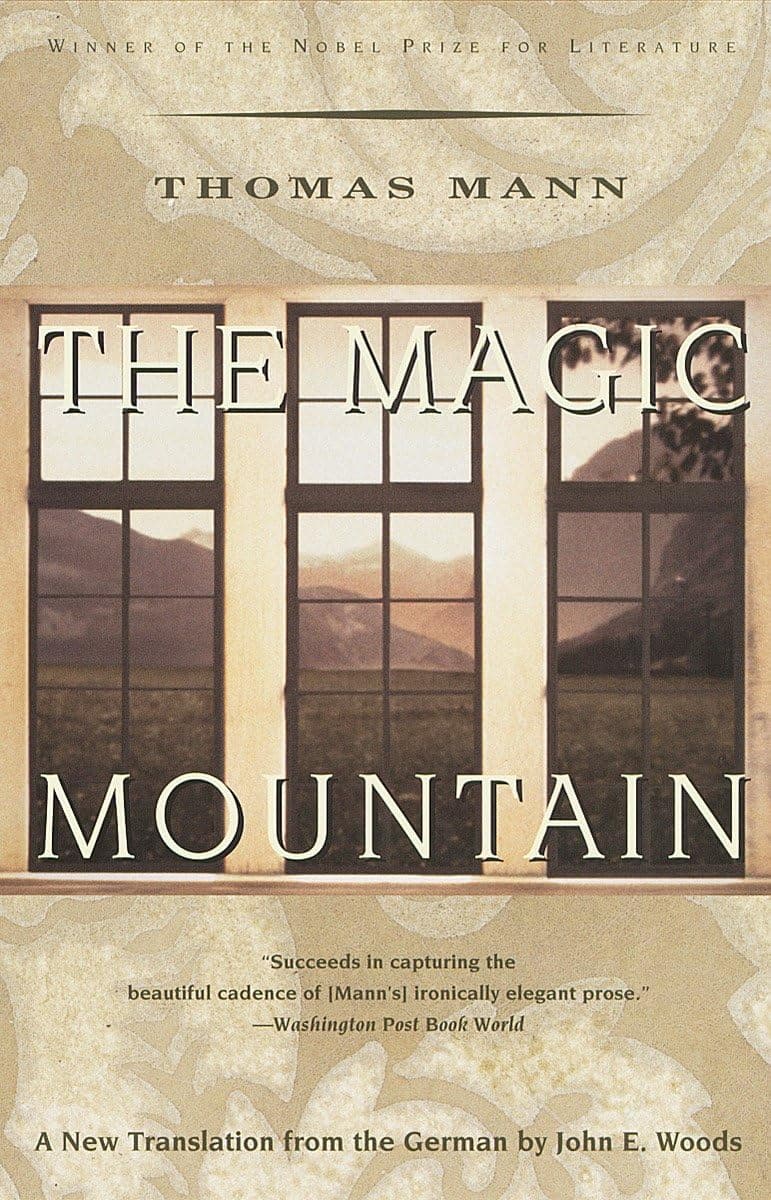 #27View Book
The Magic Mountain
Thomas Mann
High•30-35 hours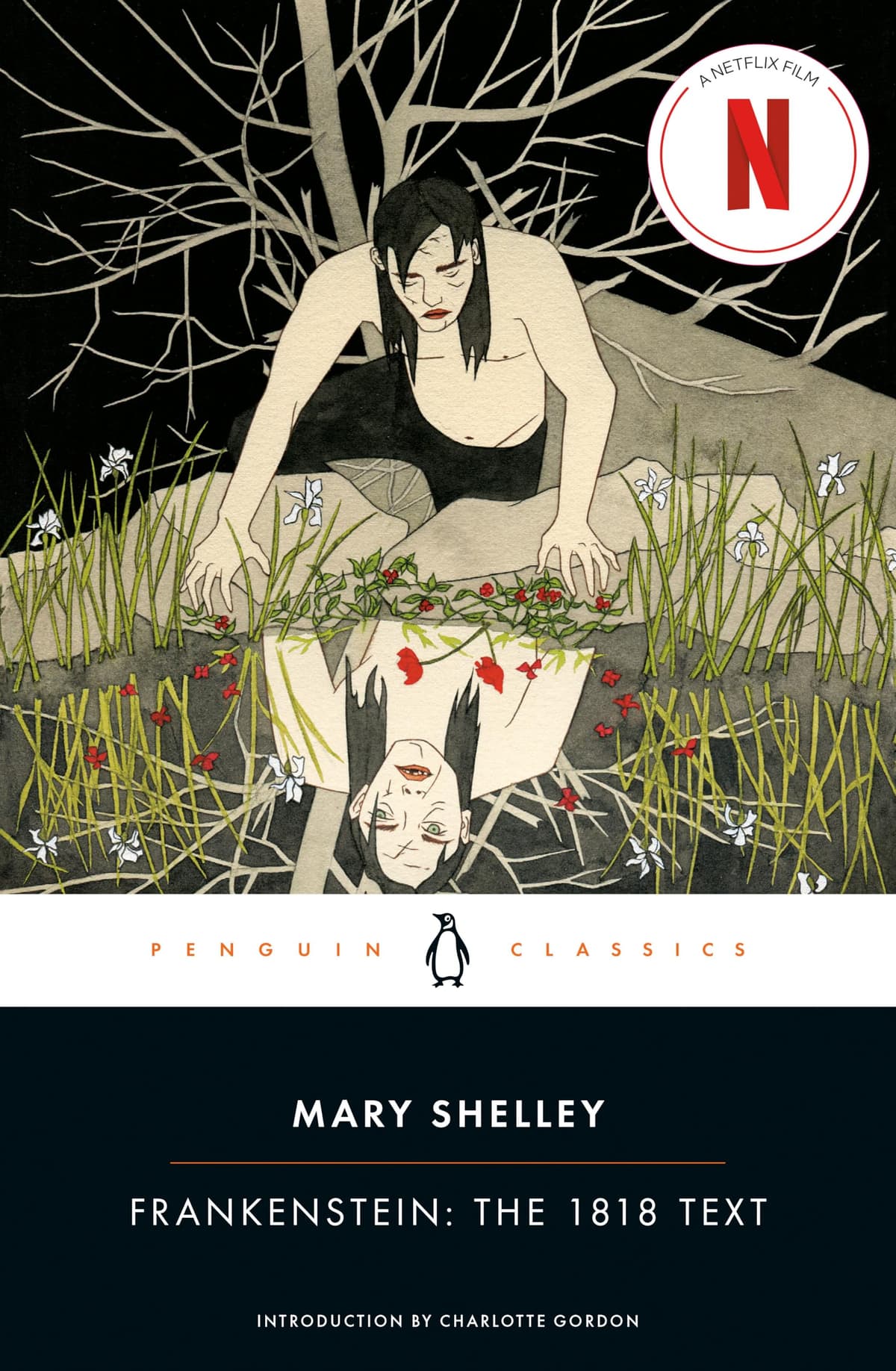 #41View Book
Frankenstein
Mary Shelley
Accessible•6-8 hours
Browse more collections