Fahrenheit 451
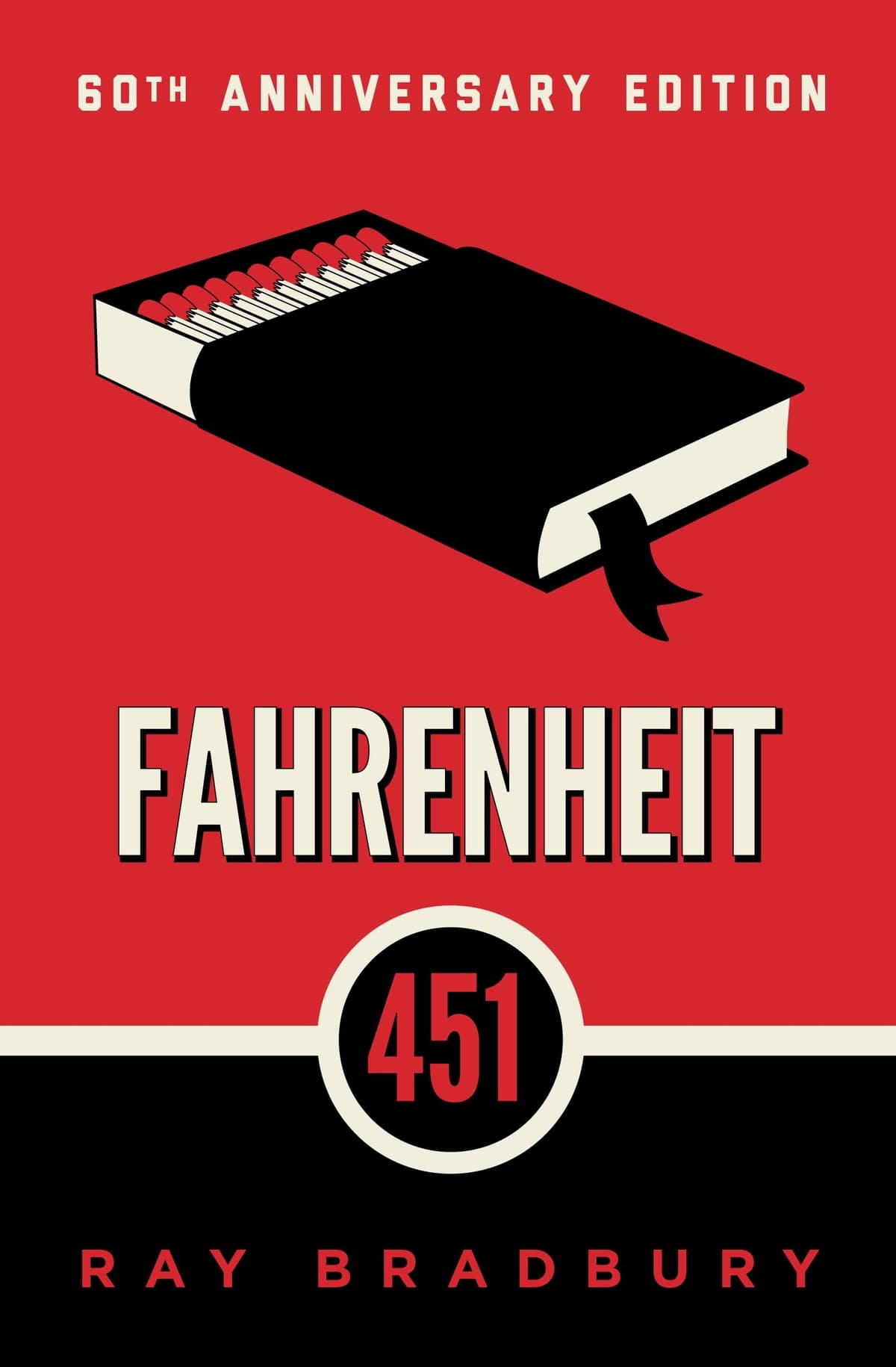
“It was a pleasure to burn.”
Fahrenheit 451 Summary
Guy Montag is a fireman—but in this future, firemen do not put out fires. They start them. Books are banned, and it is Montag's job to burn them, along with the houses that hide them. He has never questioned his work until he meets Clarisse McClellan, a strange seventeen-year-old neighbor who asks him if he is happy, and he realizes he is not. He begins to steal books from the fires, hiding them in his ventilator grille, reading in secret, and unraveling the comfortable numbness of a society that has chosen entertainment, speed, and wall-sized television screens over thought, conversation, and the dangerous pleasure of the printed word.
Ray Bradbury wrote Fahrenheit 451 in nine days on a rented typewriter in the basement of the UCLA library, feeding it dimes, and the book burns with that white-hot urgency. It is less a conventional novel than a prose poem—lyrical, feverish, imagistic—about the life of the mind and the forces that conspire to extinguish it. Bradbury's dystopia is chillingly prescient: not a world where books are banned by jackbooted tyrants, but one where people simply stopped reading, preferring the narcotic glow of screens and the comfort of never being disturbed by a challenging idea. The Mechanical Hound, the parlor walls, the seashell earbuds—Bradbury imagined our world before it existed. The novel's final vision—of a community of book lovers, each one a living repository of a memorized text, walking along railroad tracks toward an uncertain future—is one of the most hopeful and haunting images in American literature.
Why Read Fahrenheit 451?
Fahrenheit 451 is not just a novel about censorship—it is a love letter to books themselves. Bradbury writes about the act of reading with such passion and sensory intensity that you feel the weight of a book in your hands, the texture of its pages, the combustion of an idea igniting in your mind. In a world saturated by screens and shrinking attention spans, this slender novel reads less like a warning from 1953 than a diagnosis of the present moment.
What makes Bradbury's vision so enduring is its nuance. The books in his world were not banned by a tyrannical government first—people stopped wanting them. Minorities objected, special interest groups complained, and publishers trimmed and softened until nothing was left. It is a dystopia born not of oppression but of apathy. Reading Fahrenheit 451 is itself an act of defiance against everything the novel warns about, and you will put it down with a renewed hunger for the difficult, beautiful, necessary work of thinking for yourself.
About Ray Bradbury
Ray Bradbury (1920–2012) grew up in Waukegan, Illinois, and Los Angeles, where he haunted libraries and fell in love with science fiction, fantasy, and the carnival world of his childhood. He never attended college, educating himself entirely at the public library—an institution he credited with shaping his life and which he championed fiercely until his death. He began publishing stories in pulp magazines as a teenager and sold newspapers on Los Angeles street corners to fund his writing. By his thirties he was one of the most acclaimed short story writers in America.
Bradbury's work transcended genre boundaries. The Martian Chronicles, The Illustrated Man, Something Wicked This Way Comes, and Fahrenheit 451 earned him recognition as a major American author, not merely a genre writer. He won the National Book Foundation Medal for Distinguished Contribution to American Letters, a Pulitzer Special Citation, and was named a Grand Master by the Science Fiction and Fantasy Writers of America. Bradbury wrote prolifically until the end of his life—novels, stories, poems, screenplays, and essays—always championing imagination, libraries, and the irreplaceable magic of the printed word.
Reading Guide
Ranked #152 among the greatest books of all time, Fahrenheit 451 by Ray Bradbury has earned its place in the literary canon. Originally written in English and published in 1953, this accessible read from United States continues to resonate with readers today.
This book belongs to our Speculative Futures and American Spirit collections, where you can discover more books that share its spirit and themes.
If you enjoy accessible reads like this one, you might also like The Great Gatsby, The Catcher in the Rye, or Pride and Prejudice.
From the Speculative Futures Collection
If you enjoyed Fahrenheit 451, discover more masterpieces that share its spirit.
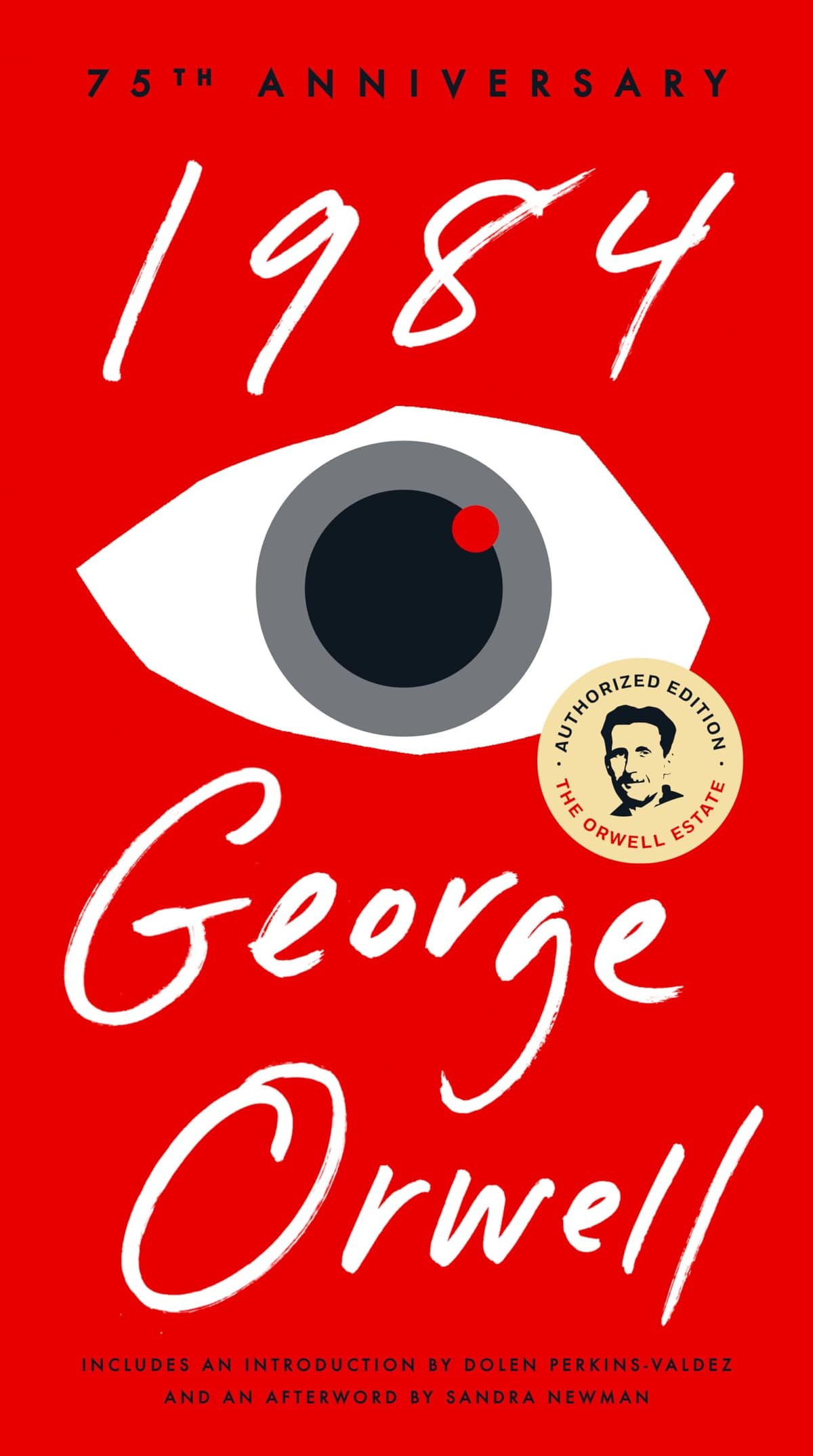 #6View Book
Nineteen Eighty-Four
George Orwell
Moderate•8-10 hours #20View Book
The Trial
Franz Kafka
Moderate•8-10 hours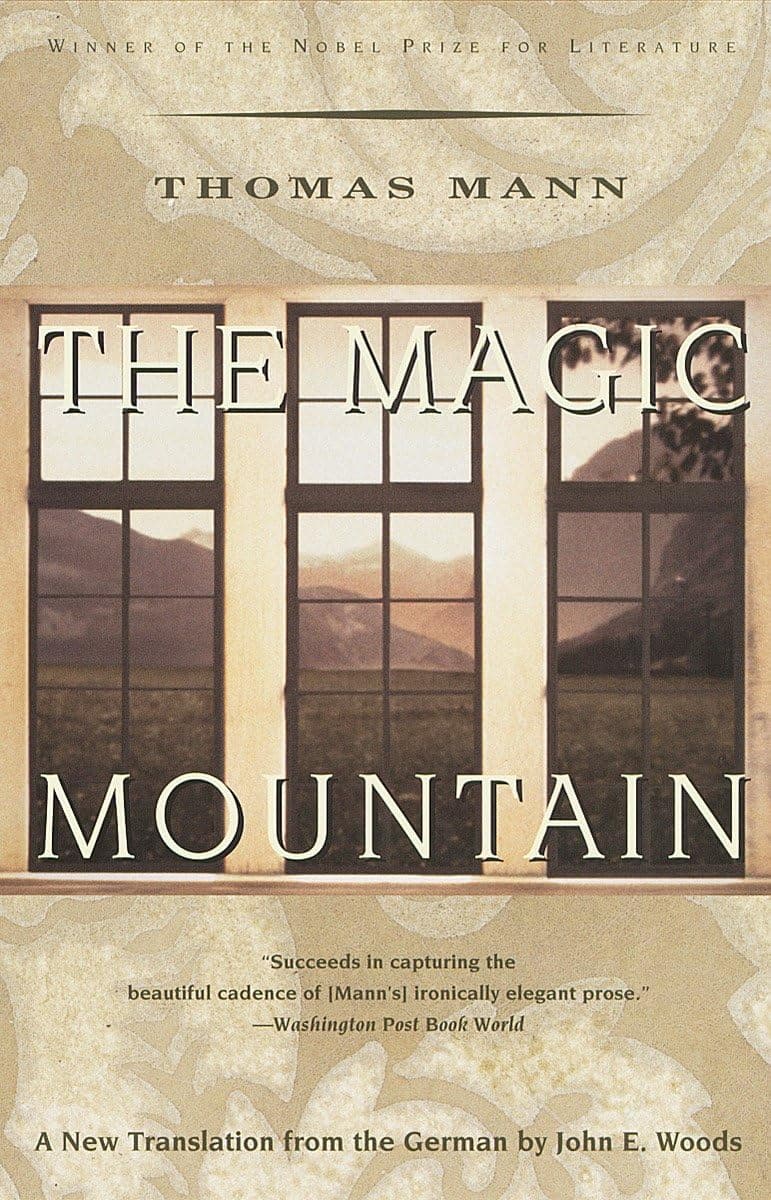 #27View Book
The Magic Mountain
Thomas Mann
High•30-35 hours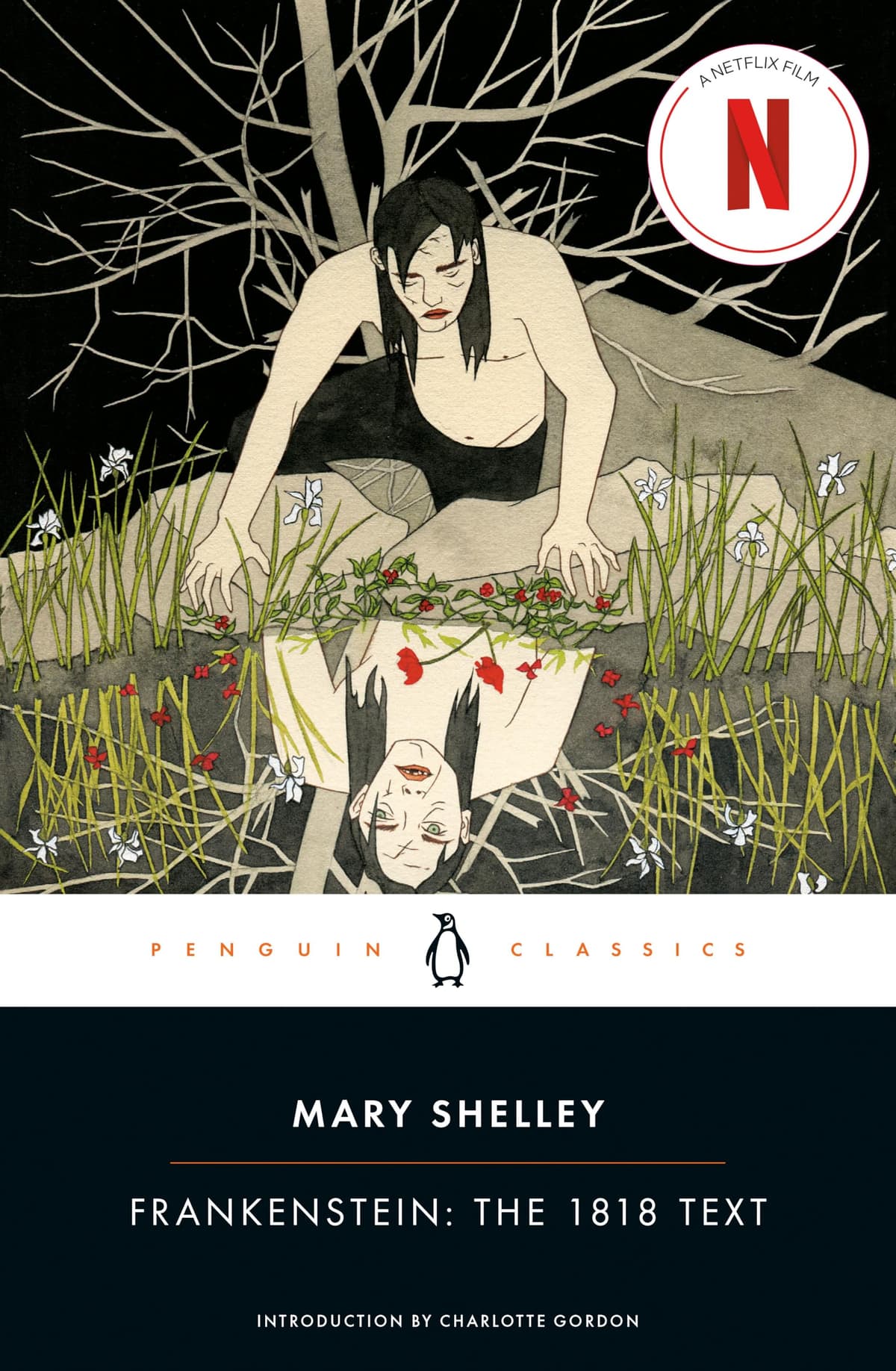 #41View Book
Frankenstein
Mary Shelley
Accessible•6-8 hours
Browse more collections