The Hobbit
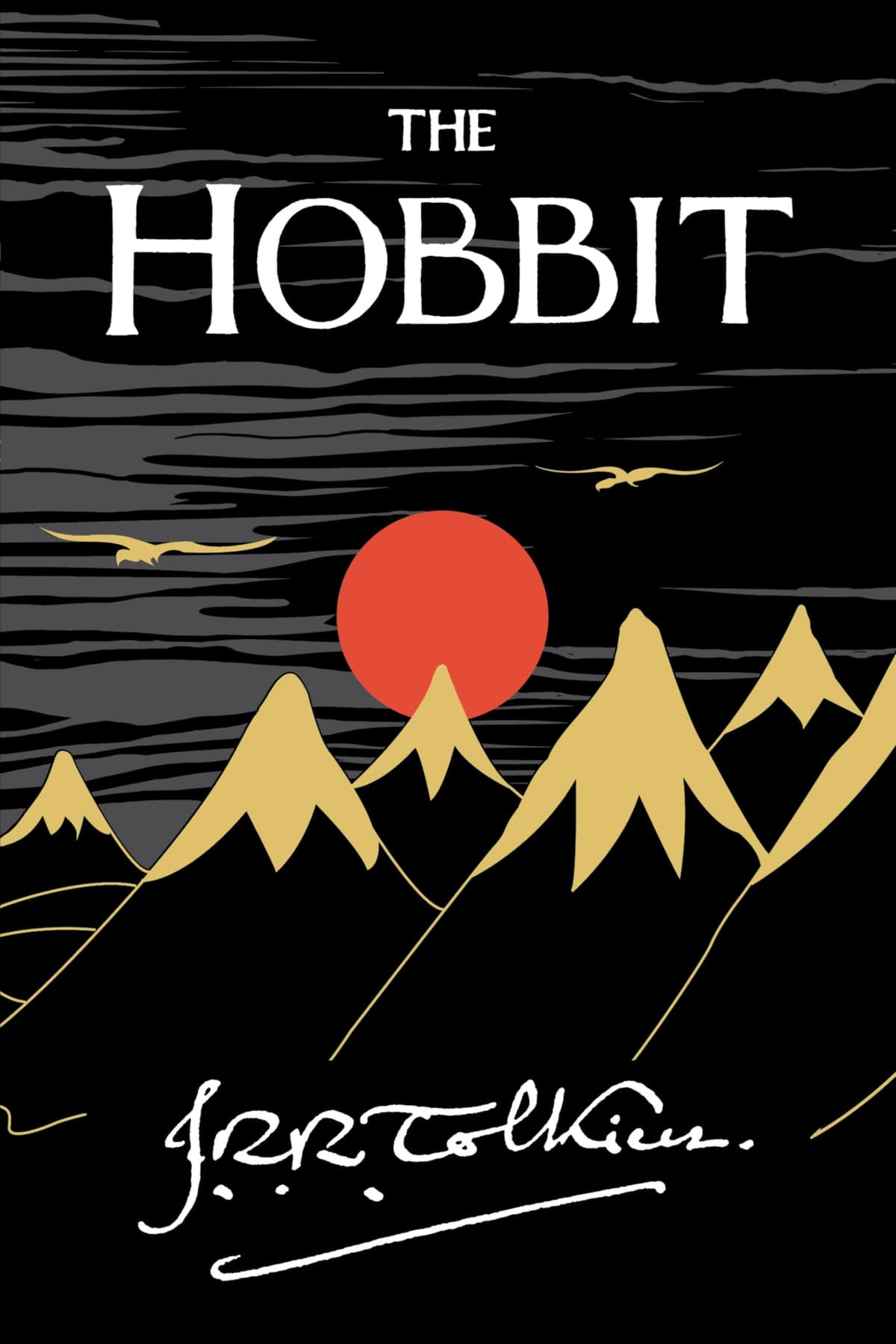
“In a hole in the ground there lived a hobbit. Not a nasty, dirty, wet hole, filled with the ends of worms and an oozy smell, nor yet a dry, bare, sandy hole with nothing in it to sit down on or to eat: it was a hobbit-hole, and that means comfort.”
The Hobbit Summary
In a hole in the ground there lived a hobbit—and with that sentence, one of the most beloved adventures in the English language begins. Bilbo Baggins is a respectable, comfort-loving homebody of the Shire who wants nothing more than a well-stocked pantry and an undisturbed afternoon. Then the wizard Gandalf arrives with thirteen dwarves and a contract naming Bilbo their burglar on a quest to reclaim the Lonely Mountain and its treasure from Smaug, a dragon of terrible magnificence. Bilbo is swept from his armchair into a world of trolls, goblins, giant spiders, wood-elves, and riddles in the dark—where he finds a small gold ring that will one day reshape the fate of Middle-earth.
J. R. R. Tolkien wrote The Hobbit for his children, and it retains the warmth and humor of a fireside tale—the narrator's chatty asides, the songs, the love of maps and mealtimes. But beneath its gentle surface runs something deeper and older: the rhythms of Norse saga, Anglo-Saxon poetry, and fairy tale, woven together by a philologist who understood myth in his bones. Bilbo's journey is the archetypal hero's journey—from reluctant homebody to someone capable of courage, cunning, and mercy—and it is Tolkien's great insight that the most unlikely person can change the course of history. The Hobbit created modern fantasy literature and opened a door into a world that millions of readers have never entirely left.
Why Read The Hobbit?
The Hobbit is that rarest of things: a perfect adventure story that works equally well at eight and eighty. Tolkien's genius was to take the ancient forms of myth and saga and make them feel as intimate as a bedtime story, without ever losing their grandeur. You will feel the cold of the Misty Mountains, the claustrophobia of Gollum's cave, the terrible beauty of Smaug on his hoard—and through it all, the reassuring presence of Bilbo, the ordinary person doing extraordinary things because someone must.
Beyond its pleasures as a story, The Hobbit is the gateway to the most fully realized imaginary world in literature. It laid the foundation for The Lord of the Rings and for the entire genre of modern fantasy. But it stands gloriously on its own: a story about courage, greed, friendship, and the discovery that the greatest adventures are the ones that bring you home changed. If you have never read it, you have a magnificent journey ahead of you.
About J. R. R. Tolkien
J. R. R. Tolkien (1892–1973) was born in Bloemfontein, South Africa, and raised in England after his father's death. He served in World War I at the Battle of the Somme, where most of his close friends were killed—an experience that shadowed his fiction. He became a professor of Anglo-Saxon at Oxford, where he was a leading scholar of Old English and medieval literature and a member of the Inklings, a literary group that included C. S. Lewis.
Tolkien spent decades building the mythology of Middle-earth, a project that began with The Silmarillion and found its popular expression in The Hobbit (1937) and The Lord of the Rings (1954–1955). His work virtually invented the modern fantasy genre, inspiring countless authors, films, and games. His scholarly expertise in philology and mythology gave his fictional world a depth and linguistic richness unmatched in literature. He remains the most influential fantasy author of all time.
Reading Guide
Ranked #153 among the greatest books of all time, The Hobbit by J. R. R. Tolkien has earned its place in the literary canon. Originally written in English and published in 1937, this accessible read from United Kingdom continues to resonate with readers today.
This book belongs to our Epics and Philosophy & Faith collections, where you can discover more books that share its spirit and themes.
If you enjoy accessible reads like this one, you might also like The Great Gatsby, The Catcher in the Rye, or Pride and Prejudice.
From the Epics Collection
If you enjoyed The Hobbit, discover more masterpieces that share its spirit.
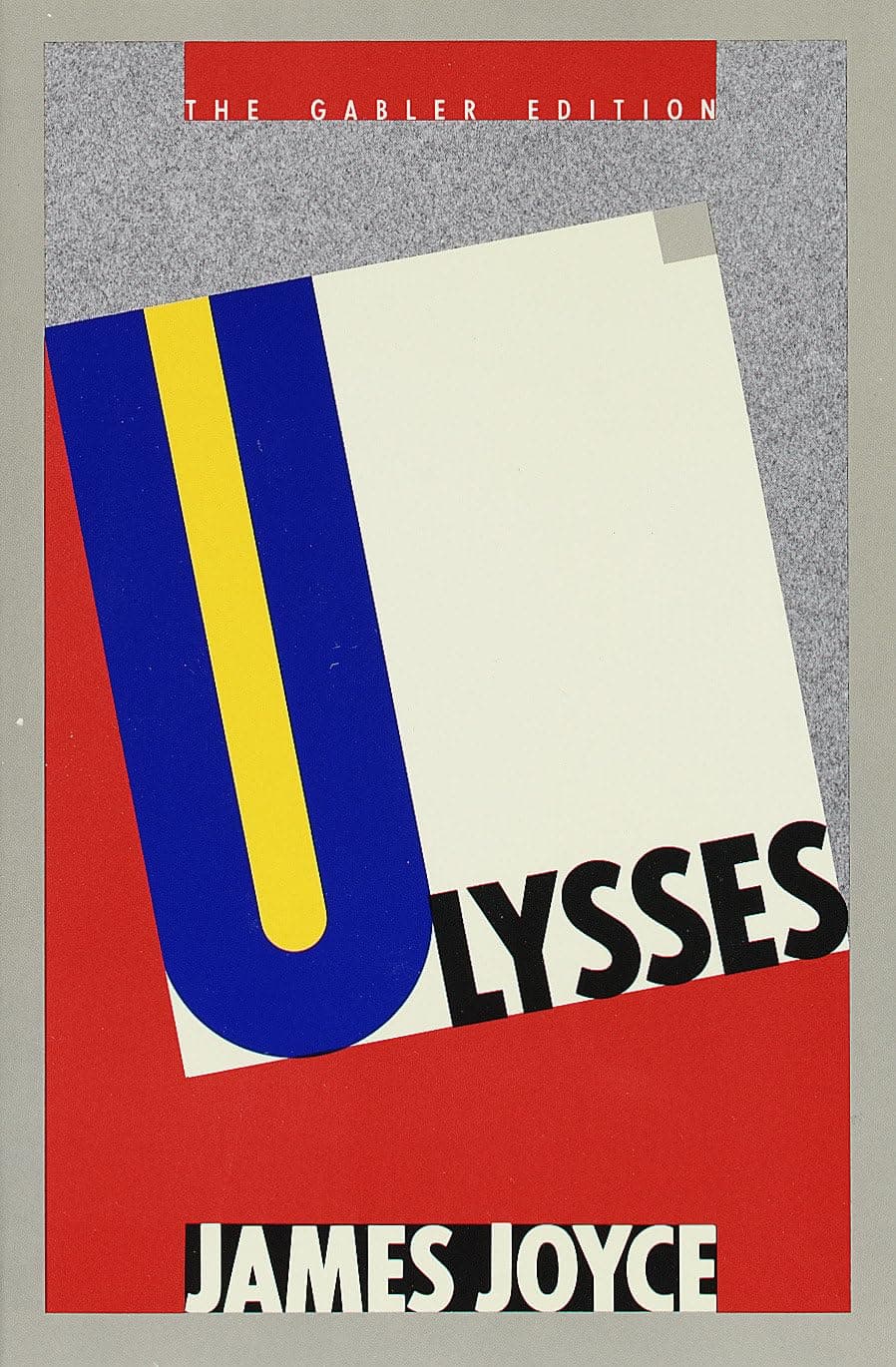 #1View Book
Ulysses
James Joyce
Challenging•35-40 hours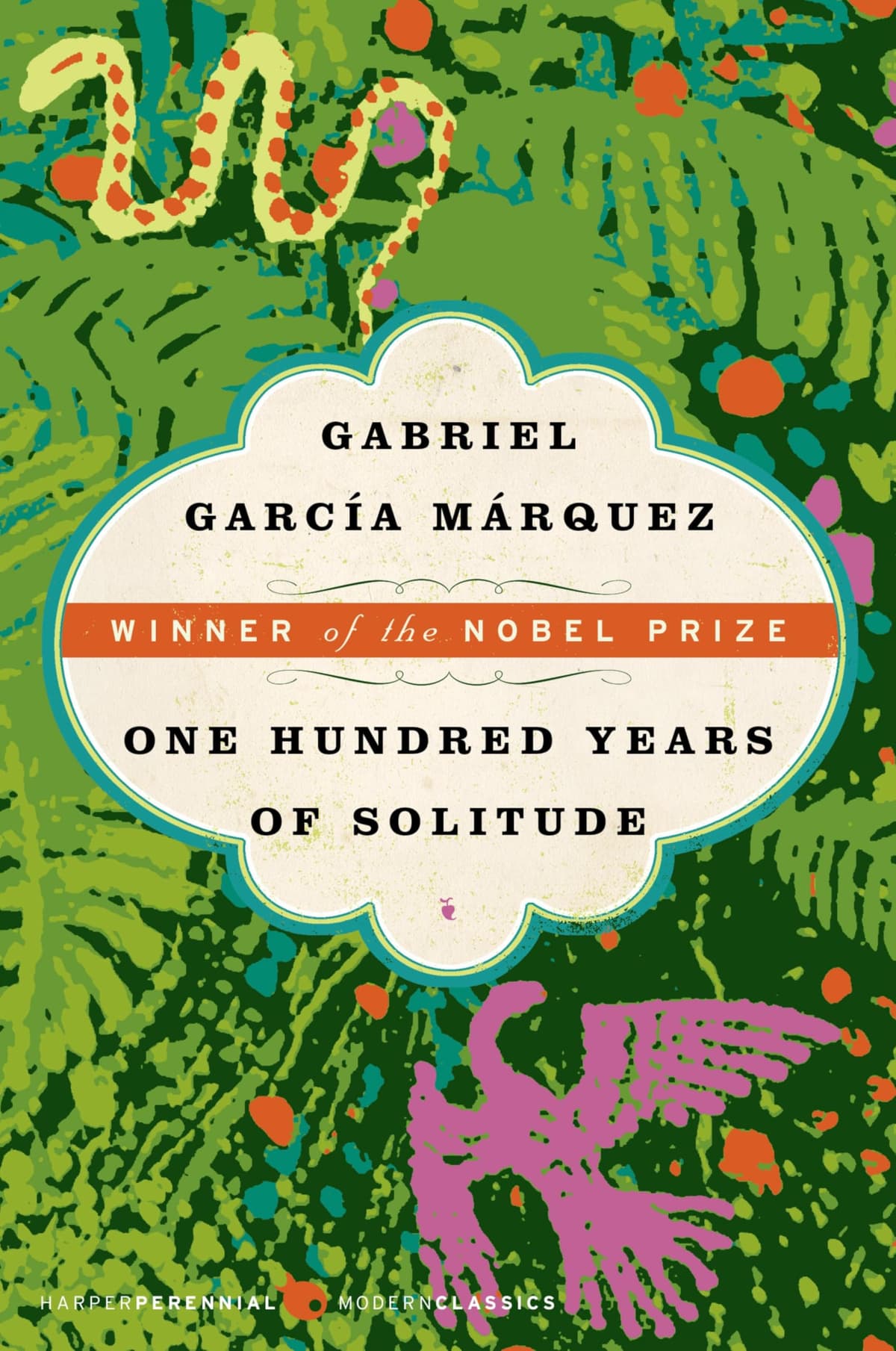 #5View Book
One Hundred Years of Solitude
Gabriel García Márquez
Moderate•15-20 hours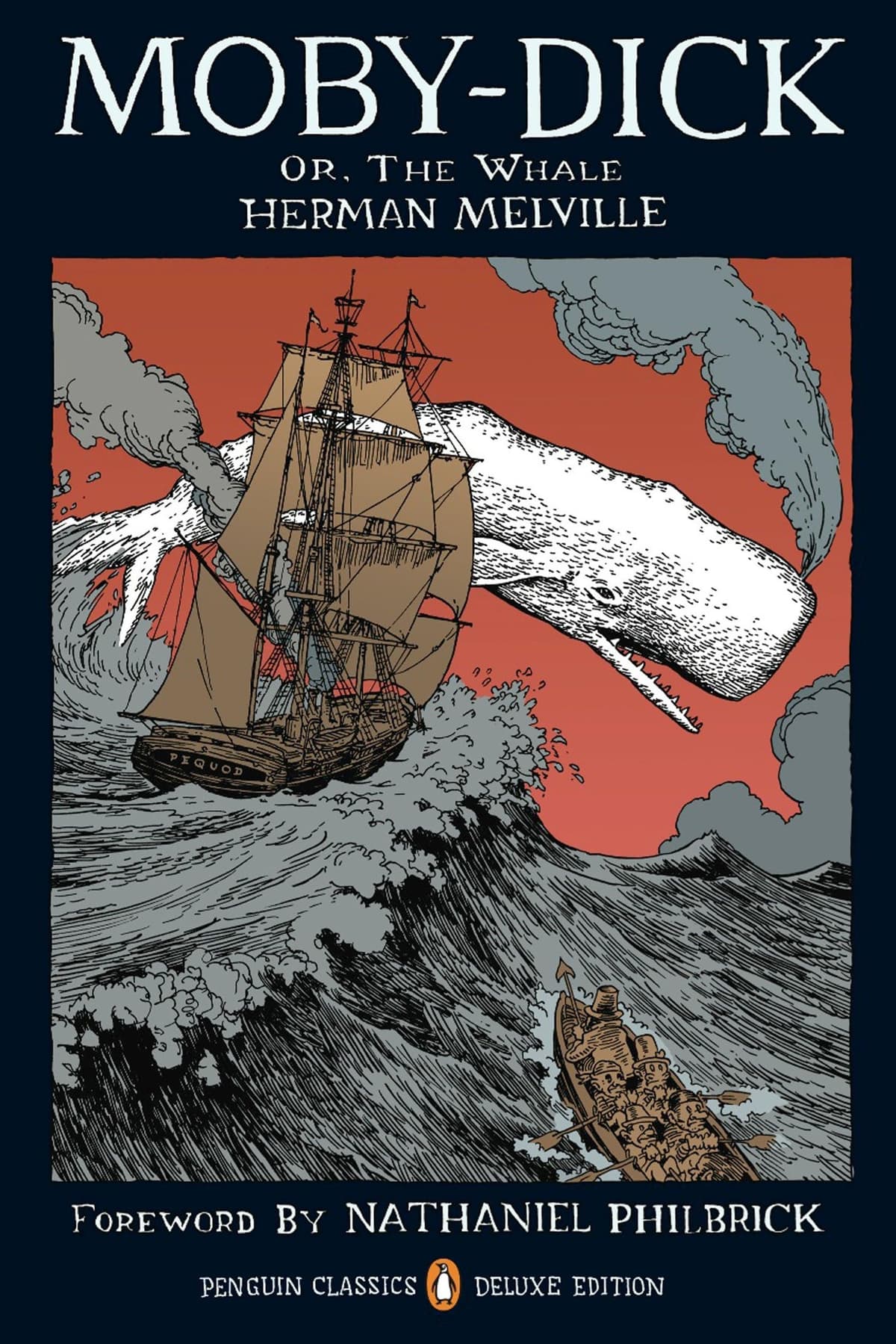 #7View Book
Moby-Dick
Herman Melville
Challenging•20-25 hours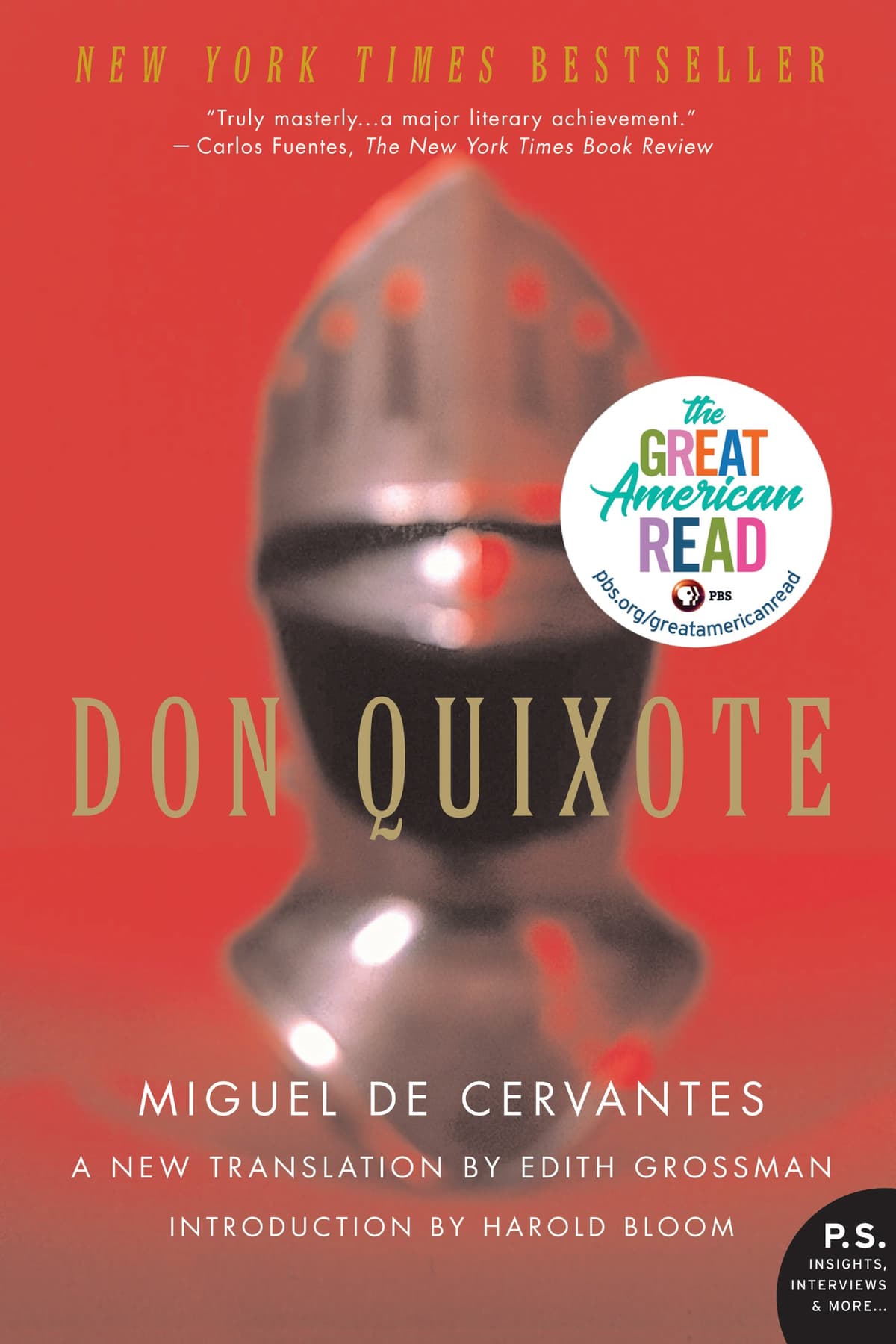 #9View Book
Don Quixote
Miguel de Cervantes
High•35-40 hours
Browse more collections