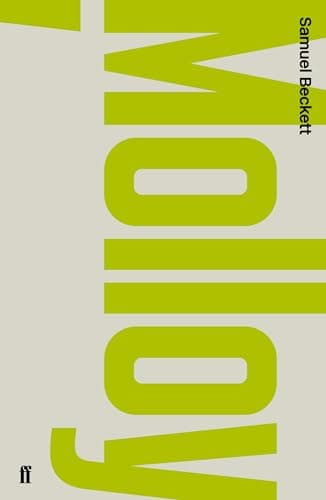
Molloy
“I can't go on, I'll go on.”
Molloy Summary
The novel splits into two halves, each narrated by a different voice circling the same void. In the first, Molloy—a decrepit, barely mobile wreck of a man—tries to recount his journey to find his mother, but the telling keeps collapsing under the weight of digression, uncertainty, and physical decay. He cannot remember where he has been, loses track of his limbs, sucks stones in elaborate rotational systems, and crawls through ditches while his narrative dissolves into magnificent, agonized comedy. In the second half, Jacques Moran—a bourgeois private detective—is dispatched by a mysterious authority to find Molloy, and as his quest proceeds, his own certainties disintegrate: his body fails, his son rebels, his identity blurs, and his prose begins to sound uncannily like Molloy's own.
Samuel Beckett wrote Molloy in French—choosing a language not his own to strip his prose to the bone—and the result is one of the founding texts of postmodern literature. The novel is at once a parody of the quest narrative, a philosophical meditation on the impossibility of knowledge and self-knowledge, and a work of savage, desolate humor. Beckett reduces the human condition to its barest elements—a body in pain, a mind trying and failing to make sense of itself—and finds in that reduction something both devastating and darkly hilarious. Molloy is the first volume of a trilogy (followed by Malone Dies and The Unnamable) that dismantles the conventions of the novel with pitiless brilliance.
Why Read Molloy?
Molloy is not an easy book, but it is a transformative one. Beckett's prose—long, spiraling sentences that circle their subjects like a dog searching for a place to lie down—creates a hypnotic rhythm that is unlike anything else in literature. You will laugh out loud at Molloy's sucking-stones routine, his disquisitions on his failing body, his cheerful inability to remember anything at all. And then the laughter will catch in your throat as you realize what Beckett is really doing: stripping away every comfort of narrative, identity, and meaning to ask what, if anything, remains.
If you have ever felt that conventional novels lie to you—that their neat plots and resolved endings falsify the mess of actual experience—Molloy is the antidote. Beckett writes from the other side of certainty, from the place where language fails and the self dissolves, and he makes that place not only bearable but strangely beautiful. Reading him changes your relationship with every other book you will ever read.
About Samuel Beckett
Samuel Beckett (1906–1989) was born in Foxrock, a suburb of Dublin, into a prosperous Protestant family. He studied French and Italian at Trinity College Dublin, lectured briefly at the Ecole Normale Superieure in Paris—where he became a close associate of James Joyce—and eventually settled permanently in France. During World War II, he worked for the French Resistance and was forced to flee Paris, hiding in the countryside.
Beckett's postwar explosion of creativity, much of it written in French, produced the works for which he is best known: the novels Molloy, Malone Dies, and The Unnamable, and the play Waiting for Godot. He was awarded the Nobel Prize in Literature in 1969, which he called a "catastrophe." His work progressively stripped language and narrative to their barest essentials, moving toward silence and the void. He remains the towering figure of literary minimalism, an artist who proved that less is not merely more but everything.
Reading Guide
Ranked #154 among the greatest books of all time, Molloy by Samuel Beckett has earned its place in the literary canon. Originally written in French and published in 1951, this very high read from Ireland continues to resonate with readers today.
This book belongs to our Modern Mind and Philosophy & Faith collections, where you can discover more books that share its spirit and themes.
If you enjoy very high reads like this one, you might also like The Sound and the Fury, War and Peace, or The Brothers Karamazov.
From the Modern Mind Collection
If you enjoyed Molloy, discover more masterpieces that share its spirit.
 #1View Book
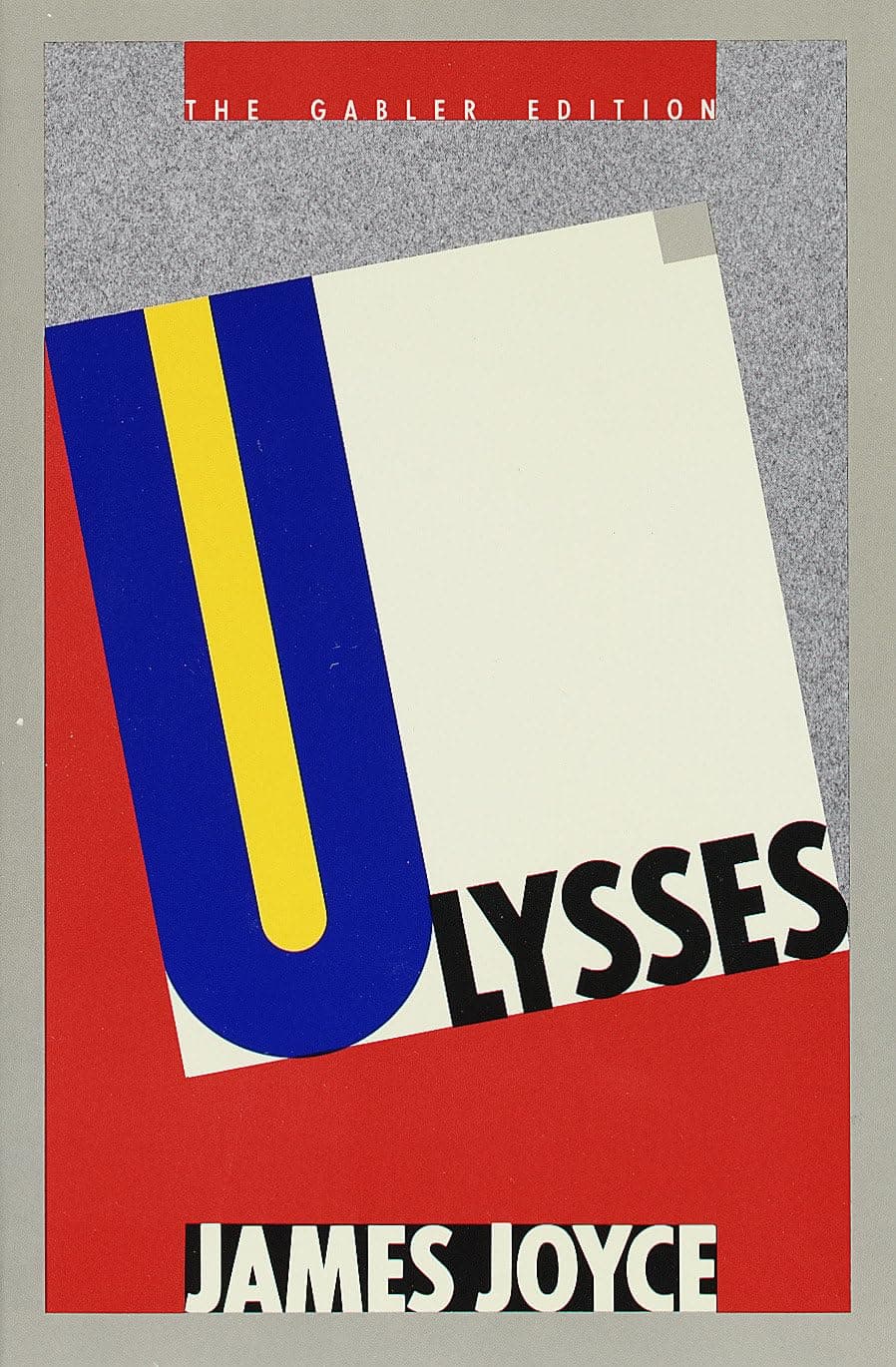
Ulysses
James Joyce
Challenging•35-40 hours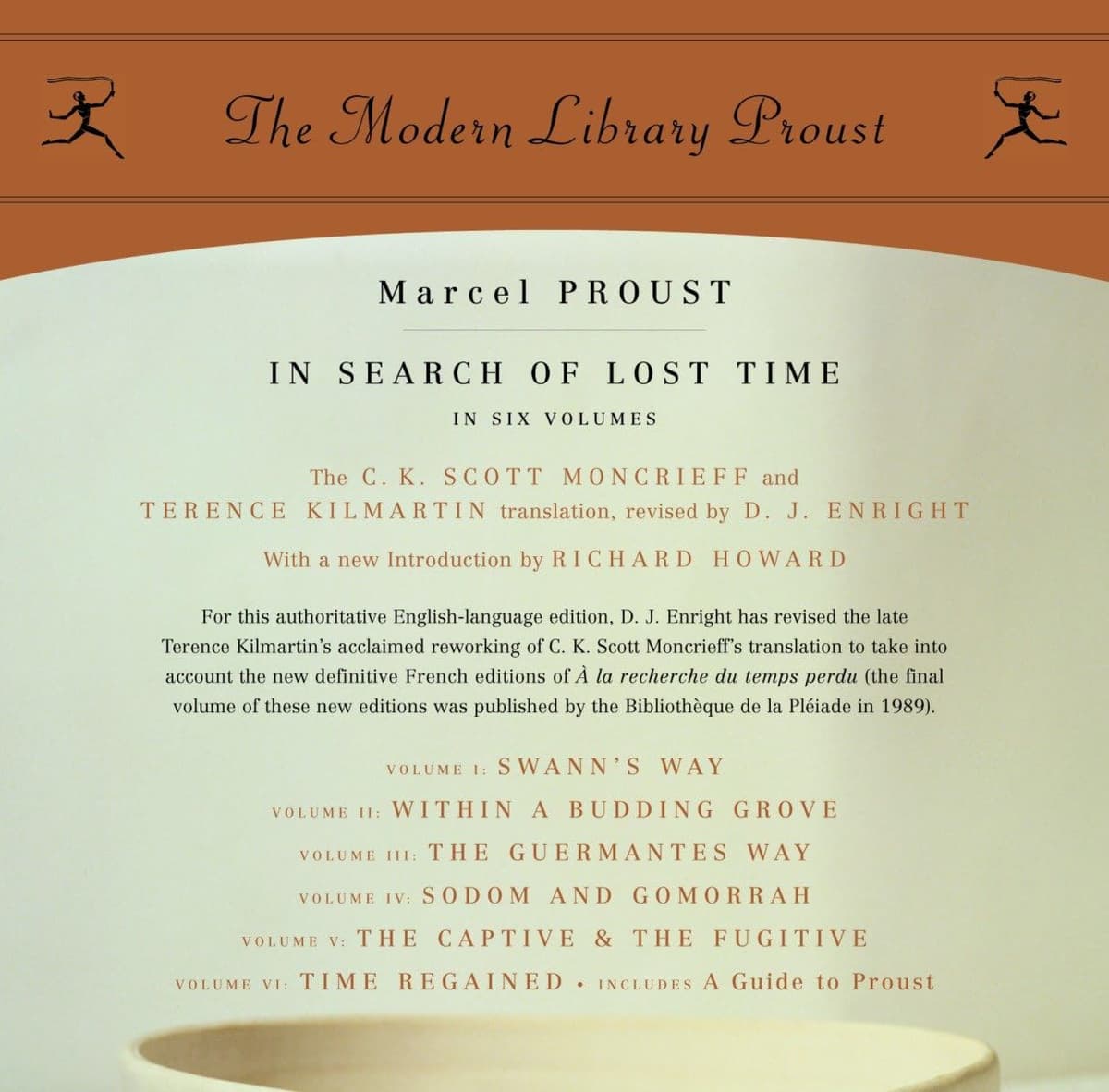 #2View Book
In Search of Lost Time
Marcel Proust
High•100+ hours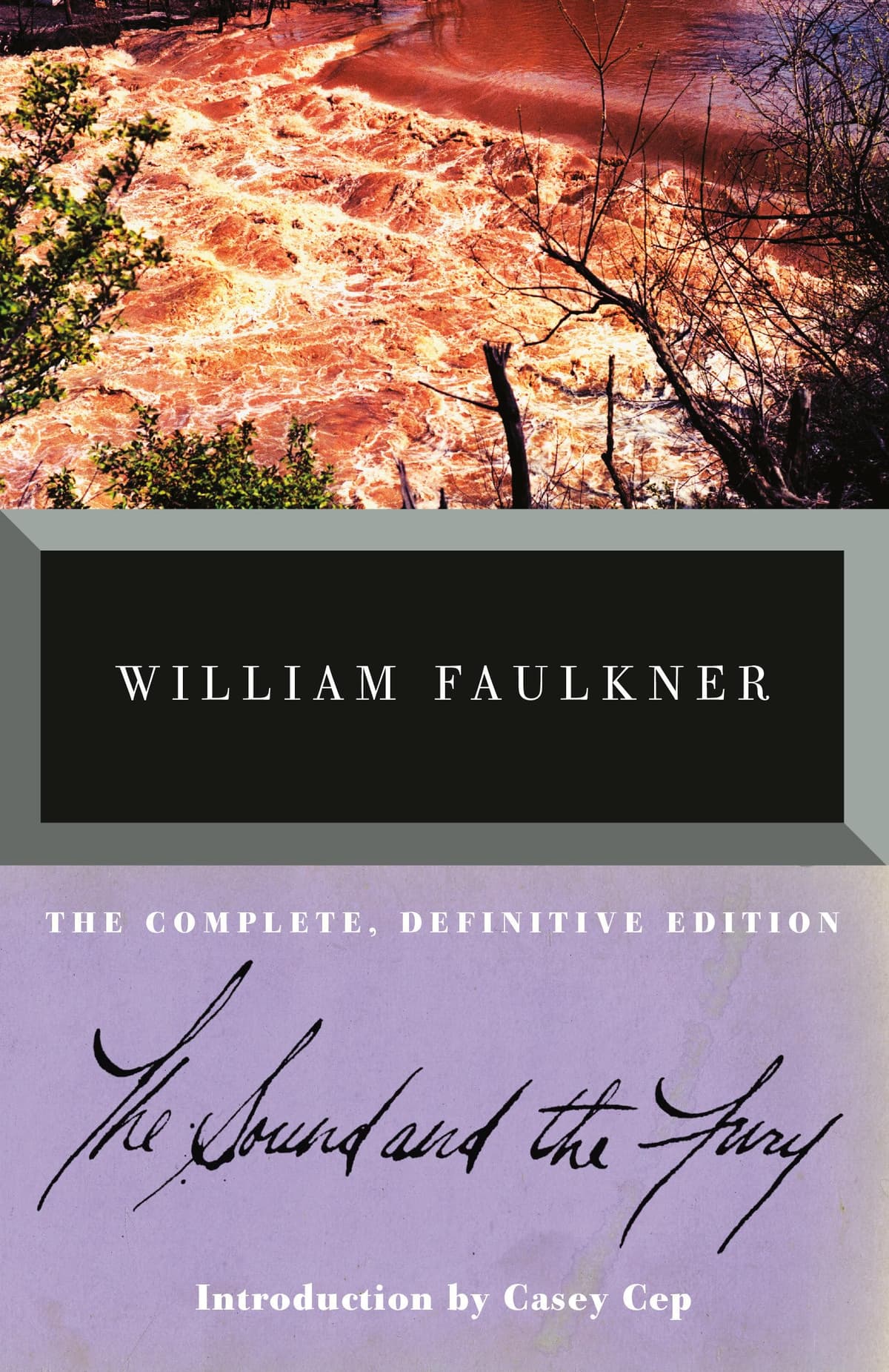 #8View Book
The Sound and the Fury
William Faulkner
Very High•12-15 hours #13View Book
Lolita
Vladimir Nabokov
Challenging•12-15 hours
Browse more collections