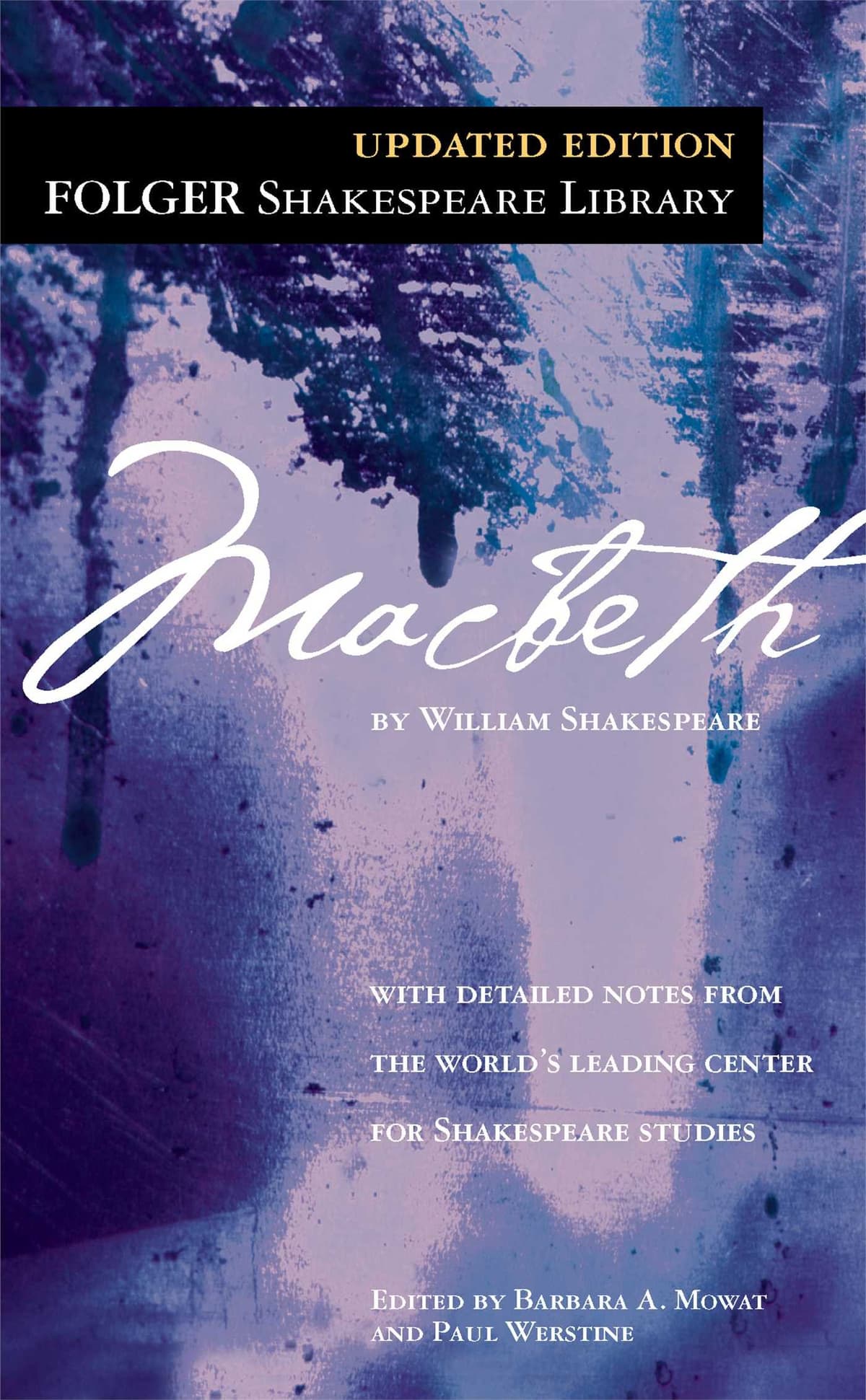
Macbeth
“Tomorrow, and tomorrow, and tomorrow, creeps in this petty pace from day to day, to the last syllable of recorded time; and all our yesterdays have lighted fools the way to dusty death.”
Macbeth Summary
A Scottish general, returning from battle, meets three witches on a heath. They hail him as Thane of Glamis, Thane of Cawdor, and king hereafter. The first two titles prove true almost immediately—and with that, Macbeth's mind ignites. Goaded by his wife, Lady Macbeth, whose ambition burns even fiercer than his own, he murders King Duncan in his sleep, seizes the throne, and discovers that the crown he has killed for brings not triumph but a spiraling descent into paranoia, tyranny, and madness. Each murder demands another; each attempt to secure power only hastens its destruction.
Shakespeare's shortest and most relentless tragedy unfolds at a nightmare's pace—compressed, airless, driven by a momentum that feels less like plot than like falling. The play's language is among Shakespeare's darkest and most imagistically violent: blood that will not wash from hands, a dagger that floats in air, the howl of a man who has "supp'd full with horrors." Lady Macbeth's sleepwalking scene and Macbeth's "Tomorrow and tomorrow and tomorrow" soliloquy are pinnacles of dramatic writing—moments where the human capacity for guilt and despair reaches its most eloquent expression. Macbeth is a play about the catastrophe of ambition unmoored from conscience, and its vision of power as a force that devours those who grasp it has lost none of its ferocity in four hundred years.
Why Read Macbeth?
Macbeth is Shakespeare at his most visceral and concentrated. At barely seventeen thousand words, it wastes nothing—every scene, every image, every line drives toward catastrophe with the inevitability of a blade descending. You will feel the chill of the heath, the horror of the murder, the suffocating claustrophobia of a mind that has crossed a moral boundary from which there is no return. No other work of literature captures the psychology of guilt with such terrifying precision.
The play endures because its subject is universal. Macbeth is not a monster; he is a brave and imaginative man who makes a single catastrophic choice and then watches as that choice devours everything he values. Shakespeare understood that the worst evil comes not from villains but from ordinary ambition left unchecked—and that understanding speaks to every age, every boardroom, every political arena. You do not need to love Shakespeare to be shattered by Macbeth; you need only be human.
About William Shakespeare
William Shakespeare (1564–1616) was born in Stratford-upon-Avon, England, the son of a glove maker and alderman. He married Anne Hathaway at eighteen, moved to London, and by the 1590s had established himself as the leading playwright of his age and a part-owner of the Globe Theatre. He wrote approximately thirty-seven plays, one hundred fifty-four sonnets, and several longer poems during a career that spanned roughly two decades, working as both actor and dramatist for the Lord Chamberlain's Men, later the King's Men.
Shakespeare's influence on the English language and on world literature is beyond measure. He invented over seventeen hundred words, created some of the most complex characters in dramatic history—Hamlet, Lear, Othello, Falstaff, Cleopatra—and explored the full range of human experience from comedy to tragedy with unmatched depth and psychological acuity. He retired to Stratford around 1613, where he died three years later. His works have been translated into every major language, performed more often than those of any other playwright, and remain the bedrock of the Western literary canon.
Reading Guide
Ranked #155 among the greatest books of all time, Macbeth by William Shakespeare has earned its place in the literary canon. Originally written in English and published in 1606, this moderate read from United Kingdom continues to resonate with readers today.
This book belongs to our Gothic & Dark and Philosophy & Faith collections, where you can discover more books that share its spirit and themes.
If you enjoy moderate reads like this one, you might also like One Hundred Years of Solitude, Nineteen Eighty-Four, or Wuthering Heights.
From the Gothic & Dark Collection
If you enjoyed Macbeth, discover more masterpieces that share its spirit.
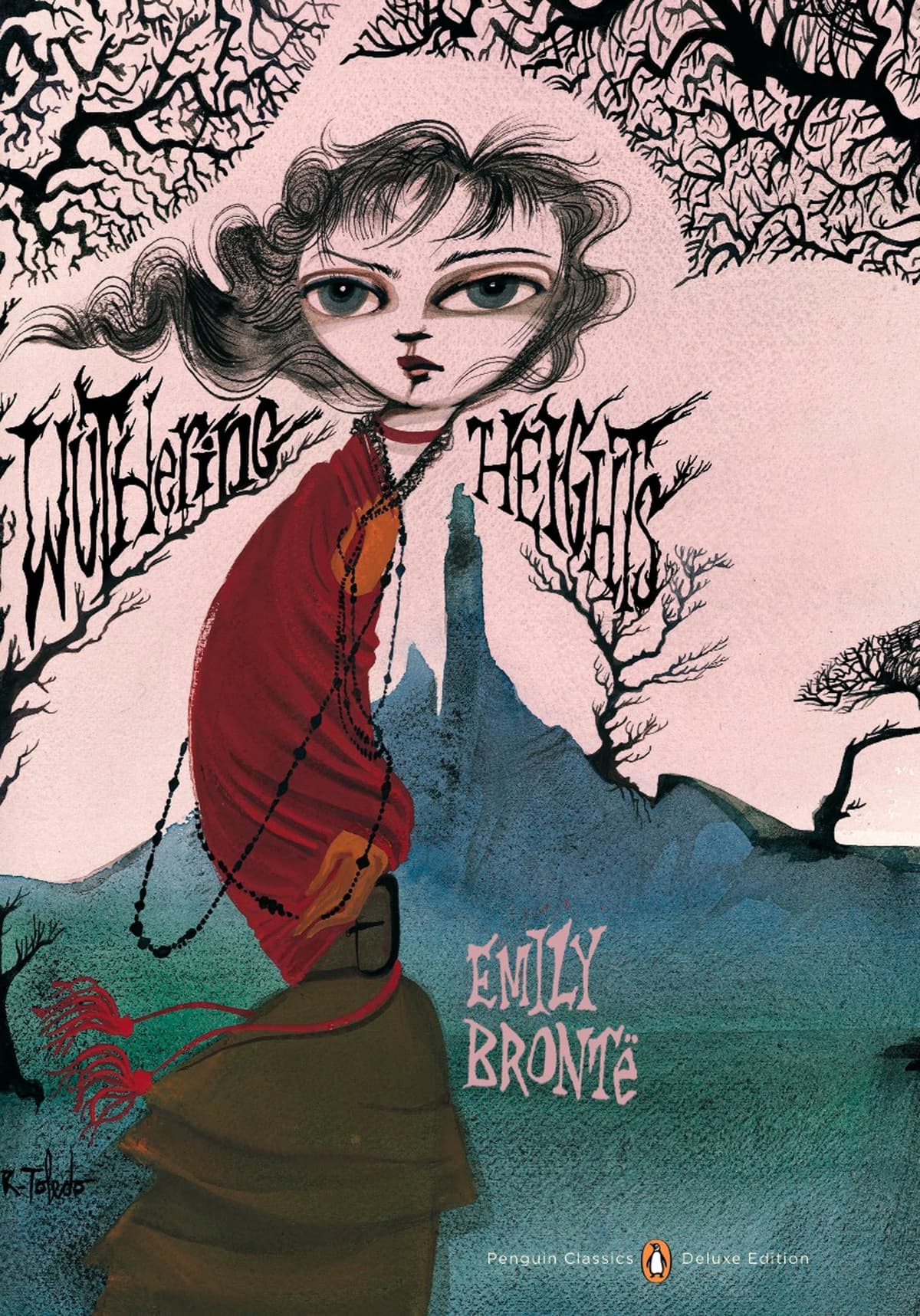 #15View Book
Wuthering Heights
Emily Brontë
Moderate•10-12 hours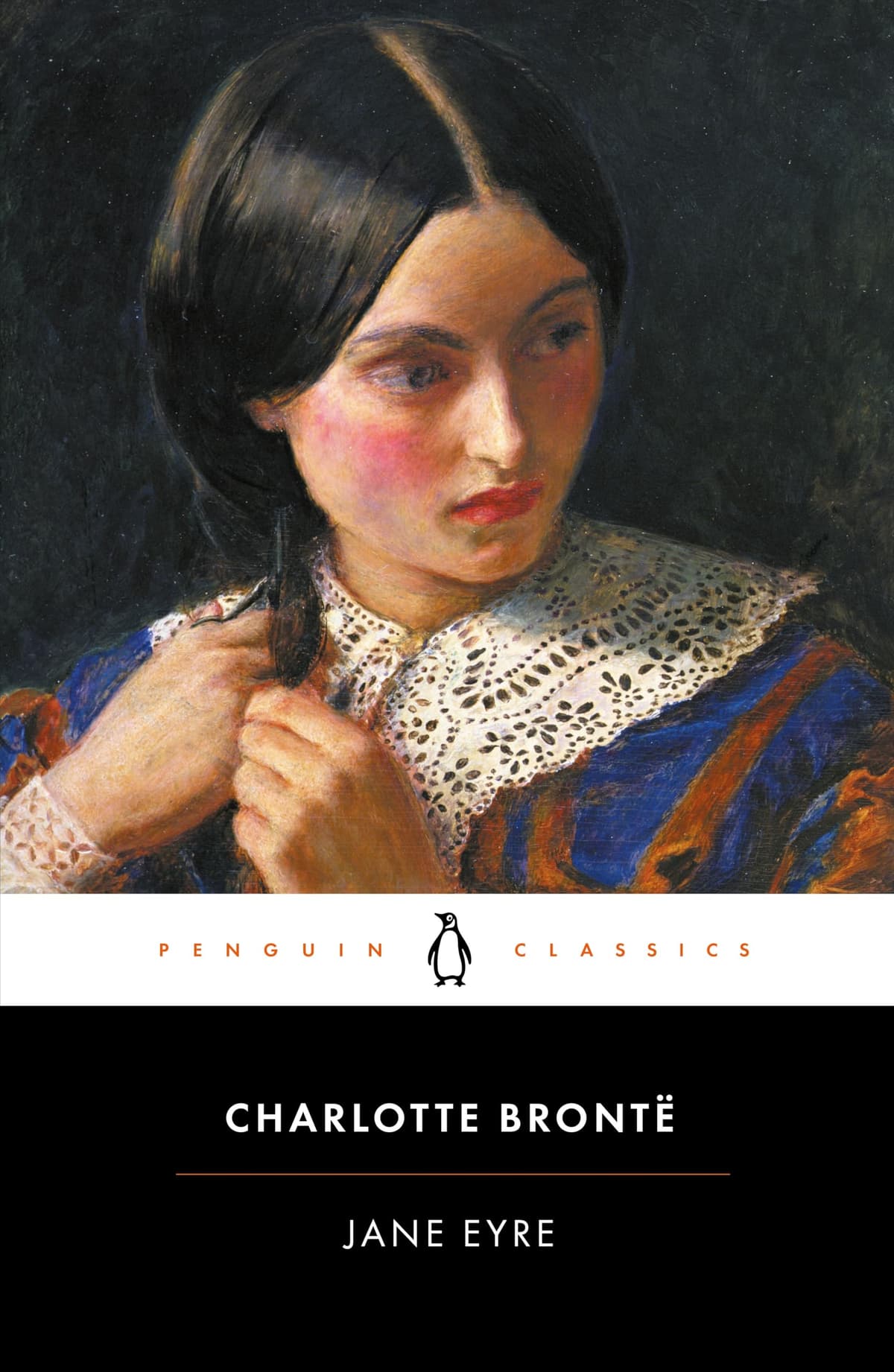 #29View Book
Jane Eyre
Charlotte Brontë
Accessible•15-20 hours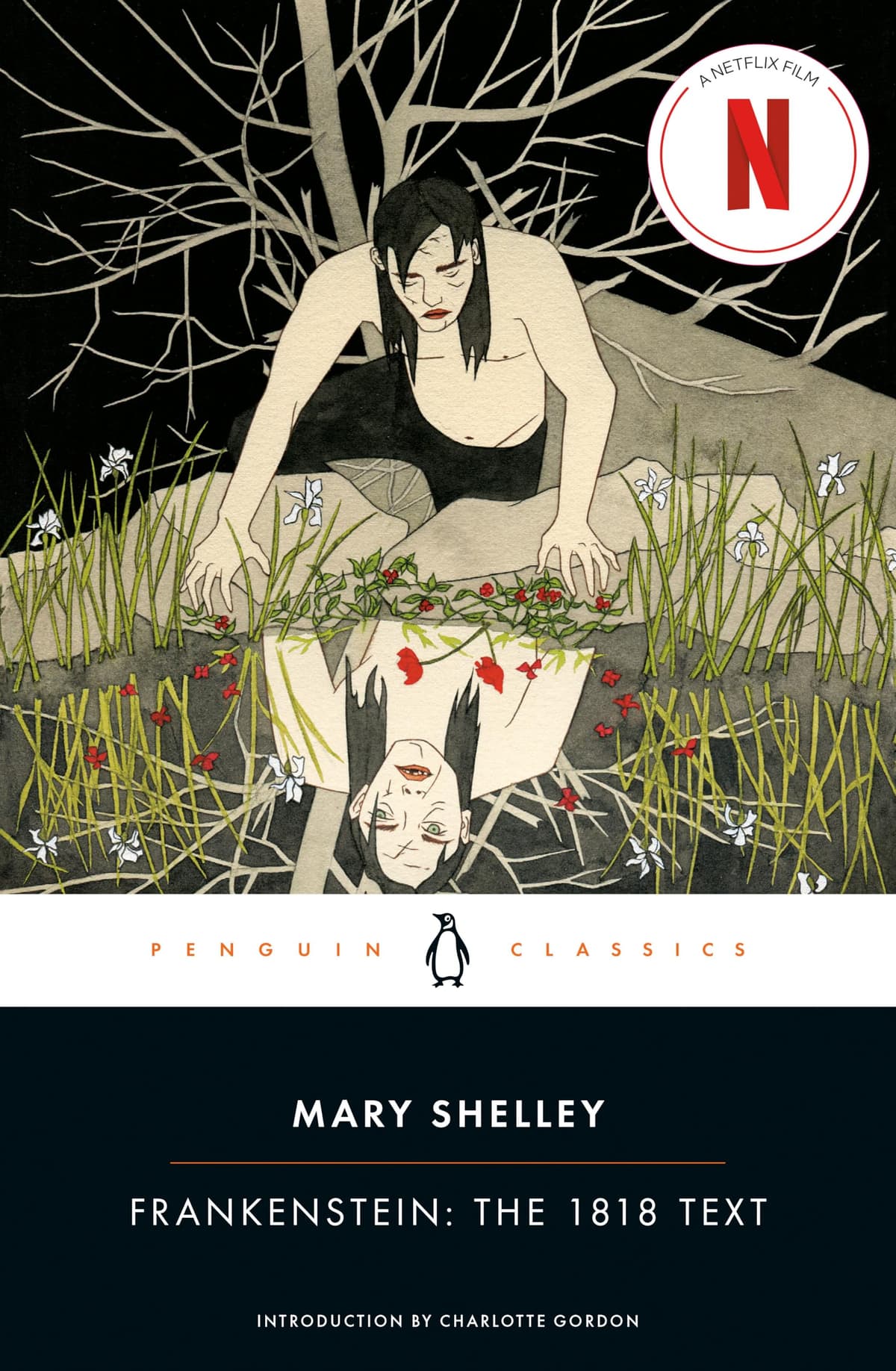 #41View Book
Frankenstein
Mary Shelley
Accessible•6-8 hours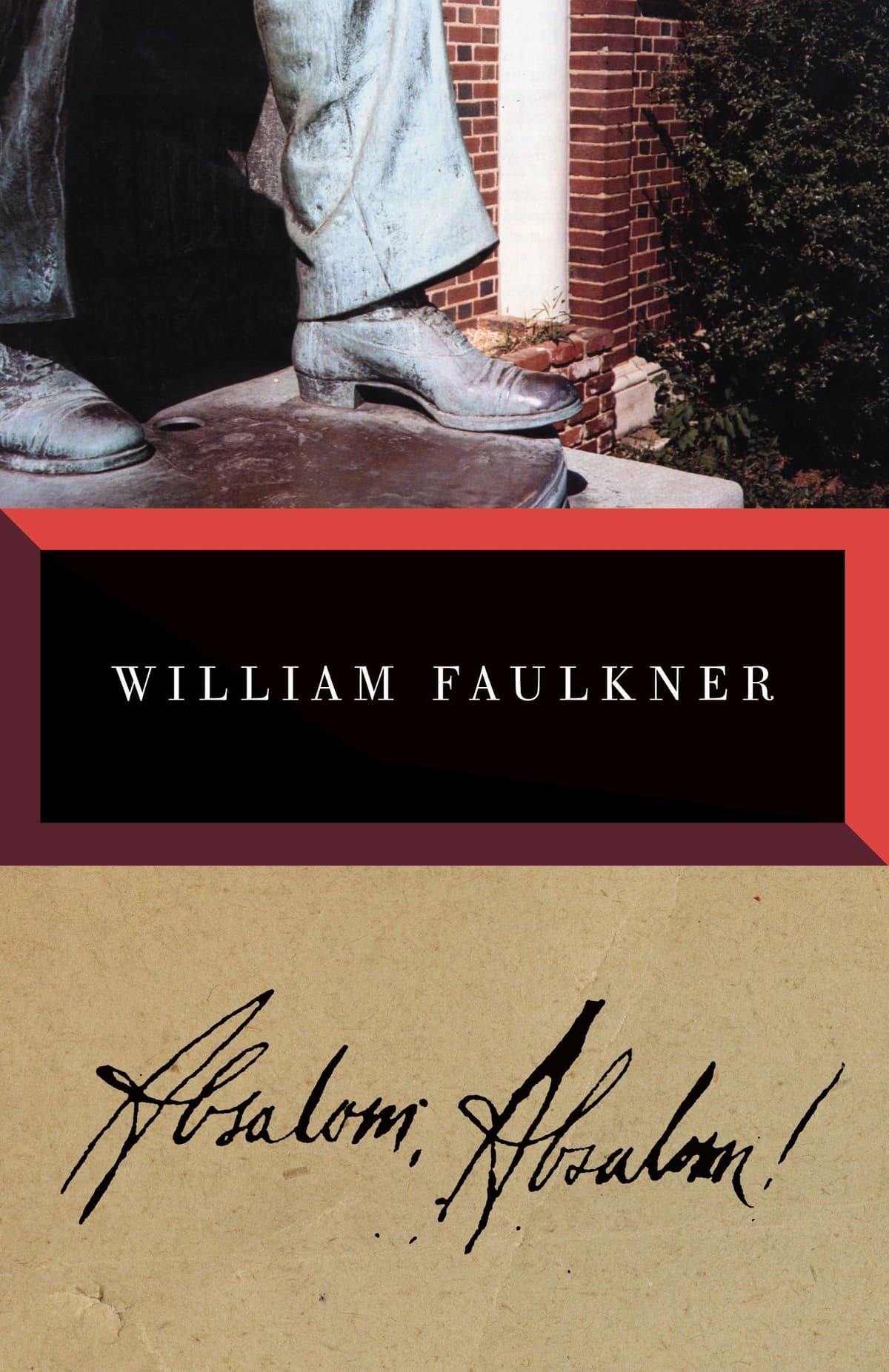 #44View Book
Absalom, Absalom!
William Faulkner
Very High•12-15 hours
Browse more collections