The Daughter of Time
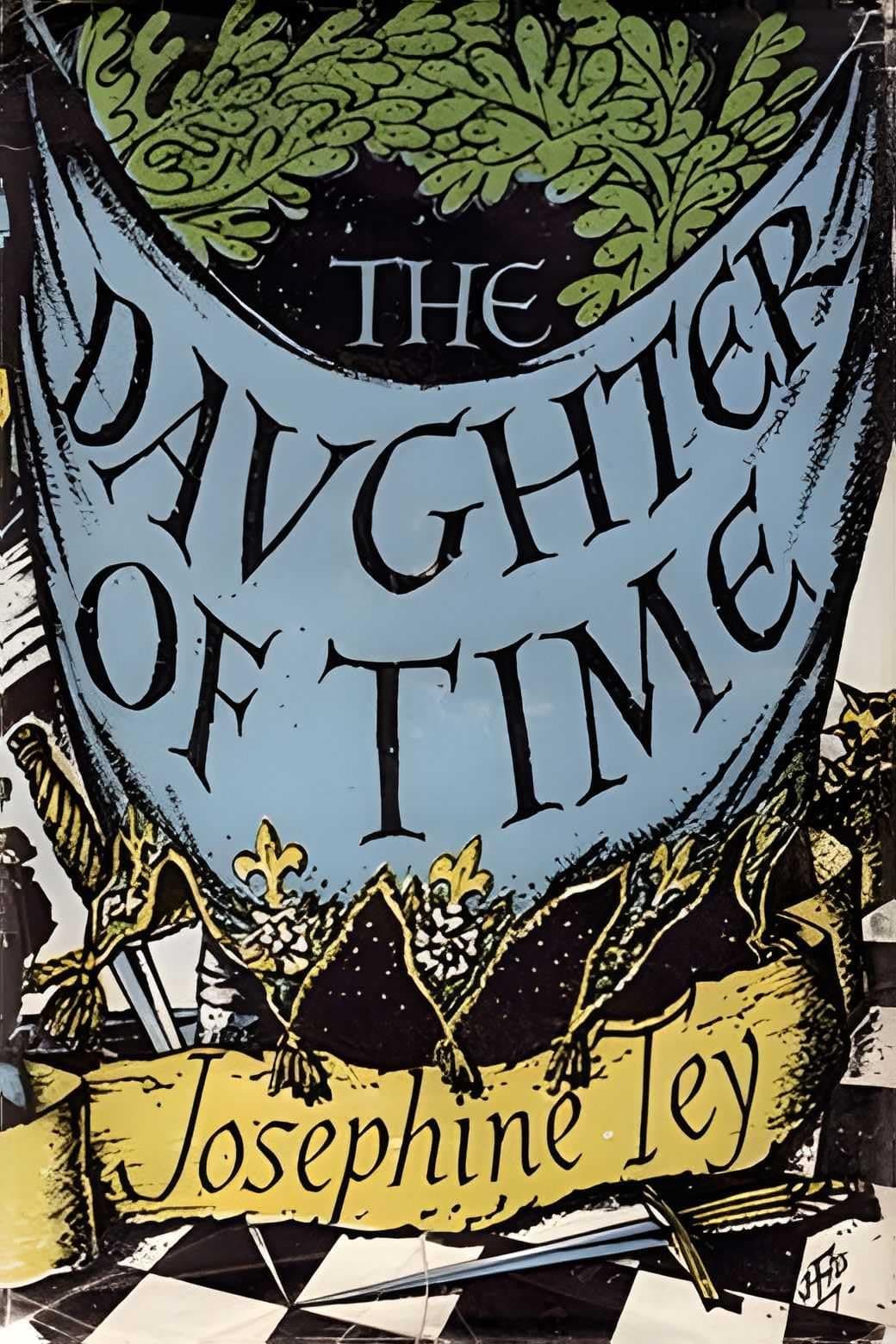
“Truth is the daughter of time, not of authority.”
The Daughter of Time Summary
The Daughter of Time begins with Inspector Alan Grant of Scotland Yard lying in a hospital bed, bored nearly to madness by convalescence. A friend brings him a collection of historical portraits to pass the time, and one face arrests his attention: Richard III of England, the monarch whom history has branded a child-murdering tyrant. Grant, a man trained to read faces, sees not villainy but intelligence, authority, and worry. Unable to reconcile the portrait with the legend, he enlists a young American researcher named Brent Carradine to help him investigate the fifteenth-century case of the Princes in the Tower—the two young sons of Edward IV whom Richard allegedly had murdered to secure his throne. From his hospital bed, Grant applies the methods of a modern detective to the historical evidence, sifting through contemporary chronicles, examining motives and opportunities, and gradually building a case that the Tudor version of events, immortalized by Shakespeare and Sir Thomas More, is an elaborate piece of political propaganda.
Josephine Tey's ingenious novel is a detective story in which the crime is five hundred years old and the murder scene is a library. It is also a deeply engaging meditation on how history is written, how propaganda becomes accepted truth, and how the stories told by the victors shape our understanding of the past. Tey's prose is witty, her dialogue sharp, and her central argument—that Richard III was framed by the Tudor dynasty—anticipates the historical revisionism that would later gain mainstream academic support. The Daughter of Time was voted the greatest mystery novel of all time by the Crime Writers' Association in 1990, a testament to its enduring power to make readers question everything they thought they knew about the past.
Why Read The Daughter of Time?
The Daughter of Time will make you distrust everything you learned in history class, and you will thank it for doing so. Josephine Tey takes a premise that sounds almost absurd—a bedridden detective investigating a five-hundred-year-old murder using only books and his own instinct—and transforms it into one of the most compelling mysteries ever written. As Inspector Grant peels back layer after layer of Tudor propaganda, you will feel the genuine shock of discovering that the history you accepted as fact may be nothing more than the lies of the winning side. The novel is a masterclass in logical reasoning, but its deeper pleasure is the thrill of watching received wisdom crumble before careful scrutiny.
Beyond the specific case of Richard III, this novel asks questions that could not be more relevant today: How do we know what we think we know? Who writes the narratives that become history? How easily can propaganda, repeated often enough, become indistinguishable from truth? Tey writes with a wit and lightness that makes these weighty questions feel like entertainment, and Inspector Grant's wry personality makes him the perfect guide through the labyrinth of historical evidence. This is essential reading for anyone who loves mysteries, history, or the simple pleasure of having their assumptions demolished.
About Josephine Tey
Josephine Tey was the pen name of Elizabeth Mackintosh, born in 1896 in Inverness, Scotland. She trained as a physical education teacher at the Anstey Physical Training College in Birmingham and taught briefly before returning home to care for her father after her mother's death. She began writing plays under the name Gordon Daviot, achieving considerable success with Richard of Bordeaux, which ran for over a year in London's West End in 1932 starring John Gielgud. She led a famously private life, rarely granting interviews and shunning literary circles.
Under the name Josephine Tey, she wrote eight detective novels, most featuring Inspector Alan Grant of Scotland Yard, including The Franchise Affair, Brat Farrar, and The Daughter of Time. Her mysteries are distinguished by their psychological subtlety, their elegant prose, and their willingness to subvert genre conventions—The Daughter of Time contains no murder scene, no chase, and no physical danger, yet it was voted the greatest mystery novel ever written by the Crime Writers' Association. Tey died of liver cancer in 1952, having kept her illness secret even from close friends. She left her entire estate to the National Trust. Her small but brilliant body of work continues to be read and admired, a testament to a writer who proved that intelligence and craft matter more than formula.
Reading Guide
Ranked #403 among the greatest books of all time, The Daughter of Time by Josephine Tey has earned its place in the literary canon. Originally written in English and published in 1951, this accessible read from United Kingdom continues to resonate with readers today.
This book belongs to our Society & Satire collection, where you can discover more books that share its spirit and themes.
If you enjoy accessible reads like this one, you might also like The Great Gatsby, The Catcher in the Rye, or Pride and Prejudice.
From the Society & Satire Collection
If you enjoyed The Daughter of Time, discover more masterpieces that share its spirit.
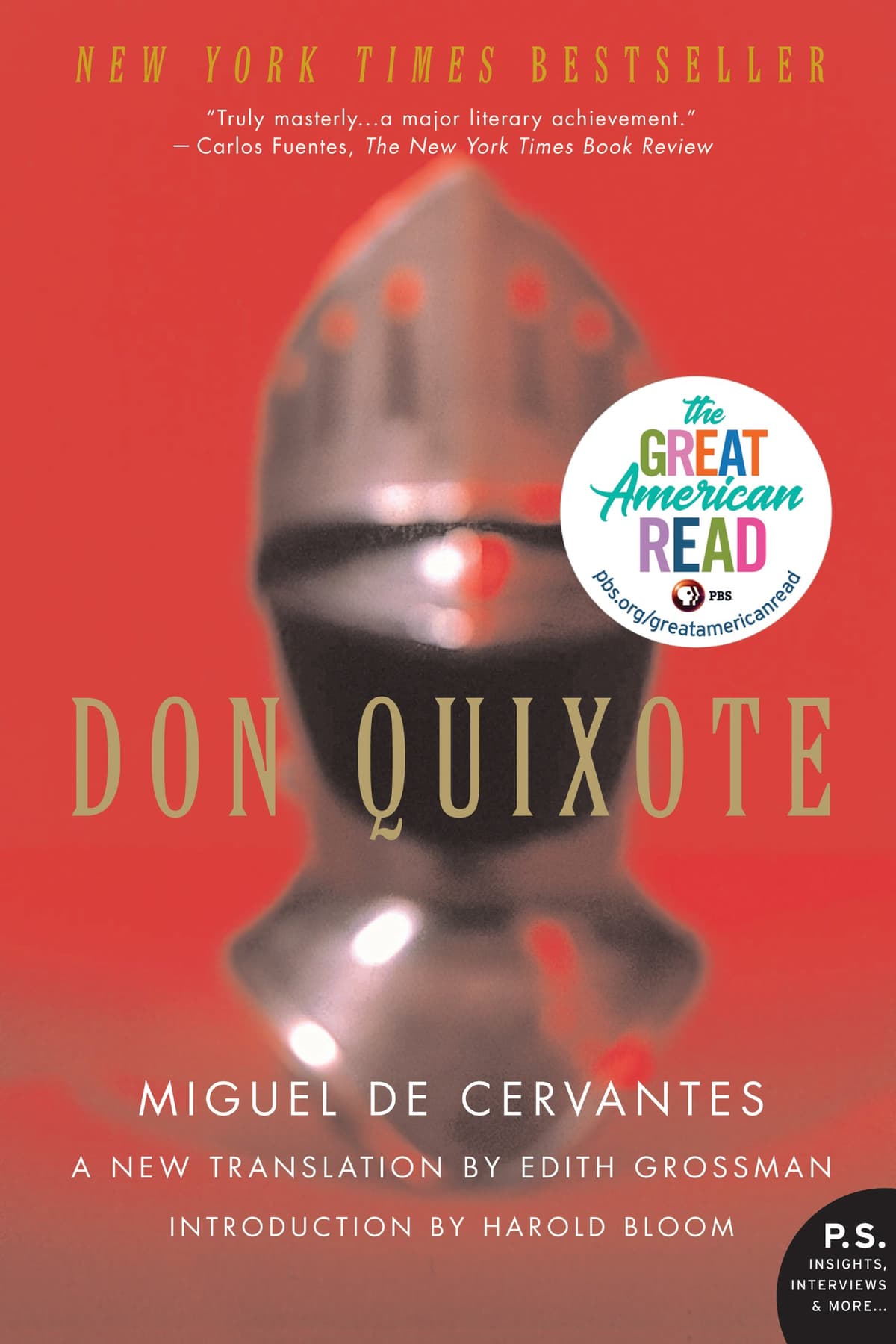 #9View Book
Don Quixote
Miguel de Cervantes
High•35-40 hours #12View Book
Pride and Prejudice
Jane Austen
Accessible•10-12 hours #22View Book
Madame Bovary
Gustave Flaubert
Moderate•12-15 hours #30View Book
Middlemarch
George Eliot
High•30-35 hours
Browse more collections