Labyrinths
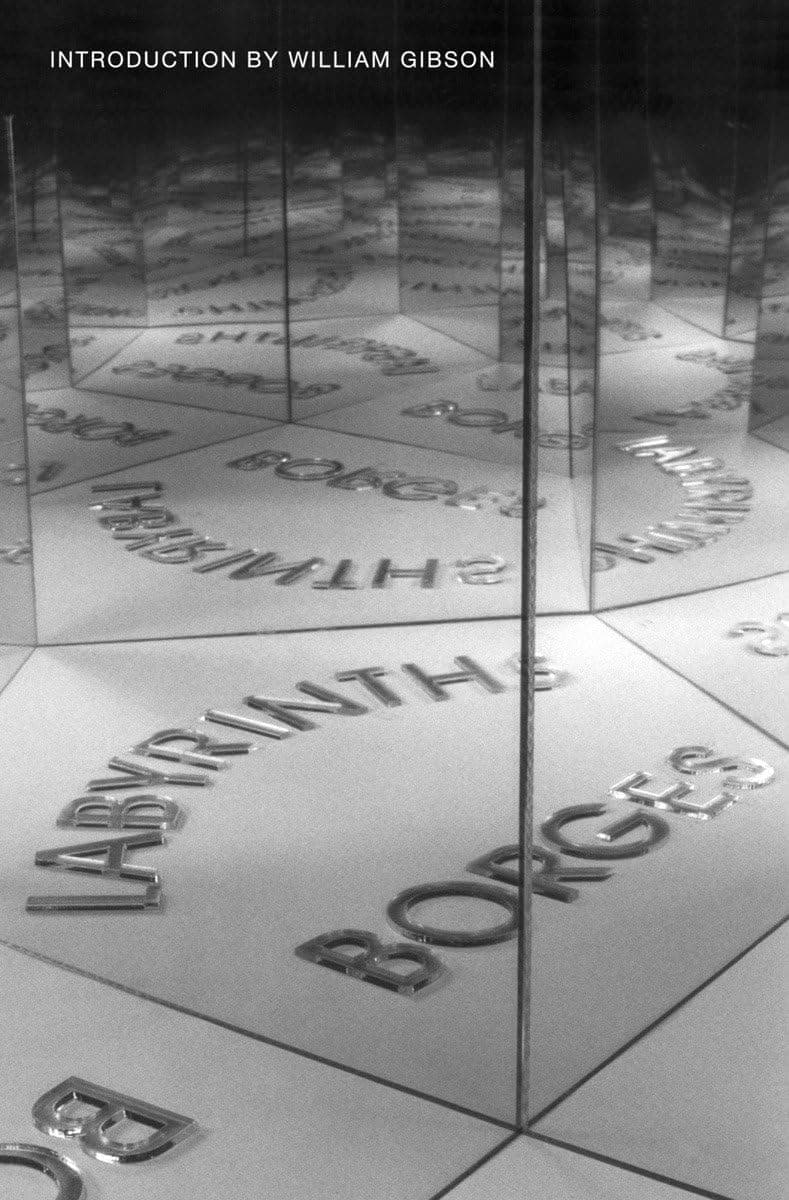
“The universe (which others call the Library) is composed of an indefinite, perhaps infinite number of hexagonal galleries.”
Labyrinths Summary
Labyrinths collects the most celebrated stories, essays, and parables of Jorge Luis Borges, presenting a body of work that reimagines the possibilities of fiction itself. In "The Library of Babel," the universe takes the form of an infinite library containing every possible book. "The Garden of Forking Paths" envisions a novel that is also a labyrinth in which all possible outcomes of an event occur simultaneously. "Tlön, Uqbar, Orbis Tertius" describes the gradual intrusion of an invented world into reality. "Pierre Menard, Author of the Quixote" considers a writer who recreates Don Quixote word for word—and produces a radically different text. "The Circular Ruins" follows a man who dreams another man into existence, only to discover that he himself is a dream. Each story is a crystalline thought experiment, rarely longer than a few pages, that opens onto vertiginous metaphysical depths.
Borges' fiction operates at the intersection of philosophy, mathematics, theology, and literature, treating ideas themselves as the raw material of narrative. His stories collapse the distinction between the real and the imaginary, between the author and the reader, between the map and the territory. Labyrinths is the single most important gateway to Borges' work in English, and its influence on world literature is incalculable: without Borges, there would be no magical realism as we know it, no postmodern metafiction, no Umberto Eco or Italo Calvino or Thomas Pynchon in quite the forms they took. These miniature masterpieces demonstrate that a story of five pages can contain more intellectual daring and imaginative power than most novels of five hundred.
Why Read Labyrinths?
Reading Borges for the first time is one of the great intellectual adventures available in literature. Each story in Labyrinths is a puzzle box that, once opened, reveals that reality itself is the puzzle. In the space of a few pages, Borges will make you question the nature of time, identity, authorship, and the universe—not through abstract argument but through fictions so vivid and ingeniously constructed that they feel more real than reality. His stories have the compression and inevitability of mathematical proofs, yet they are also playful, witty, and deeply humane.
This collection is one of those rare works that genuinely changes how you think. After reading "The Library of Babel," you will never see a library the same way. After "The Garden of Forking Paths," the concept of time becomes richer and stranger. Borges demonstrates that fiction at its best is not an escape from ideas but the most powerful way of exploring them. His influence runs through virtually every important writer of the past sixty years, and understanding his work is essential to understanding the trajectory of modern literature. Labyrinths is the ideal starting point: compact, brilliantly curated, and endlessly rewarding on rereading.
About Jorge Luis Borges
Jorge Luis Borges was born in 1899 in Buenos Aires, Argentina, into a cultured family with English and Spanish roots. He spent his formative years in Geneva and Spain before returning to Buenos Aires, where he became a leading figure in the Argentine literary avant-garde. Despite publishing poetry and essays throughout the 1920s and 1930s, his international reputation rests primarily on the stories he began writing in the late 1930s and 1940s, collected in volumes such as Ficciones and El Aleph. He worked as a librarian for much of his life, and after the fall of Perón was appointed director of the Argentine National Library—a position of bitter irony, as his eyesight had been failing for years and he was by then nearly blind.
Borges is widely regarded as one of the most influential writers of the twentieth century. His stories—compact, erudite, vertiginous—essentially invented literary postmodernism and profoundly shaped magical realism, metafiction, and speculative fiction. He received numerous international honors, including the Prix International and the Jerusalem Prize, though the Nobel Prize in Literature famously eluded him, reportedly due to political considerations. He died in 1986 in Geneva. His legacy is paradoxical: a writer of miniatures whose influence is vast, a blind librarian who saw further into the nature of reality than almost any other artist of his age.
Reading Guide
Ranked #301 among the greatest books of all time, Labyrinths by Jorge Luis Borges has earned its place in the literary canon. Originally written in Spanish and published in 1962, this challenging read from Argentina continues to resonate with readers today.
This book belongs to our Magical Realism and Philosophy & Faith collections, where you can discover more books that share its spirit and themes.
If you enjoy challenging reads like this one, you might also like Ulysses, Moby-Dick, or Lolita.
From the Magical Realism Collection
If you enjoyed Labyrinths, discover more masterpieces that share its spirit.
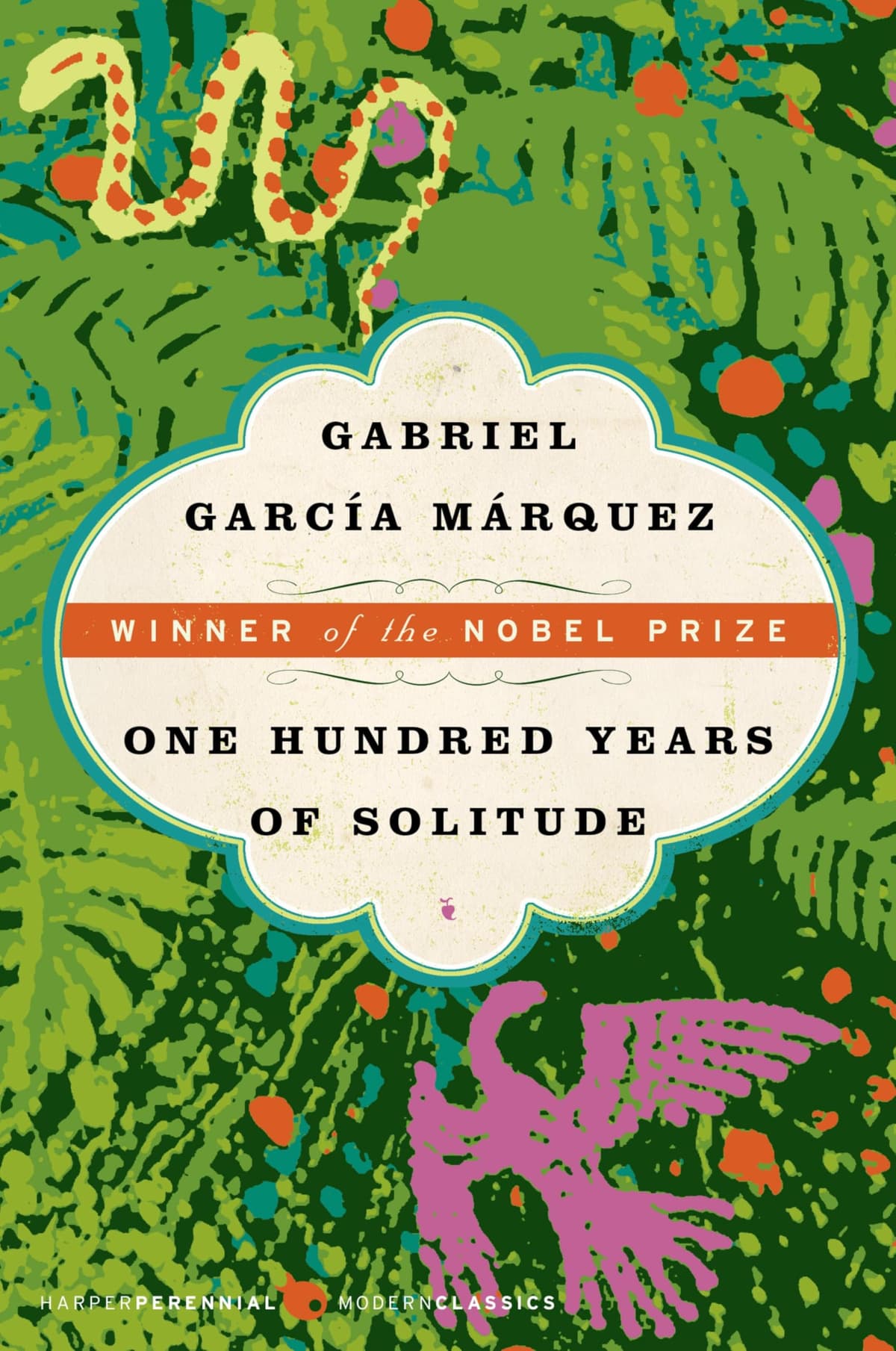 #5View Book
One Hundred Years of Solitude
Gabriel García Márquez
Moderate•15-20 hours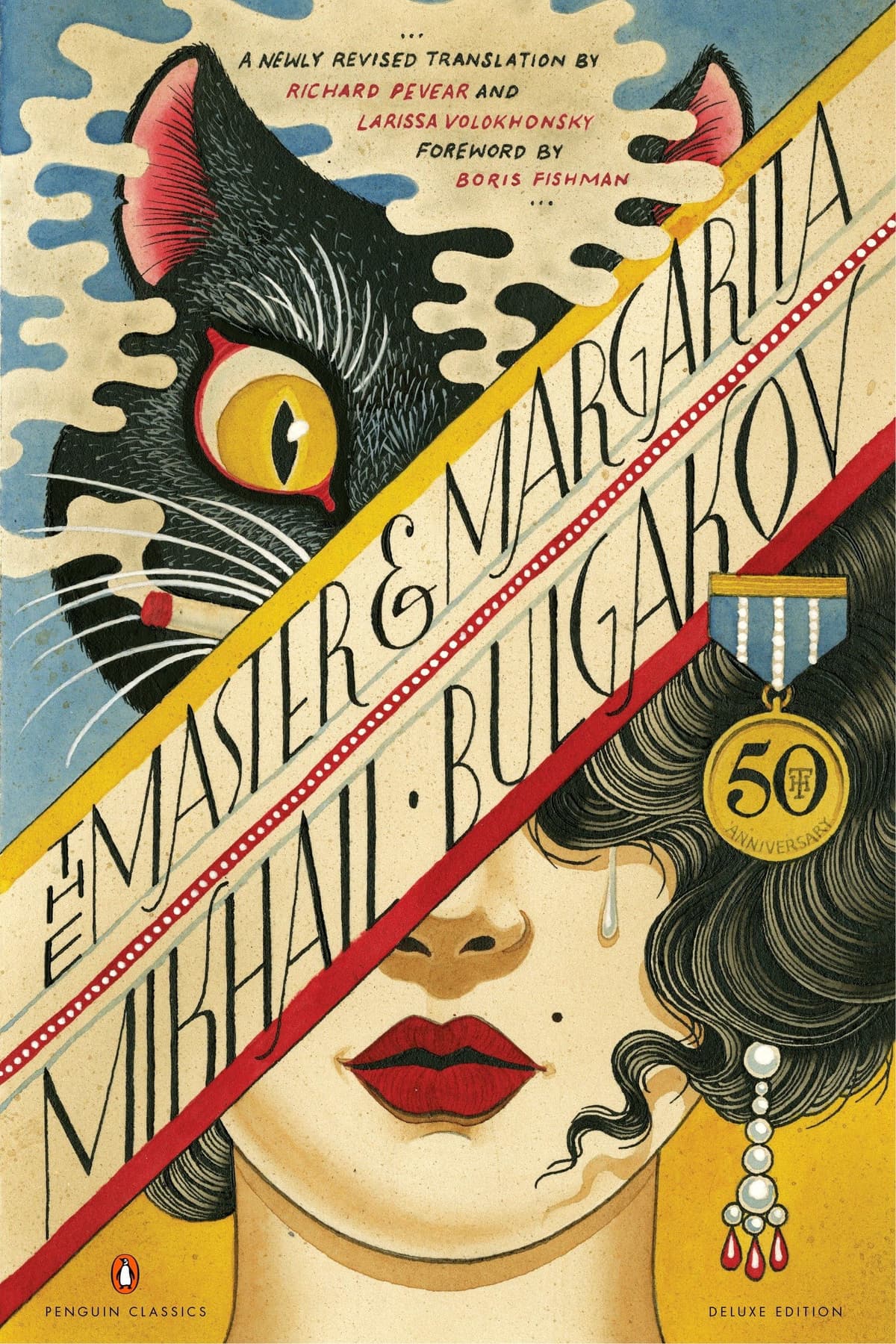 #34View Book
The Master and Margarita
Mikhail Bulgakov
Moderate•12-15 hours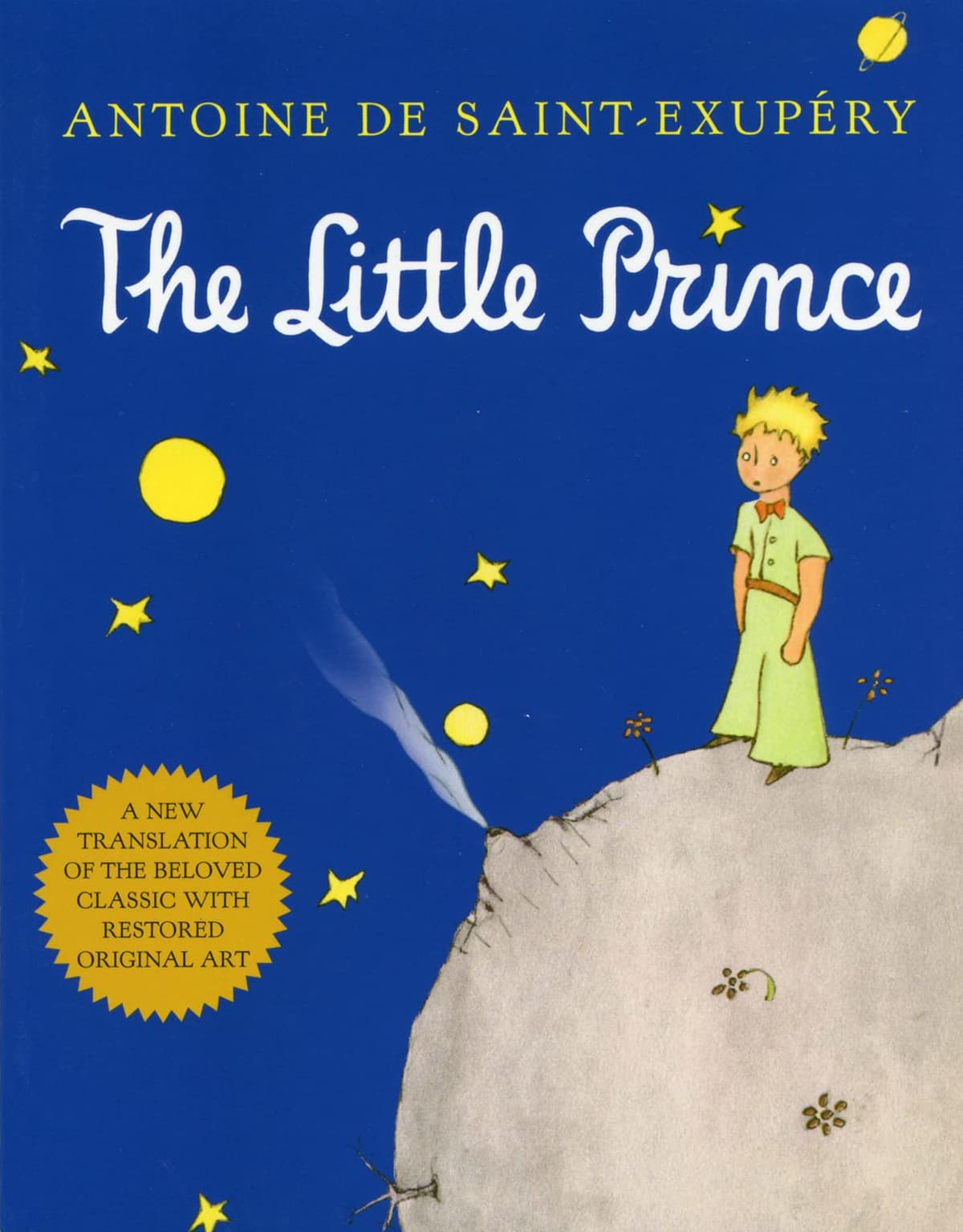 #43View Book
The Little Prince
Antoine de Saint-Exupéry
Accessible•1-2 hours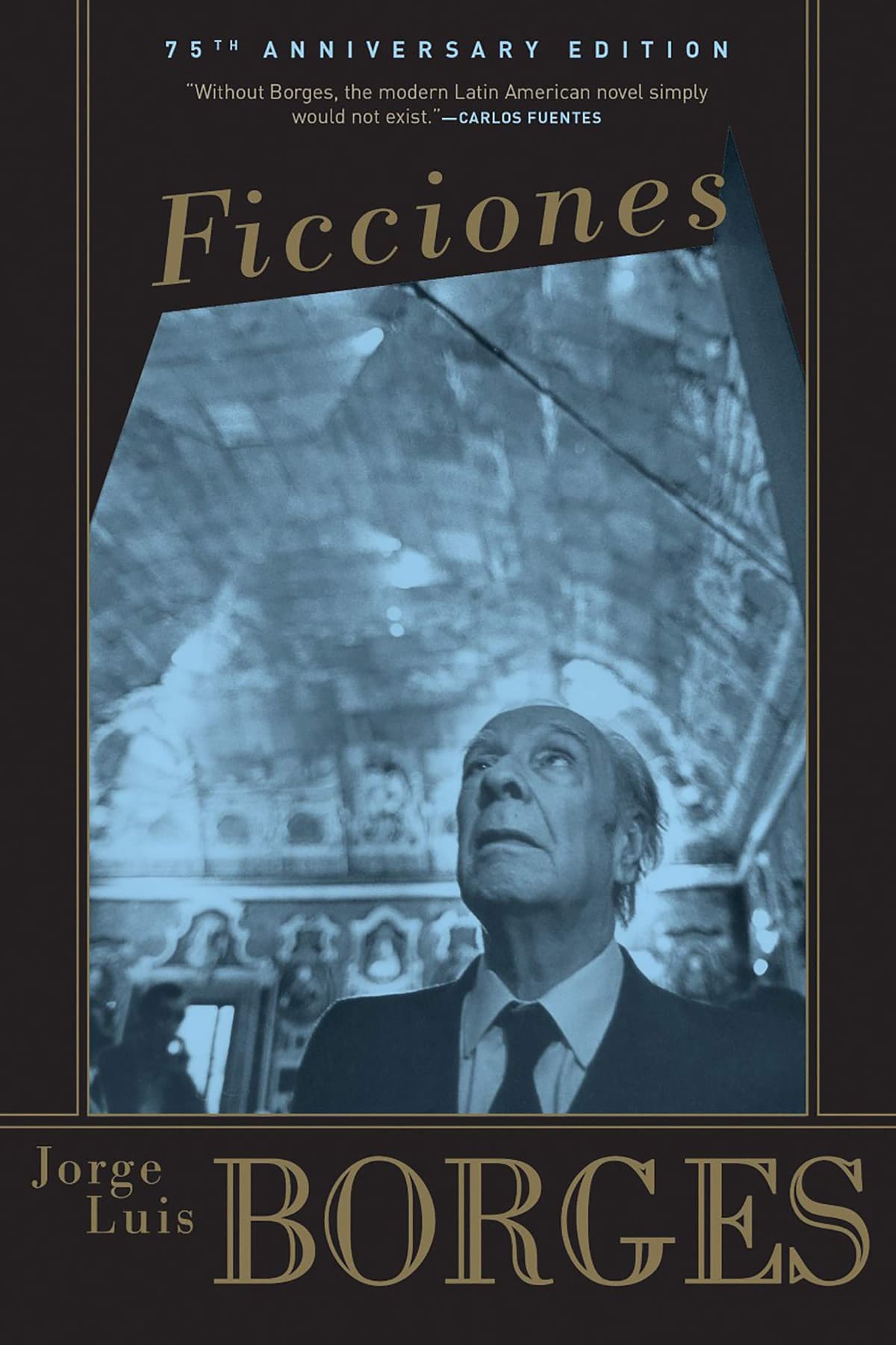 #45View Book
Fictions
Jorge Luis Borges
Challenging•6-8 hours
Browse more collections