Winesburg, Ohio
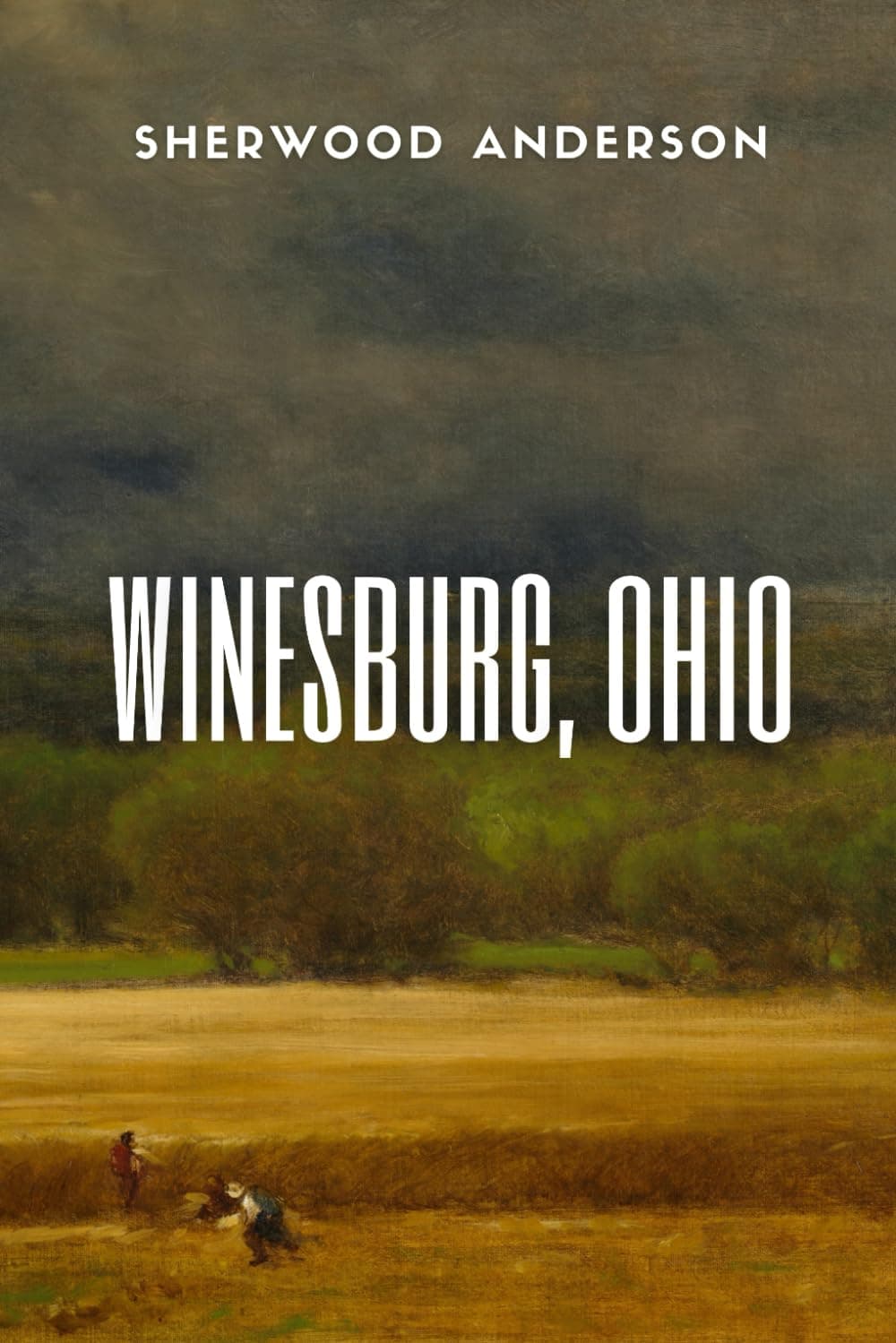
“Everyone in the world is Christ and they are all crucified.”
Winesburg, Ohio Summary
Winesburg, Ohio presents a series of interconnected stories set in a small fictional town in late nineteenth-century Ohio, each revealing the hidden inner life of one of its residents. A doctor harbors scraps of paper covered in truths he can never share. A schoolteacher is driven from town by unfounded suspicion. A minister peers through a hole in his study wall at a woman undressing, tormented by desires he cannot reconcile with his faith. A telegraph operator yearns for a connection he can never articulate. At the center stands George Willard, the young reporter for the Winesburg Eagle, who serves as confessor to these desperate souls, each of whom reaches out to him in the hope that he can somehow understand what they cannot say. The book ends with George boarding a train to leave Winesburg, carrying the weight of all their stories into the wider world.
Sherwood Anderson called these characters "grotesques," but the word in his usage means something precise and compassionate: each person has seized upon a single truth and made it the whole of their existence, distorting themselves in the process. Winesburg, Ohio is a revolutionary work of American fiction that broke decisively with the well-plotted short story tradition, replacing conventional narrative with moments of searing psychological revelation. Anderson's plain, rhythmic prose—influenced by Gertrude Stein and in turn deeply influential on Hemingway, Faulkner, and Carver—strips away ornament to expose the loneliness and longing at the core of small-town American life. The book is a founding text of literary modernism in America, and its portrait of isolation amid apparent community remains one of the most honest depictions of the human condition in American letters.
Why Read Winesburg, Ohio?
Winesburg, Ohio will change how you see the people around you. Anderson strips away the surfaces of ordinary small-town life to reveal the private agonies, unfulfilled desires, and desperate need for connection that simmer beneath every polite greeting and casual encounter. Each story is a small, perfect act of empathy—a window into a life that would otherwise remain invisible. The prose is deceptively simple, almost conversational, but its cumulative effect is devastating. By the time George Willard boards his train, you will feel that you have known an entire community in its most intimate and vulnerable moments.
This is one of those rare books that permanently alters your relationship with the world. After reading it, you cannot walk down a street or sit in a diner without wondering about the hidden lives of the people around you—the truths they carry, the words they cannot speak, the connections they desperately need but cannot make. Anderson invented a new form of American storytelling here, and his influence runs like an underground river through Hemingway, Faulkner, Carver, and virtually every writer who has tried to capture the poetry of ordinary American lives. It is short, it is beautiful, and it is essential.
About Sherwood Anderson
Sherwood Anderson was born in 1876 in Camden, Ohio, and grew up in the small town of Clyde, which served as the model for Winesburg. After serving in the Spanish-American War, he worked in advertising and managed a paint factory in Elyria, Ohio, before suffering a nervous breakdown in 1912 that led him to abandon business and dedicate himself to writing. Moving to Chicago, he became part of the literary renaissance that included Carl Sandburg, Ben Hecht, and Floyd Dell. Winesburg, Ohio, published in 1919, established him as a major American writer and a pioneer of modernist short fiction.
Anderson's influence on subsequent American literature far outstrips his own fame. Both Ernest Hemingway and William Faulkner acknowledged their profound debt to him—Faulkner called him "the father of my generation of American writers." Anderson championed plain, honest prose that sought to capture the rhythms of American speech and the interior lives of ordinary people. His other notable works include Poor White, The Triumph of the Egg, and the memoir A Story Teller's Story. He died in 1941 in Colon, Panama, after accidentally swallowing a toothpick at a cocktail party. Though his later works never matched the achievement of Winesburg, that single book secured his place as one of the most important and influential figures in American literary history.
Reading Guide
Ranked #300 among the greatest books of all time, Winesburg, Ohio by Sherwood Anderson has earned its place in the literary canon. Originally written in English and published in 1919, this moderate read from United States continues to resonate with readers today.
This book belongs to our American Spirit and Society & Satire collections, where you can discover more books that share its spirit and themes.
If you enjoy moderate reads like this one, you might also like One Hundred Years of Solitude, Nineteen Eighty-Four, or Wuthering Heights.
From the American Spirit Collection
If you enjoyed Winesburg, Ohio, discover more masterpieces that share its spirit.
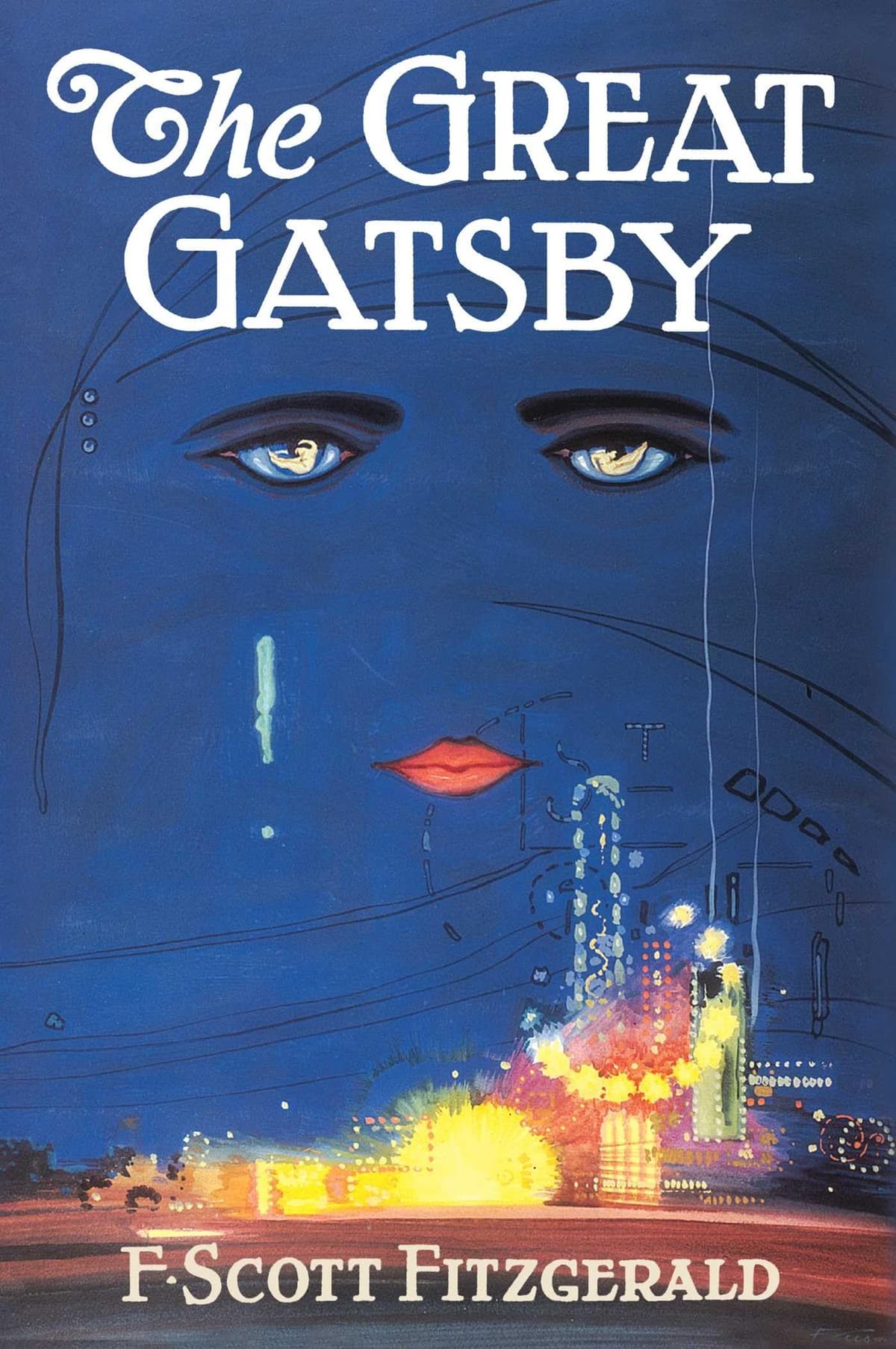 #3View Book
The Great Gatsby
F. Scott Fitzgerald
Accessible•5-6 hours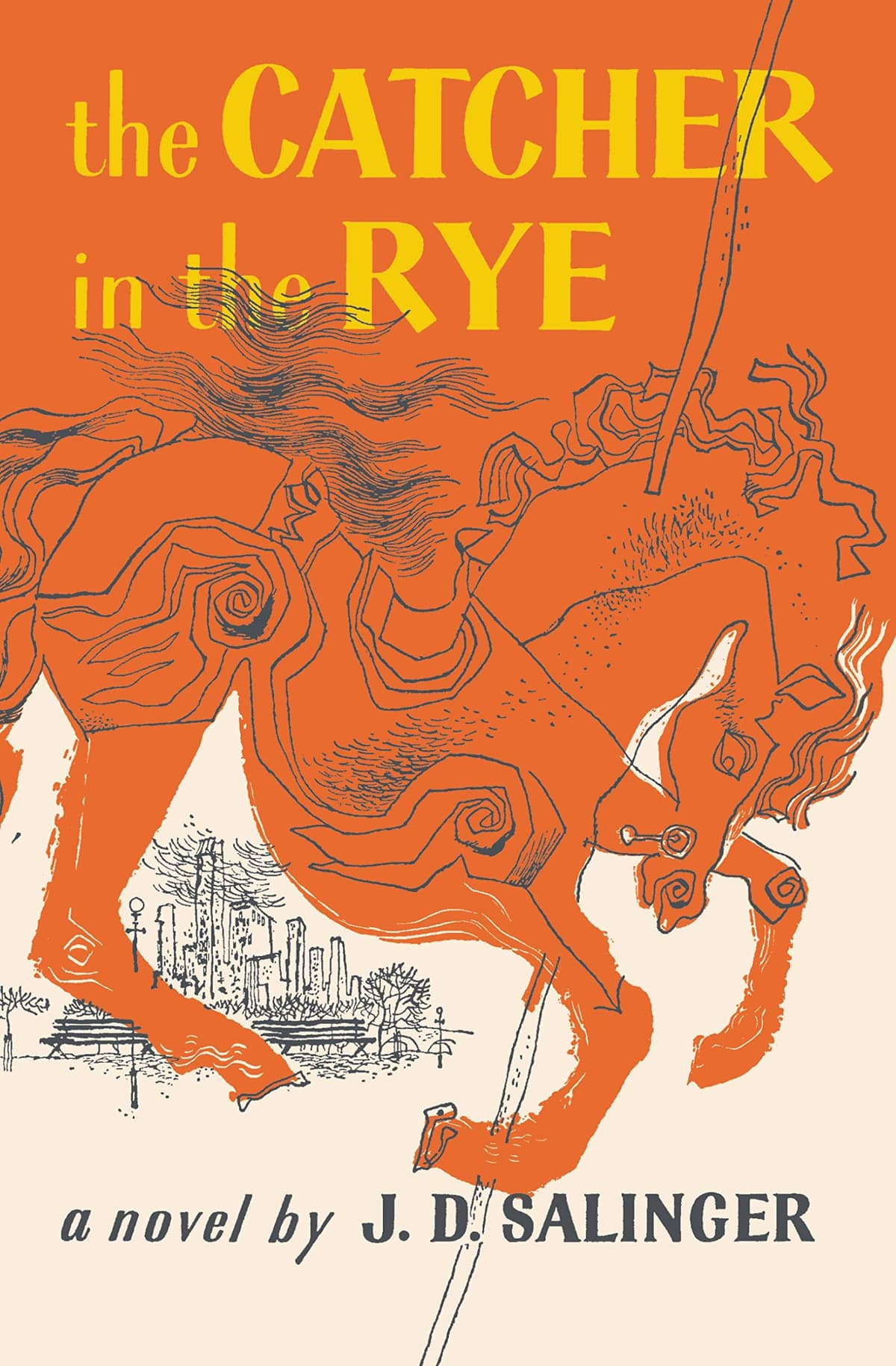 #4View Book
The Catcher in the Rye
J. D. Salinger
Accessible•6-8 hours #13View Book
Lolita
Vladimir Nabokov
Challenging•12-15 hours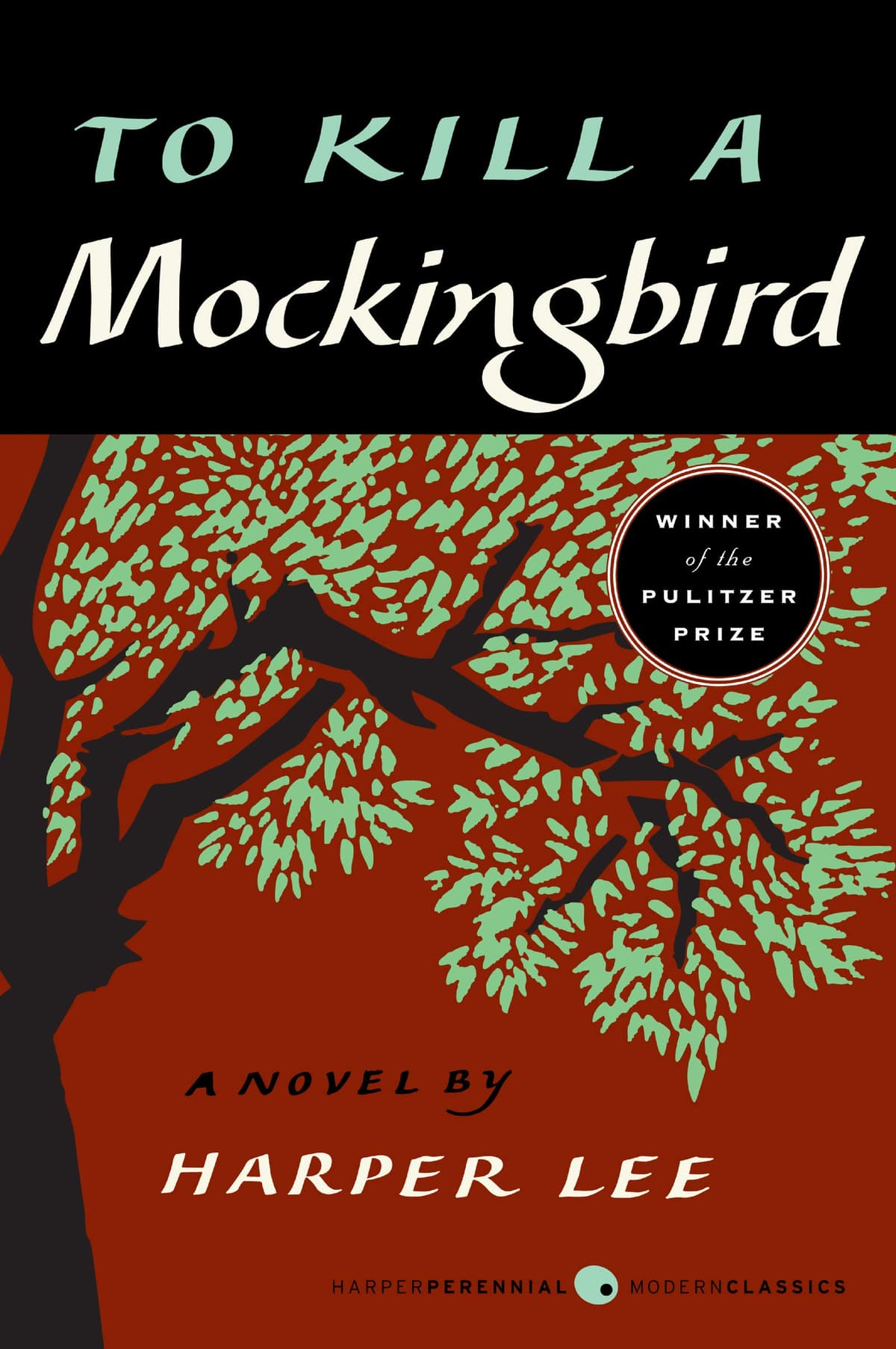 #17View Book
To Kill a Mockingbird
Harper Lee
Accessible•8-10 hours
Browse more collections