Tarzan of the Apes
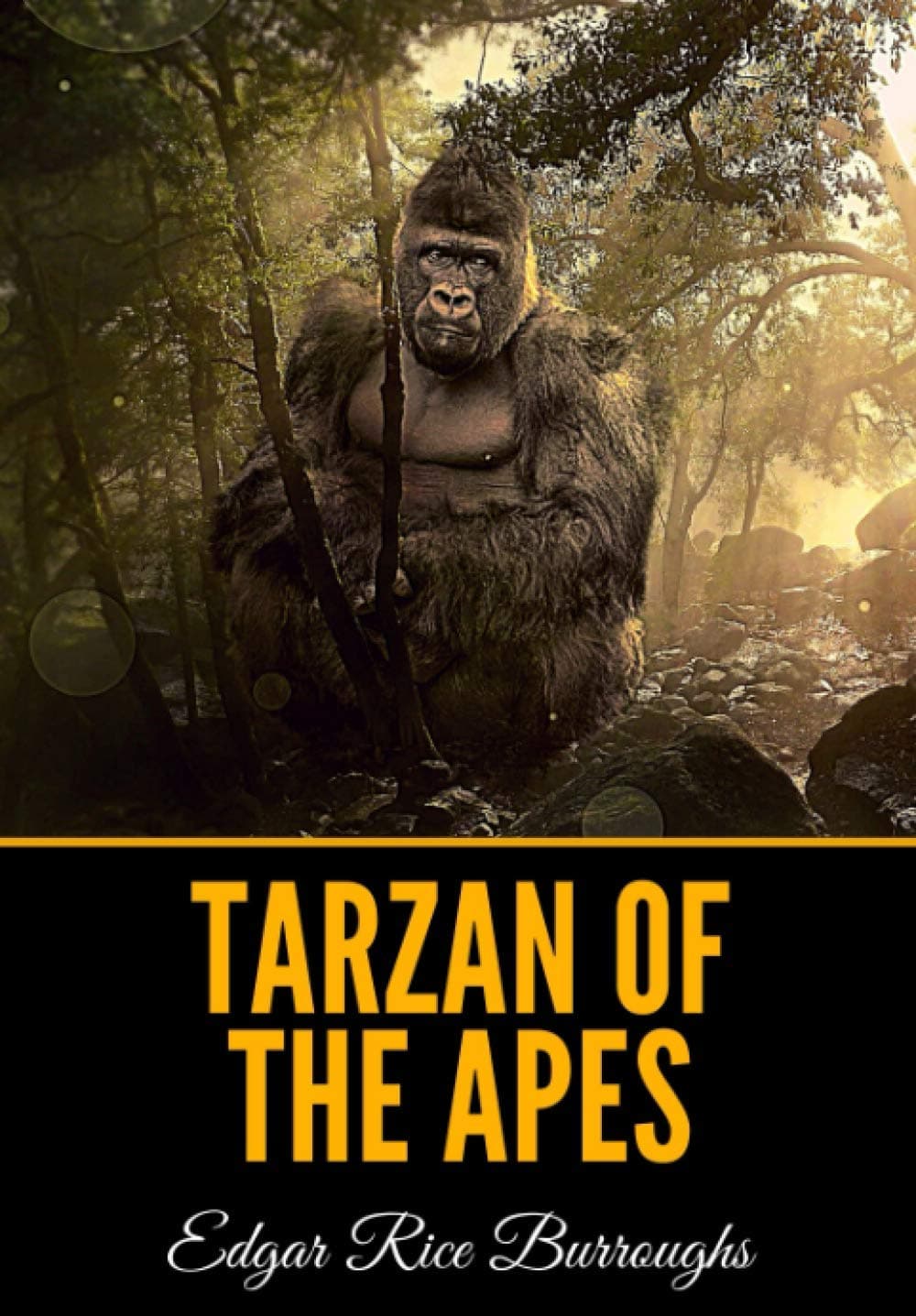
“For myself, I always assume that a lion is ferocious, and so I am never caught off my guard.”
Tarzan of the Apes Summary
Tarzan of the Apes begins with the marooning of Lord and Lady Greystoke on the west coast of Africa after a mutiny aboard their ship. Lady Greystoke gives birth to a son but dies shortly after, and Lord Greystoke is killed by the great ape Kerchak. The infant is adopted by Kala, a she-ape of the Mangani tribe, who names him Tarzan, meaning "White-Skin." Growing up among the apes, Tarzan develops extraordinary physical abilities—immense strength, agility, and an instinctive understanding of the jungle—while also discovering his parents' abandoned cabin and teaching himself to read from the books left behind. When a new party of Europeans arrives on the coast, including the beautiful Jane Porter, Tarzan encounters civilization for the first time. He saves Jane from danger repeatedly, and a complex romance develops between the jungle lord and the Baltimore woman, even as Tarzan struggles to reconcile his two identities.
Edgar Rice Burroughs' novel, originally serialized in 1912, taps into primal myths about nature versus civilization, the noble savage, and the question of what makes us human. Tarzan's self-education—learning to read without ever hearing spoken language—is one of the great romantic fantasies in popular fiction, embodying the Enlightenment ideal of the self-made individual. The novel's adventure storytelling is propulsive and inventive, establishing templates that would influence a century of popular culture. While its colonial-era attitudes toward Africa and race reflect the prejudices of its time, the book's exploration of identity, belonging, and the tension between instinct and society gives it a mythic resonance that extends beyond its adventure plot. Tarzan became one of the most recognizable characters in world culture, spawning countless adaptations across every medium.
Why Read Tarzan of the Apes?
There is a reason Tarzan has endured for over a century as one of the most recognized characters in all of fiction. Burroughs taps into something elemental—the dream of absolute physical freedom, of mastering a wild world through strength and cunning, of existing outside the constraints of society. The novel moves with relentless energy, leaping from one thrilling set piece to the next, but beneath the action lies a genuinely compelling exploration of identity. Watching Tarzan teach himself to read, piece together the mystery of his parentage, and navigate the bewildering customs of human civilization gives the adventure real emotional depth.
Reading the original novel after a lifetime of adaptations is a revelation. Burroughs' Tarzan is far more complex and interesting than any film version—intelligent, curious, and caught between two worlds in ways that resonate with anyone who has ever felt like an outsider. The prose crackles with the kind of storytelling energy that launched an entire genre of adventure fiction. While modern readers should approach the novel's colonial-era racial attitudes critically, the book's core questions about nature, nurture, and what it means to be civilized remain genuinely thought-provoking. This is where one of popular culture's greatest myths begins.
About Edgar Rice Burroughs
Edgar Rice Burroughs was born in 1875 in Chicago, Illinois, into a prosperous family. After a series of failed careers—including stints as a soldier, a gold miner, a railroad policeman, and a pencil sharpener salesman—he turned to writing fiction in his mid-thirties, almost on a whim. His first published story, Under the Moons of Mars, appeared in 1912, the same year Tarzan of the Apes was serialized in The All-Story magazine. Both works were immediate sensations, and Burroughs became one of the most prolific and commercially successful writers of the twentieth century.
Burroughs wrote over seventy novels, including twenty-four Tarzan books and eleven Barsoom (Mars) novels, essentially inventing the planetary romance genre and profoundly influencing science fiction and adventure literature. His creation of Tarzan produced one of the most adapted characters in media history, appearing in films, television shows, comic strips, and radio programs. Burroughs was also a shrewd businessman who incorporated himself to manage his literary properties and founded the community of Tarzana, California. He died in 1950. While literary critics have often dismissed his prose style, his impact on popular culture and genre fiction is immeasurable, and his ability to create enduring mythic characters places him among the most influential storytellers of his era.
Reading Guide
Ranked #299 among the greatest books of all time, Tarzan of the Apes by Edgar Rice Burroughs has earned its place in the literary canon. Originally written in English and published in 1912, this accessible read from United States continues to resonate with readers today.
This book belongs to our American Spirit collection, where you can discover more books that share its spirit and themes.
If you enjoy accessible reads like this one, you might also like The Great Gatsby, The Catcher in the Rye, or Pride and Prejudice.
From the American Spirit Collection
If you enjoyed Tarzan of the Apes, discover more masterpieces that share its spirit.
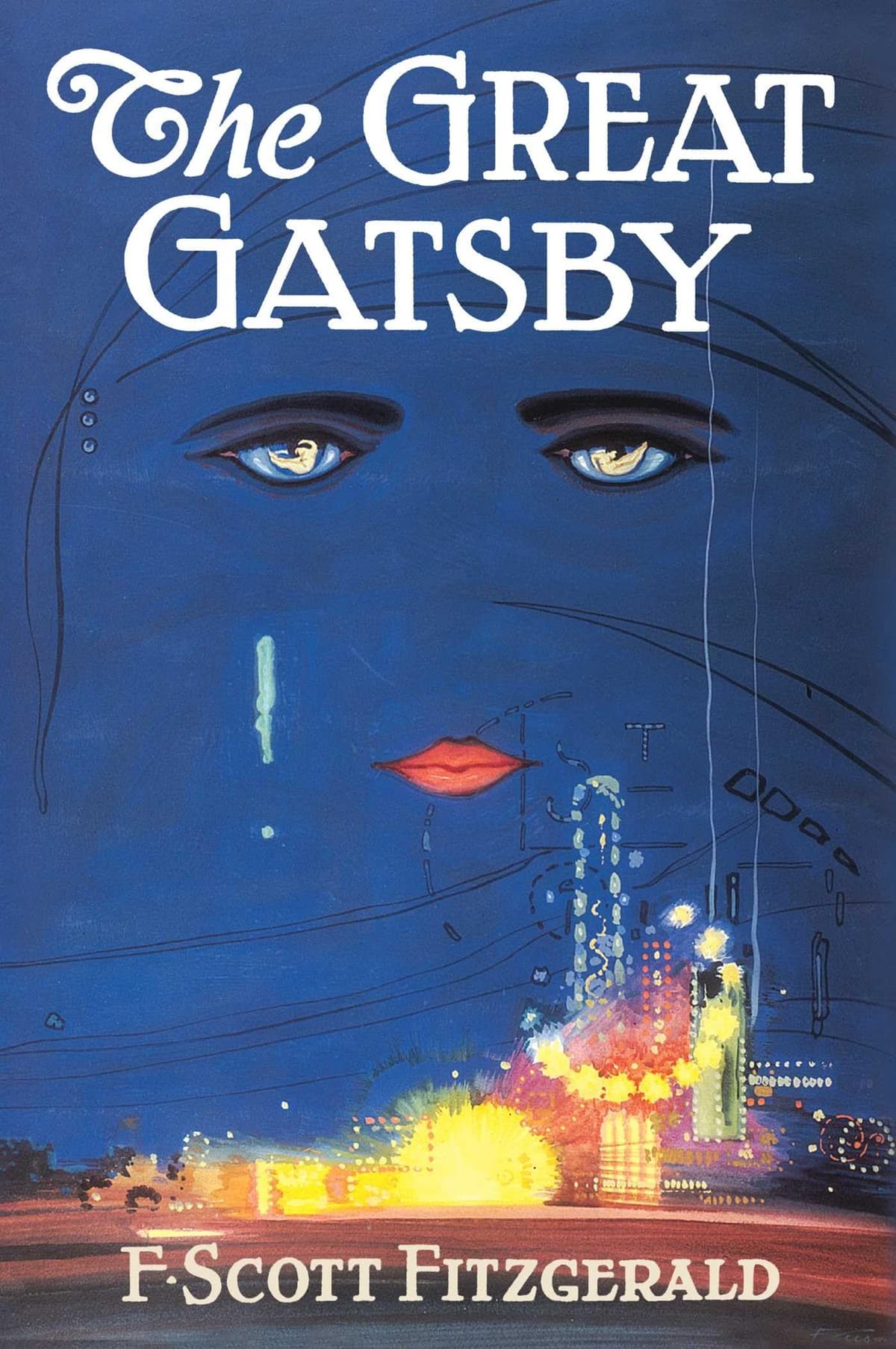 #3View Book
The Great Gatsby
F. Scott Fitzgerald
Accessible•5-6 hours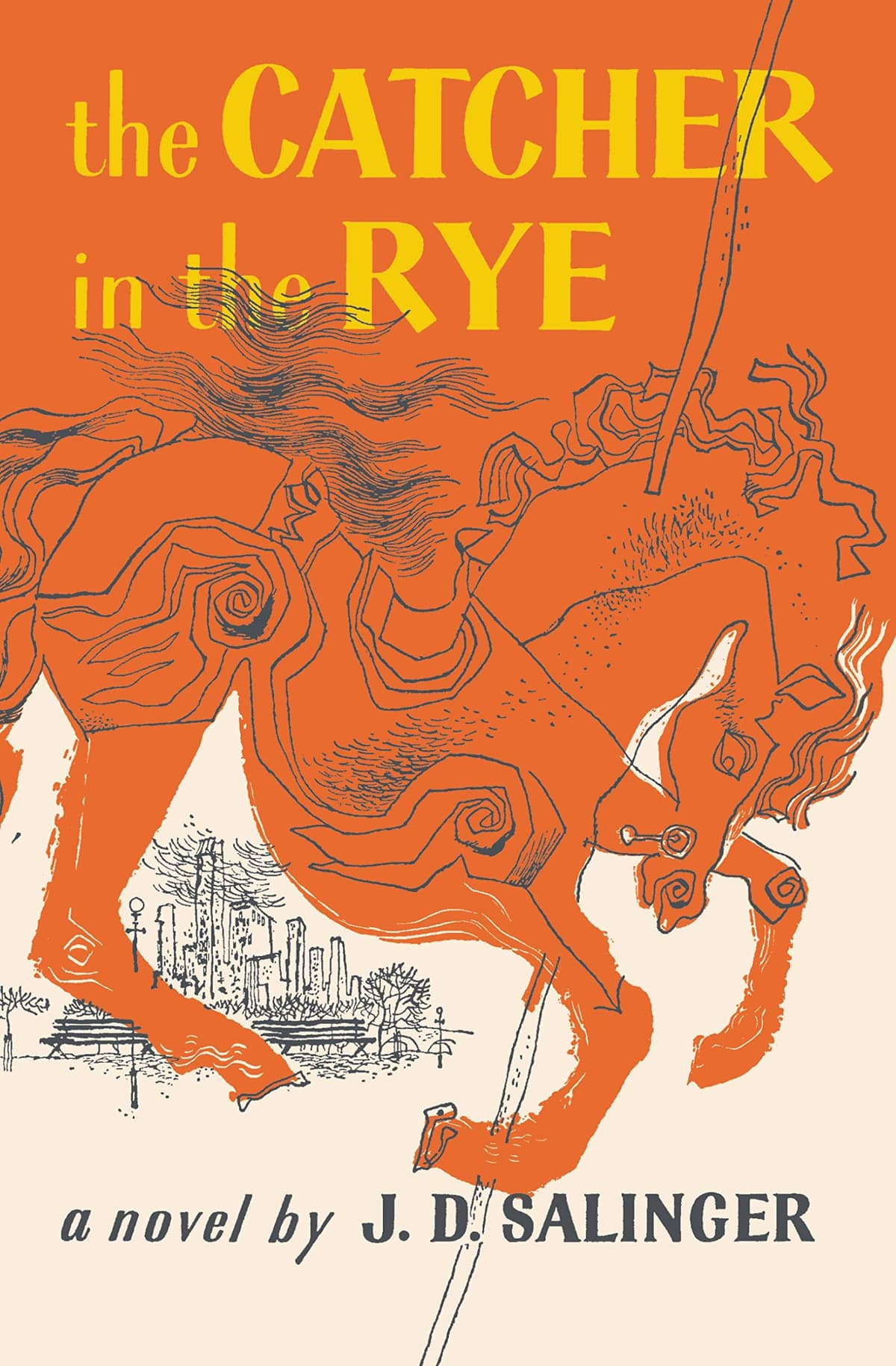 #4View Book
The Catcher in the Rye
J. D. Salinger
Accessible•6-8 hours #13View Book
Lolita
Vladimir Nabokov
Challenging•12-15 hours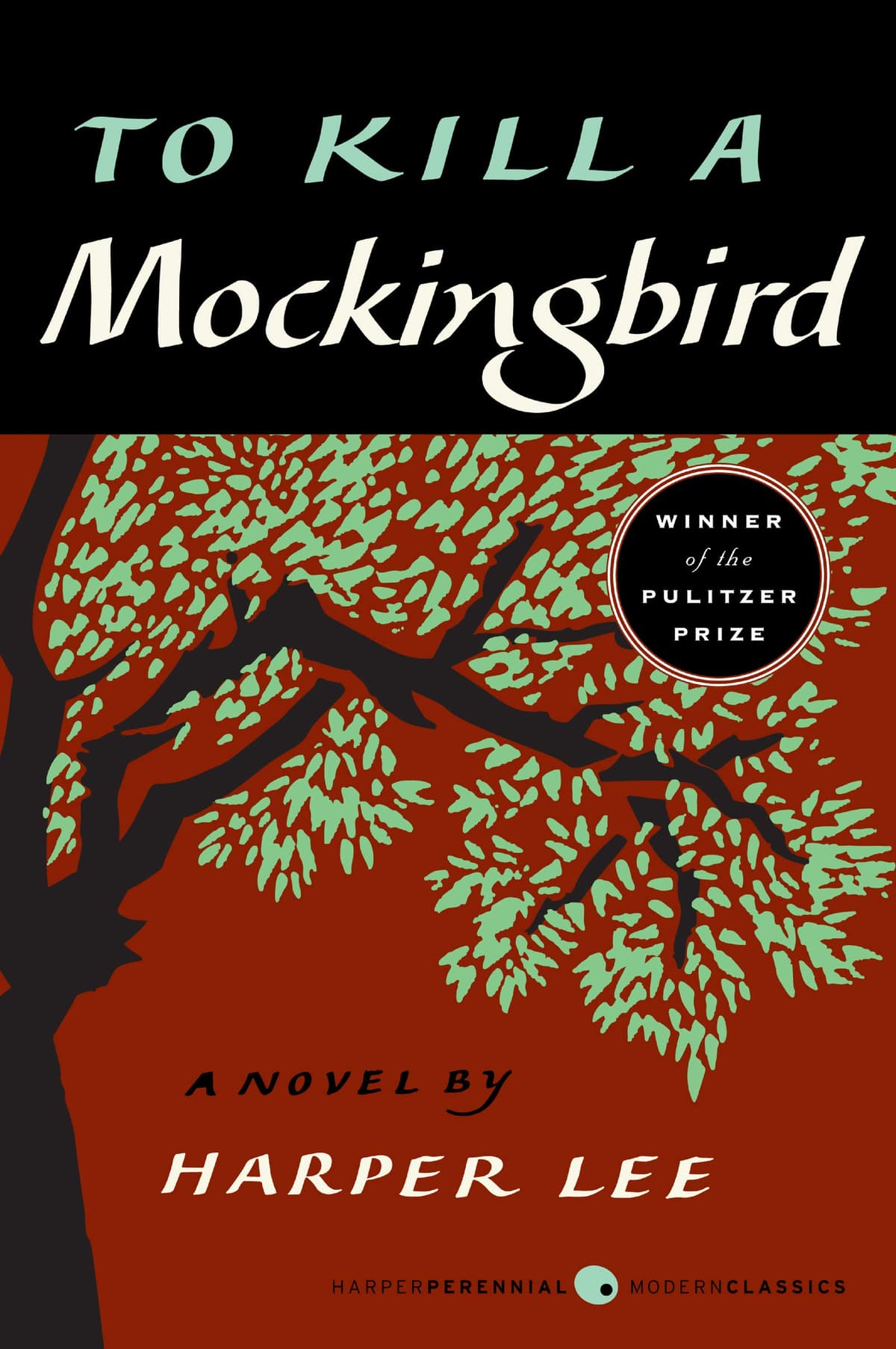 #17View Book
To Kill a Mockingbird
Harper Lee
Accessible•8-10 hours
Browse more collections