Nightwood
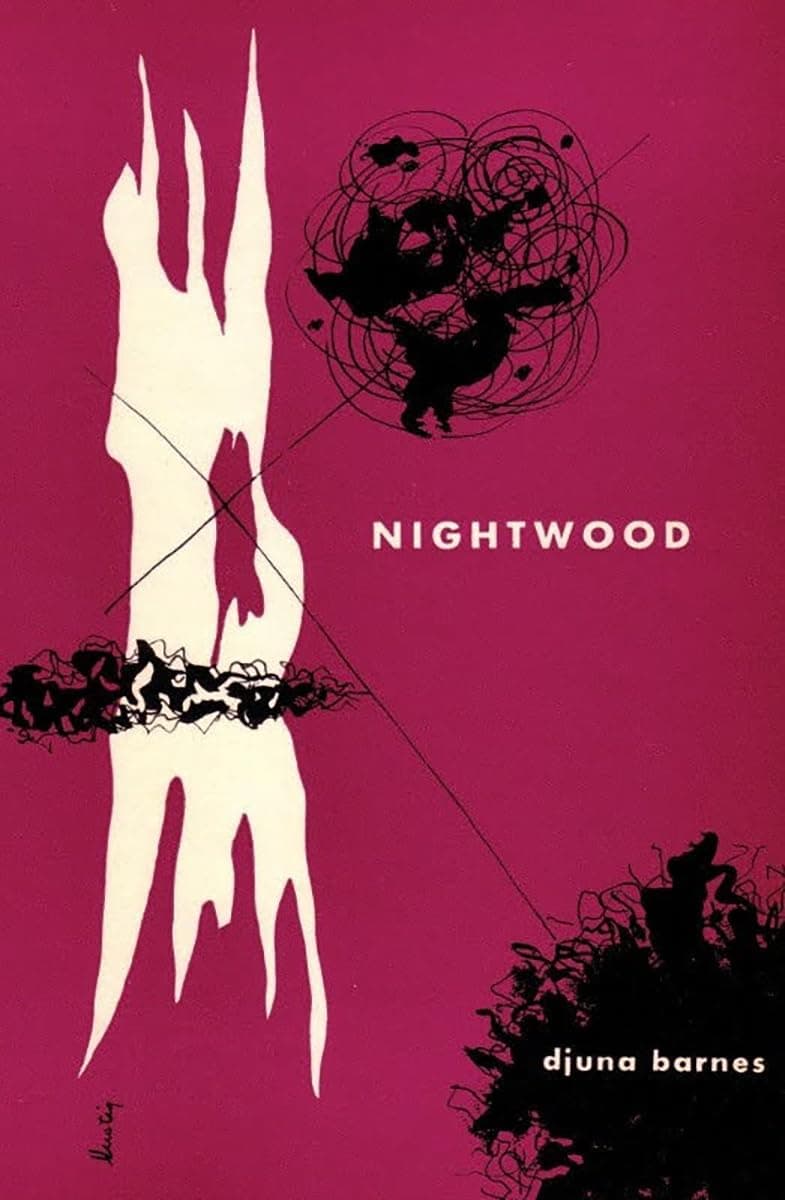
“I have a narrative, but you will be put to it to find it.”
Nightwood Summary
Nightwood unfolds across the bohemian underworld of 1920s and 1930s Paris, Vienna, and Berlin, tracing a constellation of desperate loves that orbit around Robin Vote, an enigmatic, almost feral woman who drifts through life in a state of sleepwalking consciousness. Felix Volkbein, a half-Jewish fabricator of aristocratic lineage, marries Robin and fathers a child, but she abandons them both. Nora Flood, an American woman of fierce emotional intensity, enters into a passionate relationship with Robin, only to be similarly abandoned when Robin takes up with Jenny Petherbridge, a predatory collector of other people's lovers. Presiding over this wreckage is Dr. Matthew O'Connor, a self-proclaimed gynecologist and unlicensed philosopher who delivers sprawling, incandescent monologues on love, night, gender, and damnation. The novel culminates in a hallucinatory final scene in a chapel, where Robin's dissolution reaches its most disturbing and ambiguous expression.
Djuna Barnes' masterwork is less a conventional novel than a sustained prose poem, dense with baroque imagery, theological allusion, and a language that seems to operate at the boundary between waking and dreaming. Its treatment of queer desire, gender nonconformity, and outsider existence was decades ahead of its time, and its refusal of narrative closure anticipates postmodern fiction. T.S. Eliot, who wrote the introduction, recognized it as a work of extraordinary literary power. Nightwood explores the night side of human experience—the realm of the dispossessed, the insomniac, the lovesick, and the spiritually exiled—with a language so rich and strange that it creates its own reality. It remains one of the most original and demanding novels of the twentieth century.
Why Read Nightwood?
Nightwood is not a book you read so much as a book you inhabit. Its sentences are unlike anything else in English—lush, rhythmic, darkly comic, and devastatingly precise in their evocations of longing, loss, and spiritual homelessness. If conventional novels build their worlds through plot and character, Barnes builds hers through language itself, creating an atmosphere so dense and intoxicating that it reshapes how you perceive the night, the body, and the strange territories of desire. Dr. Matthew O'Connor's monologues alone are worth the price of admission: they are among the most brilliant and heartbreaking passages in all of modernist literature.
This is a foundational text for understanding queer literature and the modernist avant-garde, but its appeal extends far beyond any category. Anyone who has ever loved someone who could not be held, who has felt exiled from the daylight world of convention and normalcy, will find in Nightwood a mirror held up to their darkest and most private hours. The novel demands patience and surrender—it will not yield its secrets to a hurried reader—but those who give themselves to its rhythms will discover a work of art that is genuinely unlike any other.
About Djuna Barnes
Djuna Barnes was born in 1892 in Cornwall-on-Hudson, New York, into an eccentric and troubled family. She began her career as a journalist and illustrator in New York, writing vivid feature articles and conducting daring stunts for newspapers before moving to Paris in the 1920s, where she became a central figure in the expatriate literary community. Her circle included James Joyce, Gertrude Stein, Peggy Guggenheim, and Natalie Barney. Nightwood, published in 1936 with an introduction by T.S. Eliot, drew heavily on her tumultuous relationship with the sculptor Thelma Wood.
Despite the critical acclaim Nightwood received, Barnes spent the last four decades of her life in near-total seclusion in a tiny apartment in Greenwich Village, producing very little new work. She was known for her sharp wit, her fierce independence, and her refusal to be categorized. Her other works include the novel Ryder, the play The Antiphon, and the privately printed Ladies Almanack. Barnes died in 1982 at the age of ninety. Once nearly forgotten, she has been reclaimed as one of the most important writers of the modernist era and a pioneering voice in queer literature, her influence visible in writers from William S. Burroughs to Jeanette Winterson.
Reading Guide
Ranked #298 among the greatest books of all time, Nightwood by Djuna Barnes has earned its place in the literary canon. Originally written in English and published in 1936, this challenging read from United States continues to resonate with readers today.
This book belongs to our Gothic & Dark and Modern Mind collections, where you can discover more books that share its spirit and themes.
If you enjoy challenging reads like this one, you might also like Ulysses, Moby-Dick, or Lolita.
From the Gothic & Dark Collection
If you enjoyed Nightwood, discover more masterpieces that share its spirit.
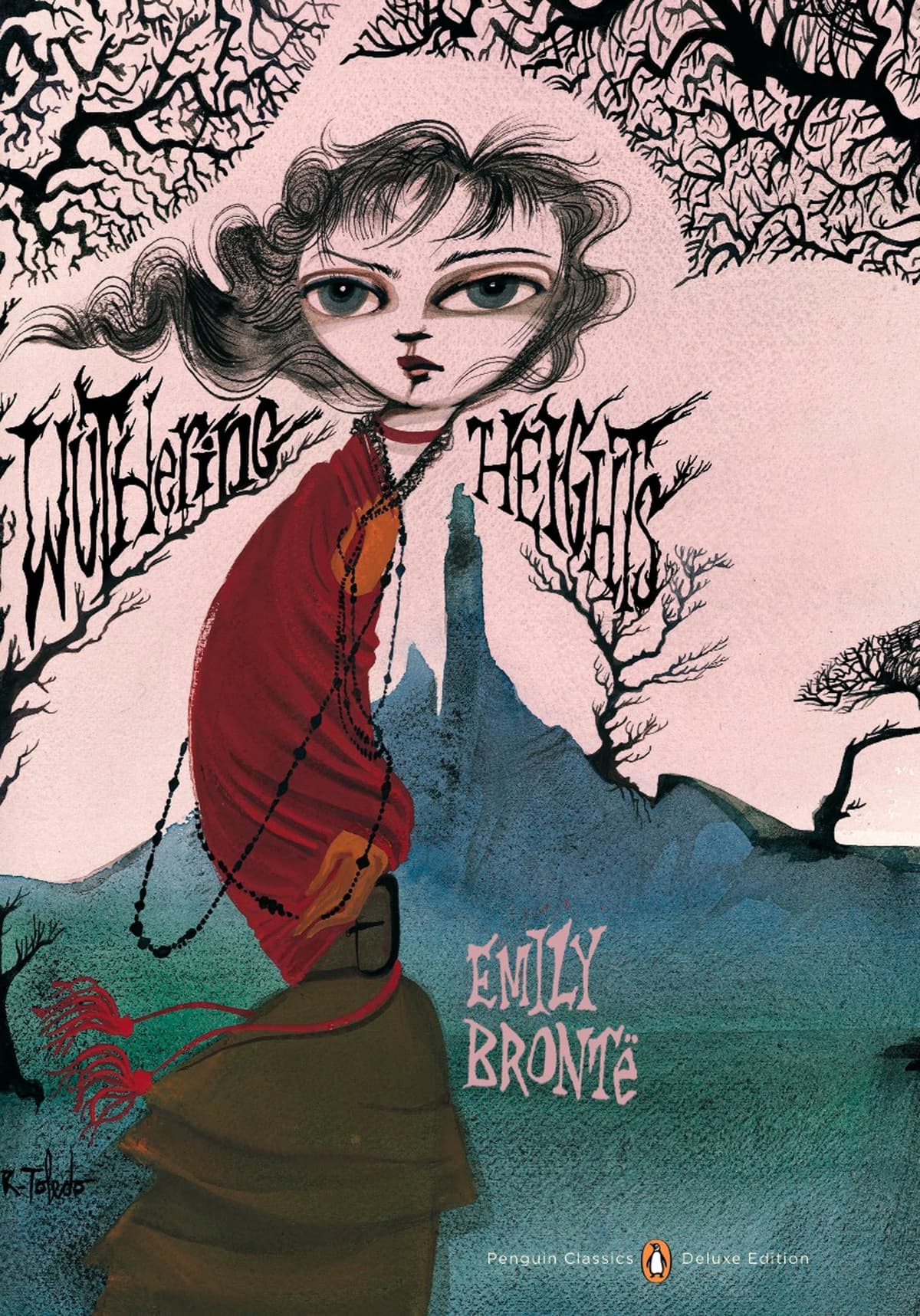 #15View Book
Wuthering Heights
Emily Brontë
Moderate•10-12 hours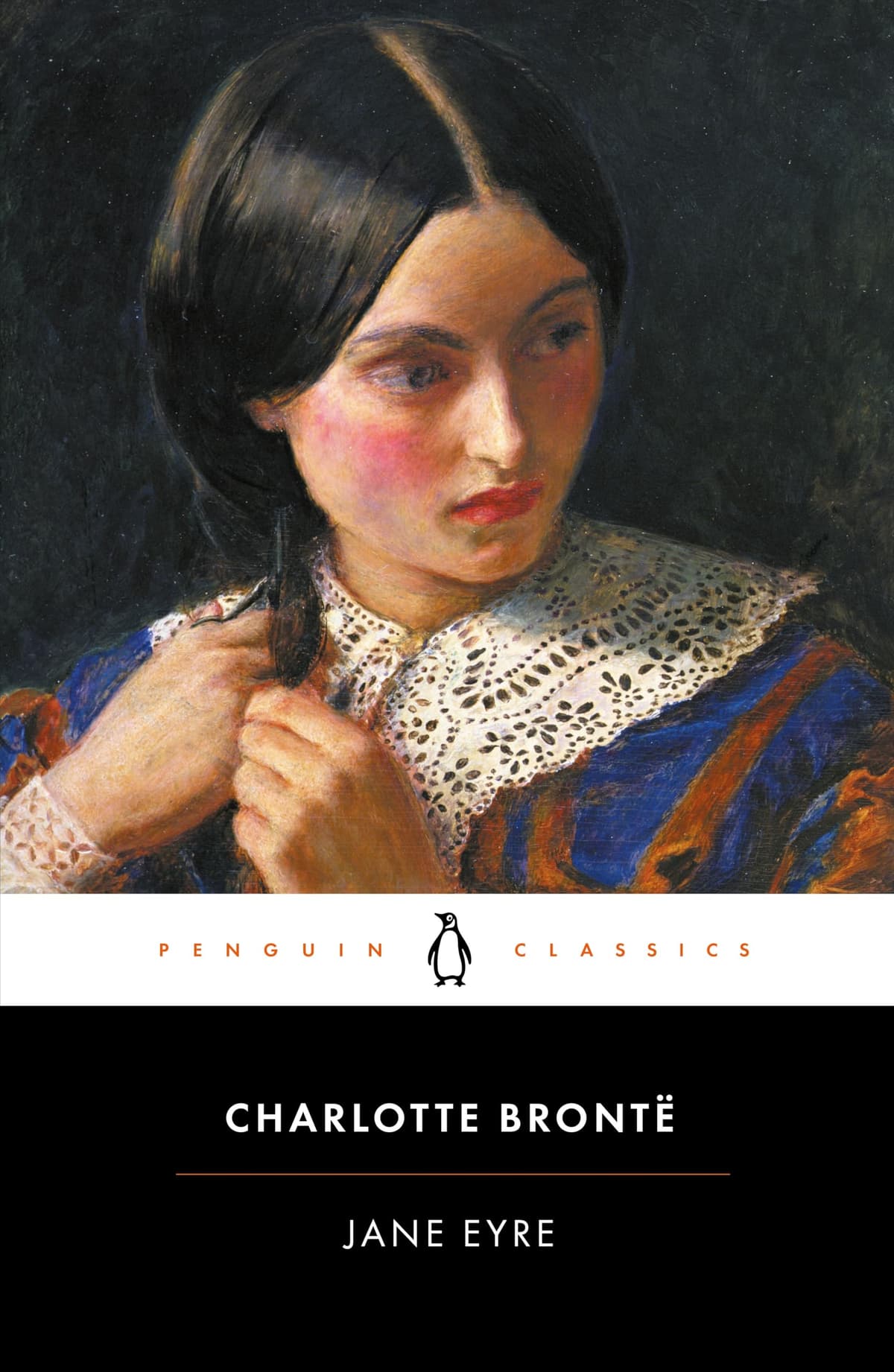 #29View Book
Jane Eyre
Charlotte Brontë
Accessible•15-20 hours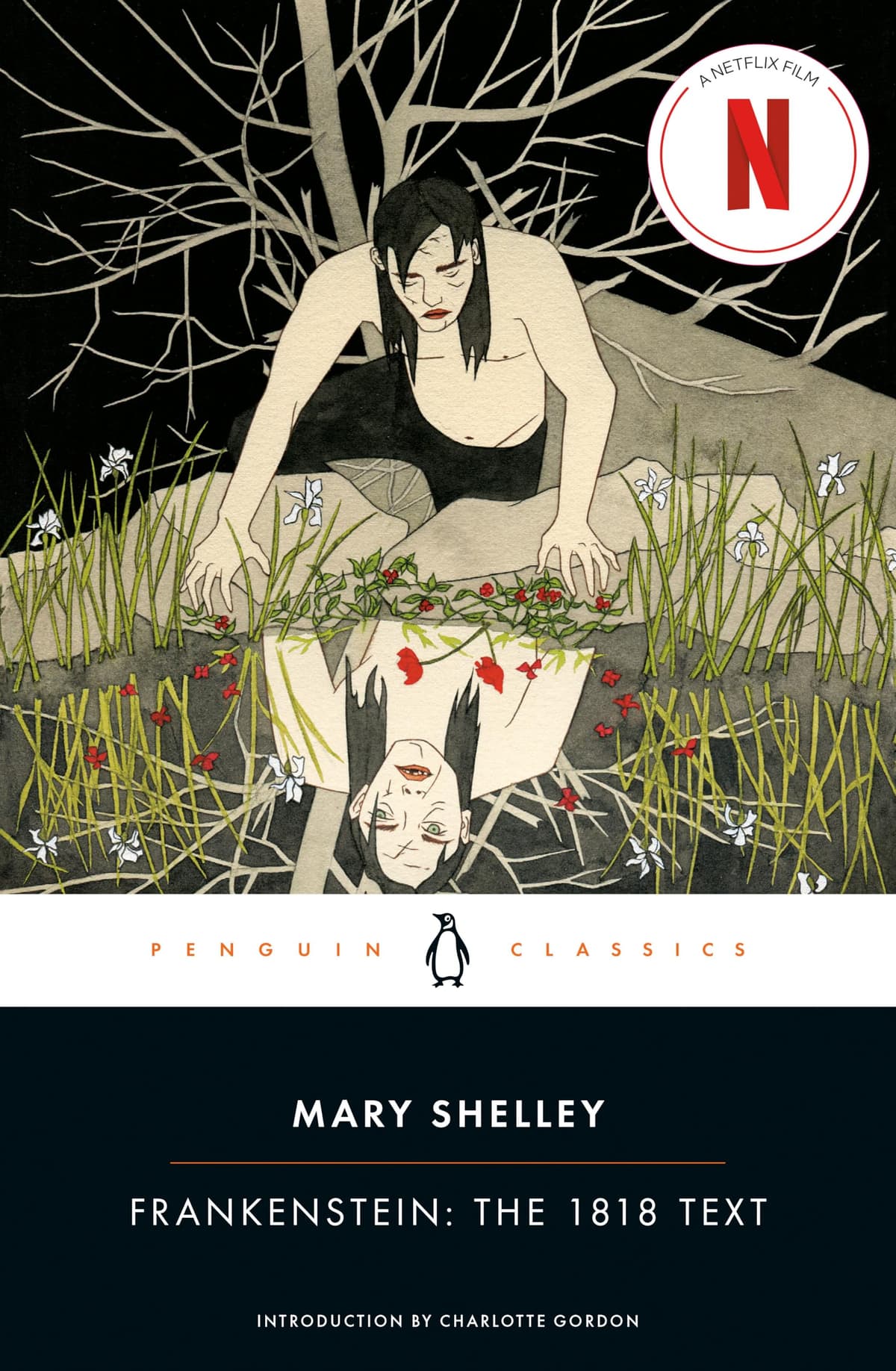 #41View Book
Frankenstein
Mary Shelley
Accessible•6-8 hours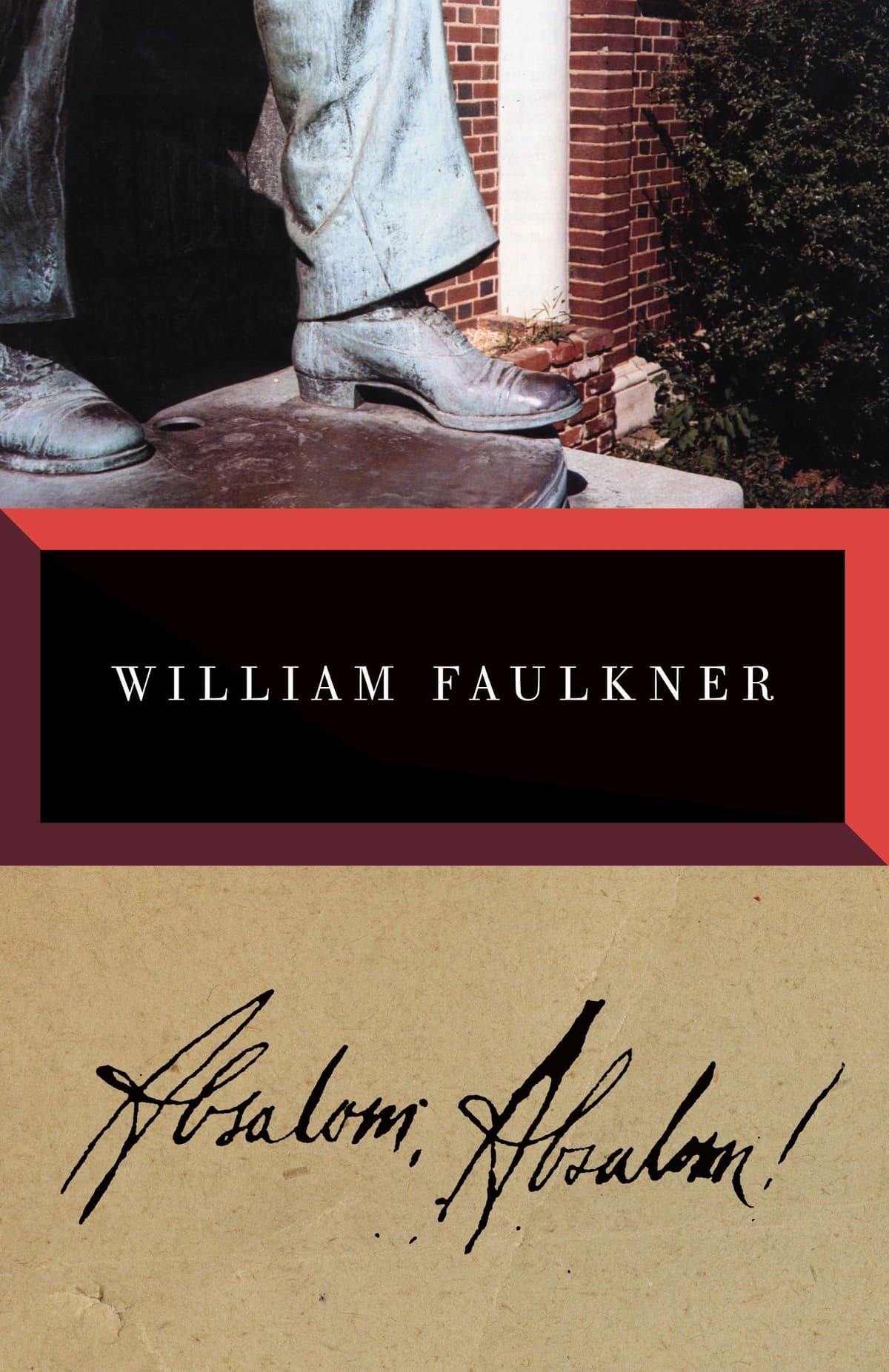 #44View Book
Absalom, Absalom!
William Faulkner
Very High•12-15 hours
Browse more collections