Gargantua and Pantagruel
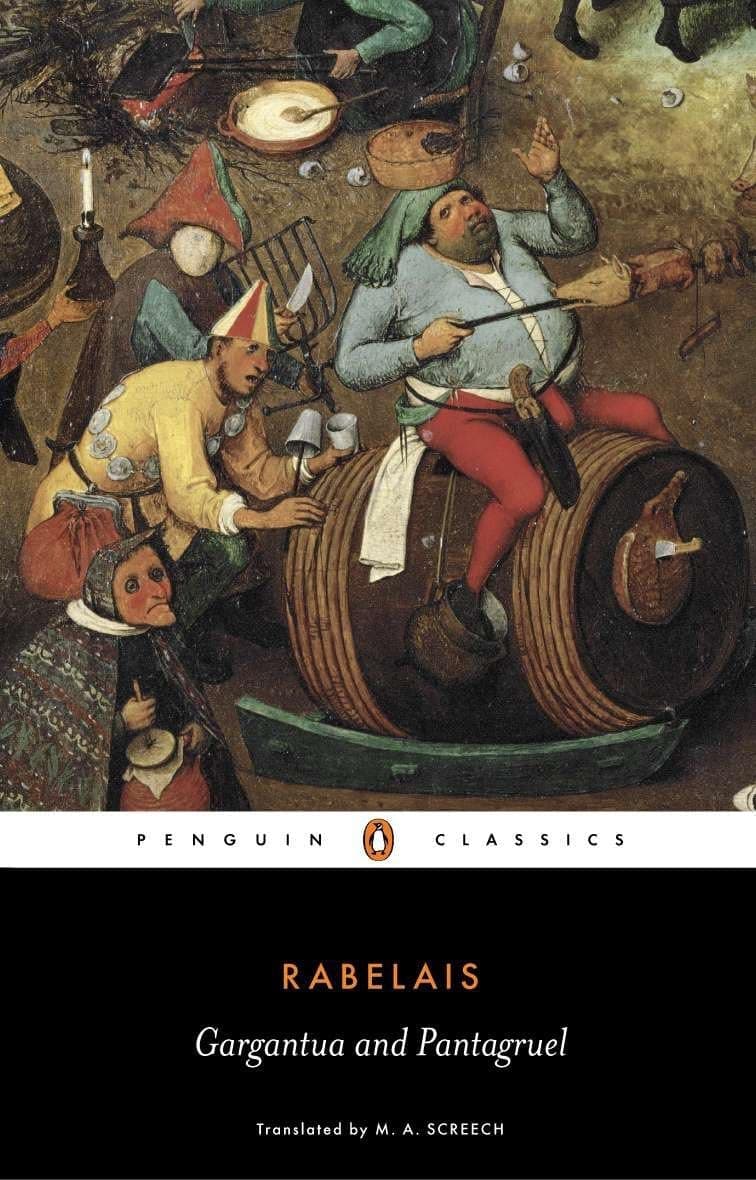
“I drink for the thirst to come.”
Gargantua and Pantagruel Summary
From the gargantuan birth of Gargantua—who emerges from his mother's left ear after she eats too many tripe—to the voyages of his son Pantagruel across fantastical seas in search of the Oracle of the Holy Bottle, Rabelais unleashes a carnival of excess that demolishes every convention of sixteenth-century literature. Giants urinate floods that drown armies, monks debate theology while drunk, and the trickster Panurge consults every oracle in Christendom about whether he should marry—receiving only contradictions.
Beneath the scatological humor and the impossible appetites lies one of the most subversive books ever written. Rabelais, himself a monk, physician, and humanist scholar, uses laughter as a weapon against the hypocrisy of the Church, the pedantry of the Sorbonne, and the tyranny of anyone who would restrict the freedom of the human mind. His invented Abbey of Thélème bears the motto 'Do What Thou Wilt'—a Renaissance declaration of human potential that still reverberates.
Why Read Gargantua and Pantagruel?
Rabelais is the great liberator of Western literature. Before him, the written word was largely the property of the Church and the academy; after him, anything was possible. His five books are a riot of invention—puns in six languages, lists that go on for pages, jokes so crude they would make a sailor blush—but they are also a profound humanist manifesto. Rabelais believed that laughter was the essence of humanity, and he proved it by writing the funniest serious book in existence.
Reading Gargantua and Pantagruel is like attending the wildest party in literary history. The word 'Rabelaisian' entered the language for a reason: no other writer has matched his combination of intellectual brilliance and bodily excess. He influenced Cervantes, Swift, Sterne, and Joyce, and his spirit lives on in anyone who believes that the best way to fight tyranny is to laugh at it.
About François Rabelais
François Rabelais (c. 1494–1553) was a Franciscan and Benedictine monk, a physician, a Greek scholar, and the most explosively original writer of the French Renaissance. He studied medicine at Montpellier, practiced at Lyon, and traveled with the French diplomatic corps to Rome—all while producing the five books of Gargantua and Pantagruel that would scandalize and delight Europe.
The Sorbonne condemned his books repeatedly, and Rabelais spent parts of his life in hiding or under the protection of powerful patrons. Yet his influence proved unstoppable. He expanded the French language with hundreds of invented words, many still in use, and his vision of literature as an instrument of freedom and joy became the foundation for the modern novel.
Reading Guide
Ranked #139 among the greatest books of all time, Gargantua and Pantagruel by François Rabelais has earned its place in the literary canon. Originally written in French and published in 1532, this challenging read from France continues to resonate with readers today.
This book belongs to our Society & Satire and Epics collections, where you can discover more books that share its spirit and themes.
If you enjoy challenging reads like this one, you might also like Ulysses, Moby-Dick, or Lolita.
From the Society & Satire Collection
If you enjoyed Gargantua and Pantagruel, discover more masterpieces that share its spirit.
 #9View Book
Don Quixote
Miguel de Cervantes
High•35-40 hours #12View Book
Pride and Prejudice
Jane Austen
Accessible•10-12 hours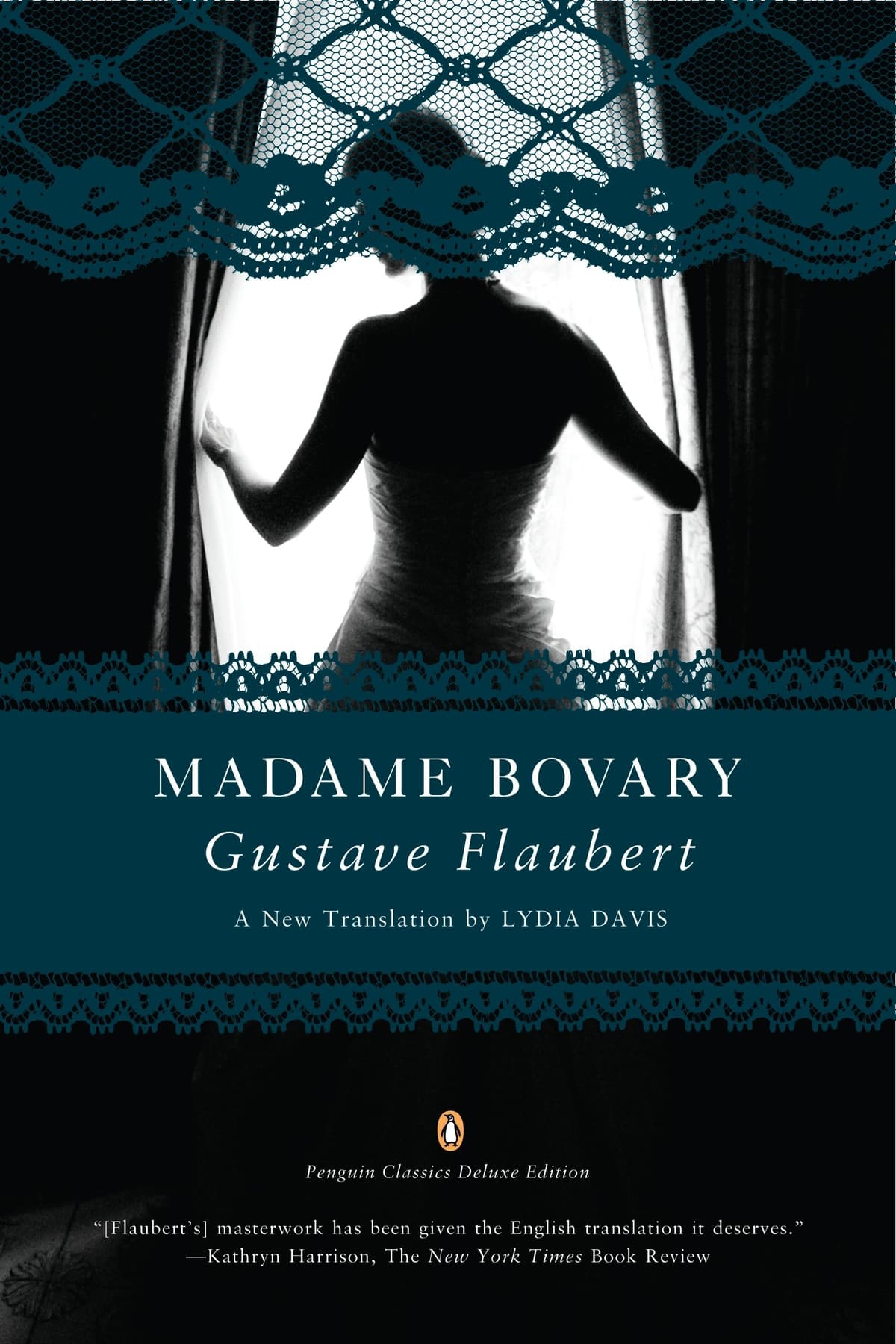 #22View Book
Madame Bovary
Gustave Flaubert
Moderate•12-15 hours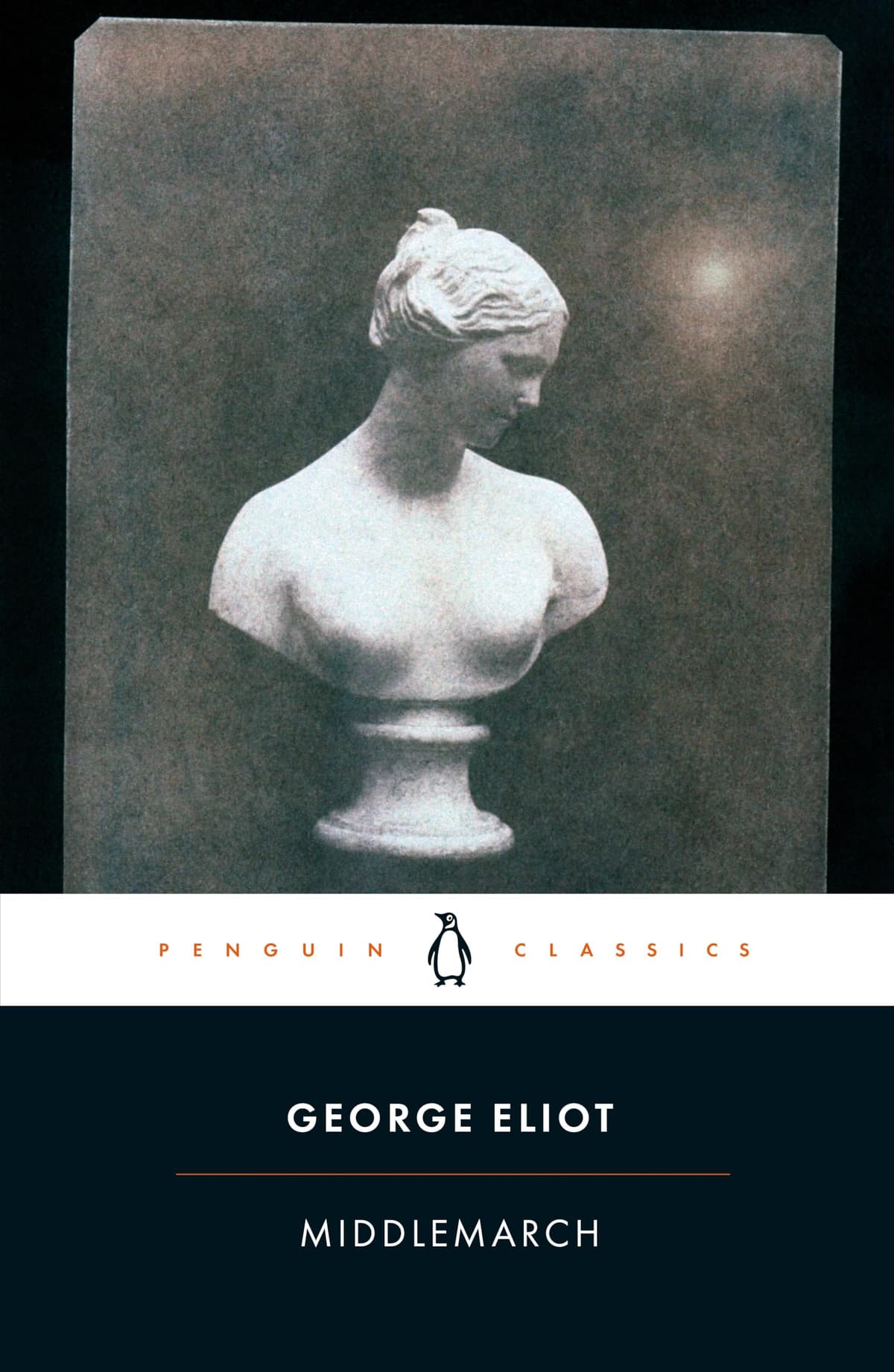 #30View Book
Middlemarch
George Eliot
High•30-35 hours
Browse more collections