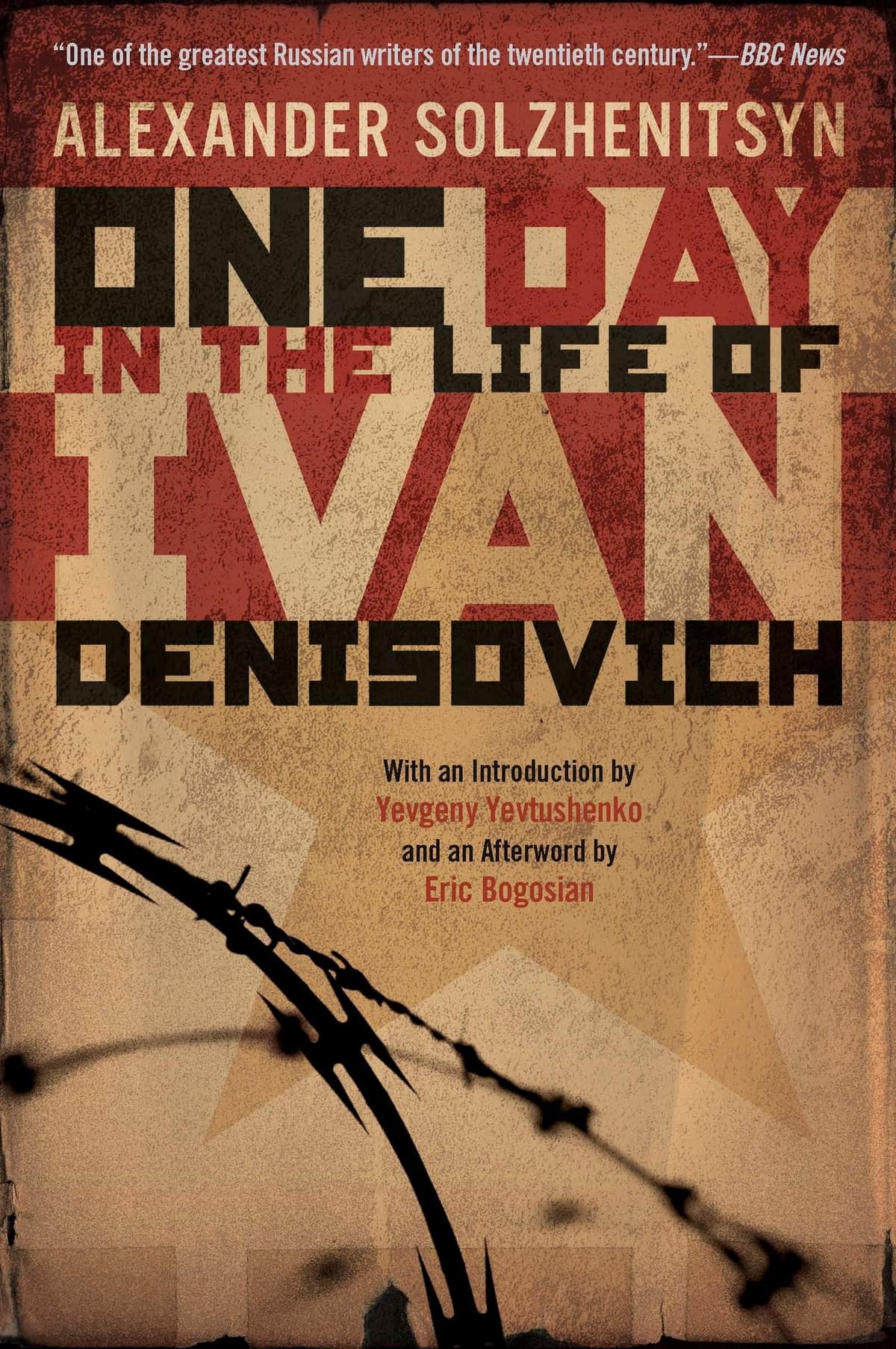
One Day in the Life of Ivan Denisovich
“The belly is an ungrateful wretch, it never remembers past favors, it always wants more tomorrow.”
One Day in the Life of Ivan Denisovich Summary
It is five o'clock on a January morning in a Soviet labor camp in Kazakhstan, and prisoner Shcha-854—Ivan Denisovich Shukhov—wakes to another day of subzero cold, watery gruel, and forced labor. He is serving a ten-year sentence for the crime of having been captured by the Germans during World War II. The novel follows this one unremarkable day from reveille to lights-out: the struggle to secure an extra bowl of porridge, the small triumph of hiding a scrap of metal for a tool, the bricklaying work that, despite everything, gives Shukhov a craftsman's satisfaction.
Solzhenitsyn's genius is in the restraint. There are no grand speeches about injustice, no dramatic escapes. Instead, there is the minute-by-minute reality of survival—how a man preserves his dignity when every system is designed to strip it away. The day Shukhov describes is, by his own reckoning, a good one. That single detail is more devastating than any polemic.
Why Read One Day in the Life of Ivan Denisovich?
This slim novel cracked the Soviet Union open. Published in 1962 with Khrushchev's personal approval during a brief political thaw, it was the first work of literature to describe life in the Gulag—and its impact was seismic. Millions of Soviet citizens wept as they read it, recognizing their own suffering or that of their fathers, brothers, and husbands in Shukhov's matter-of-fact account of a single day behind barbed wire.
But One Day in the Life of Ivan Denisovich transcends its historical moment. It is a universal testament to the human capacity for endurance and the stubborn persistence of dignity under the most dehumanizing conditions imaginable. Shukhov is not a hero in any conventional sense—he is simply a man who refuses to be reduced to a number. In his small victories—a warm bowl of soup, a well-laid brick, a hidden crust of bread—Solzhenitsyn shows us what it truly means to be human.
About Aleksandr Solzhenitsyn
Aleksandr Solzhenitsyn (1918–2008) served as an artillery officer in World War II before being arrested for making critical remarks about Stalin in a private letter. He spent eight years in labor camps and three more in internal exile—experiences that became the raw material for his life's work. One Day in the Life of Ivan Denisovich made him famous overnight; The Gulag Archipelago made him a global symbol of resistance to totalitarianism.
Awarded the Nobel Prize in Literature in 1970, Solzhenitsyn was expelled from the Soviet Union in 1974 and lived in exile in Vermont for nearly two decades before returning to Russia in 1994. He was a prophet in the Old Testament sense—uncompromising, often difficult, wholly dedicated to bearing witness. His pen did more to undermine Soviet tyranny than any weapon.
Reading Guide
Ranked #140 among the greatest books of all time, One Day in the Life of Ivan Denisovich by Aleksandr Solzhenitsyn has earned its place in the literary canon. Originally written in Russian and published in 1962, this accessible read from Russia continues to resonate with readers today.
This book belongs to our Russian Soul collection, where you can discover more books that share its spirit and themes.
If you enjoy accessible reads like this one, you might also like The Great Gatsby, The Catcher in the Rye, or Pride and Prejudice.
From the Russian Soul Collection
If you enjoyed One Day in the Life of Ivan Denisovich, discover more masterpieces that share its spirit.
 #10View Book
Anna Karenina
Leo Tolstoy
High•30-35 hours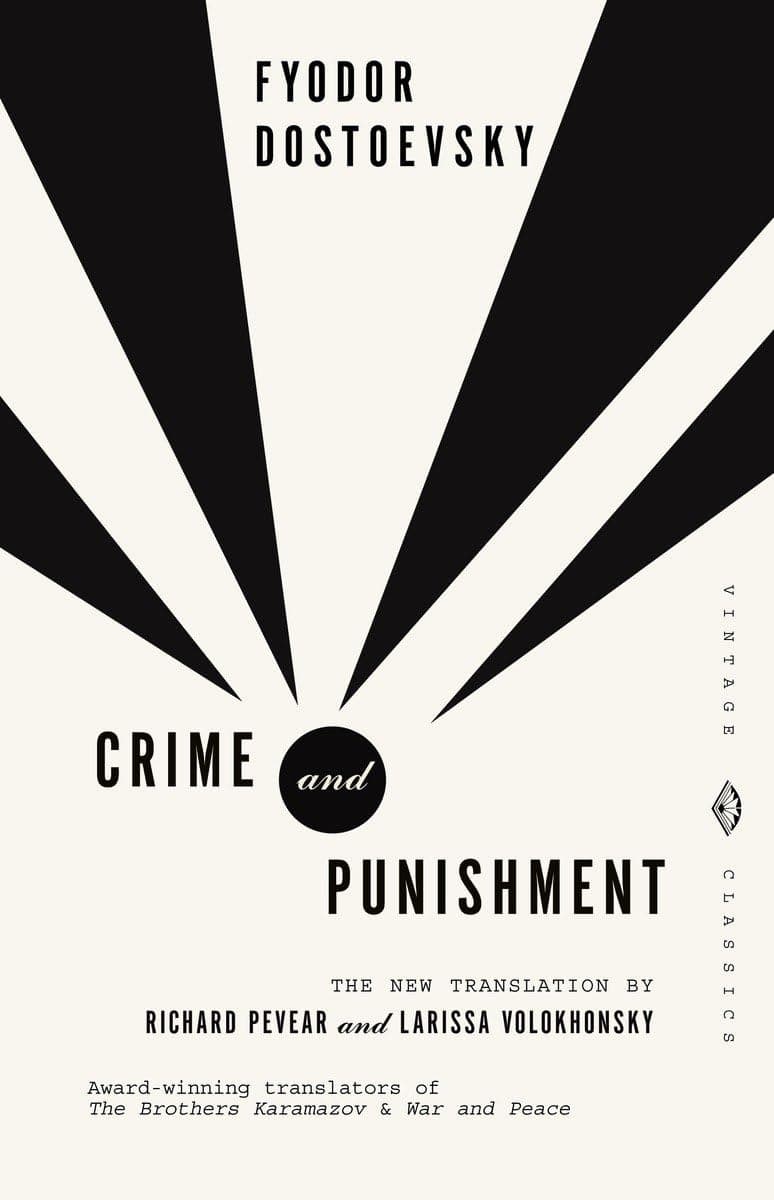 #11View Book
Crime and Punishment
Fyodor Dostoevsky
High•20-25 hours #14View Book
War and Peace
Leo Tolstoy
Very High•40-50 hours #19View Book
The Brothers Karamazov
Fyodor Dostoevsky
Very High•35-40 hours
Browse more collections