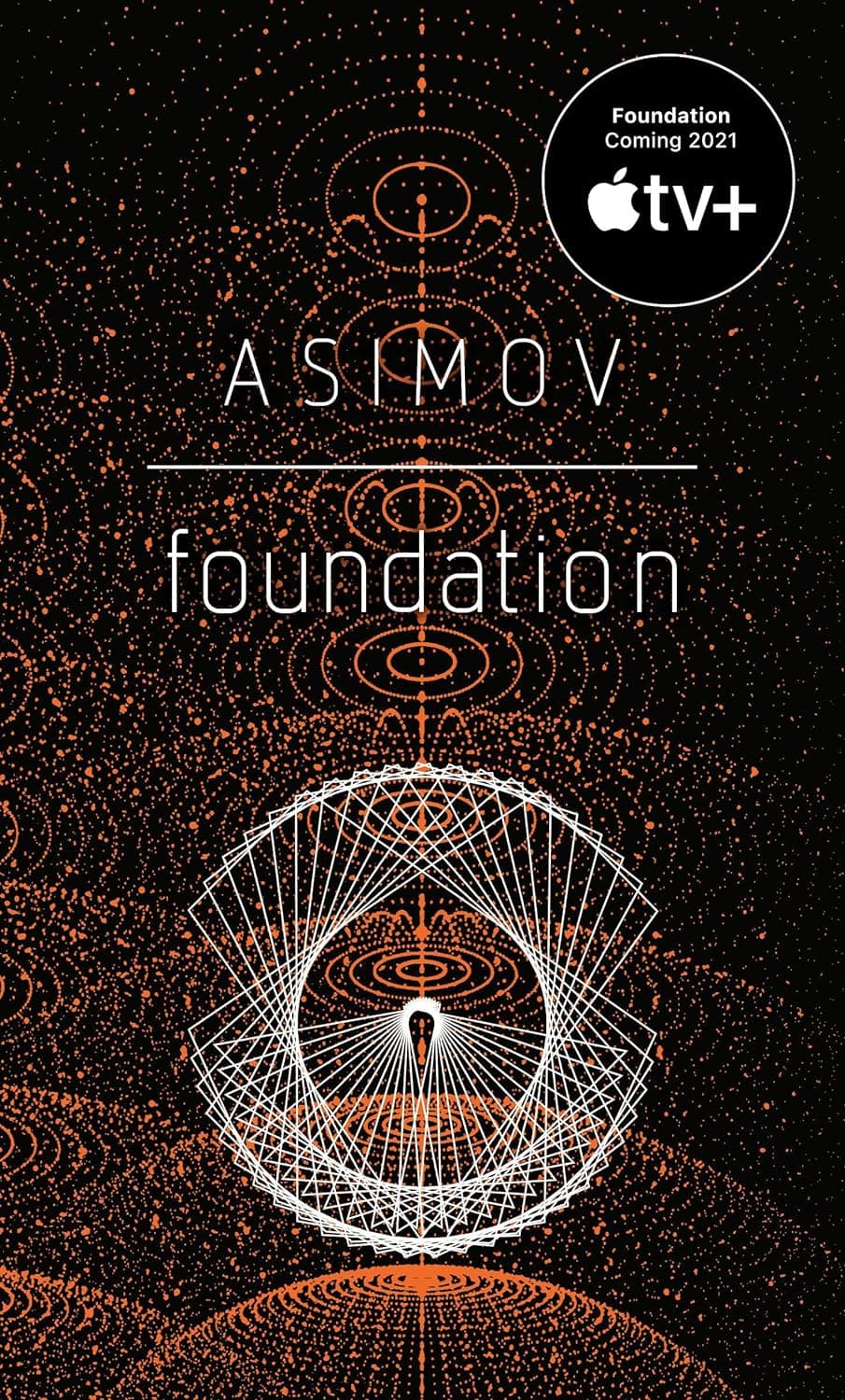
Foundation
“Violence is the last refuge of the incompetent.”
Foundation Summary
The Galactic Empire is dying. Hari Seldon, a mathematician of extraordinary genius, has developed psychohistory, a science that uses statistical laws to predict the behavior of vast populations across millennia. His calculations reveal that the Empire's collapse will plunge humanity into thirty thousand years of barbarism, but he devises a plan to shorten this dark age to a single millennium by establishing two Foundations at opposite ends of the galaxy, tasked with preserving and expanding human knowledge. The narrative leaps across centuries, following successive crises that threaten the Foundation on Terminus, a resource-poor planet at the galaxy's edge, as it confronts warlords, theocracies, and merchant princes. Each crisis is resolved not through military force but through the cunning application of science, economics, and political manipulation, vindicating Seldon's predictions while raising unsettling questions about determinism and free will.
Asimov's Foundation is the cornerstone of science fiction's grandest tradition: the sweeping galactic epic that treats civilizations rather than individuals as its true protagonists. Inspired by Gibbon's Decline and Fall of the Roman Empire, Asimov translated the rhythms of historical rise and collapse into a future so vast it dwarfs any single human life. The prose is functional rather than lyrical, but the ideas are magnificent, and the structural elegance of the interlocking crises gives the novel an almost mathematical beauty. Foundation's influence on science fiction is immeasurable, and its central question, whether the arc of history can be bent by intelligence and foresight, remains as urgent as ever.
Why Read Foundation?
Foundation is the book that taught science fiction to think in millennia. If you have ever been captivated by the idea that history has patterns, that civilizations rise and fall according to forces larger than any individual, then Asimov's masterwork will feel like a revelation. The novel operates on a scale that is genuinely awe-inspiring, leaping across centuries with the confidence of a writer who trusts his readers to keep up. Each crisis that confronts the Foundation is a puzzle box of politics, economics, and human nature, and watching Seldon's plan unfold across generations creates a reading experience that is intellectually thrilling in a way that few novels achieve.
Beyond its ideas, Foundation matters because it shaped the imagination of an entire culture. Silicon Valley, the Long Now Foundation, and countless scientists and technologists cite it as a formative influence. Asimov demonstrated that science fiction could engage with the biggest questions, about the fate of civilizations, the limits of prediction, and whether human beings can master their own collective destiny, without sacrificing narrative momentum. This is the book that proved speculative fiction could be a literature of ideas on the grandest possible scale.
About Isaac Asimov
Isaac Asimov was born in 1920 in Petrovichi, Russia, and emigrated with his family to Brooklyn, New York, at the age of three. A child prodigy who taught himself to read at five and haunted his family's candy store for its supply of pulp science fiction magazines, he earned a PhD in biochemistry from Columbia University and began publishing stories while still a graduate student. He became a professor of biochemistry at Boston University, though he eventually devoted himself entirely to writing.
Asimov was one of the most prolific authors in history, producing or editing over five hundred books across virtually every category of the Dewey Decimal System. His Foundation series and Robot series are pillars of science fiction, and his three Laws of Robotics have become embedded in popular culture and serious discussions of artificial intelligence alike. His nonfiction ranged from guides to the Bible and Shakespeare to popular science that made complex subjects accessible to millions. Asimov died in 1992, leaving behind a body of work that shaped the modern imagination of the future more profoundly than perhaps any other writer of the twentieth century.
Reading Guide
Ranked #348 among the greatest books of all time, Foundation by Isaac Asimov has earned its place in the literary canon. Originally written in English and published in 1951, this accessible read from United States continues to resonate with readers today.
This book belongs to our Speculative Futures collection, where you can discover more books that share its spirit and themes.
If you enjoy accessible reads like this one, you might also like The Great Gatsby, The Catcher in the Rye, or Pride and Prejudice.
From the Speculative Futures Collection
If you enjoyed Foundation, discover more masterpieces that share its spirit.
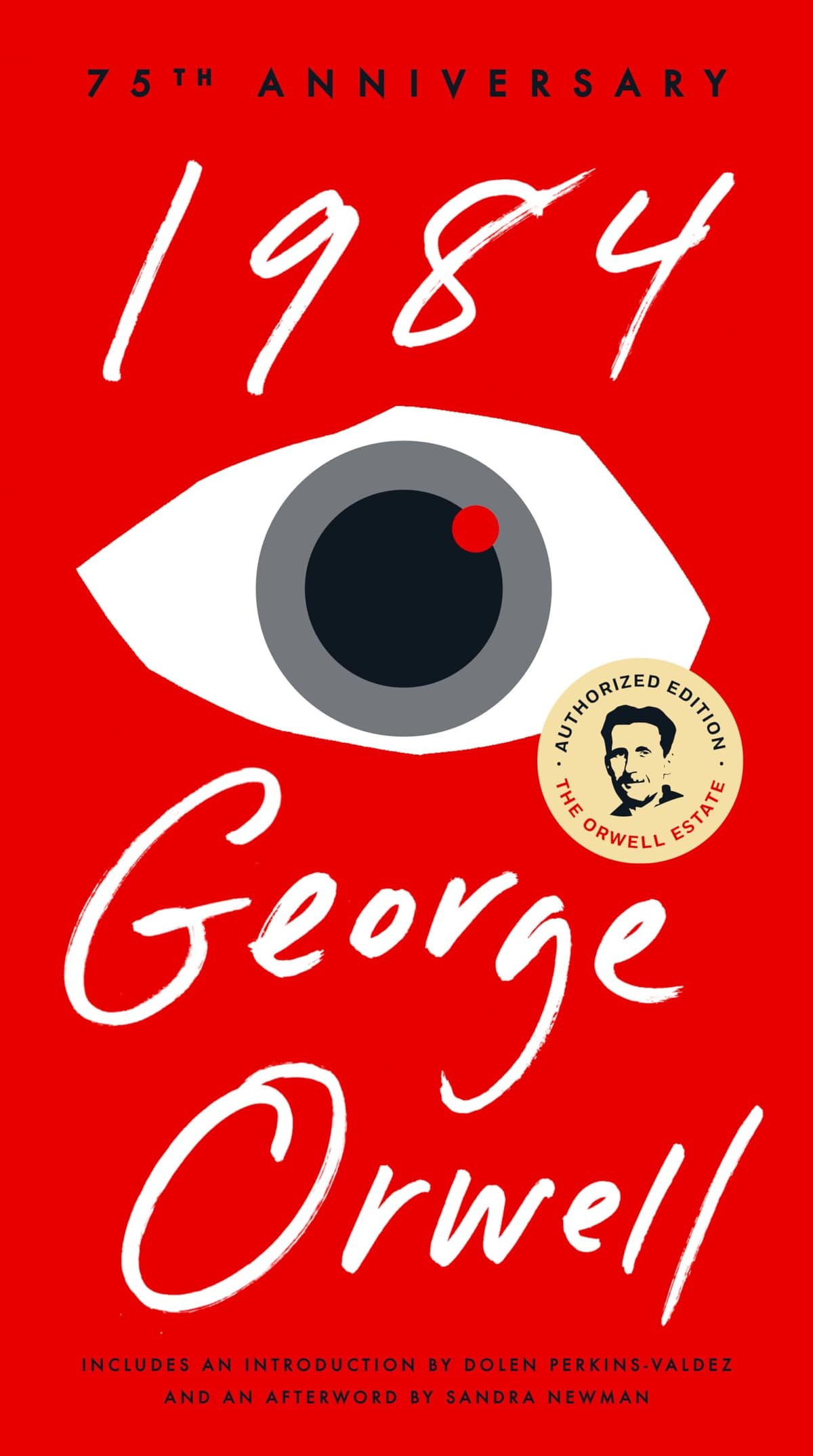 #6View Book
Nineteen Eighty-Four
George Orwell
Moderate•8-10 hours #20View Book
The Trial
Franz Kafka
Moderate•8-10 hours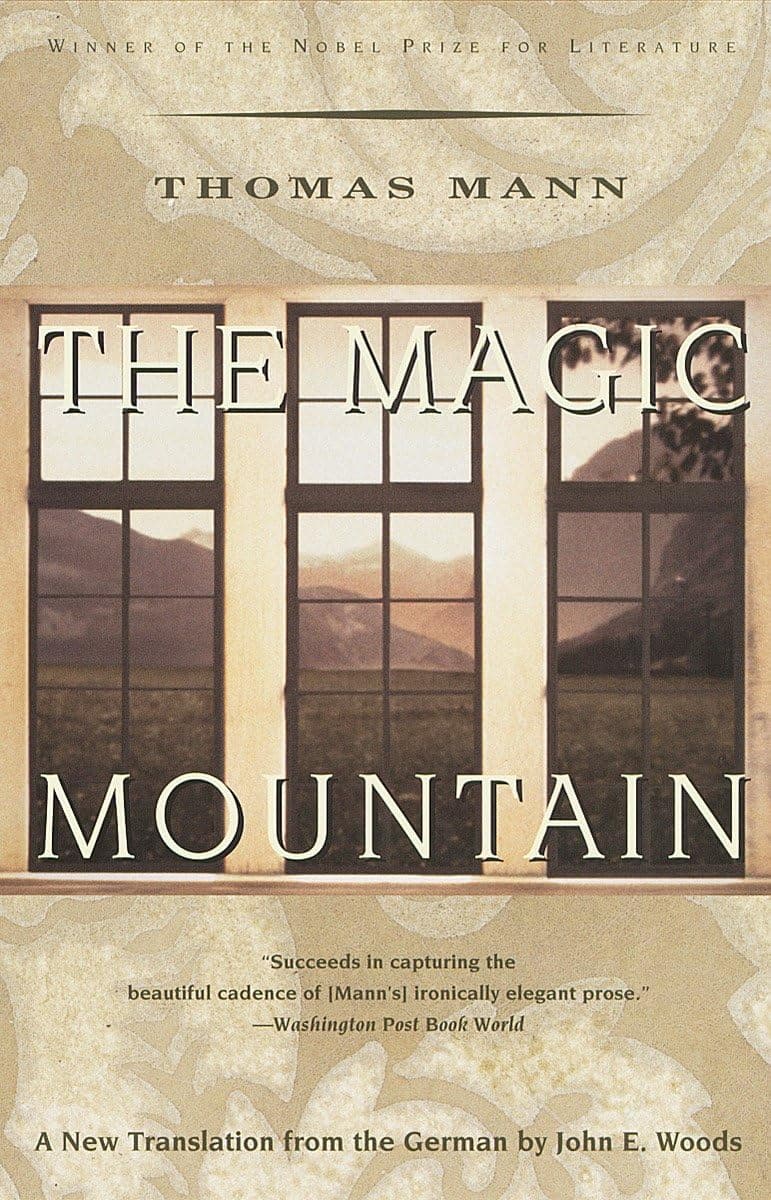 #27View Book
The Magic Mountain
Thomas Mann
High•30-35 hours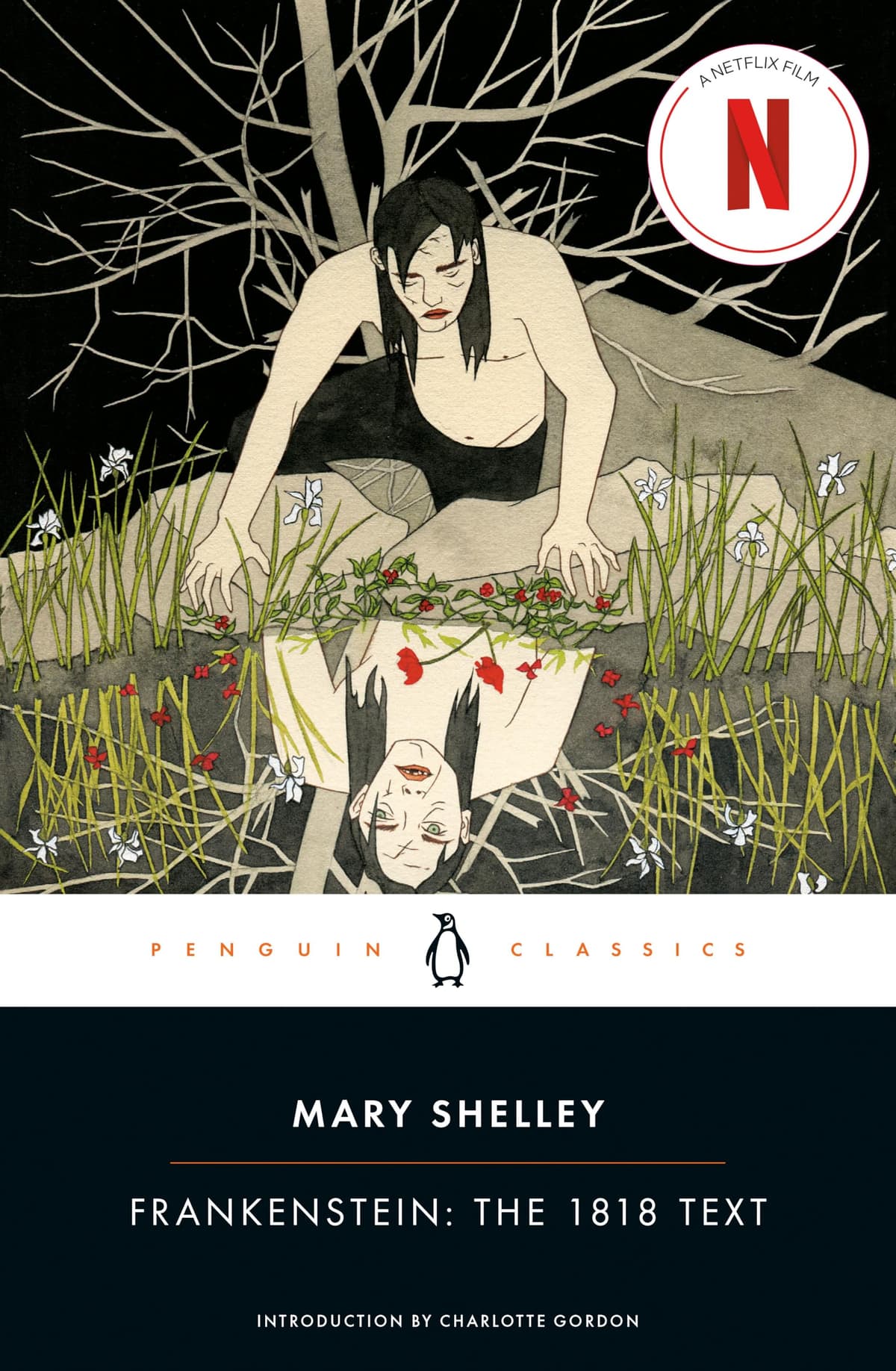 #41View Book
Frankenstein
Mary Shelley
Accessible•6-8 hours
Browse more collections