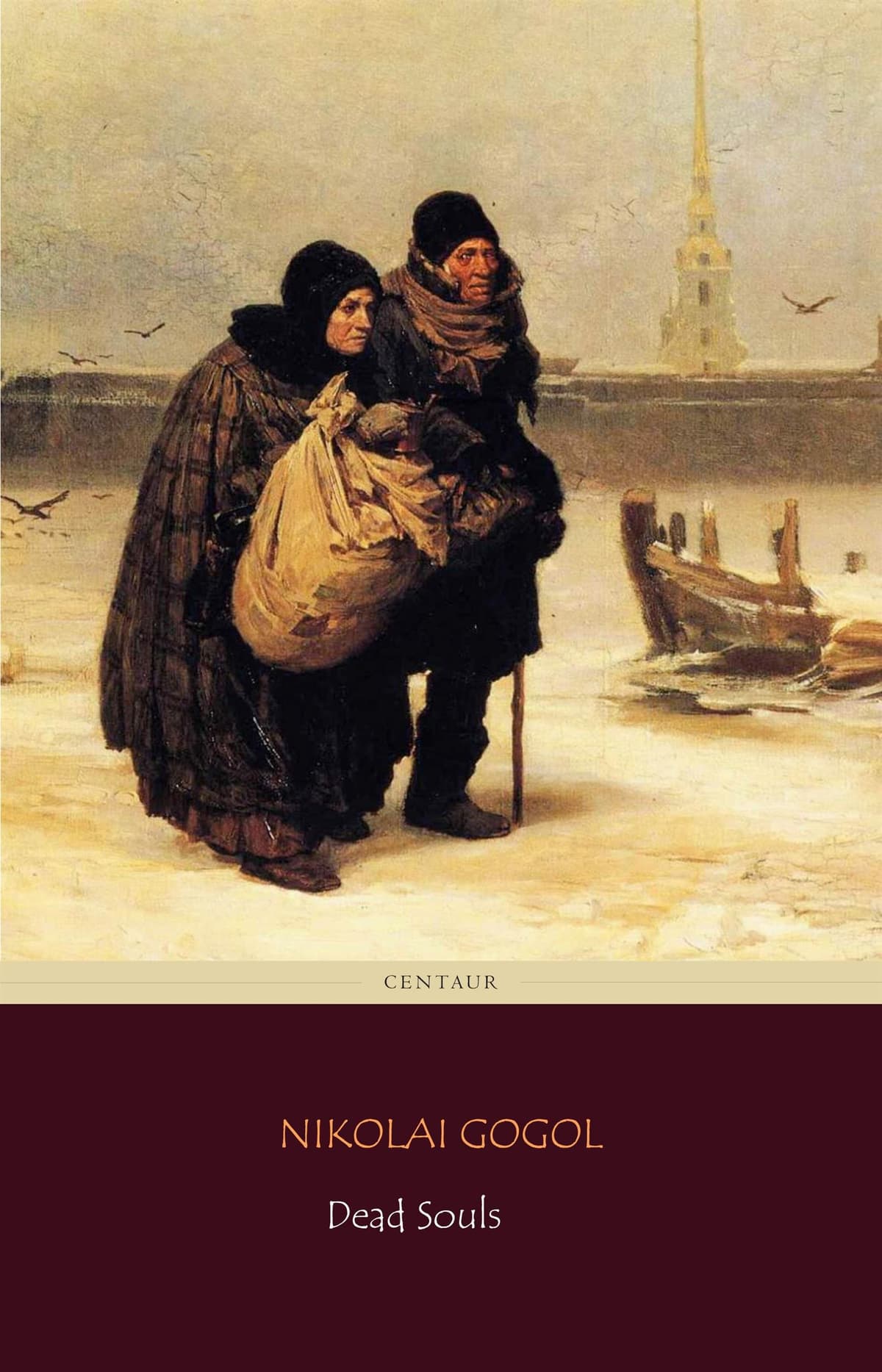
Dead Souls
“And for a long time yet, led by some wondrous power, I am fated to journey hand in hand with my strange heroes and to survey the surging immensity of life.”
Dead Souls Summary
A mysterious gentleman named Pavel Ivanovich Chichikov arrives in a small provincial Russian town in a handsome carriage, checks into the inn, and proceeds to charm every official, landowner, and social climber in the district. His mission, once revealed, is one of the most ingenious swindles in literature: he is buying 'dead souls'—serfs who have died since the last census but still appear on the tax rolls as living property. With enough dead souls on paper, Chichikov can mortgage his phantom estate to the government and pocket the loan.
Gogol's picaresque masterpiece sends Chichikov rolling across the Russian countryside in a parade of unforgettable encounters—the sentimental hoarder Plyushkin, the blustering braggart Nozdryov, the syrupy Manilov—each landowner a grotesque mirror of some universal human failing. Dead Souls is at once a savage satire of Russian serfdom, a comic epic of con artistry, and a prose poem about the vast, mysterious soul of Russia itself, expressed in some of the most extravagantly beautiful writing in the language.
Why Read Dead Souls?
Dead Souls is the great comic novel of Russian literature—a book that Gogol conceived as a Russian Divine Comedy and that succeeds in being both hilariously funny and deeply, strangely moving. Chichikov's scheme is absurd, but the world through which he moves is rendered with such hallucinatory precision that every provincial dining room, every muddy road, every petty landowner becomes unforgettable.
Gogol's genius lies in his ability to see the grotesque and the sublime in the same gesture. His characters are caricatures, yet they are more alive than most realistic portraits. His Russia is a land of boundless space and boundless absurdity, where the bureaucracy is a labyrinth, the roads go nowhere, and a dead serf on a piece of paper has more value than a living one. Dostoevsky and Tolstoy both acknowledged their debt to this wild, visionary novel, and Nabokov called it the greatest work of Russian prose ever written.
About Nikolai Gogol
Nikolai Gogol (1809-1852) was born in Ukraine and arrived in St. Petersburg as a young man with literary ambitions and a talent for the bizarre. His early stories of Ukrainian folk life gave way to the surreal masterpieces that would revolutionize Russian literature: 'The Nose,' 'The Overcoat,' the play The Government Inspector, and the novel Dead Souls.
Gogol was a writer of contradictions—hilarious and melancholy, satirical and mystical, Ukrainian and Russian. He spent much of his adult life abroad, writing Dead Souls in Rome, and grew increasingly consumed by religious mania in his final years. He burned the manuscript of the second volume of Dead Souls shortly before his death at age forty-two, leaving behind one of literature's great unfinished masterpieces and a legacy that defined the trajectory of Russian fiction.
Reading Guide
Ranked #104 among the greatest books of all time, Dead Souls by Nikolai Gogol has earned its place in the literary canon. Originally written in Russian and published in 1842, this moderate read from Russia continues to resonate with readers today.
This book belongs to our Russian Soul and Society & Satire collections, where you can discover more books that share its spirit and themes.
If you enjoy moderate reads like this one, you might also like One Hundred Years of Solitude, Nineteen Eighty-Four, or Wuthering Heights.
From the Russian Soul Collection
If you enjoyed Dead Souls, discover more masterpieces that share its spirit.
 #10View Book
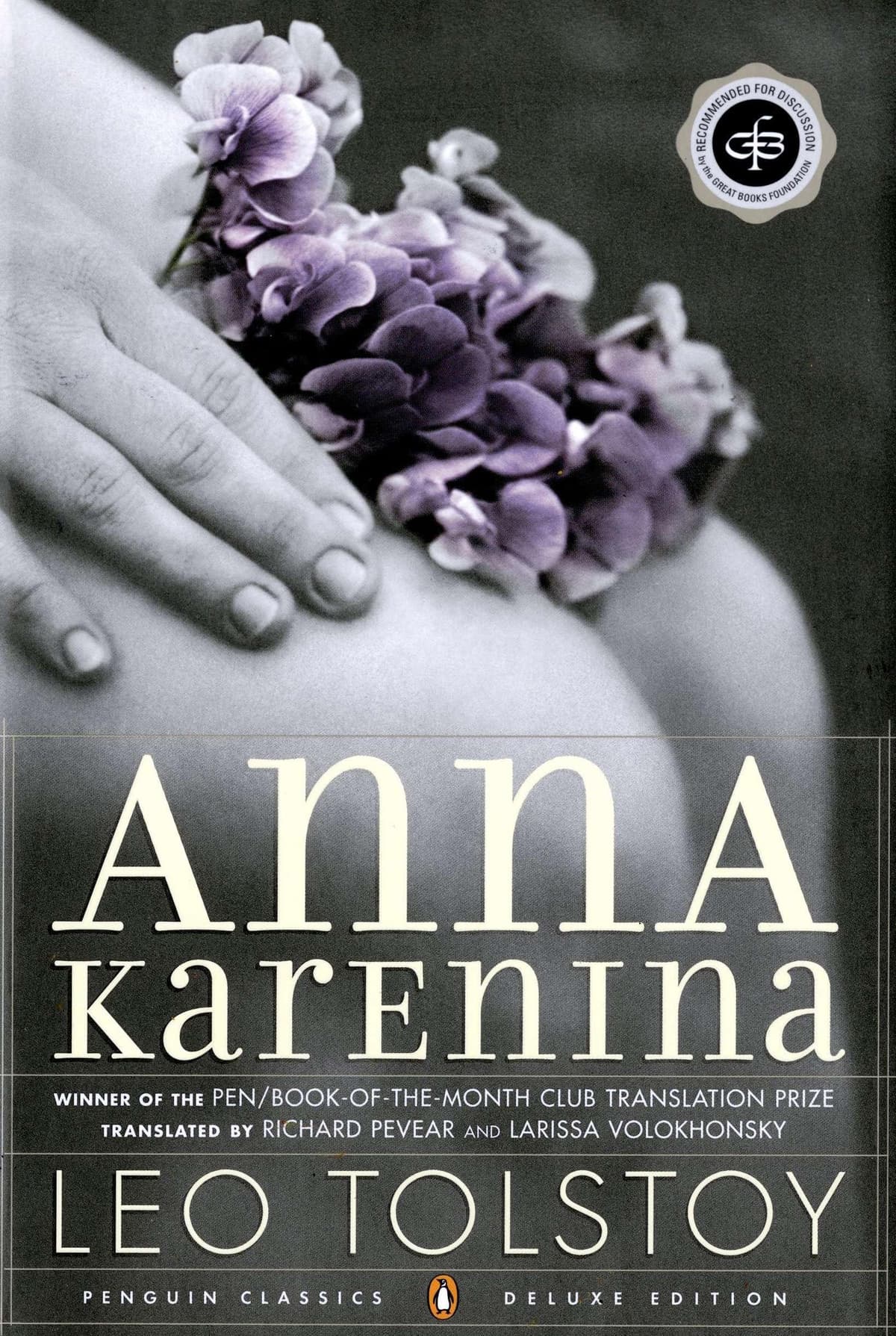
Anna Karenina
Leo Tolstoy
High•30-35 hours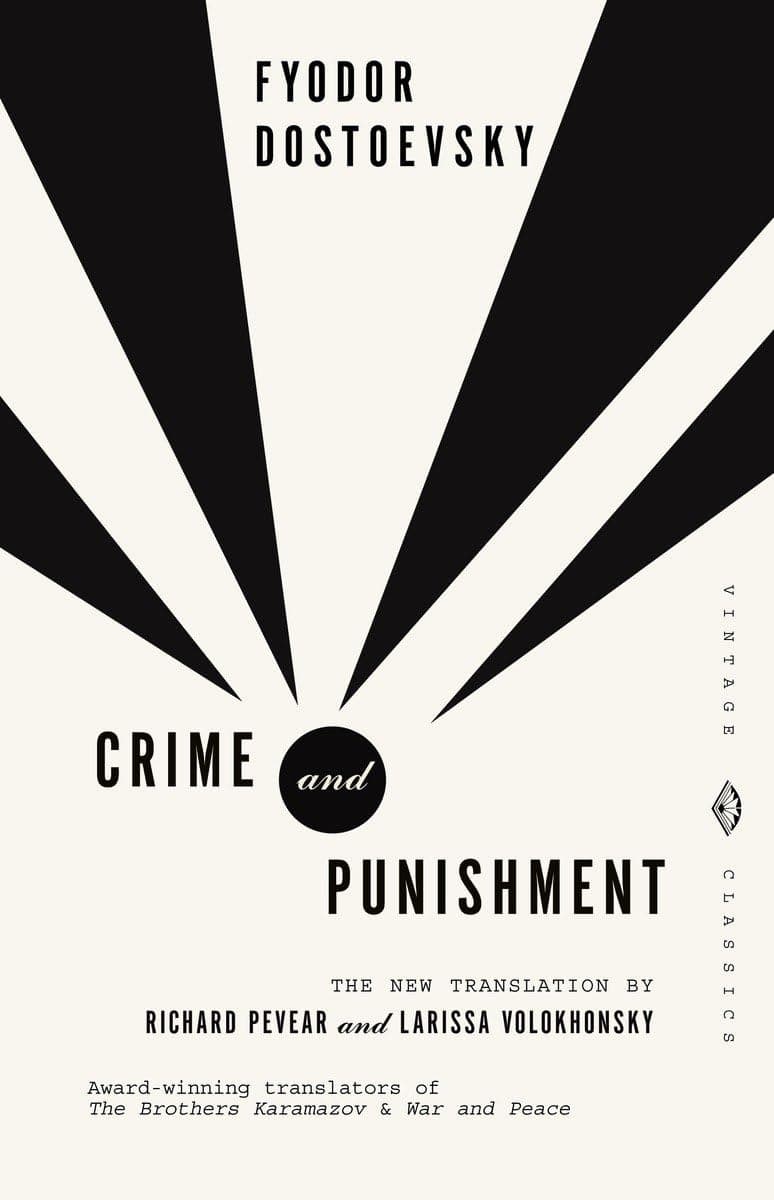 #11View Book
Crime and Punishment
Fyodor Dostoevsky
High•20-25 hours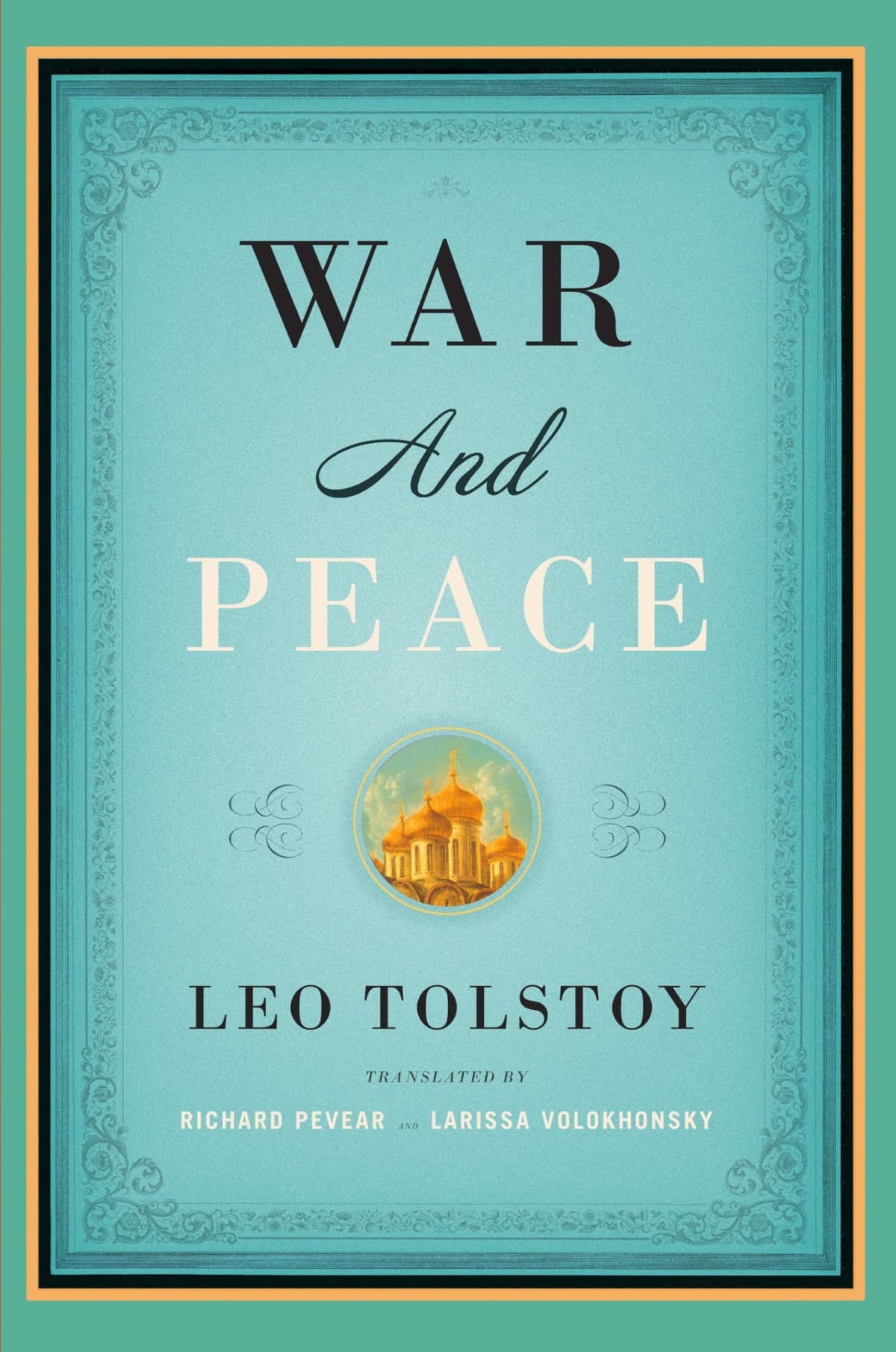 #14View Book
War and Peace
Leo Tolstoy
Very High•40-50 hours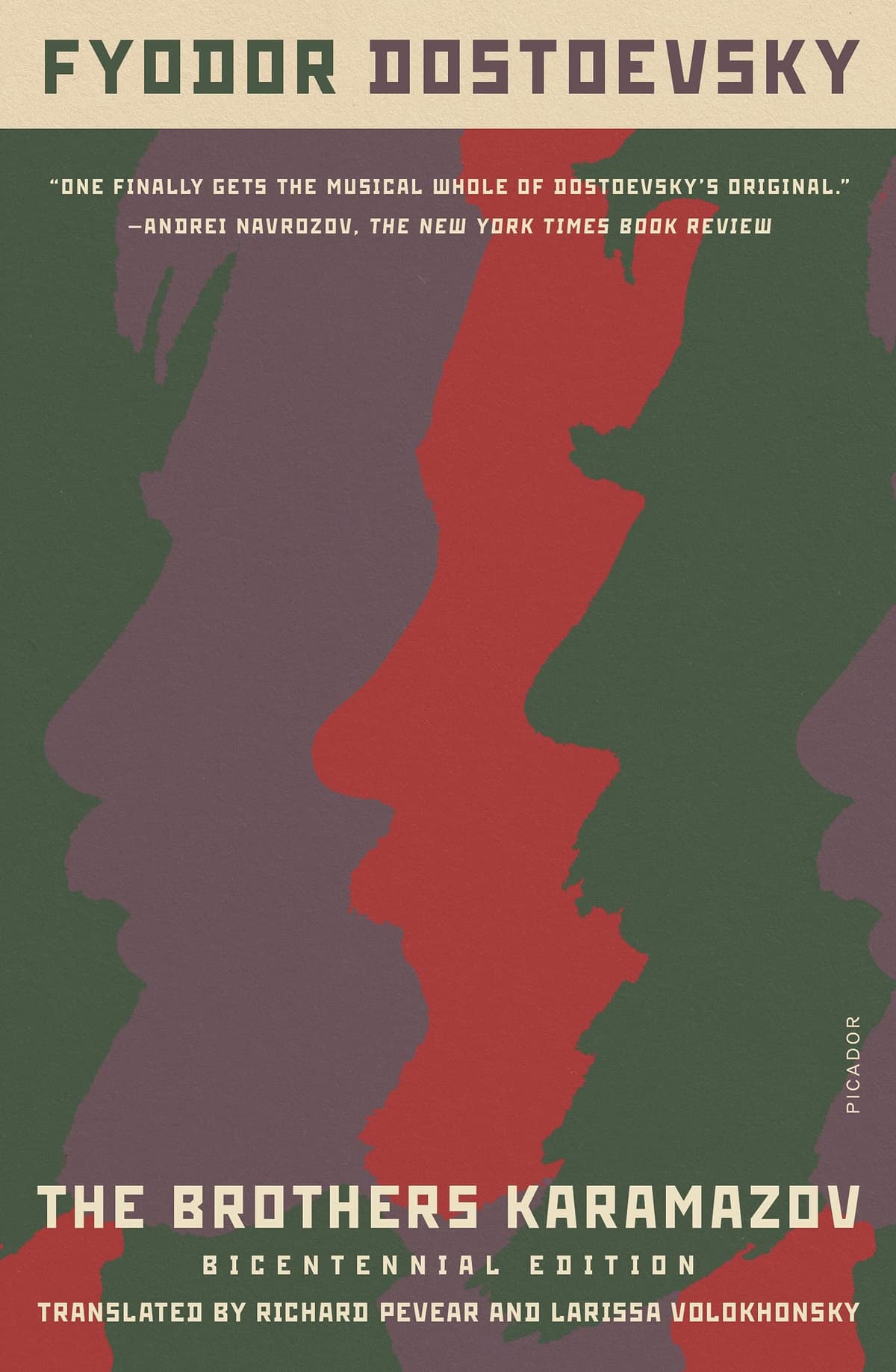 #19View Book
The Brothers Karamazov
Fyodor Dostoevsky
Very High•35-40 hours
Browse more collections