Cold Comfort Farm
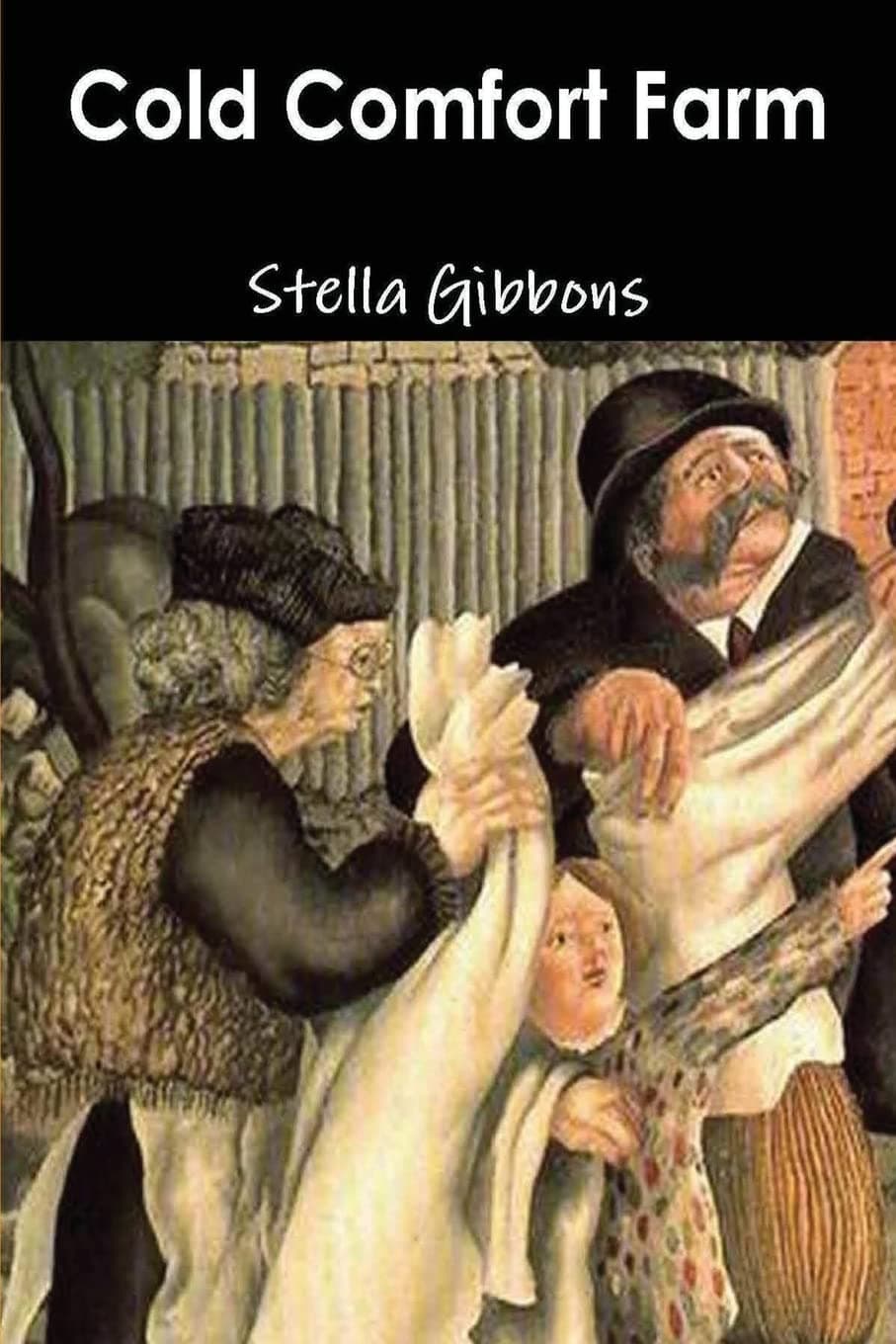
“When you were very small—too small to remember—you saw something nasty in the woodshed.”
Cold Comfort Farm Summary
Cold Comfort Farm follows the recently orphaned Flora Poste, a sensible, well-educated young woman of slender means, as she descends upon her relatives at the gloomy Sussex farm of the title, determined to tidy up their lives. What she finds is a household of spectacular dysfunction: Aunt Ada Doom, who rules the family from her bedroom because she once "saw something nasty in the woodshed"; the brooding Seth, consumed by his passion for the "talkies"; the wild-eyed preacher Amos, who terrifies his congregation with visions of damnation; and the seething, earth-bound Reuben, who wants nothing more than to inherit the farm. Flora, armed with common sense, a copy of a fictional self-help book, and an unshakeable belief that people's lives can be improved by rational intervention, sets about reforming each family member, dispatching them to their proper destinies with cheerful efficiency.
Gibbons wrote Cold Comfort Farm as a parody of the rural doom novels that were popular in the 1920s and 1930s, particularly the works of Mary Webb, Thomas Hardy's imitators, and D. H. Lawrence's earthy mysticism. But the novel transcends its satirical origins to become a comic masterpiece in its own right, a book whose humor is so precisely aimed and so warmly executed that it remains hilarious nearly a century after publication. Flora is one of the great comic heroines of English literature, a character whose combination of good manners, iron will, and pragmatic optimism makes her an irresistible force against the gothic excesses of the Starkadder clan. The novel is also a sly meditation on the power of narrative itself: Flora's gift is essentially that of a novelist, reshaping other people's stories into more satisfying forms.
Why Read Cold Comfort Farm?
If you need a book that will make you laugh out loud on every other page while simultaneously demonstrating that comedy can be as artful as tragedy, Cold Comfort Farm is your answer. Gibbons has a gift for the perfectly absurd detail, the precisely deflating phrase, and the gloriously overblown character who is both ridiculous and oddly endearing. Flora Poste is the kind of heroine you wish you could be: unflappable, resourceful, and utterly convinced that most problems can be solved with a good plan and a firm hand. Watching her dismantle an entire family's carefully cultivated misery is one of the purest pleasures in English fiction.
You should also read Cold Comfort Farm because it is one of the sharpest literary parodies ever written, and you do not need to have read the novels it satirizes to enjoy it. Gibbons skewers a certain kind of overheated rural writing so effectively that her parody has outlived its targets. The novel also rewards attention as a surprisingly sophisticated work of fiction in its own right, one that raises genuine questions about the relationship between art and life, the dangers of romanticizing poverty and suffering, and the redemptive power of common sense. It is the rare book that is both genuinely funny and genuinely wise.
About Stella Gibbons
Stella Gibbons was born in 1902 in London, the daughter of a doctor whose erratic behavior provided early material for her comic imagination. She studied journalism at University College London and worked as a reporter, drama critic, and fashion writer before publishing Cold Comfort Farm in 1932, at the age of twenty-nine. The novel was an immediate success, winning the Femina Vie Heureuse Prize, and Gibbons was hailed as a brilliant new comic voice. She went on to publish twenty-four more novels, several volumes of poetry, and numerous short stories over the following decades, but none achieved the fame of her debut. She lived quietly in London with her husband, the actor Allan Webb, and their daughter, and she was known for her modesty and her dry wit.
Gibbons's literary legacy rests almost entirely on Cold Comfort Farm, which has never gone out of print and continues to delight new generations of readers. This singular fame was a source of both pride and frustration for Gibbons, who felt that her later, more serious work was unfairly overshadowed. Yet the achievement of Cold Comfort Farm is no small thing: it is one of the funniest novels in the English language, a work that influenced writers from Nancy Mitford to Terry Pratchett, and it established a tradition of English comic writing that values intelligence, warmth, and precision above all else. Gibbons died in 1989, and her reputation has continued to grow as readers discover that her masterpiece is not merely funny but enduringly, deceptively wise.
Reading Guide
Ranked #462 among the greatest books of all time, Cold Comfort Farm by Stella Gibbons has earned its place in the literary canon. Originally written in English and published in 1932, this accessible read from United Kingdom continues to resonate with readers today.
This book belongs to our Society & Satire collection, where you can discover more books that share its spirit and themes.
If you enjoy accessible reads like this one, you might also like The Great Gatsby, The Catcher in the Rye, or Pride and Prejudice.
From the Society & Satire Collection
If you enjoyed Cold Comfort Farm, discover more masterpieces that share its spirit.
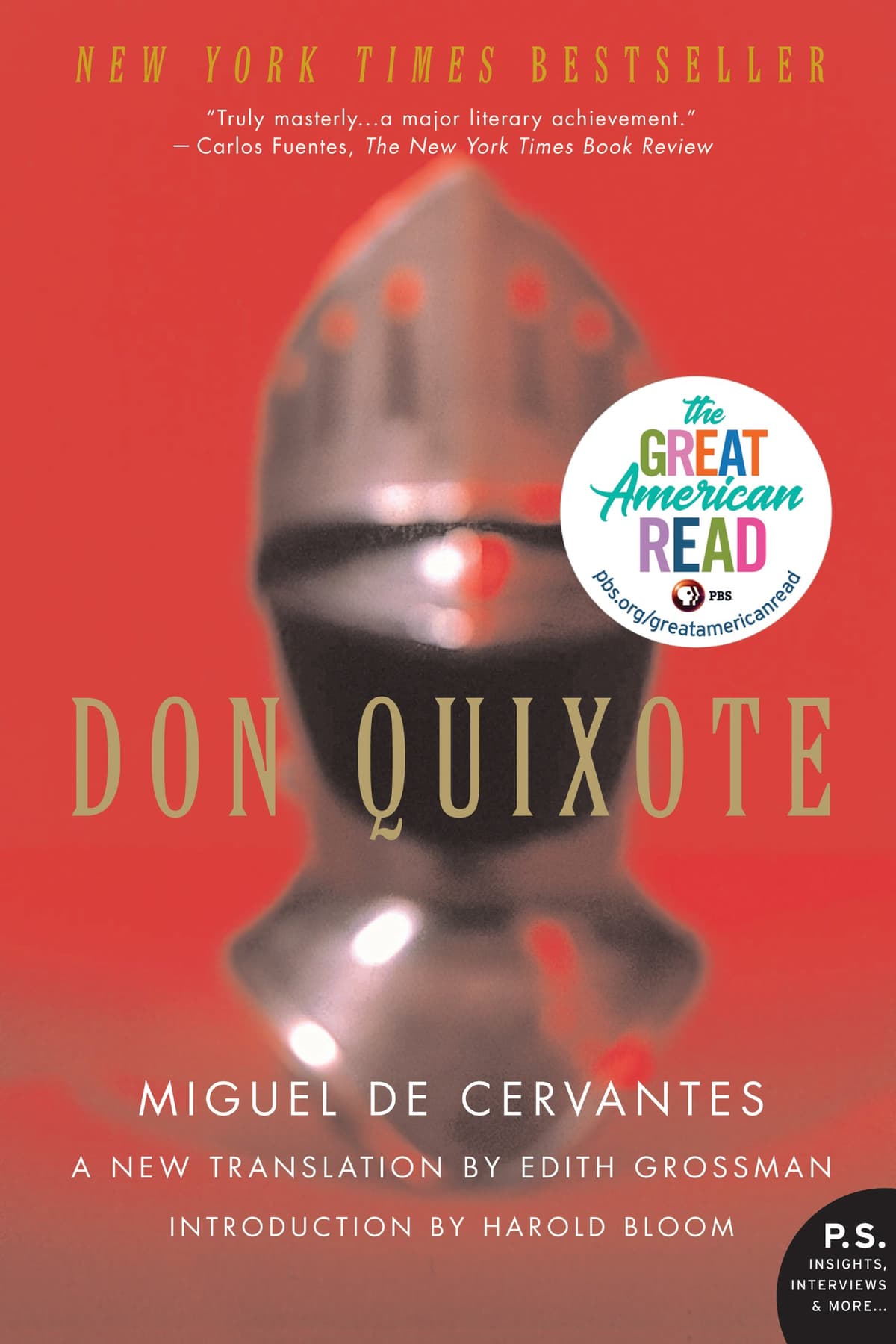 #9View Book
Don Quixote
Miguel de Cervantes
High•35-40 hours #12View Book
Pride and Prejudice
Jane Austen
Accessible•10-12 hours #22View Book
Madame Bovary
Gustave Flaubert
Moderate•12-15 hours #30View Book
Middlemarch
George Eliot
High•30-35 hours
Browse more collections